
Blad met twee Sibyllen en twee scènes uit het passieverhaal — History & Facts
This poignant reflection resonates deeply within the intricate layers of this Renaissance work, inviting the viewer to explore the delicate balance of fear and reverence rendered in paint. Look to the center where the two Sibyls stand, their eyes reflecting a profound knowledge of impending doom. Notice the drapery of their garments — the way it folds and flows, capturing the tension in their poised yet troubled stances. The rich, muted colors contrast with the ethereal gold accents that outline their figures, rendering them almost otherworldly.
This juxtaposition draws the eye and sets a somber tone that beckons contemplation. Delve deeper into the scenes surrounding them, where the narrative of the Passion unfolds. The expressions of the figures hint at an unsettling foreboding; the gestures speak volumes about fear and sorrow in the face of fate. Each detail, from the anguished faces to the subtle use of shadow, amplifies the emotional stakes of the work.
The entire composition encapsulates the weight of prophecy and the gravity of human suffering, leaving viewers to grapple with their own vulnerabilities. Created between 1528 and 1532, this artwork emerged during a time of significant religious upheaval in Europe. Jacob Cornelisz van Oostsanen painted this piece in Amsterdam, a city that was increasingly becoming a hub for Renaissance art. It reflects the era's fascination with the divine and the human experience, amidst the backdrop of the Reformation, where fear and faith intertwined in the lives of many.
More Artworks by Jacob Cornelisz van Oostsanen
Browse all →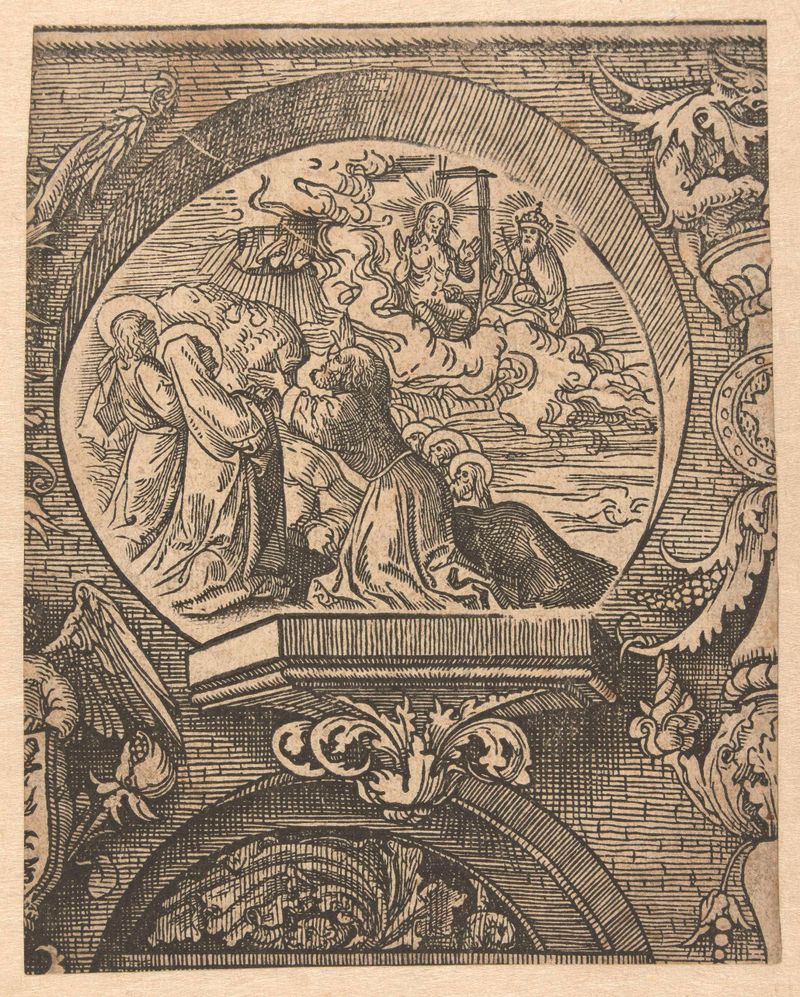
De hemelvaart en Christus voor God de Vader
Jacob Cornelisz van Oostsanen
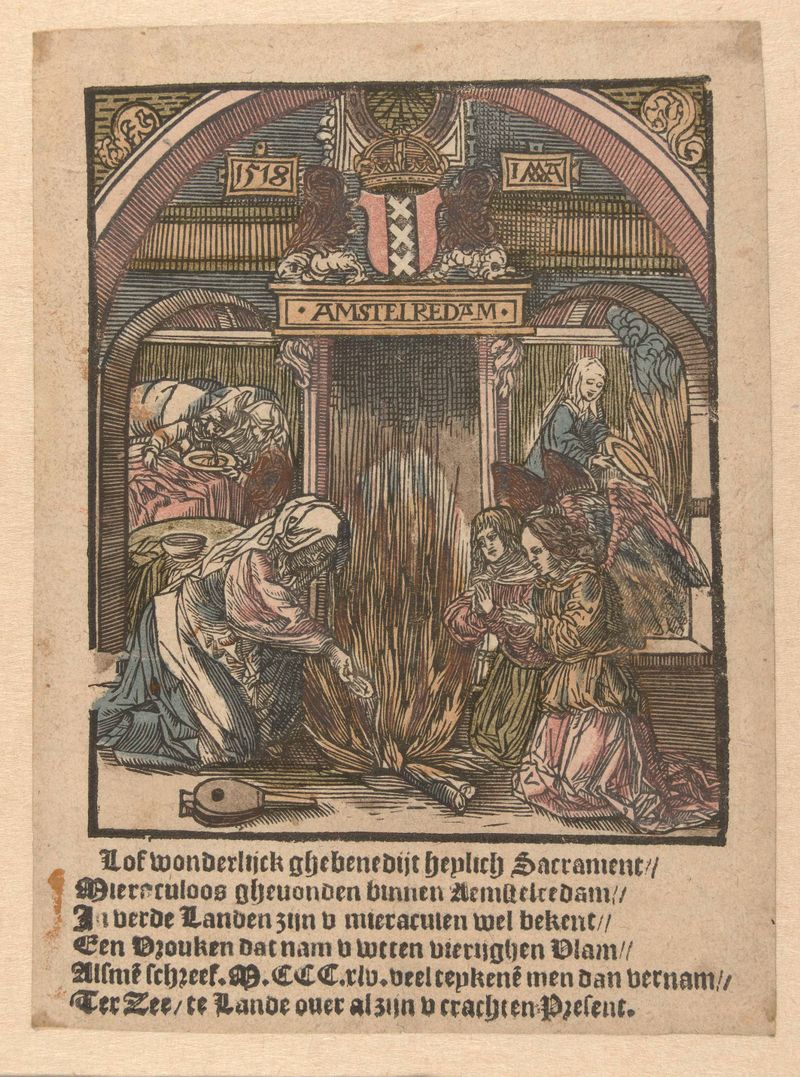
Het hostiewonder van Amsterdam
Jacob Cornelisz van Oostsanen
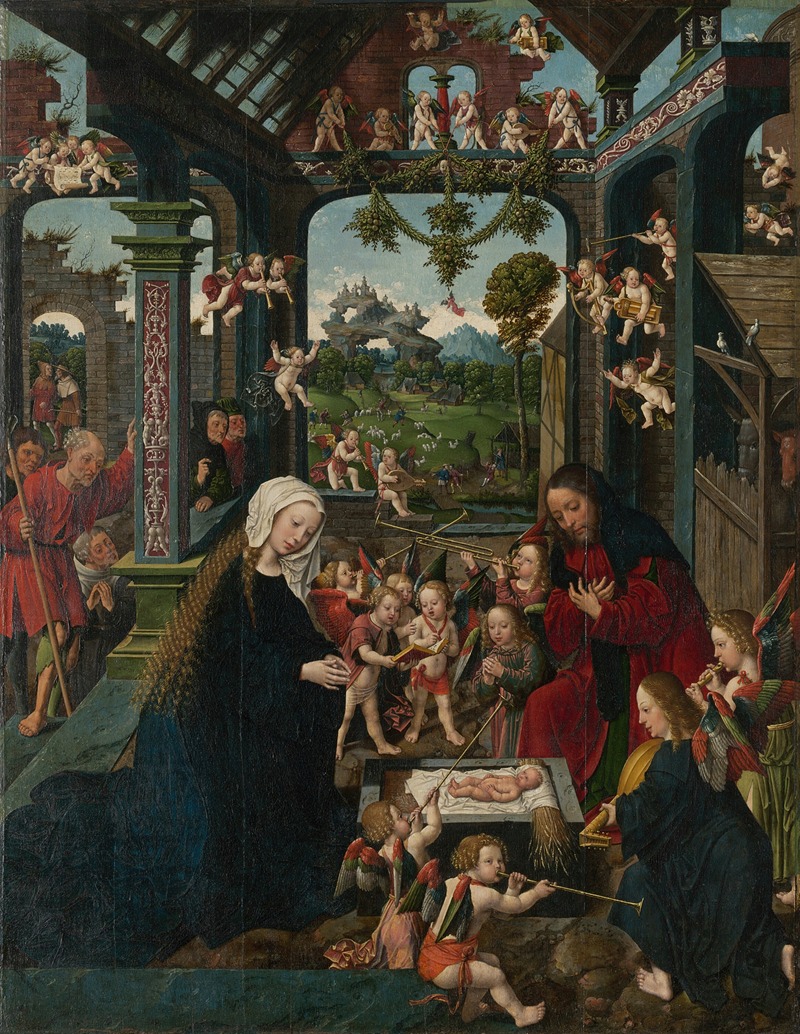
The Adoration of the Christ Child
Jacob Cornelisz van Oostsanen
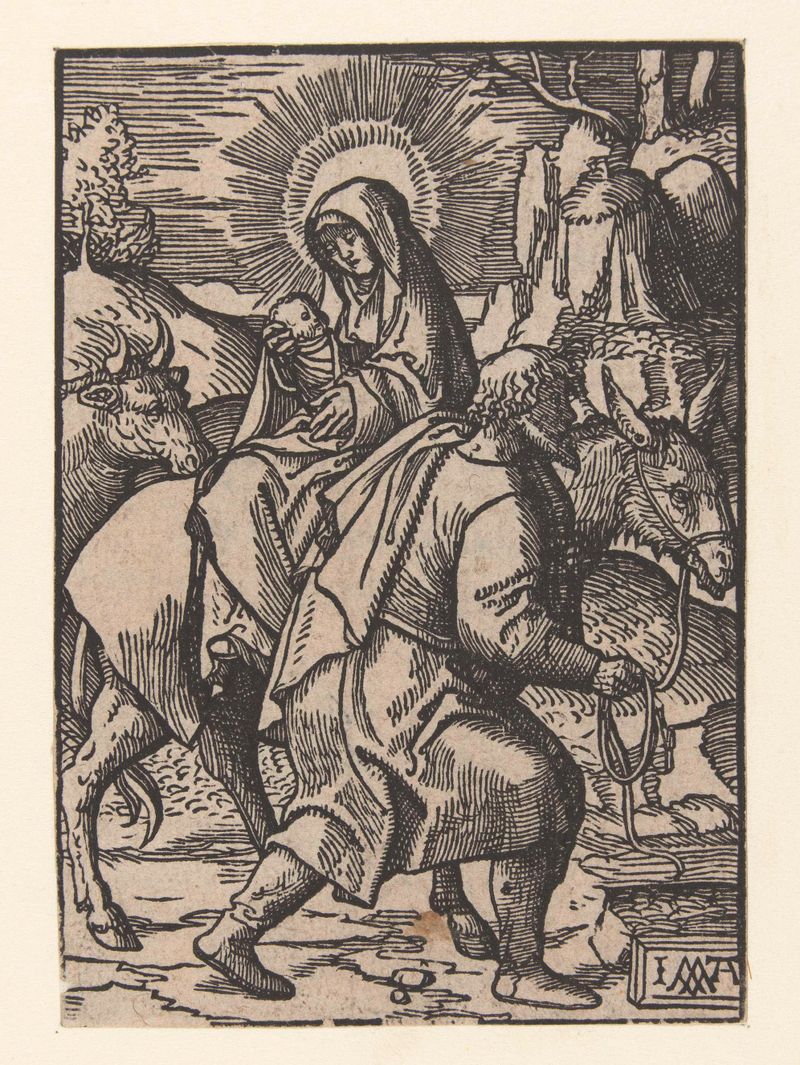
Vlucht naar Egypte
Jacob Cornelisz van Oostsanen
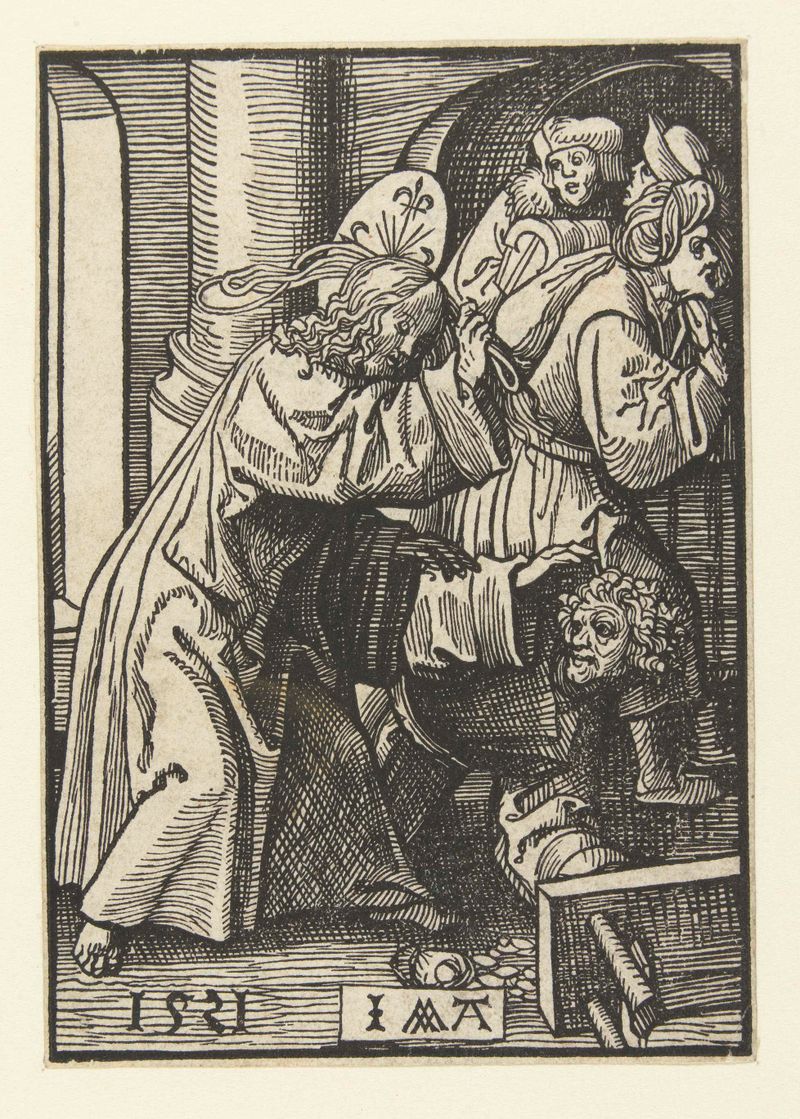
Verdrijving van de handelaren uit de tempel
Jacob Cornelisz van Oostsanen
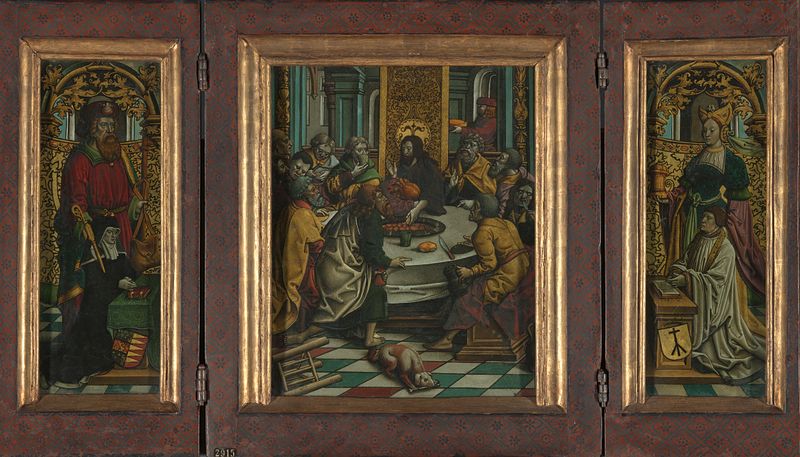
Triptych with the Last Supper and Donors
Jacob Cornelisz van Oostsanen
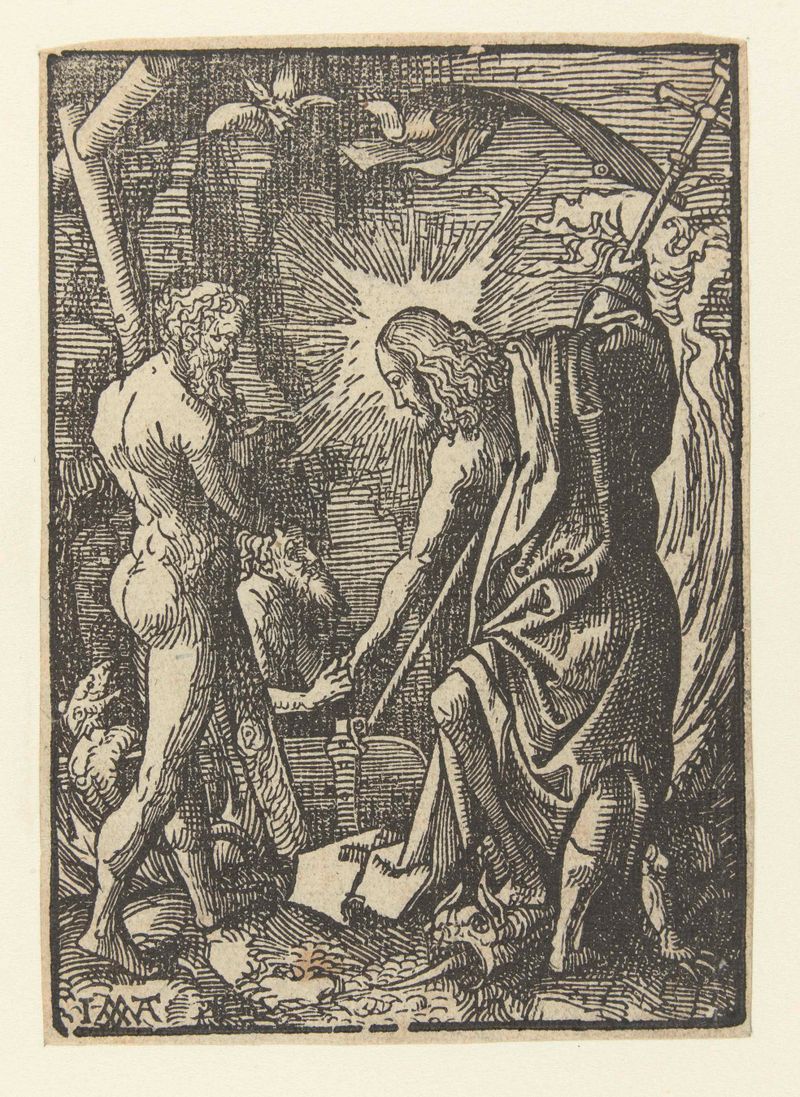
Christus in het voorgeborchte
Jacob Cornelisz van Oostsanen
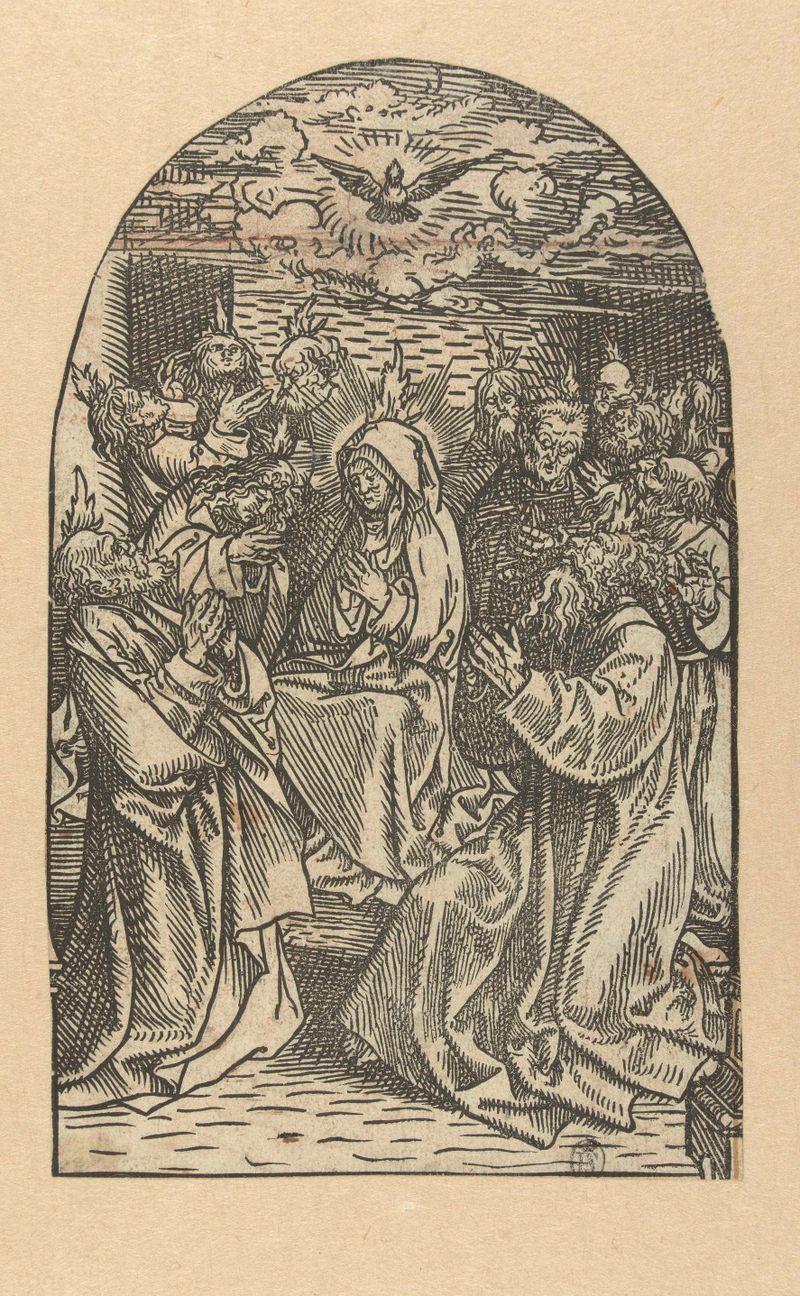
Uitstorting van de Heilige Geest
Jacob Cornelisz van Oostsanen
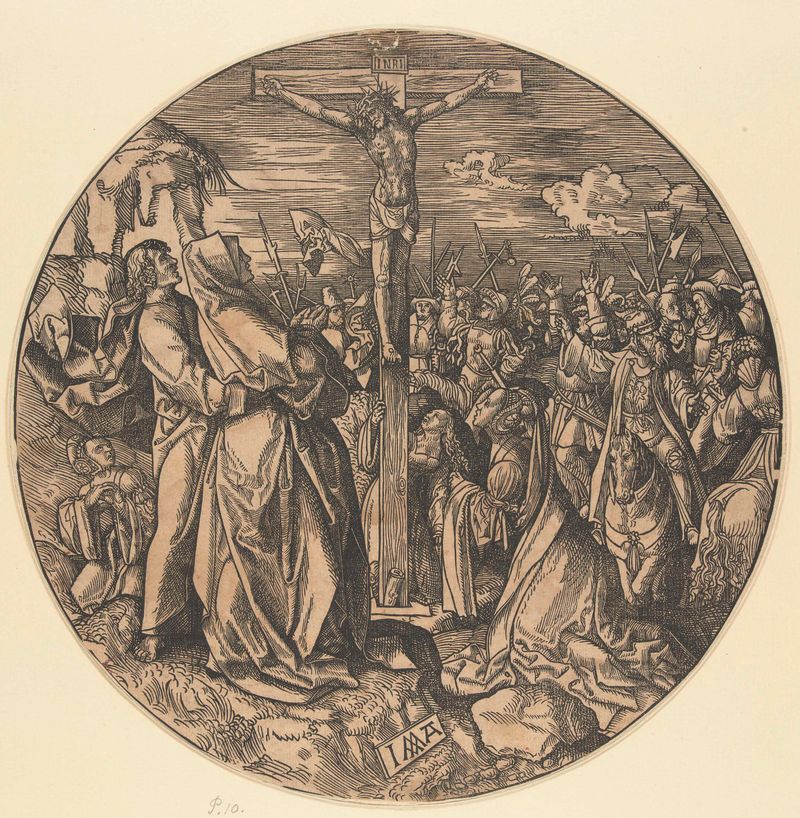
Christus aan het kruis
Jacob Cornelisz van Oostsanen

De kruisiging en de graflegging van Christus
Jacob Cornelisz van Oostsanen
More Religious Art
Browse all →
The Return of the Prodigal Son
Rembrandt van Rijn

The Garden of Earthly Delights
El Bosco

Count Orgaz’ funeral
El Greco

The Hundred Guilder Print: the central piece with Christ preaching, the plate arched
Rembrandt van Rijn

The Descent from the Cross
Rogier van der Weyden

The return of the prodigal son
Rembrandt van Rijn