
Blad met twee Sibyllen en twee scènes uit het passieverhaal. — History & Facts
In its stillness, it holds memories that whisper of time's passage, beckoning us to listen to the echoes of the past. Look to the upper center of the composition, where two Sibyls stand poised, their ethereal presence framed against a backdrop of rich, deep hues. The artist’s meticulous attention to detail is particularly evident in their opulent garments, woven with intricate patterns that suggest both wealth and wisdom. Notice how the light elegantly cascades onto their faces, illuminating expressions that blend serenity with an almost unearthly foresight, drawing the viewer’s gaze into a deeper understanding of their prophetic roles. In the lower panels, the contrasting scenes from the Passion narrative unfold, captured in somber tones that evoke a palpable tension.
Here, the interplay of light and shadow not only emphasizes the gravity of the depicted events but also invites reflections on suffering and redemption. The juxtaposition of the Sibyls’ calm demeanor with the turmoil of the Passion serves to heighten the emotional stakes, hinting at the intricate relationship between prophecy and the unfolding of divine narratives. Created between 1528 and 1532, this work emerged during a period of artistic transition in the Netherlands, where early Renaissance influences began to intertwine with burgeoning humanist themes. The artist, drawing inspiration from both classical antiquity and contemporary spiritual concerns, navigated a world on the cusp of profound change, both in art and religion.
The painting stands as a testament to this moment, capturing the weight of history while simultaneously reflecting the timelessness of its themes.
More Artworks by Jacob Cornelisz van Oostsanen
Browse all →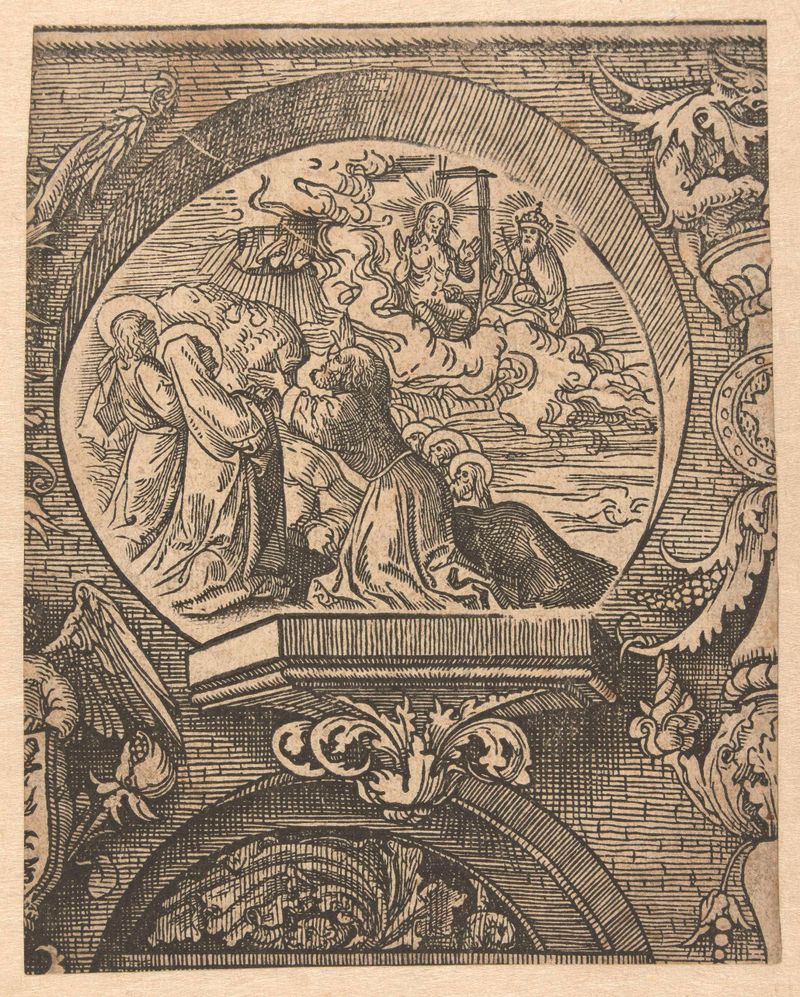
De hemelvaart en Christus voor God de Vader
Jacob Cornelisz van Oostsanen
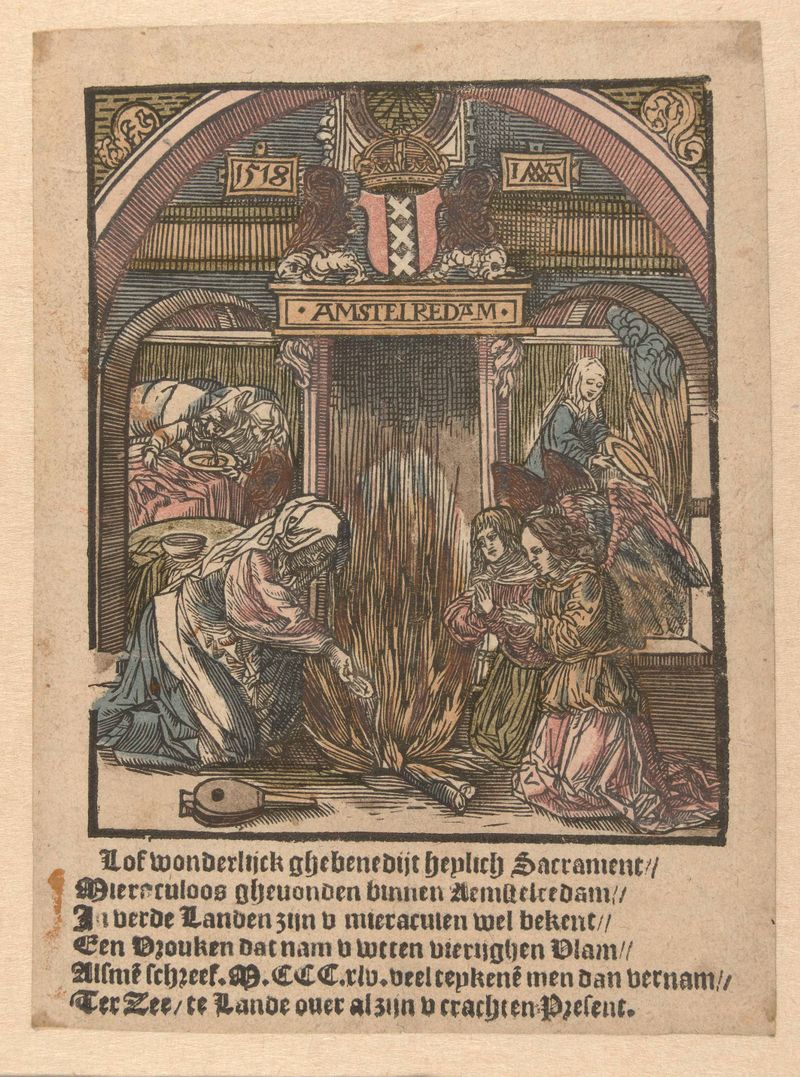
Het hostiewonder van Amsterdam
Jacob Cornelisz van Oostsanen
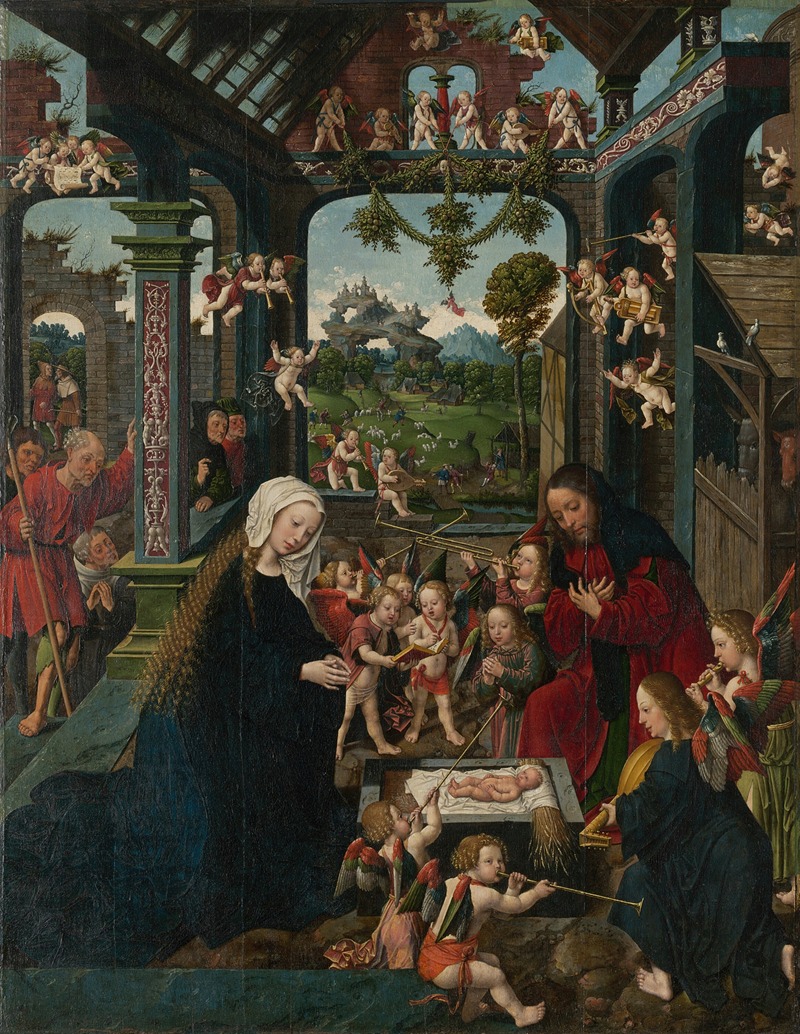
The Adoration of the Christ Child
Jacob Cornelisz van Oostsanen
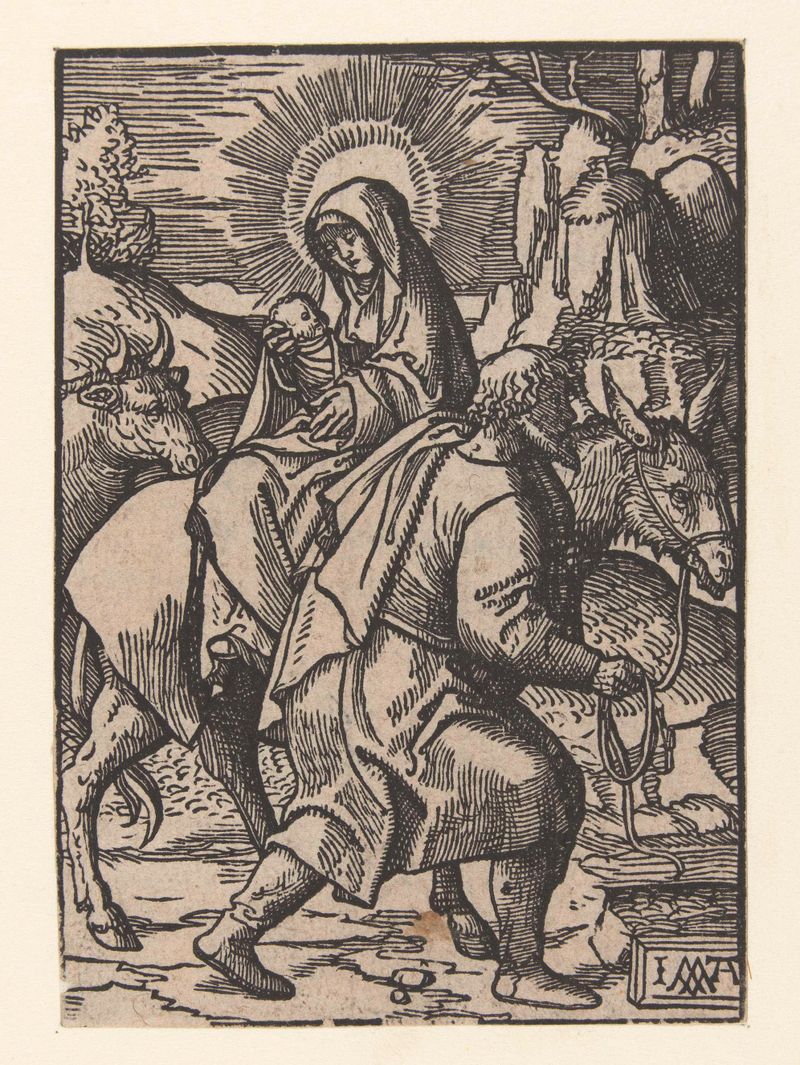
Vlucht naar Egypte
Jacob Cornelisz van Oostsanen
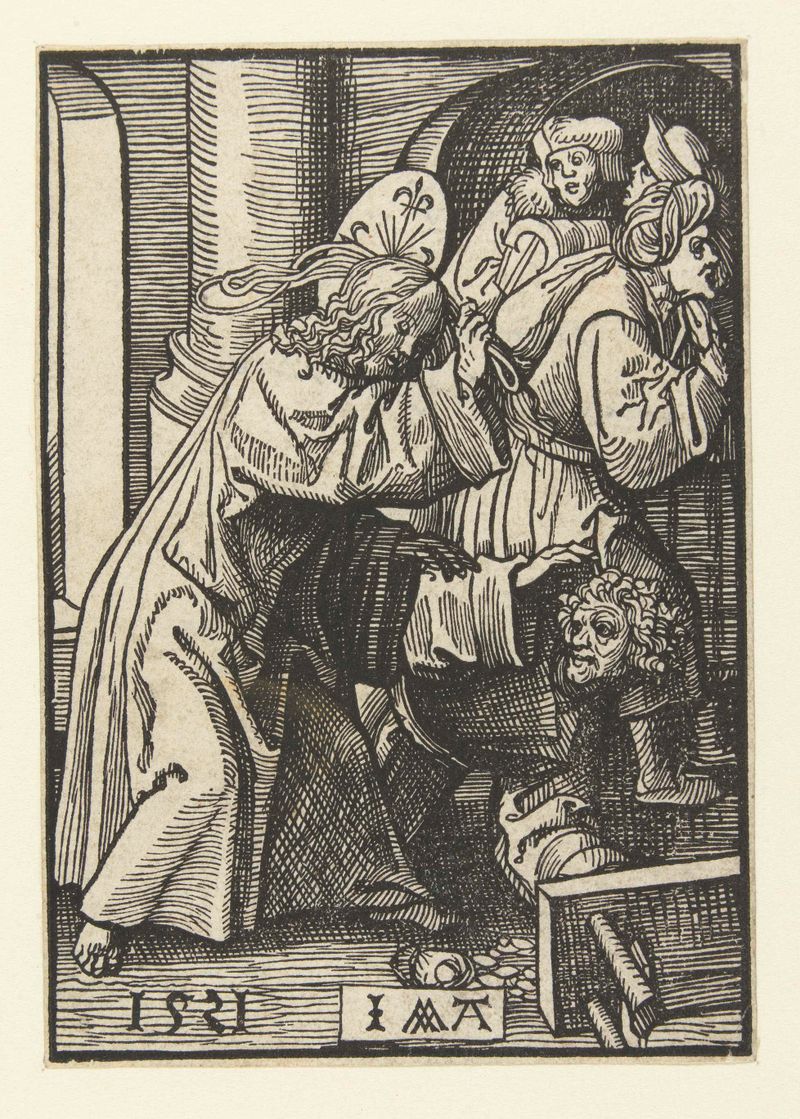
Verdrijving van de handelaren uit de tempel
Jacob Cornelisz van Oostsanen
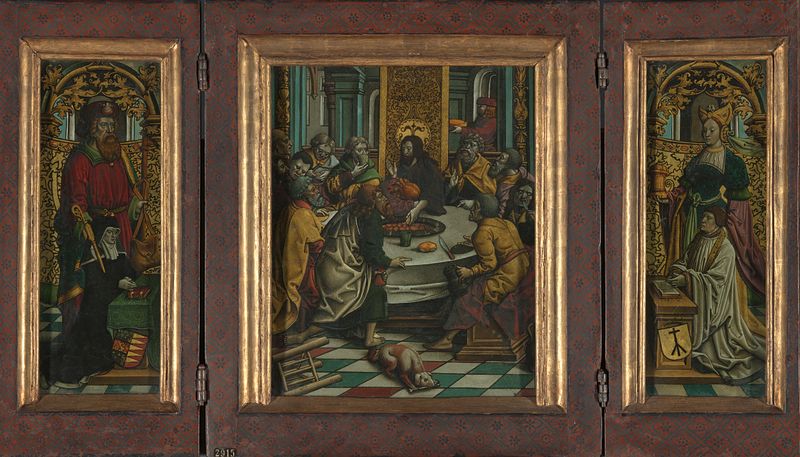
Triptych with the Last Supper and Donors
Jacob Cornelisz van Oostsanen
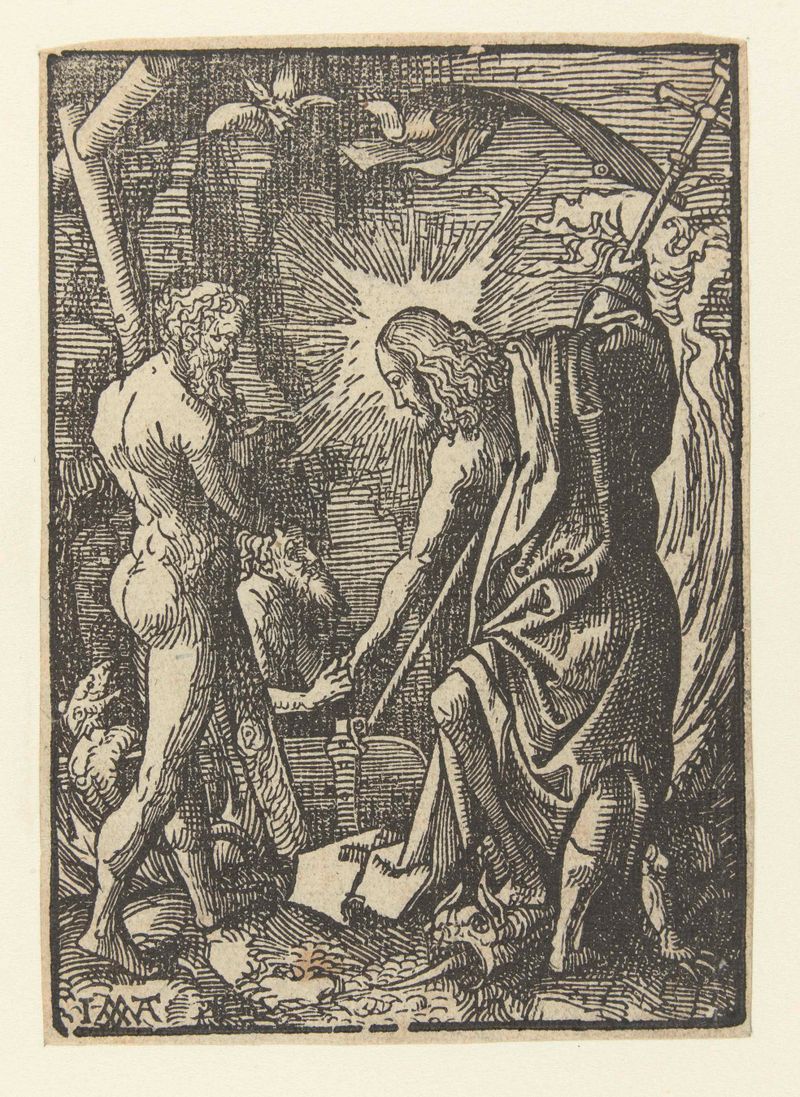
Christus in het voorgeborchte
Jacob Cornelisz van Oostsanen
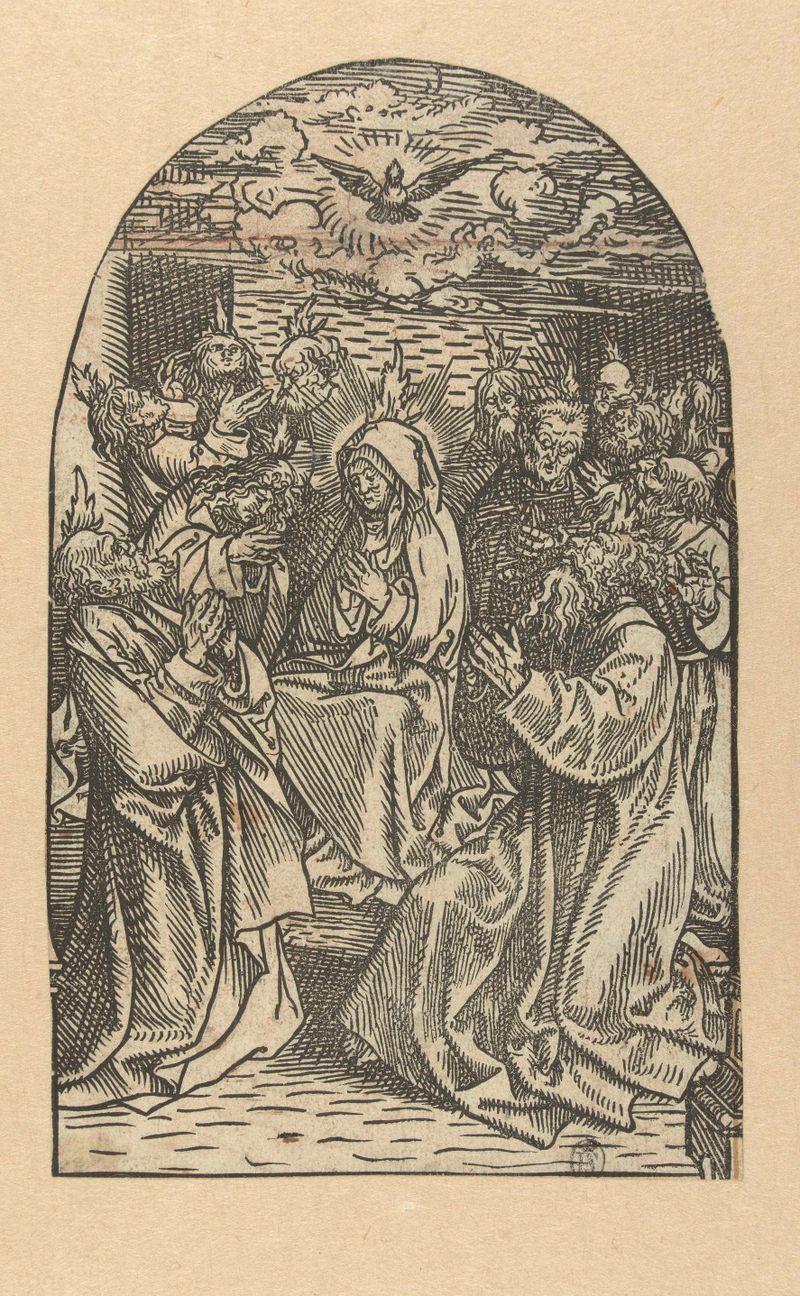
Uitstorting van de Heilige Geest
Jacob Cornelisz van Oostsanen
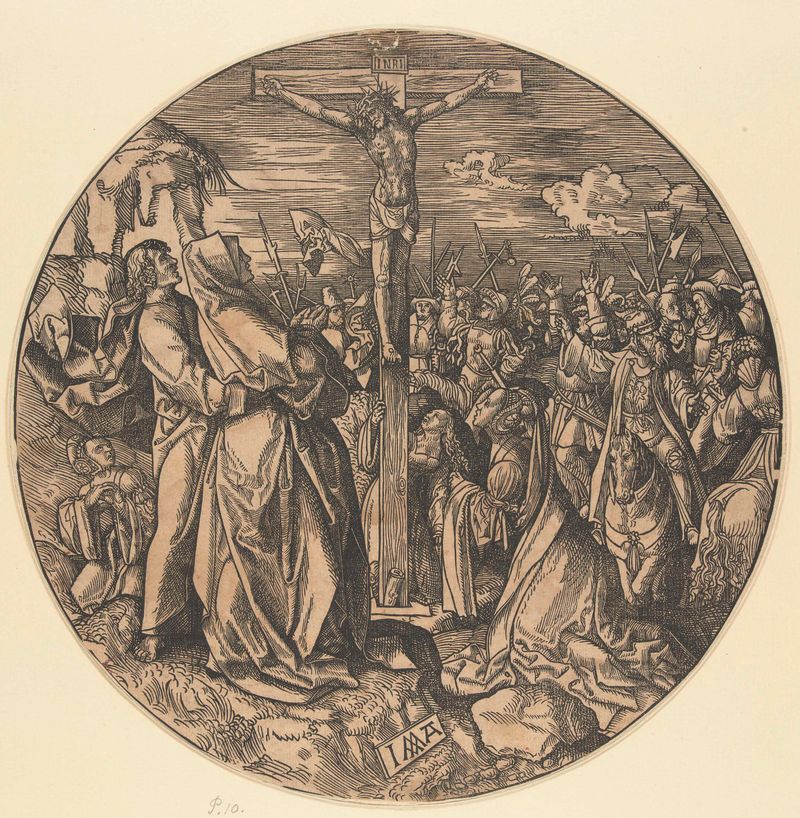
Christus aan het kruis
Jacob Cornelisz van Oostsanen

De kruisiging en de graflegging van Christus
Jacob Cornelisz van Oostsanen
More Religious Art
Browse all →
The Return of the Prodigal Son
Rembrandt van Rijn

The Garden of Earthly Delights
El Bosco

Count Orgaz’ funeral
El Greco

The Hundred Guilder Print: the central piece with Christ preaching, the plate arched
Rembrandt van Rijn

The Descent from the Cross
Rogier van der Weyden

The return of the prodigal son
Rembrandt van Rijn