
Blauenstein — History & Facts
What if beauty was never meant to be finished? In Blauenstein, the viewer is enveloped in a moment that teeters between tranquility and unease, drawing us into the artist's contemplative world. Look to the center of the canvas, where the rugged mountain stands resolute against a backdrop of swirling clouds. Notice the stark contrast between the rocky textures of the peaks and the ethereal softness of the sky above. The muted blues and greens create an atmosphere both serene and foreboding, while the brushstrokes evoke a sense of movement, as if the landscape itself breathes with an apprehensive vitality.
This tension invites us to explore the interplay of light and shadow, revealing the beauty that lies within imperfection. As you delve deeper, consider the dualities present: the peaceful bucolic scene juxtaposed with the jagged mountain's formidable presence. Each element speaks to the inherent fear of nature's unpredictability, where beauty is both inviting and menacing. The sweeping landscape elicits a longing for harmony, yet the ruggedness suggests that fear is an inescapable part of existence—an echo of our struggle to reconcile the striking beauty with the potential for chaos. During the years 1840 to 1844, Johann Friedrich Wagner created Blauenstein amidst the burgeoning Romantic movement, which emphasized emotion and the sublime in nature.
Living in Germany, Wagner was influenced by a society grappling with industrialization and shifting cultural values. This painting reflects his desire to capture the magnificence and terror of the natural world, marking a significant moment in his artistic journey.
More Artworks by Johann Friedrich Wagner
Browse all →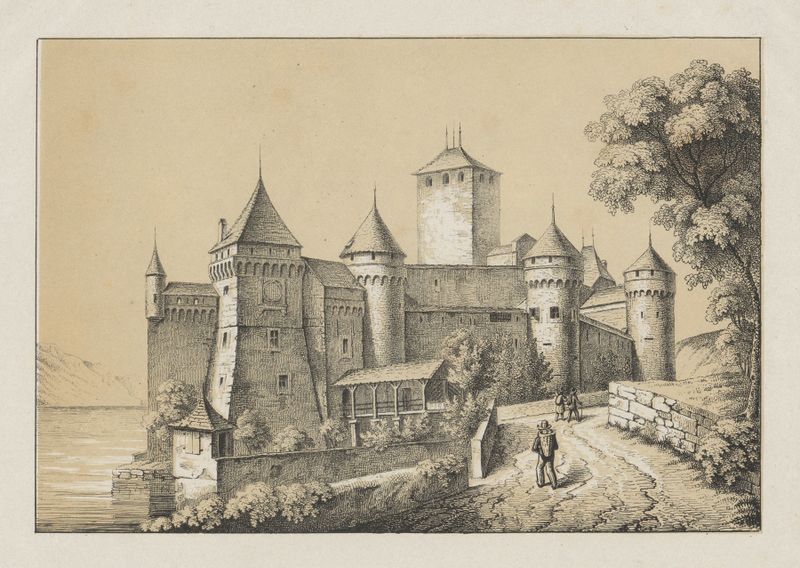
Chillon
Johann Friedrich Wagner

Valangin
Johann Friedrich Wagner
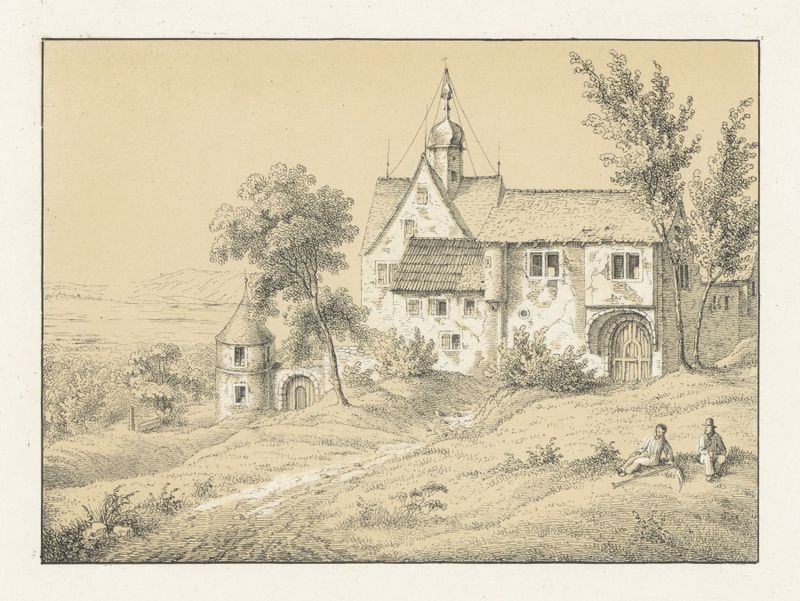
Greifenstein
Johann Friedrich Wagner

Vorburg
Johann Friedrich Wagner
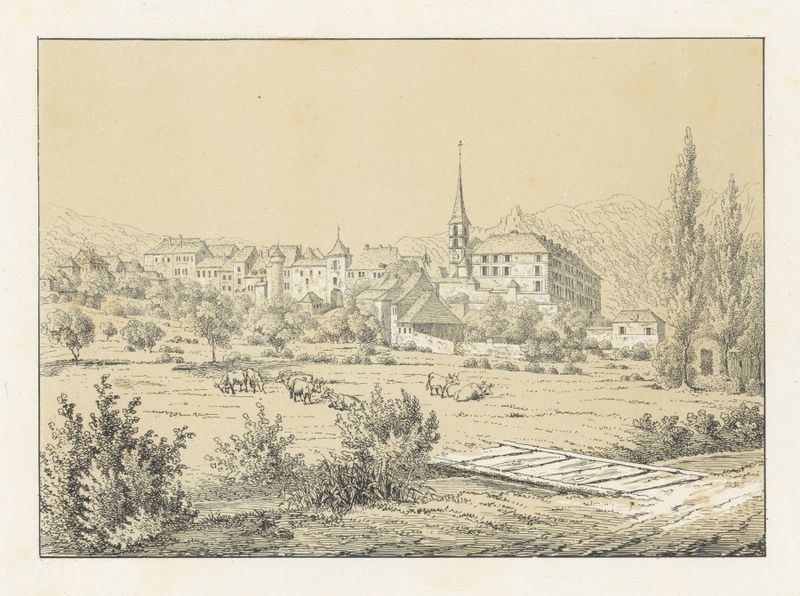
Delémont
Johann Friedrich Wagner

Pleujouse
Johann Friedrich Wagner

Challay
Johann Friedrich Wagner
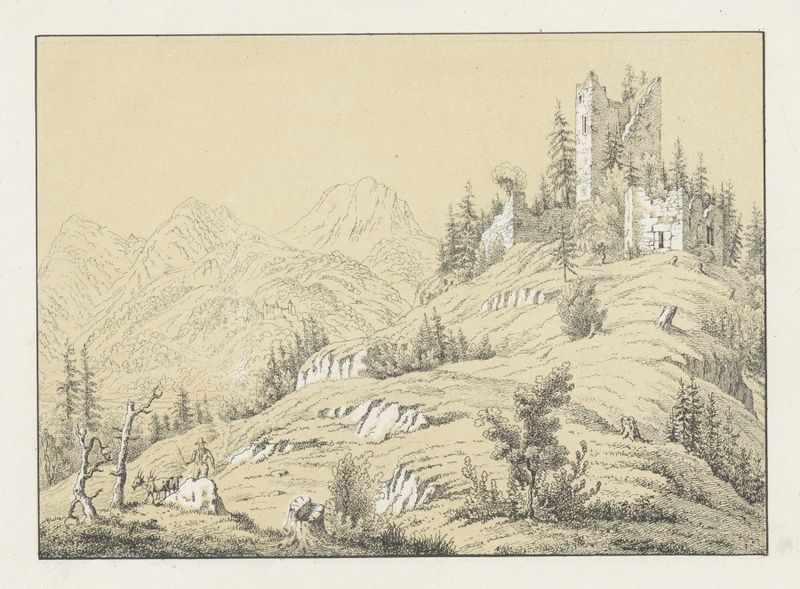
Mont Salvant
Johann Friedrich Wagner
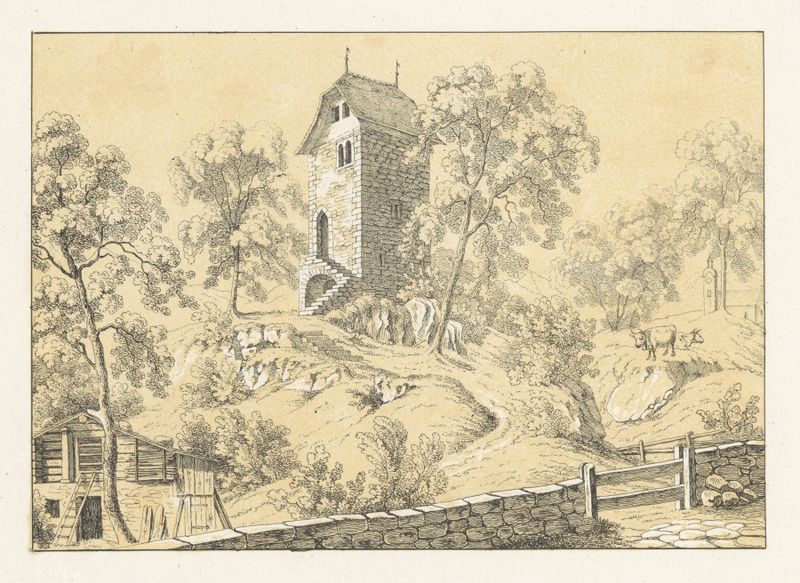
Aha. Od. Untere Burg von Sarnen
Johann Friedrich Wagner
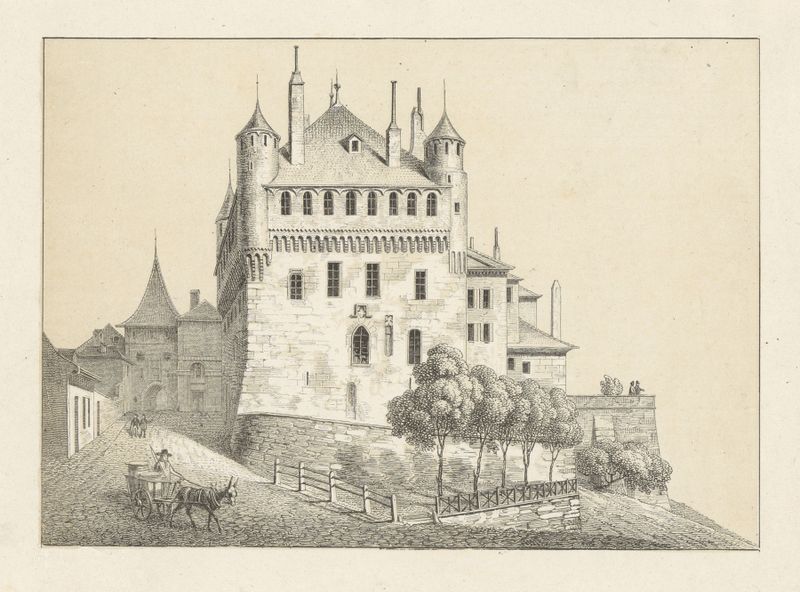
Lausanne
Johann Friedrich Wagner





