
Blick auf Dornbirn — History & Facts
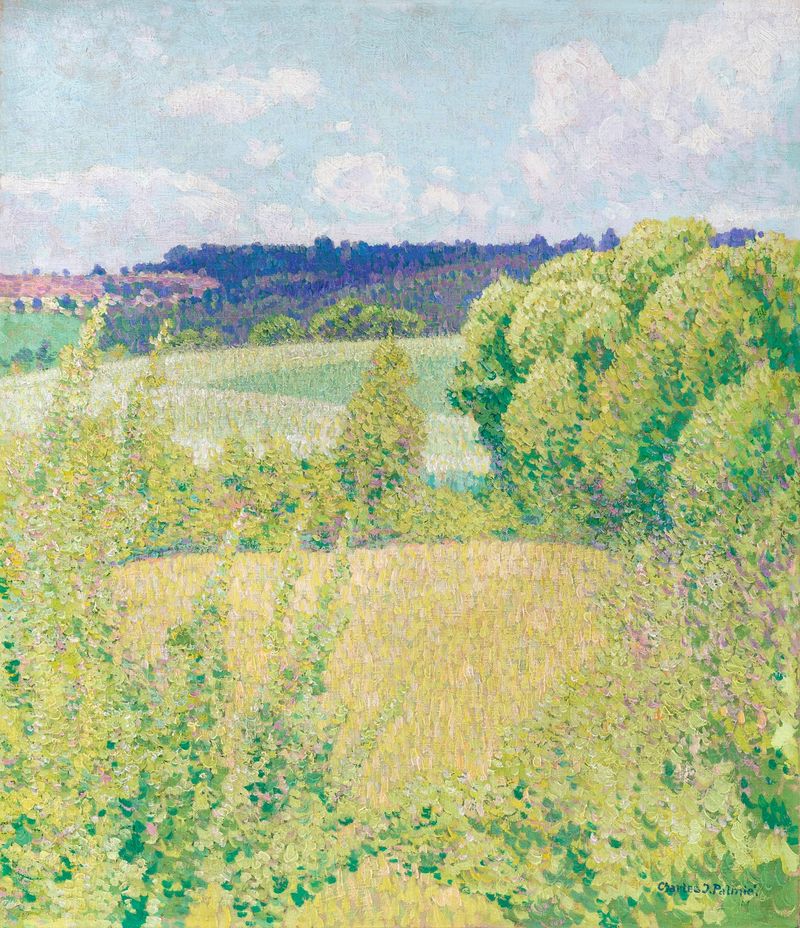
Can paint confess what words never could? In Blick auf Dornbirn, the canvas resonates with a profound sense of balance, inviting viewers to contemplate the harmony between nature and architecture, stillness and movement. Look to the foreground, where soft greens of the lush landscape cradle the quaint structures of Dornbirn. The artist employs a delicate play of light, illuminating the rooftops as if they bask in the warm embrace of dawn. Notice how the gentle blues of the mountains recede in the background, creating a tranquil contrast to the vibrant hues in the foreground.
The composition guides the eye gracefully, harmonizing the scene through careful arrangement and layering that evoke a serene sense of place. Delve deeper into the interplay of light and shadow, which reveals the emotional undercurrents within the landscape. The bright areas suggest warmth and life, while the shadows hint at the mysteries lurking in the unseen spaces. The juxtaposition of the natural and manmade highlights a tension between progress and preservation, raising questions about the relationship between humanity and its environment.
Each brushstroke captures not just the physical form of Dornbirn, but its spirit, echoing the balance that defines the region's character. In 1907, Charles Johann Palmié painted Blick auf Dornbirn while firmly establishing his reputation within the art world. Living in Vienna during a time of artistic upheaval, he was influenced by the burgeoning Vienna Secession movement, which sought to challenge traditional boundaries in art. Palmié's work reflects both a personal journey and a broader cultural dialogue about representation, bringing forth a vision that resonates with both nostalgia and contemplation.
More Artworks by Charles Johann Palmié
Browse all →
Am Karlstor, München
Charles Johann Palmié

München bei Nacht – Marienplatz
Charles Johann Palmié
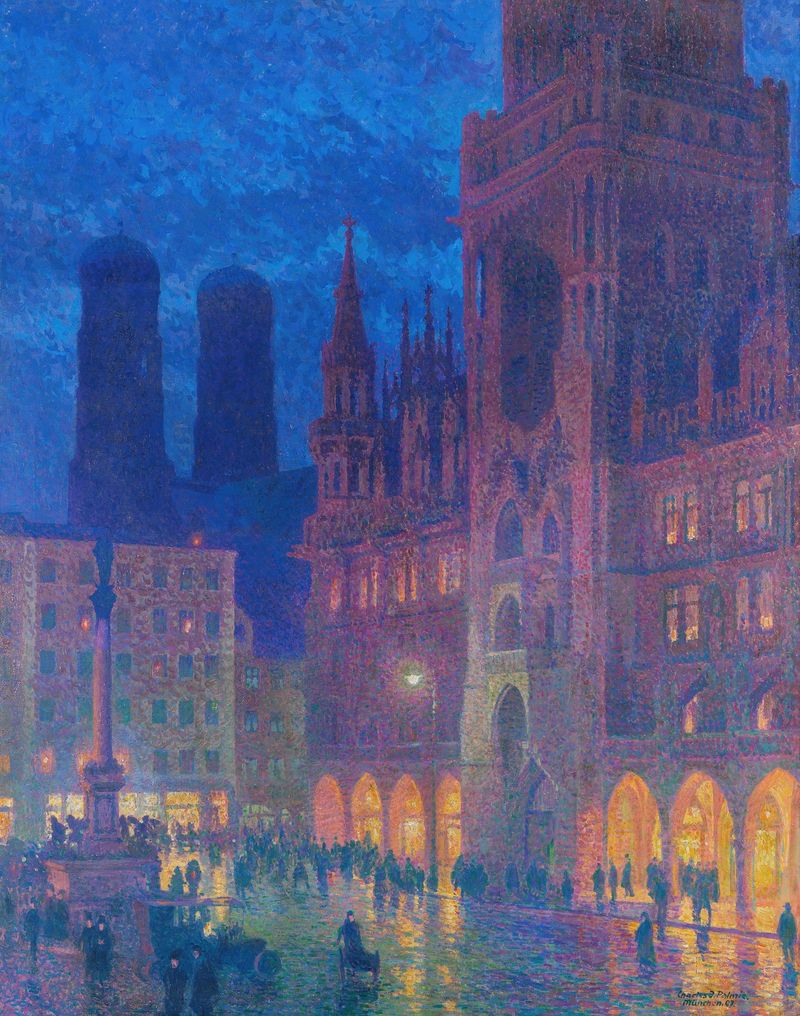
München, Marienplatz
Charles Johann Palmié

München, Marienplatz
Charles Johann Palmié

Blick über München mit dem Turm des neuen Rathauses
Charles Johann Palmié
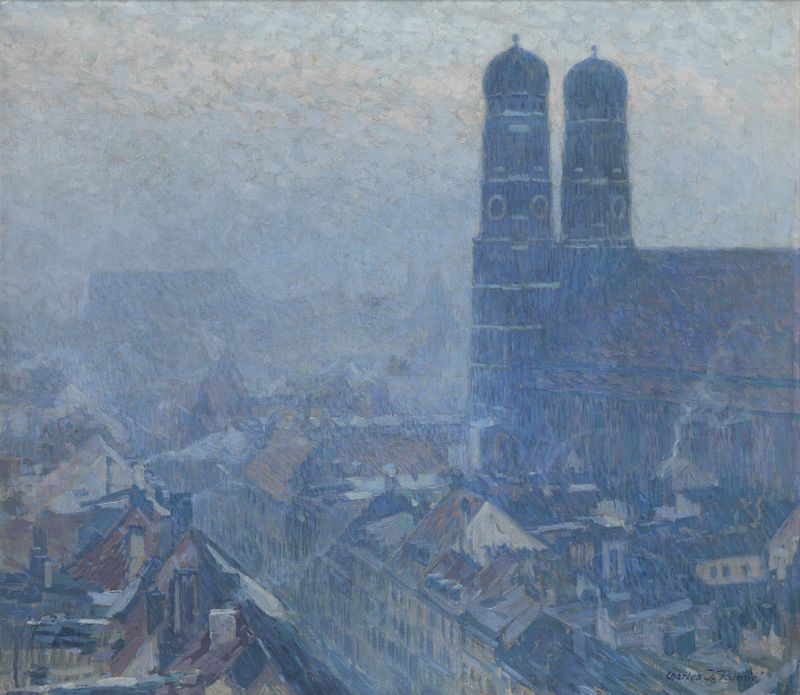
Blick über München mit der Frauenkirche
Charles Johann Palmié
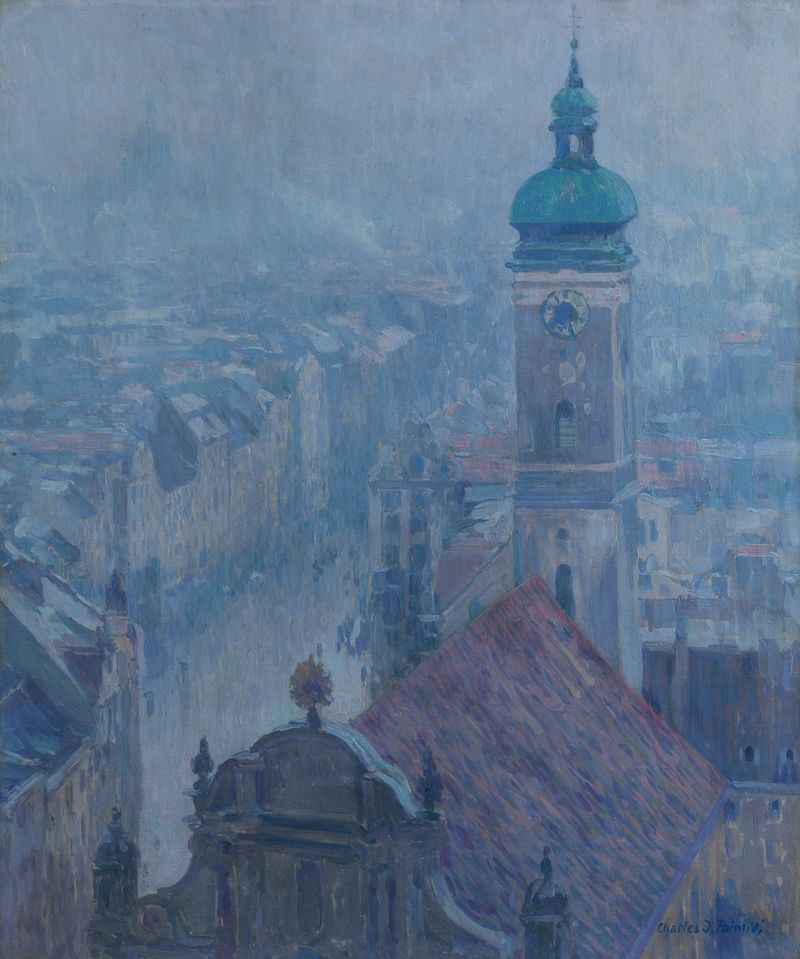
Blick auf München vom Alten Peter
Charles Johann Palmié

Pappelallee in Giverny
Charles Johann Palmié
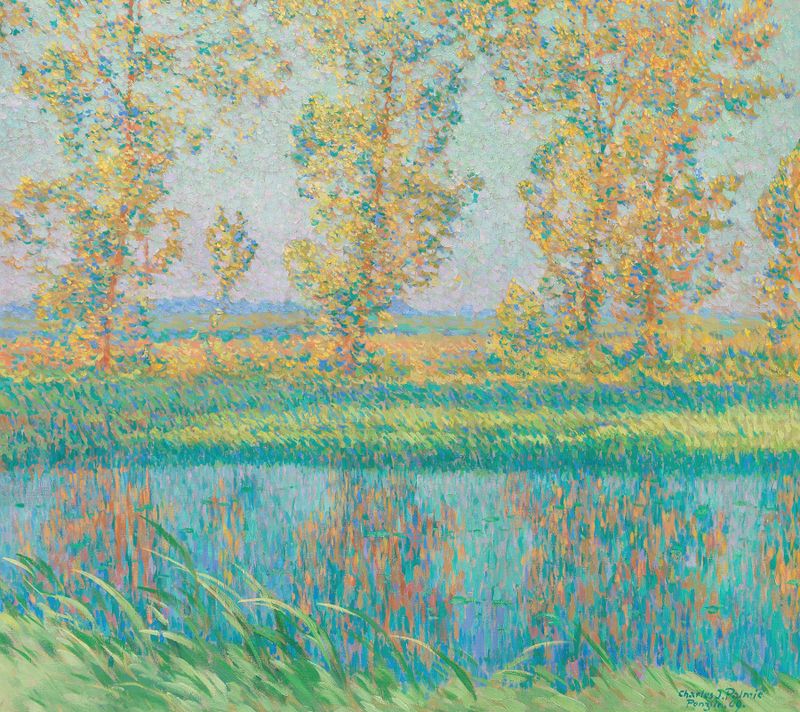
Sommerlandschaft
Charles Johann Palmié
Sommerlandschaft
Charles Johann Palmié





