
Blois on the Loire — History & Facts
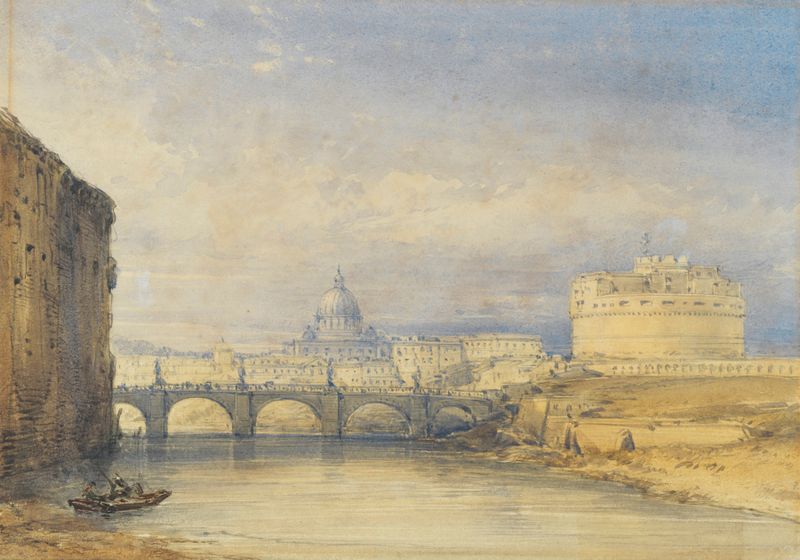
What secret hides in the quiet of the canvas? The stillness envelops the viewer, inviting a deep reflection on the past, the fleeting nature of life, and the whispers of grief that linger in the air. Focus on the horizon, where the soft, muted tones of the sky bleed into the gentle currents of the Loire, creating a serene yet melancholic backdrop. Notice how the delicate brushstrokes capture the soft embrace of twilight, illuminating the quaint town of Blois nestled among the trees. The architecture stands proud yet solemn, with each building softly mirroring the sadness of a memory captured in time. As you explore further, the contrast between the warm colors of the sunset and the cool hues of the water reveals an emotional tension.
The stillness of the river, while beautiful, evokes a sense of loss—a longing for moments that have slipped away. Look closely at the reflections in the water; they tell an unspoken story of what was once vibrant and alive, now filtered through a veil of nostalgia. William Callow painted this piece in 1856 while living in England, a time when the Pre-Raphaelite movement was influencing artists to explore deeper emotional resonance in their work. The mid-19th century was marked by a yearning for romanticism, and as Callow navigated through personal experiences of loss, Blois on the Loire became a vessel for expressing both beauty and sorrow, capturing a moment that transcends time.
More Artworks by William Callow
Browse all →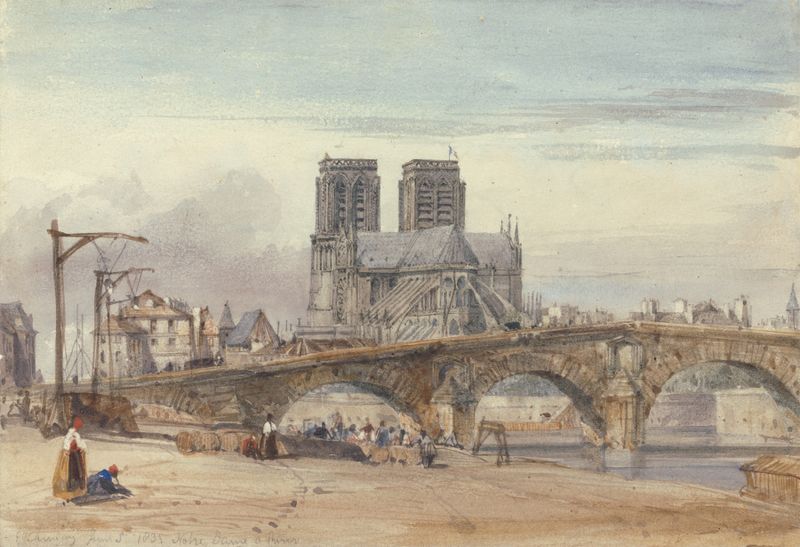
Notre Dame, Paris
William Callow
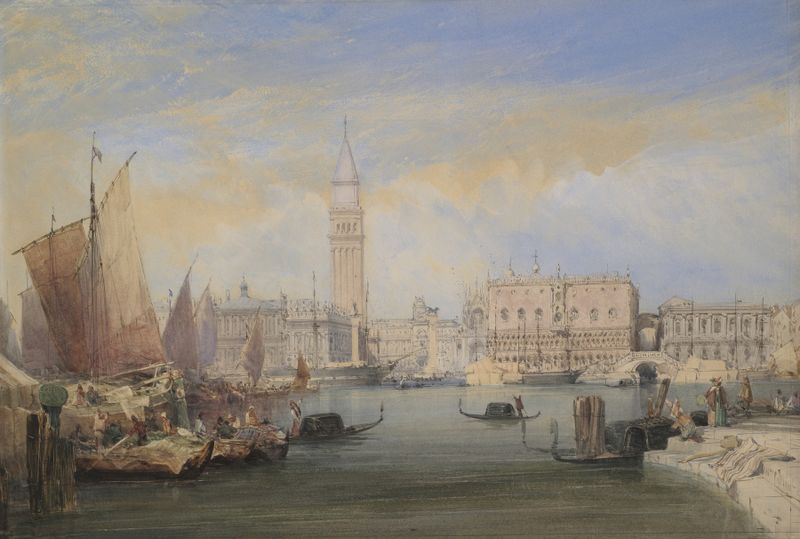
Venice from St. Giorgio
William Callow
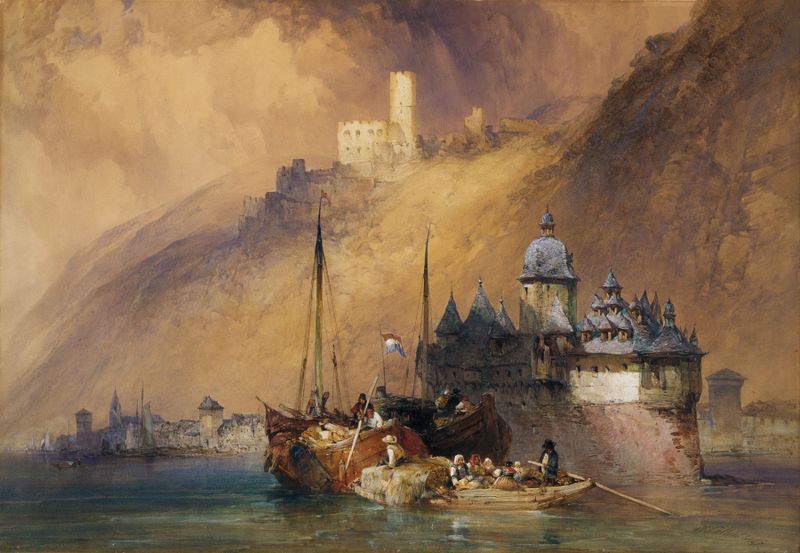
The Phalz Castle on the Rhine
William Callow

The Luxor, Paris, December 1833
William Callow

On the Wharfe, Bolton Abbey
William Callow

Caesar’s Tower, Warwick Castle
William Callow
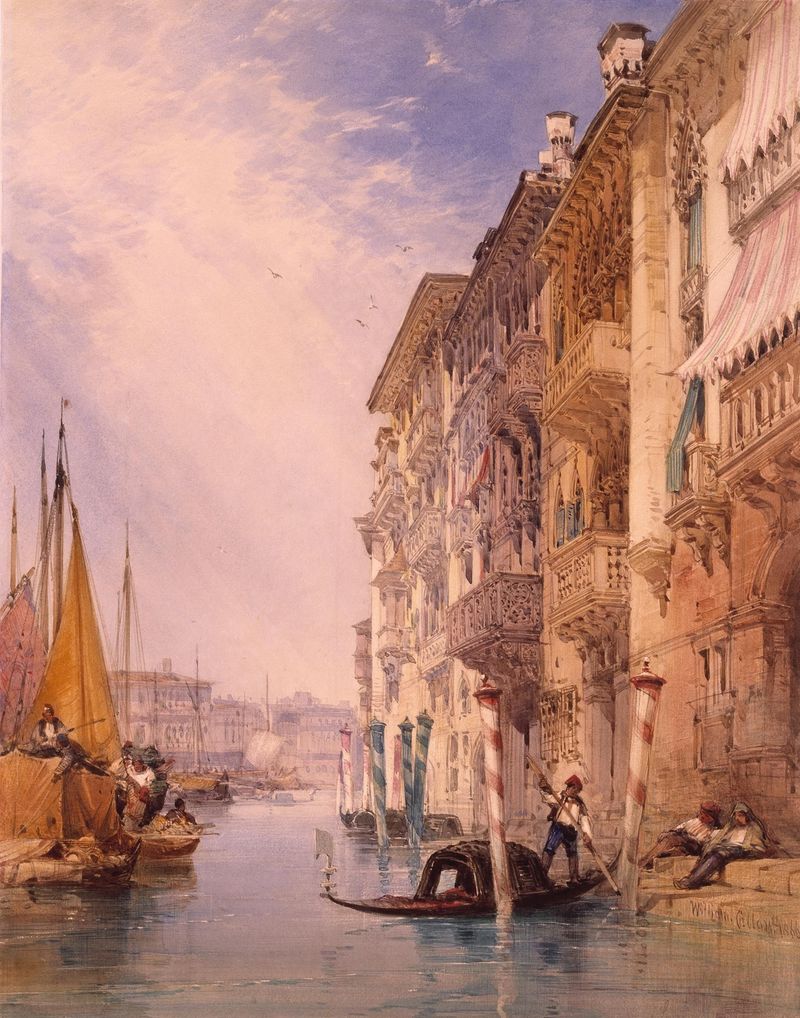
A Gondola on the Grand Canal, Venice
William Callow

Rheinfels and St. Goar
William Callow
Castel Sant’Angelo, Rome
William Callow

Entering Harbour
William Callow





