
Blonay — History & Facts
What if silence could speak through light? In Blonay, the interplay of shadows and hues unveils a profound loneliness that echoes through time and space. Look to the left at the serene mountains, their gentle slopes bathed in a soft, ethereal glow, creating a tranquil yet distant backdrop. The composition is anchored by a solitary figure standing at the edge of the frame, rendered in muted tones that blend seamlessly with the landscape. Notice how the light cascades down to illuminate the figure's posture, a subtle droop hinting at introspection.
The palette, dominated by cool blues and grays, envelops the scene in a poignant atmosphere, inviting contemplation. The emotional tension lies not only in the isolation of the figure but also in the striking contrast between the vibrant landscape and the subdued human presence. While the mountains exude a sense of grandeur and permanence, the figure's stillness captures a moment of vulnerability. This juxtaposition speaks volumes—the vastness of nature can both uplift and magnify one’s sense of solitude.
Each brushstroke within the scenery seems to whisper tales of longing, echoing the silent conversations we have with ourselves. During the years 1840 to 1844, Johann Friedrich Wagner was crafting works that reflected the burgeoning Romantic movement, where nature was often portrayed as a powerful, solitary force. Living in Switzerland, he was amidst the picturesque landscapes that inspired many artists of his time, yet his own artistic journey was marked by a search for deeper emotional truths within the serene beauty that surrounded him.
More Artworks by Johann Friedrich Wagner
Browse all →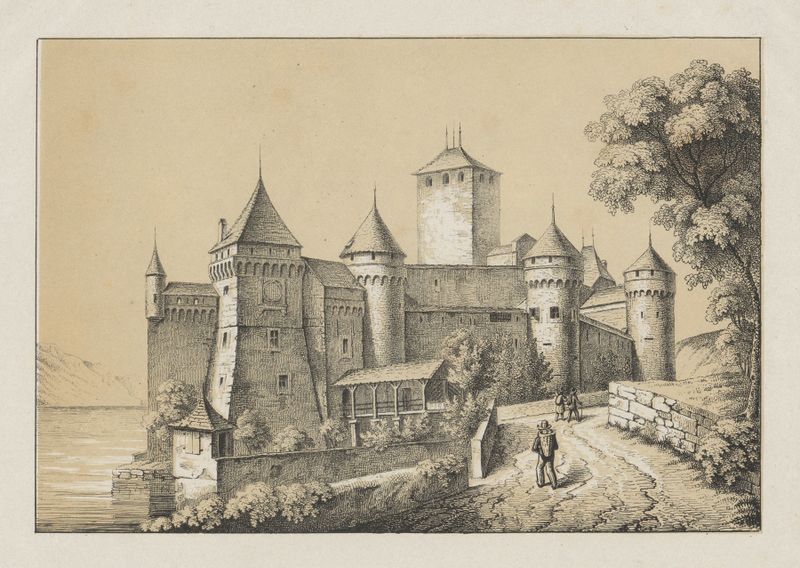
Chillon
Johann Friedrich Wagner

Valangin
Johann Friedrich Wagner
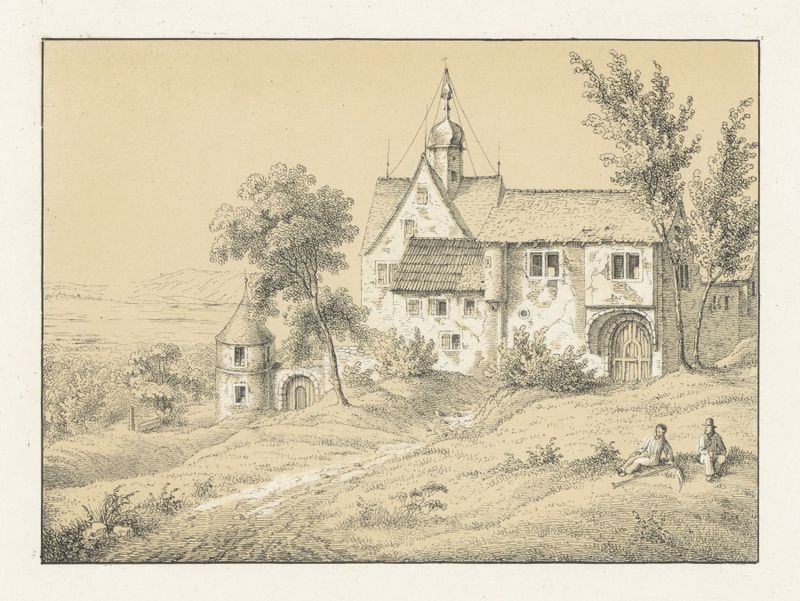
Greifenstein
Johann Friedrich Wagner

Vorburg
Johann Friedrich Wagner
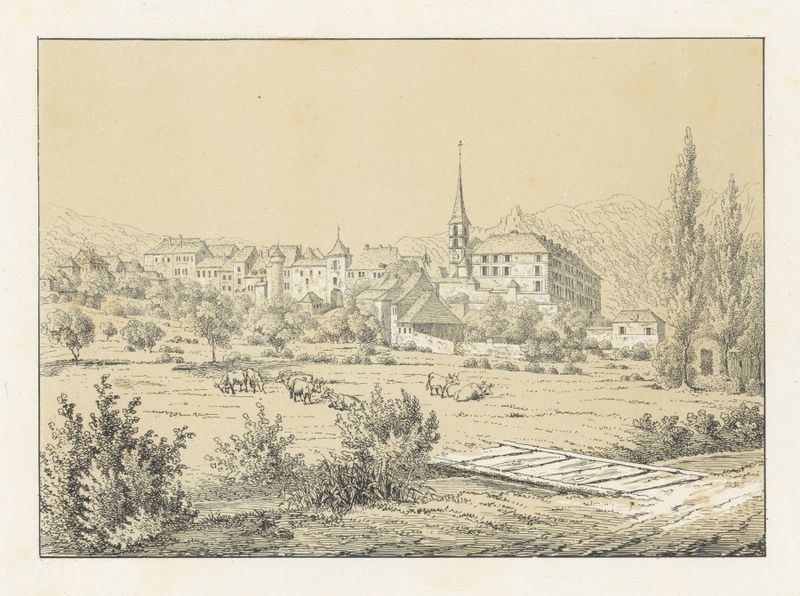
Delémont
Johann Friedrich Wagner

Pleujouse
Johann Friedrich Wagner

Challay
Johann Friedrich Wagner
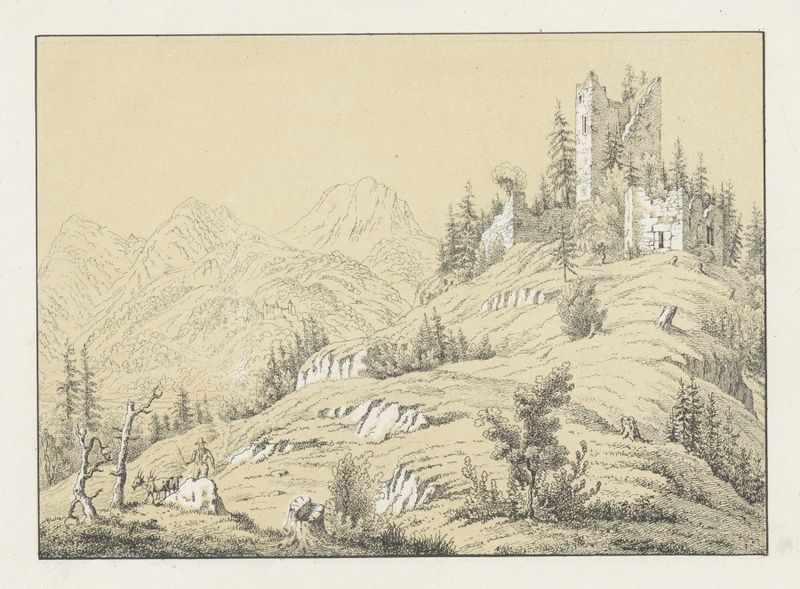
Mont Salvant
Johann Friedrich Wagner
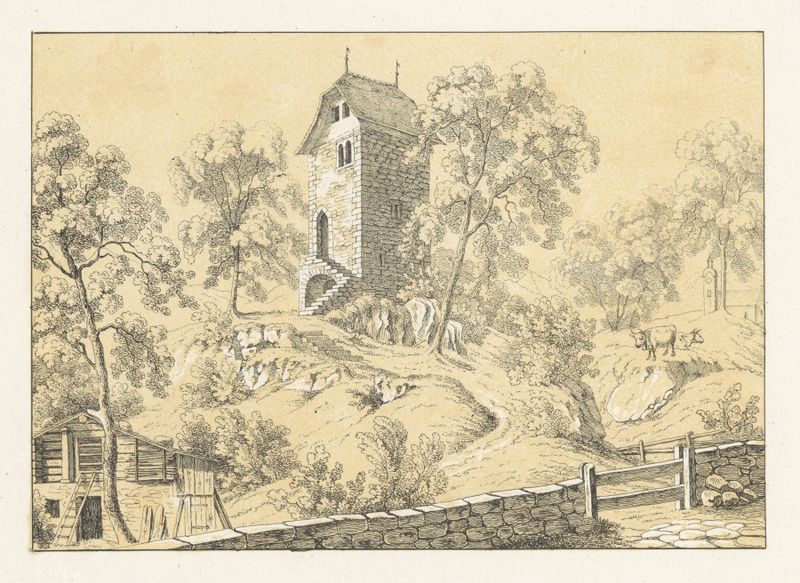
Aha. Od. Untere Burg von Sarnen
Johann Friedrich Wagner
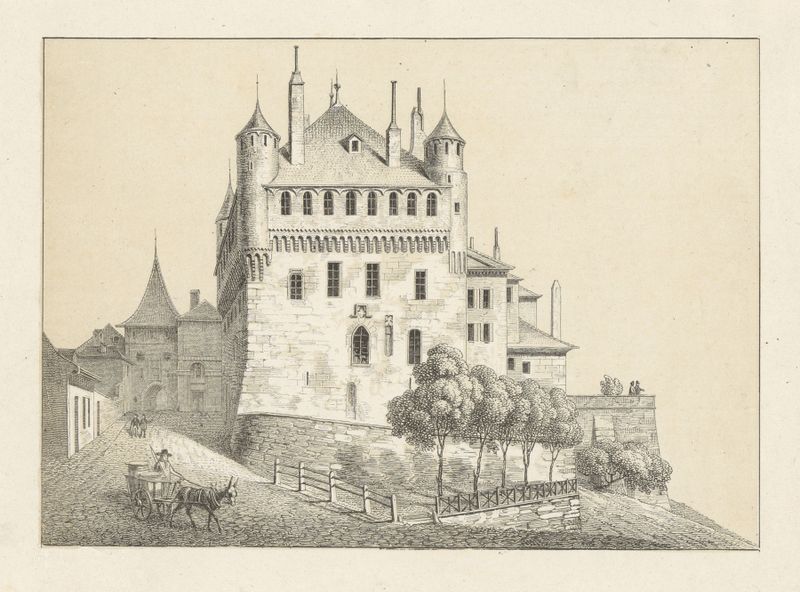
Lausanne
Johann Friedrich Wagner





