Blossoms at Giverny — History & Facts
What secret hides in the quiet of the canvas? The soft interplay of colors and the gentle embrace of nature speaks of fleeting moments and deep reflections, inviting us to linger a while longer. Look to the left at the delicate clusters of pink and white blossoms, each petal capturing the light with a luminous softness. Notice how the brushwork reveals a harmony between spontaneity and careful observation, with strokes that evoke the wind's gentle caress. The verdant greens surrounding the flowers create a lush tapestry, accentuating the tender vibrancy of spring, while hints of blue in the background suggest a distant sky, evoking a tranquil yet poignant atmosphere. In this piece, melancholy intertwines with beauty, as the flowers symbolize both the ephemeral nature of life and the enduring passage of time.
The contrast between the vivid blossoms and the muted background reflects the tension between joy and sorrow, hinting at the transitory moments that define our existence. Each bloom is a reminder of the fragility of beauty, capturing a moment that is both vibrant and tinged with longing. Theodore Robinson painted Blossoms at Giverny during a pivotal period in his artistic journey, between 1891 and 1892, while living in France. This was a time of great innovation in the art world, as Impressionism blossomed and transformed the landscape of visual expression.
Influenced by his contemporaries, Robinson sought to capture the enchanting qualities of light and color, embracing both the immediacy of nature and a deep emotional resonance in his work.
More Artworks by Theodore Robinson
Browse all →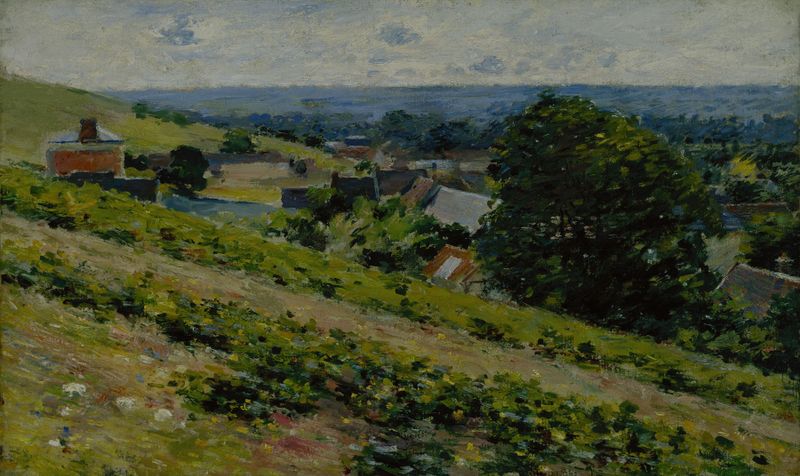
From the Hill, Giverny
Theodore Robinson

Giverny
Theodore Robinson

Old Church At Giverny
Theodore Robinson
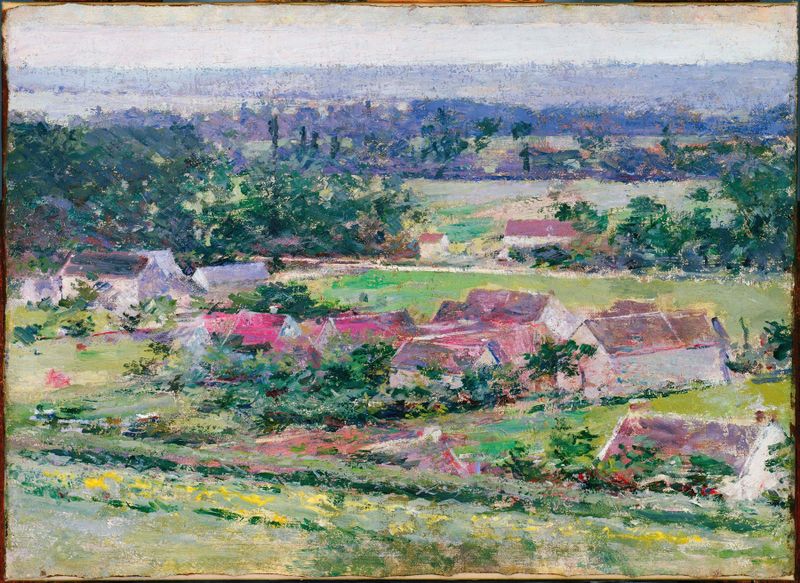
Giverny
Theodore Robinson
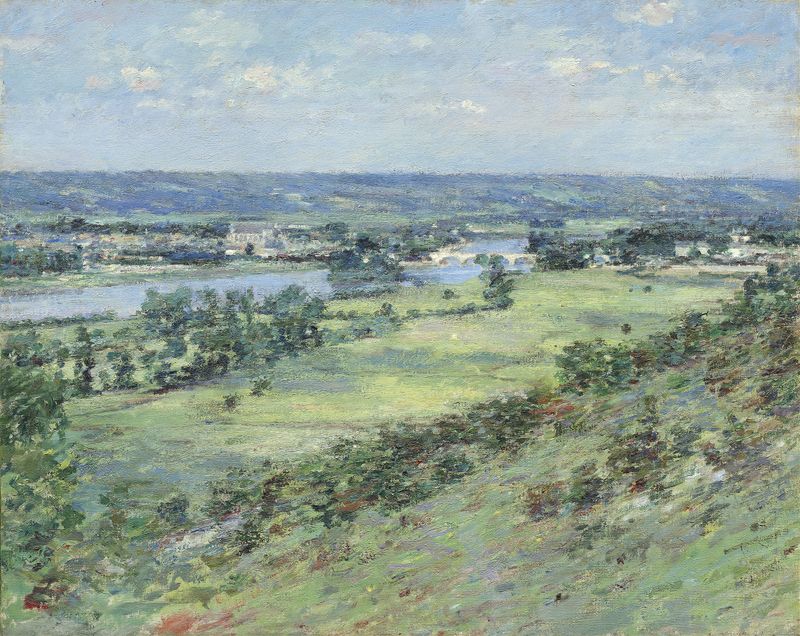
The Valley of the Seine,from the Hills of Giverny
Theodore Robinson
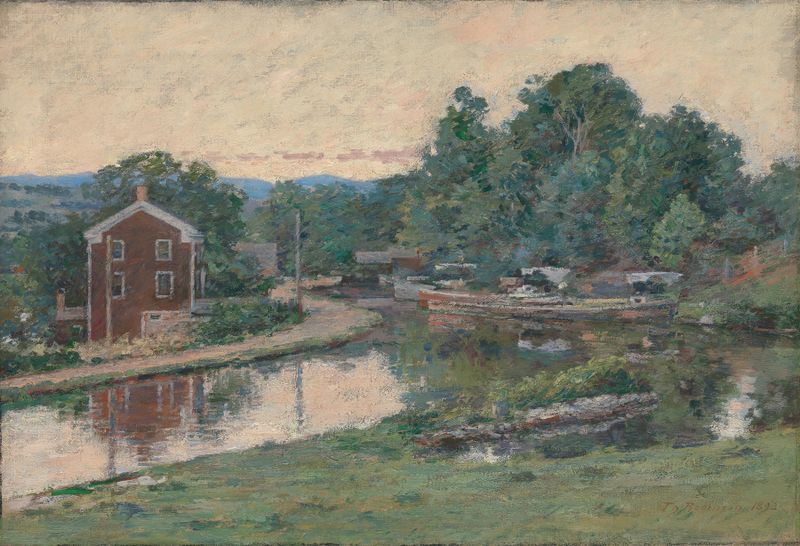
Evening at the Lock, Napanoch, New York
Theodore Robinson
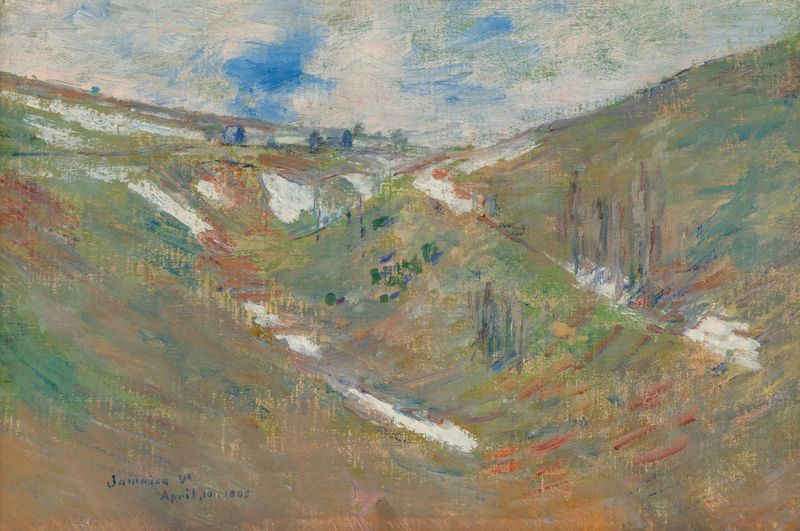
Jamaica, Vermont
Theodore Robinson
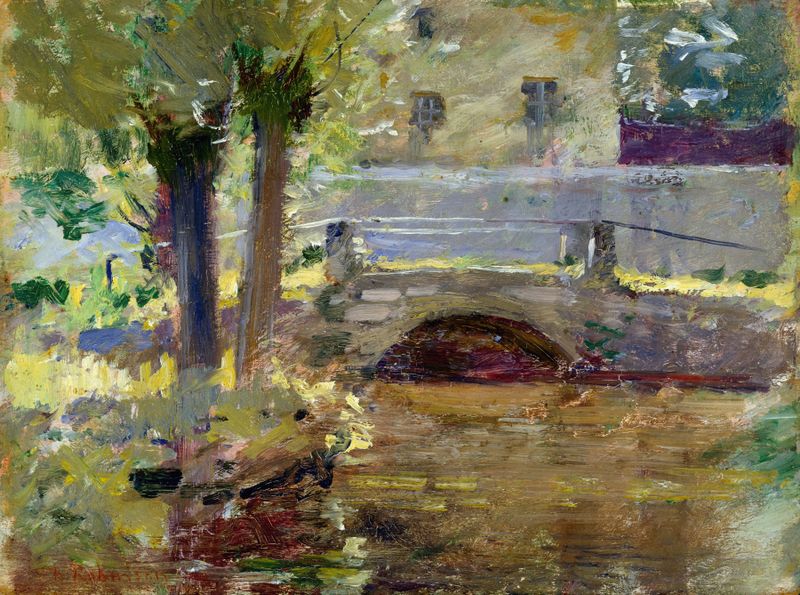
The Bridge at Giverny
Theodore Robinson

House In Virginia
Theodore Robinson
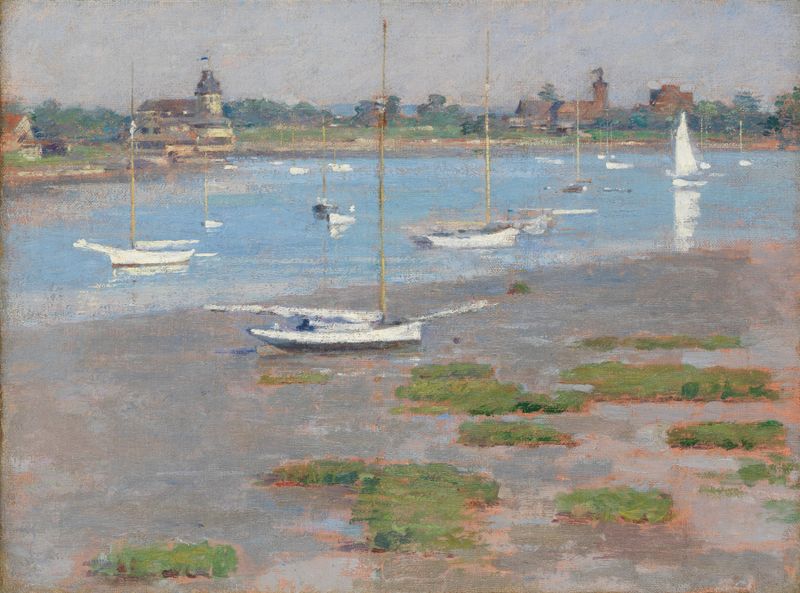
Low Tide, Riverside Yacht Club
Theodore Robinson