
Blue Bay — History & Facts
A single white horse stands at the water’s edge, its reflection barely disturbed by the ripples of a blue bay that seems to glow against the muted greens and ochres of the land. The path curves gently through the foreground, leading the eye past small, lively figures—perhaps children or travelers—caught mid-motion, their gestures animated and fleeting. The distant mountains, rendered in cool, hazy blues, rise like a memory behind the darker line of pines, while a solitary tree anchors the center, dividing the composition between the intimacy of the foreground and the vast, open sky.
The artist’s brushwork is quick and loose, suggesting a scene glimpsed in passing, where the play of light and color is as important as the figures themselves. Painted in 1920, Blue Bay by Arnold Peter Weisz-Kubínčan belongs to a moment in European art when landscape was both a retreat and a stage for modern experiment. In the wake of the First World War, artists across Central Europe turned to familiar countryside motifs, not only to celebrate nature but to test new ways of seeing and painting. Although little is documented about this specific work, its presence in the Slovak National Gallery hints at the resonance such images held in the region’s cultural memory.
The painting’s modest scale and unfinished edges invite the viewer to linger, to imagine the world just beyond the frame.
Sources: Wikidata Q50680707 · Image source (Wikimedia Commons)
More Artworks by Arnold Peter Weisz-Kubínčan

Landscape with houses
Arnold Peter Weisz-Kubínčan
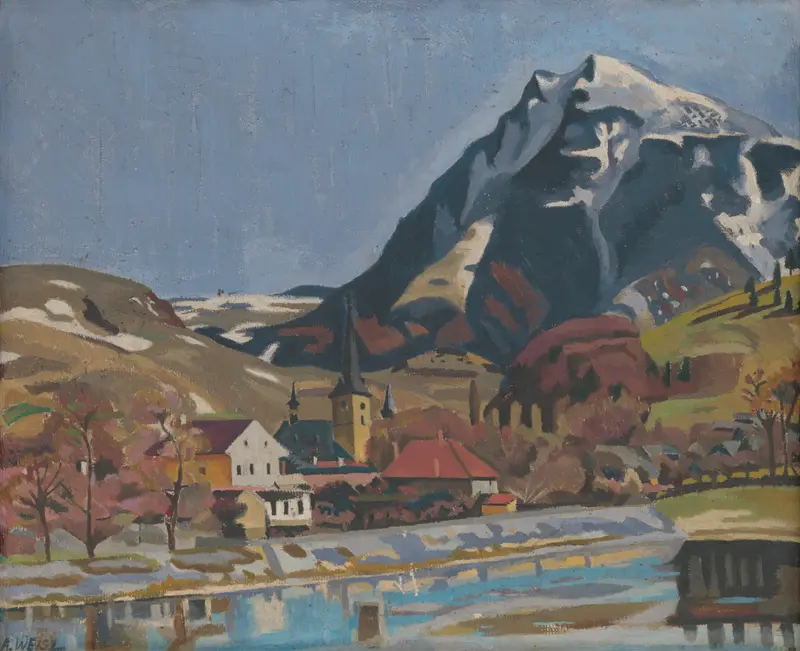
Pohľad na Dolný Kubín O 1923 Orava Gallery
Arnold Peter Weisz-Kubínčan
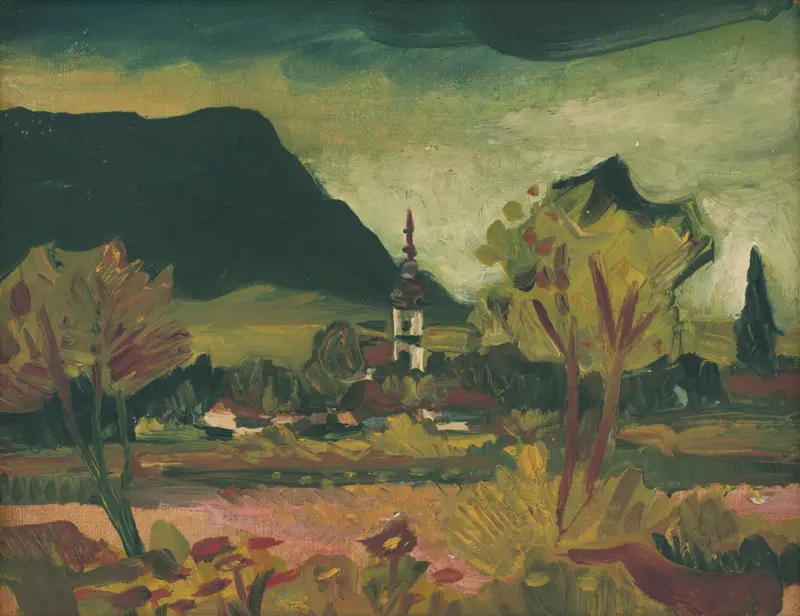
Veličná O 2014 Orava Gallery
Arnold Peter Weisz-Kubínčan
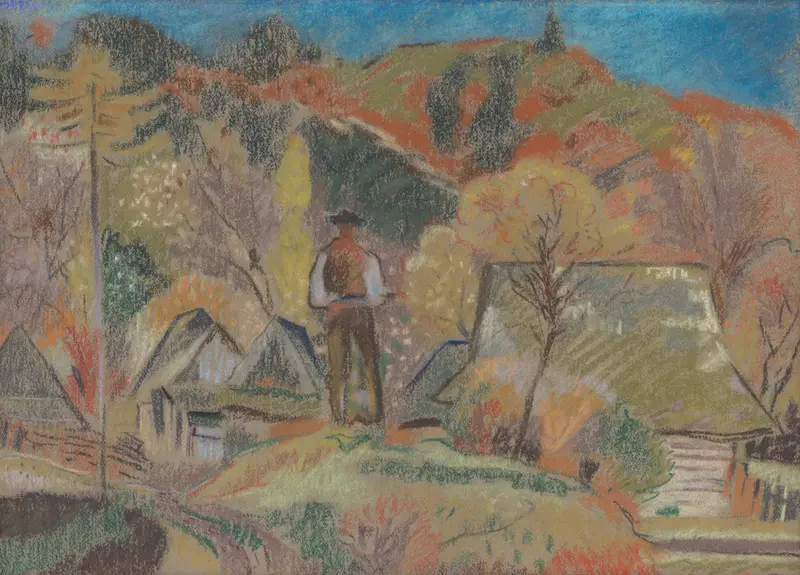
Nad dedinou O 1278 Orava Gallery
Arnold Peter Weisz-Kubínčan
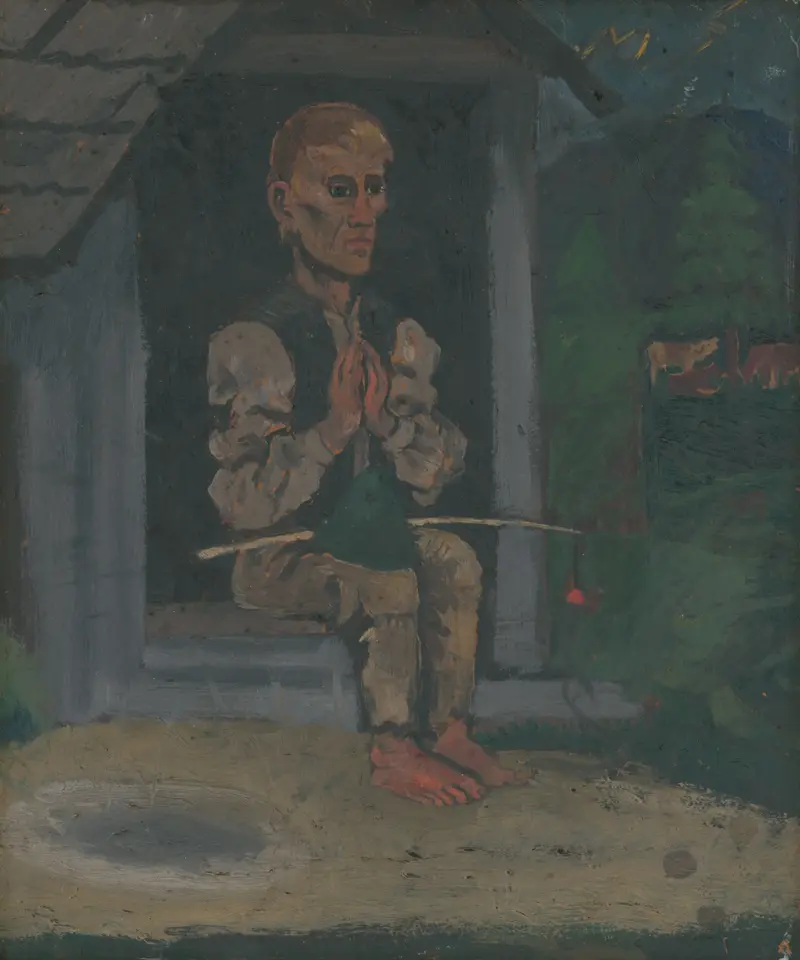
Pastieri O 197 Orava Gallery
Arnold Peter Weisz-Kubínčan
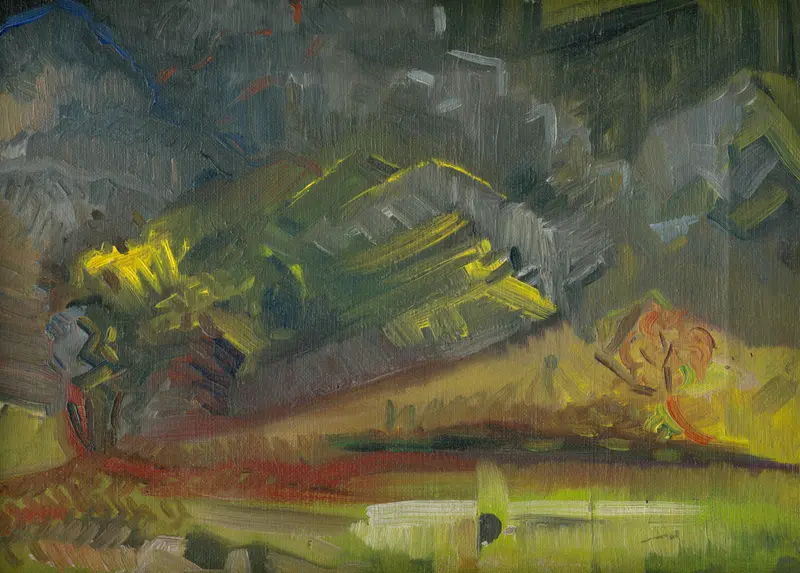
Večerná krajina O 4464 Slovak National Gallery
Arnold Peter Weisz-Kubínčan
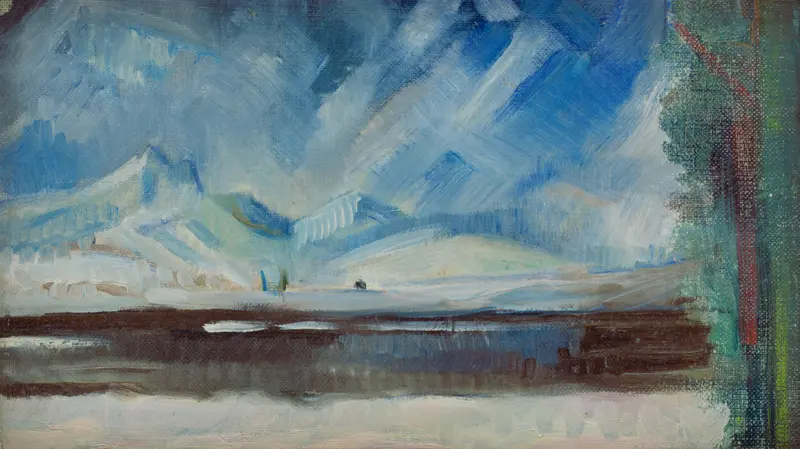
Winter Landscape
Arnold Peter Weisz-Kubínčan
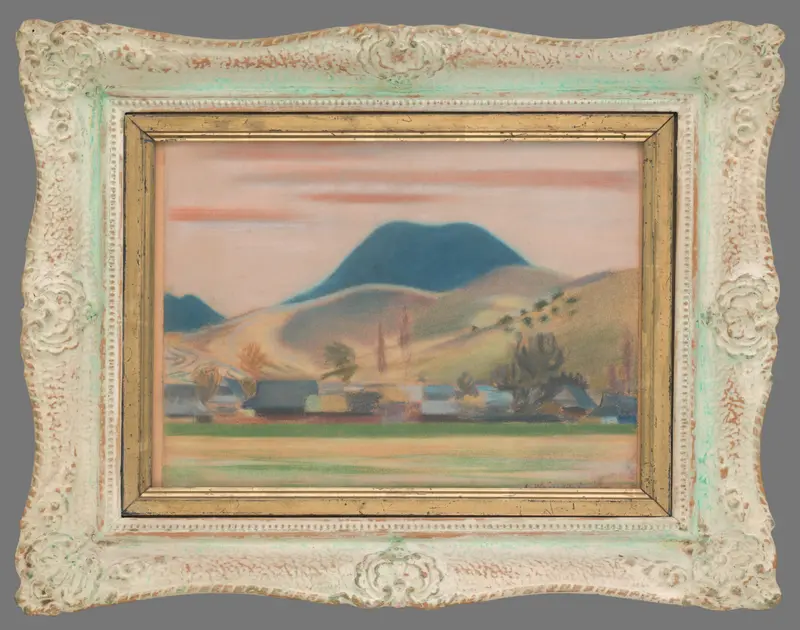
Oravský motív M 357 Ernest Zmeták Art Gallery
Arnold Peter Weisz-Kubínčan
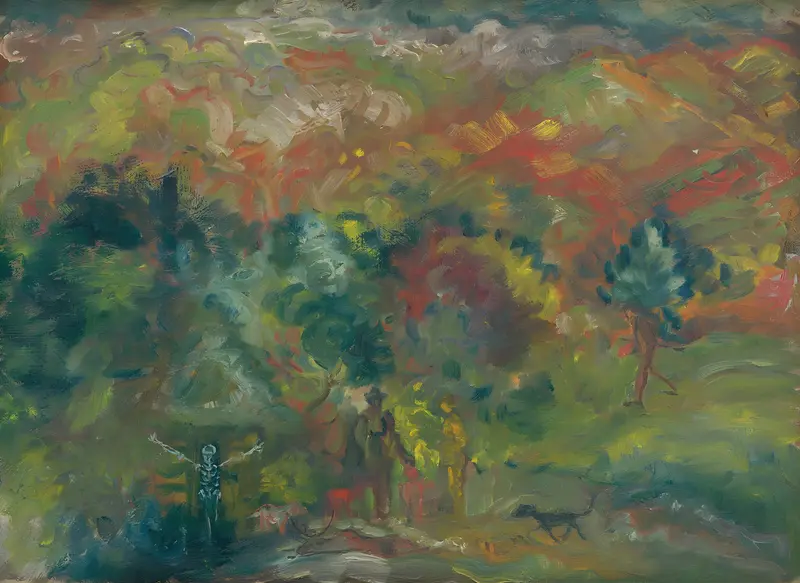
Hunters and Death
Arnold Peter Weisz-Kubínčan

On a Sleigh Arnold
Arnold Peter Weisz-Kubínčan
More Landscape Art

The Starry Night
Vincent van Gogh

View of Delft
Johannes Vermeer

Water Lilies
Claude Monet

The Grand Canal, Venice, looking north-west from the Ca' Corner to the Ca' Contarini degli Scrigni, with the campanile of Santa Maria della Carità
Canaletto

Windsor Castle
Canaletto

The Grand Canal looking North-East from the Palazzo Dolfin-Manin to the Rialto Bridge
Canaletto