
Winter Landscape — History & Facts
What first catches the eye in Winter Landscape by Arnold Peter Weisz-Kubínčan is the sense of movement in the sky—broad, slashing strokes of blue and white sweep across the canvas, as if the wind itself had left its mark. The land below is quiet, almost still, with snowy hills rendered in soft, cool tones, their gentle curves echoing the restless energy above. A single dark line—perhaps a river or road—cuts horizontally through the center, anchoring the composition and separating the sky’s drama from the earth’s calm.
On the right, a vertical band of green and red suggests a tree, its presence both framing the scene and hinting at life persisting through winter’s hush. The brushwork is loose and expressive, drawing the viewer’s attention to the act of painting itself as much as to the landscape it describes. Painted in 1925, this work belongs to a period when artists across Central Europe were experimenting with new ways of seeing and representing the world. The landscape genre, long a staple of European art, was being reshaped by the currents of modernism—artists sought not only to record what they saw, but to convey the sensations and emotions a place could evoke.
Weisz-Kubínčan’s winter scene, now held in the Slovak National Gallery, stands as a quiet testament to this search for new visual language. History has kept few traces of this painter’s life, but in this image, the restless sky and tranquil earth invite us to linger and look again, searching for the stories hidden in the sweep of color.
More Artworks by Arnold Peter Weisz-Kubínčan

Landscape with houses
Arnold Peter Weisz-Kubínčan
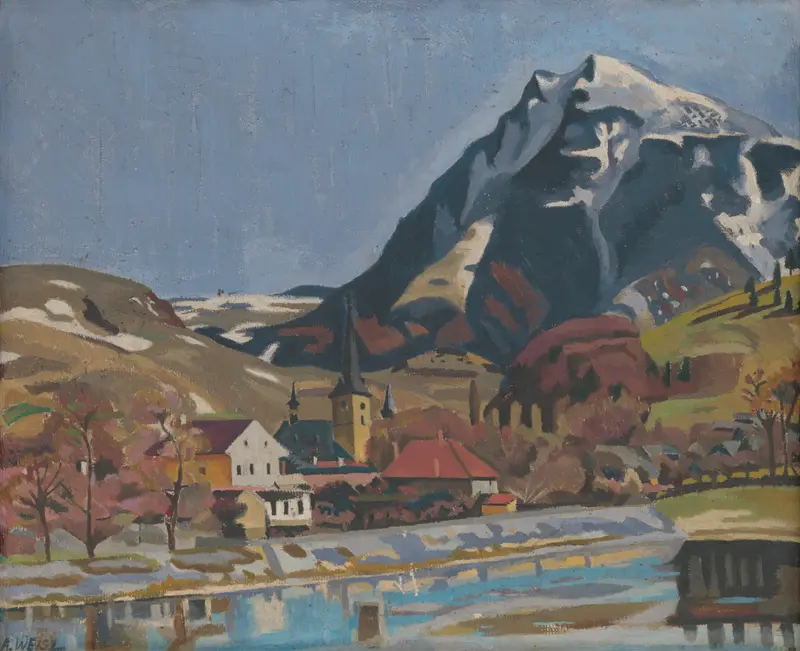
Pohľad na Dolný Kubín O 1923 Orava Gallery
Arnold Peter Weisz-Kubínčan
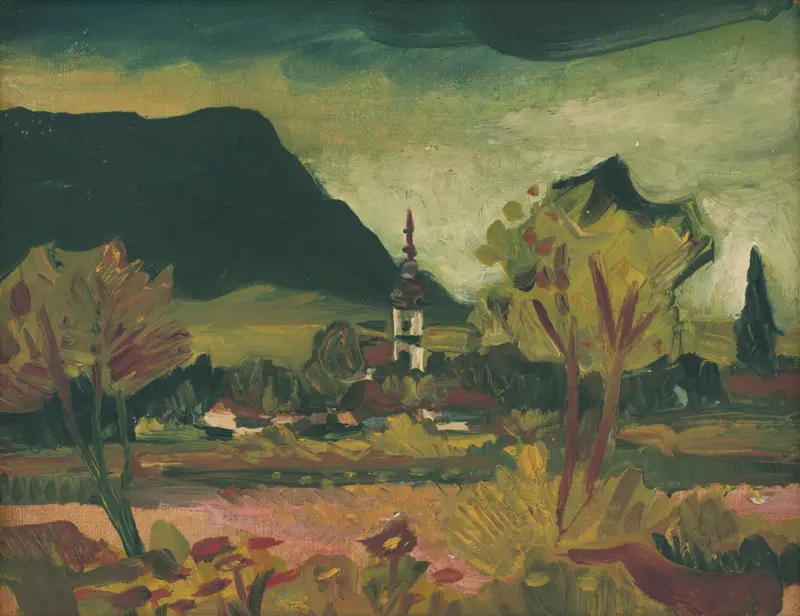
Veličná O 2014 Orava Gallery
Arnold Peter Weisz-Kubínčan
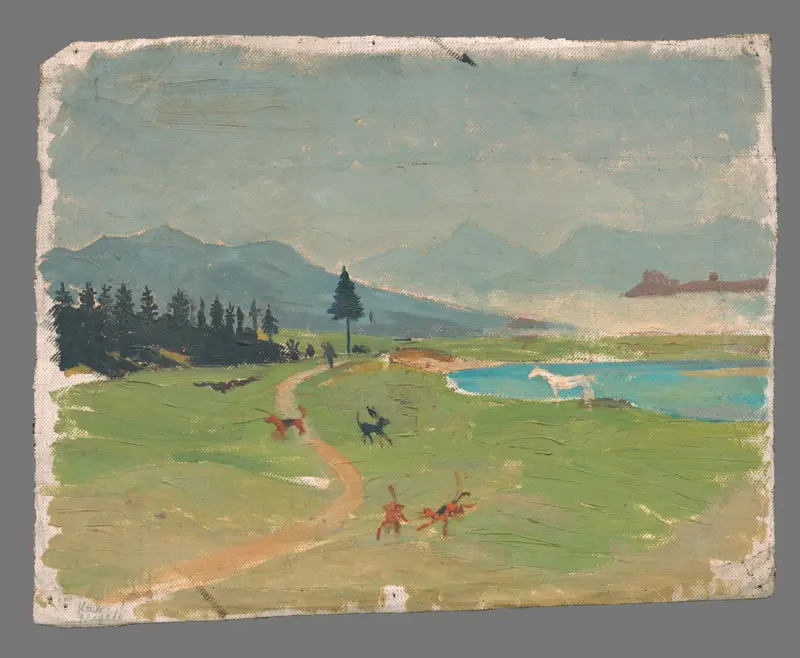
Blue Bay
Arnold Peter Weisz-Kubínčan
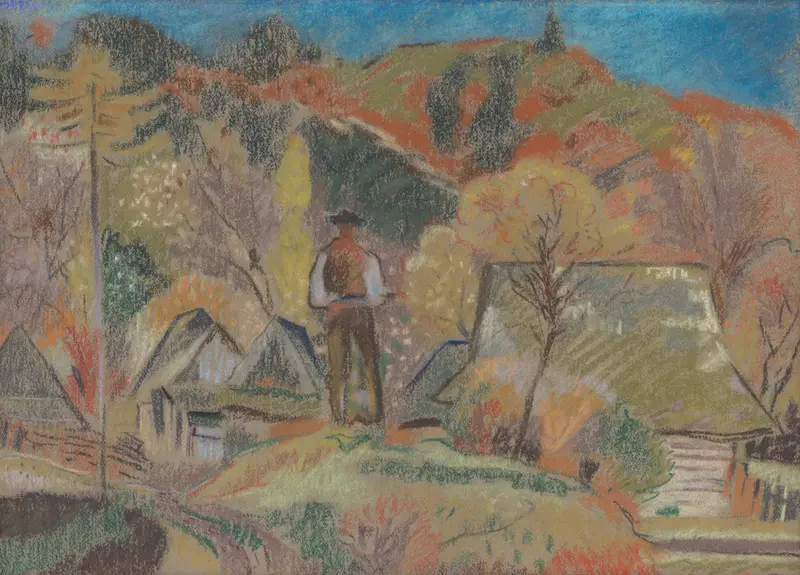
Nad dedinou O 1278 Orava Gallery
Arnold Peter Weisz-Kubínčan
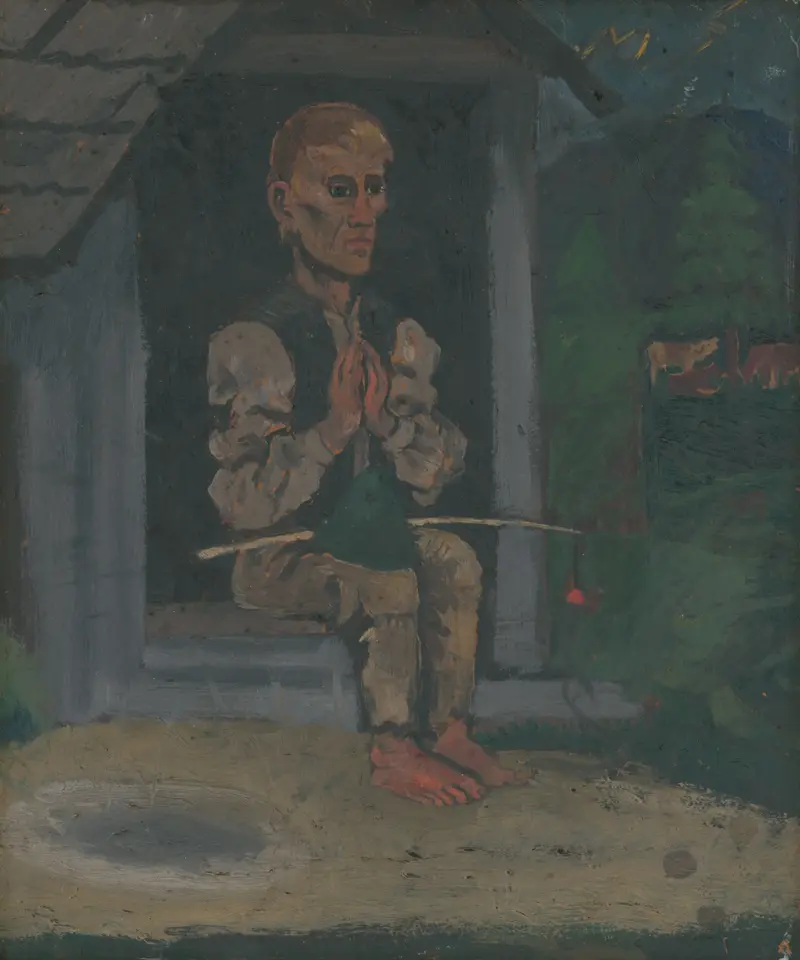
Pastieri O 197 Orava Gallery
Arnold Peter Weisz-Kubínčan
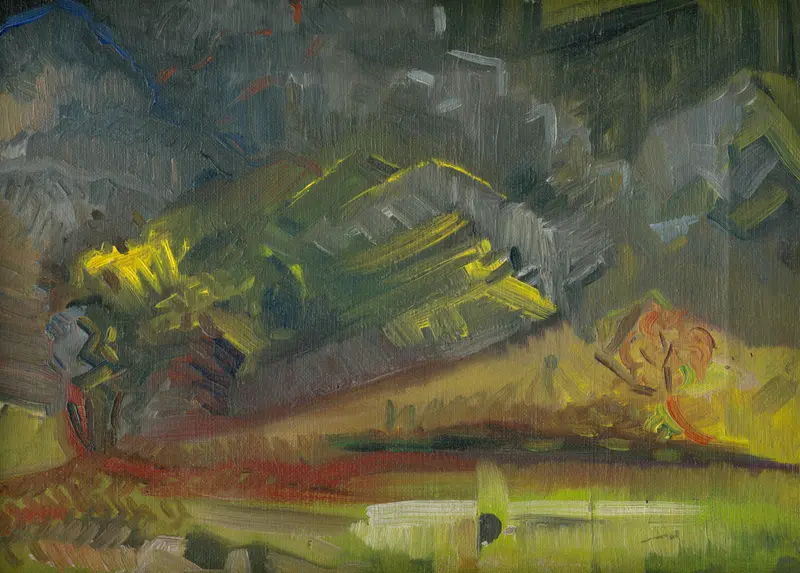
Večerná krajina O 4464 Slovak National Gallery
Arnold Peter Weisz-Kubínčan
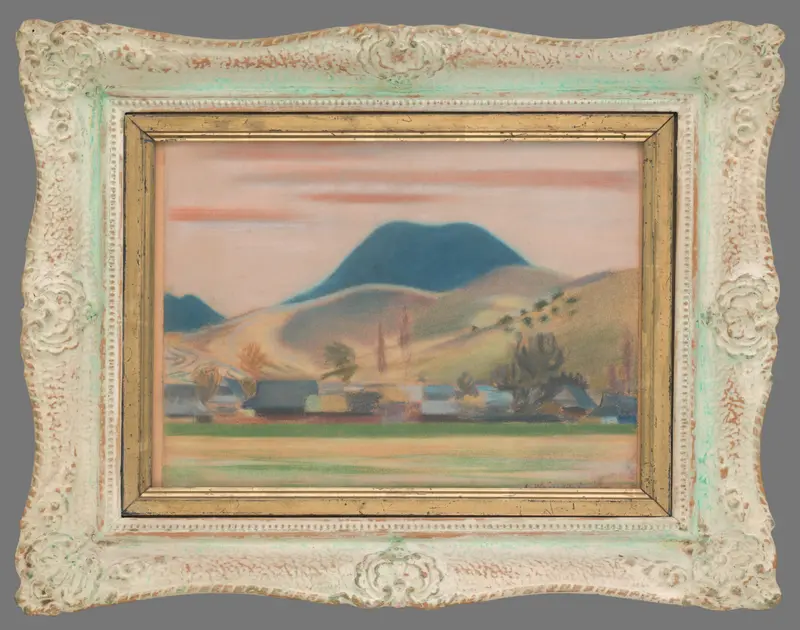
Oravský motív M 357 Ernest Zmeták Art Gallery
Arnold Peter Weisz-Kubínčan
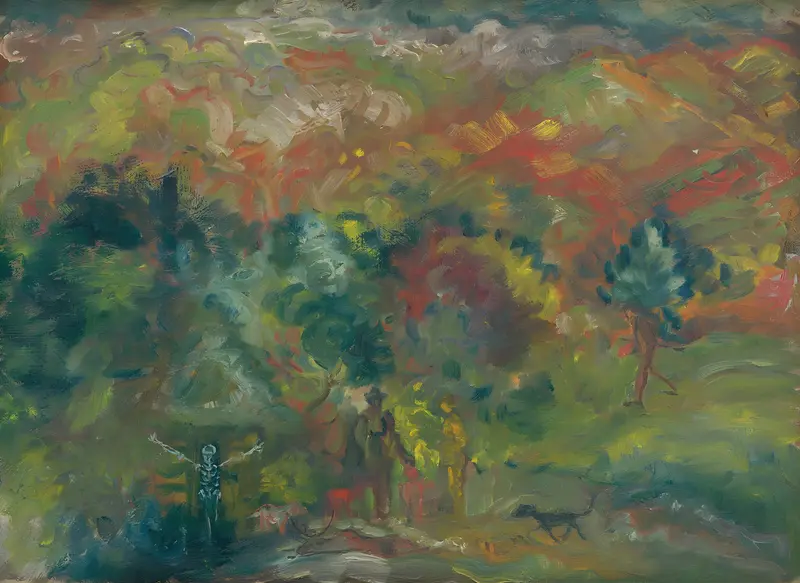
Hunters and Death
Arnold Peter Weisz-Kubínčan

On a Sleigh Arnold
Arnold Peter Weisz-Kubínčan
More Landscape Art

The Starry Night
Vincent van Gogh

View of Delft
Johannes Vermeer

Water Lilies
Claude Monet

The Grand Canal, Venice, looking north-west from the Ca' Corner to the Ca' Contarini degli Scrigni, with the campanile of Santa Maria della Carità
Canaletto

Windsor Castle
Canaletto

The Grand Canal looking North-East from the Palazzo Dolfin-Manin to the Rialto Bridge
Canaletto