
Pohľad na Dolný Kubín O 1923 Orava Gallery — History & Facts
A single, monumental mountain dominates the scene, its shadowy mass looming over the clustered rooftops and church spire of the town below. The painter leads the eye upward from the reflective surface of the river, past the patchwork of houses and trees, to the dramatic contrast of snow and dark rock. Every brushstroke feels deliberate: the sharp geometry of the buildings anchors the human world, while the mountain’s jagged, almost abstract forms remind us of nature’s scale.
The palette is crisp and clear, with the sky’s chilly blue and the warm, russet tones of autumn trees setting a brisk, invigorating mood. Here, the light is not gentle but sharp, carving out the forms and lending the whole view a sense of clarity and order. Painted in 1928, this work by Arnold Peter Weisz-Kubínčan belongs to a moment when Central European artists were negotiating tradition and modernity—balancing the descriptive power of landscape with new, bolder approaches to form and color. Little is recorded about the specific circumstances of this painting, now in the Orava Gallery, but its style speaks to the era’s fascination with local identity and the expressive possibilities of paint.
Such landscapes were often created for civic pride or personal connection, capturing the spirit of a place at a time when borders and allegiances were shifting. The viewer is left with the sense of a town both sheltered by and dwarfed beneath its mountain, an enduring motif in the art of the region—inviting us to look again at the relationship between people and the land they inhabit.
More Artworks by Arnold Peter Weisz-Kubínčan

Landscape with houses
Arnold Peter Weisz-Kubínčan
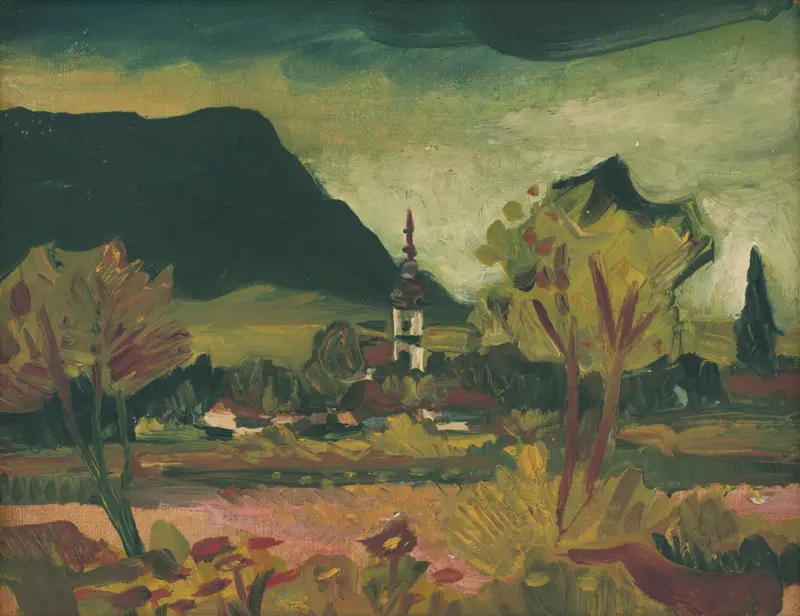
Veličná O 2014 Orava Gallery
Arnold Peter Weisz-Kubínčan
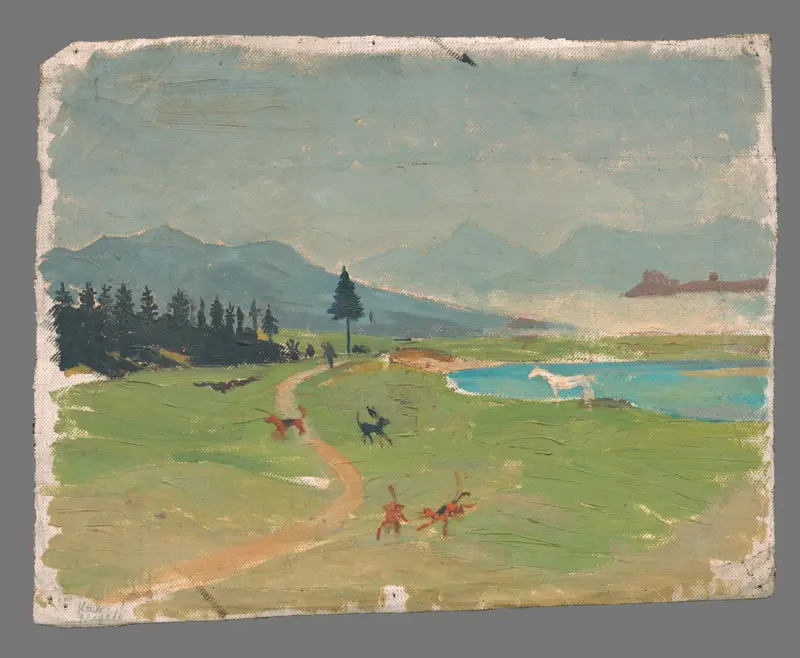
Blue Bay
Arnold Peter Weisz-Kubínčan
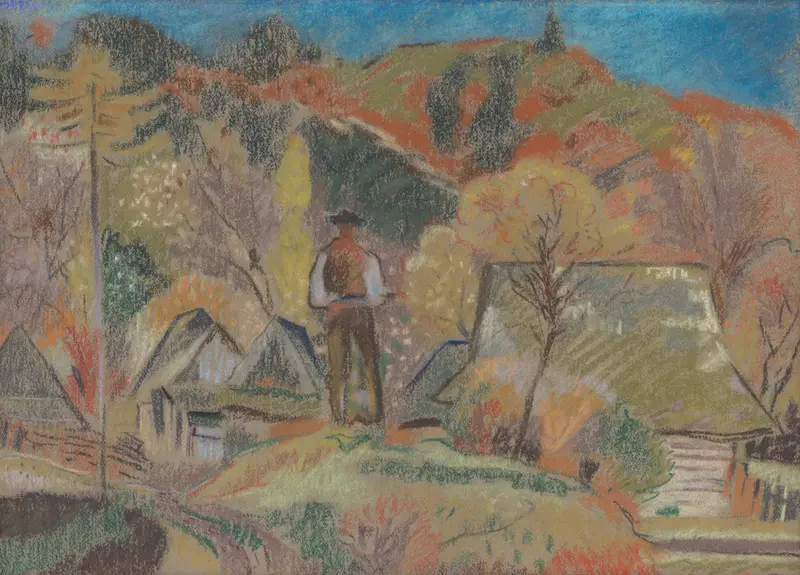
Nad dedinou O 1278 Orava Gallery
Arnold Peter Weisz-Kubínčan
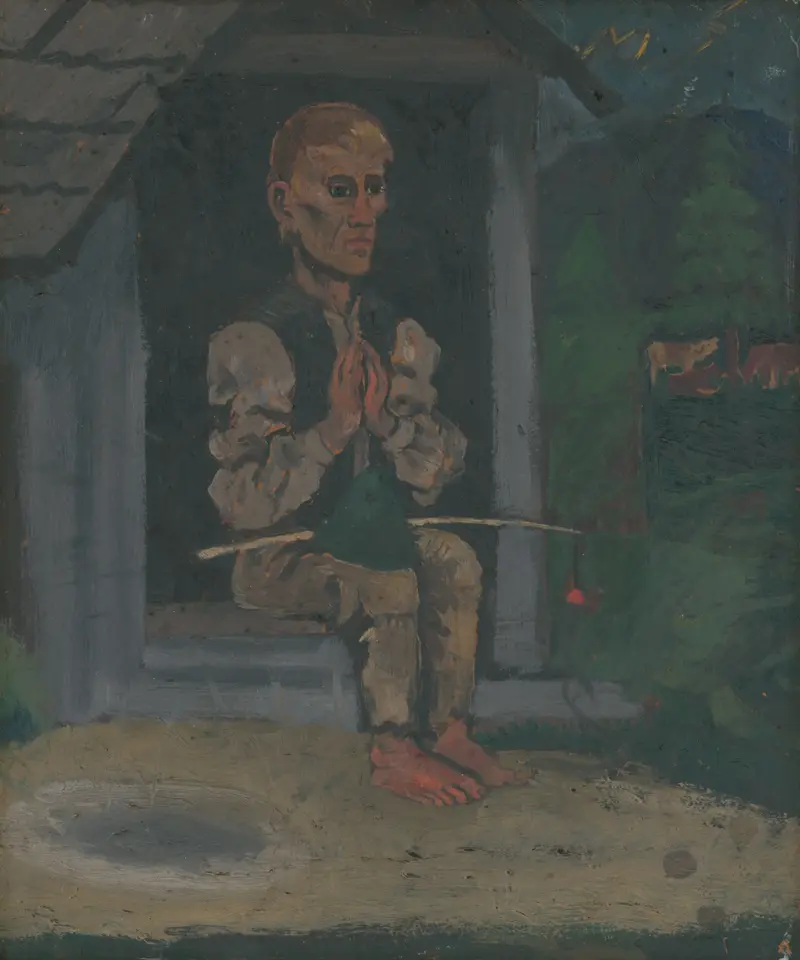
Pastieri O 197 Orava Gallery
Arnold Peter Weisz-Kubínčan
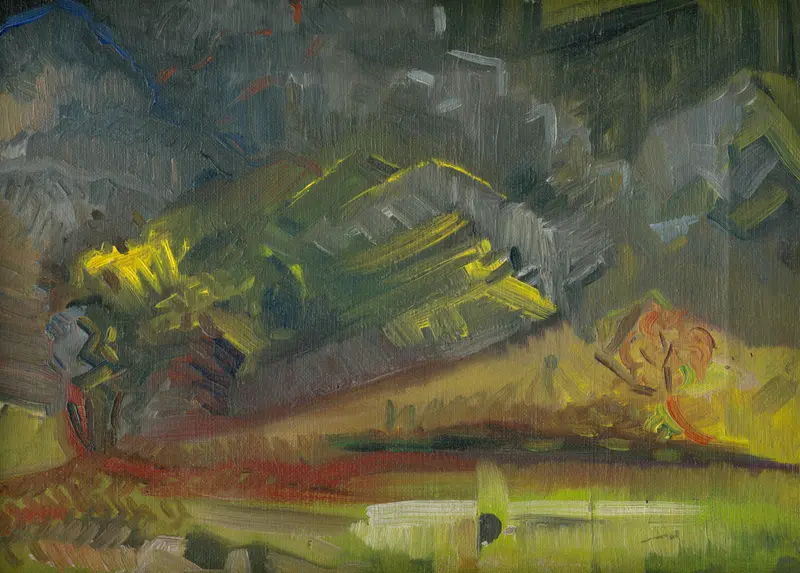
Večerná krajina O 4464 Slovak National Gallery
Arnold Peter Weisz-Kubínčan
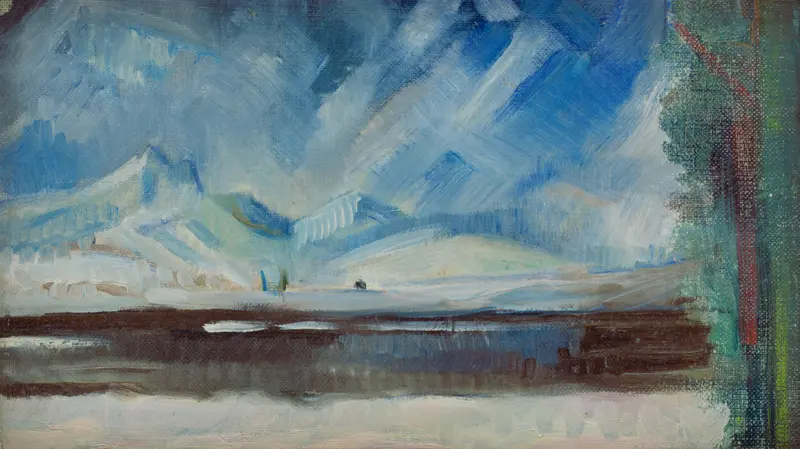
Winter Landscape
Arnold Peter Weisz-Kubínčan
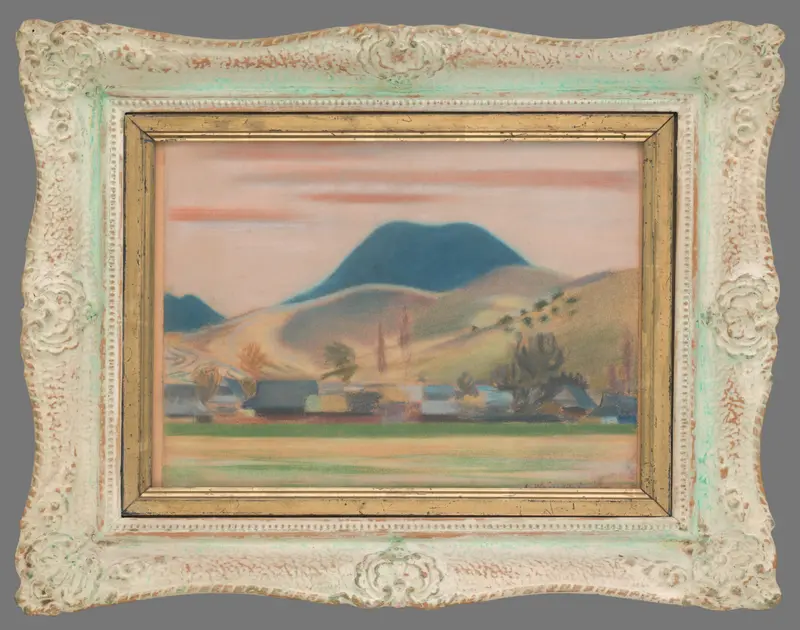
Oravský motív M 357 Ernest Zmeták Art Gallery
Arnold Peter Weisz-Kubínčan
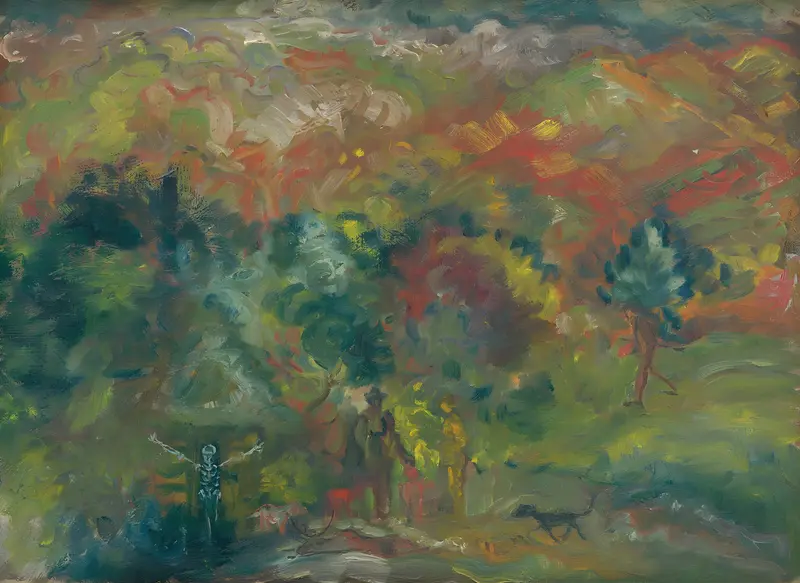
Hunters and Death
Arnold Peter Weisz-Kubínčan

On a Sleigh Arnold
Arnold Peter Weisz-Kubínčan
More Landscape Art

The Starry Night
Vincent van Gogh

View of Delft
Johannes Vermeer

Water Lilies
Claude Monet

The Grand Canal, Venice, looking north-west from the Ca' Corner to the Ca' Contarini degli Scrigni, with the campanile of Santa Maria della Carità
Canaletto

Windsor Castle
Canaletto

The Grand Canal looking North-East from the Palazzo Dolfin-Manin to the Rialto Bridge
Canaletto