
Boa Charmer in a Harem at Cairo — History & Facts
A woman stands at the center of a hushed drama, her arms raised in a slow, hypnotic arc as a great boa coils around her shoulders. The air in the painted chamber is thick with anticipation: every gaze is drawn to her, whether in languid curiosity or wary fascination. The painter, Theodoros Ralli, captures the moment when spectacle and danger become one, the dancer’s bare skin set aglow by a shaft of cool, indirect light that falls from above.
The languor of the women reclining on cushions, the musicians poised with tambourine and flute, and the heavy, patterned fabrics all heighten the sense of enclosure—this is a world apart, where time is measured in music and movement. Painted in 1882, Boa Charmer in a Harem at Cairo belongs to the tradition of Orientalist painting that flourished in nineteenth-century Europe. Artists like Ralli, often working far from the scenes they depicted, responded to a Western hunger for images of the “exotic” East—real or imagined. Such works were prized by collectors eager for glimpses into private, forbidden interiors, and they often blended careful observation of costume and architecture with fantasy.
The harem, in particular, became a stage for artists to explore themes of sensuality, spectacle, and leisure, all filtered through a European lens. History has kept few traces of this specific painting’s journey, but its date and subject place it firmly within this era’s fascination with spectacle and the imagined Orient—inviting us to look closer, and to question what we see.
More Artworks by Theodoros Ralli

The Sleeping Concubine
Theodoros Ralli
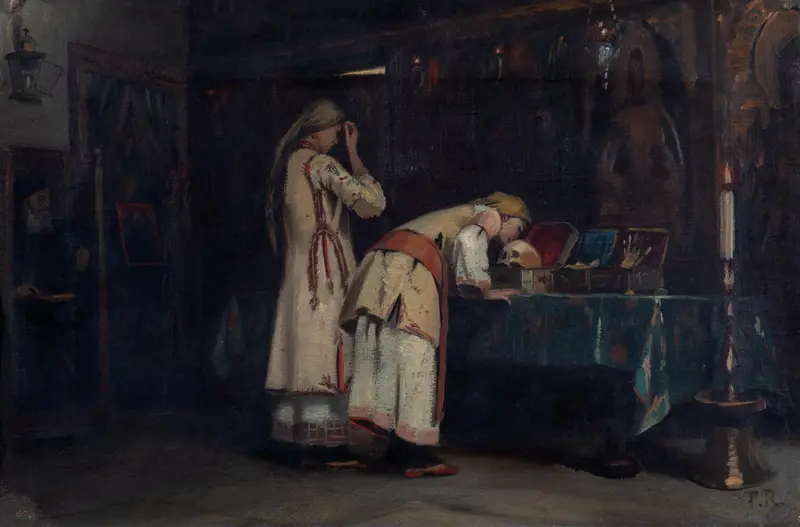
Holy Relics
Theodoros Ralli
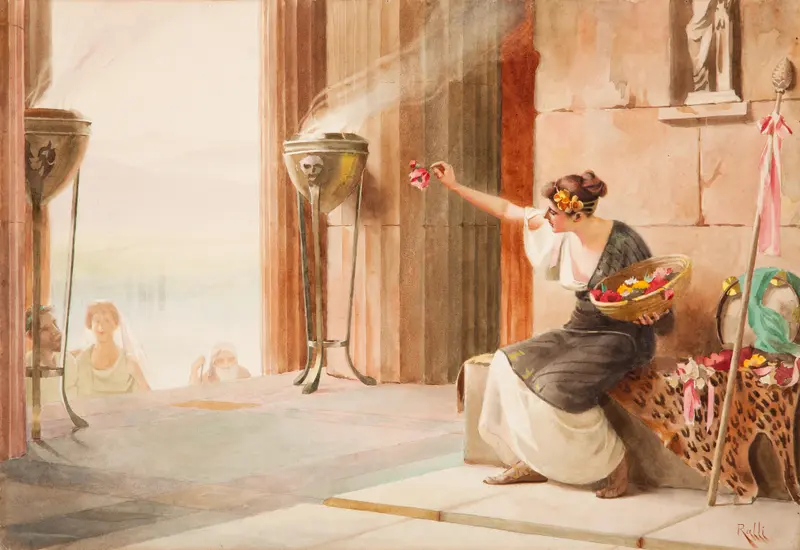
Flower Seller at the Parthenon
Theodoros Ralli
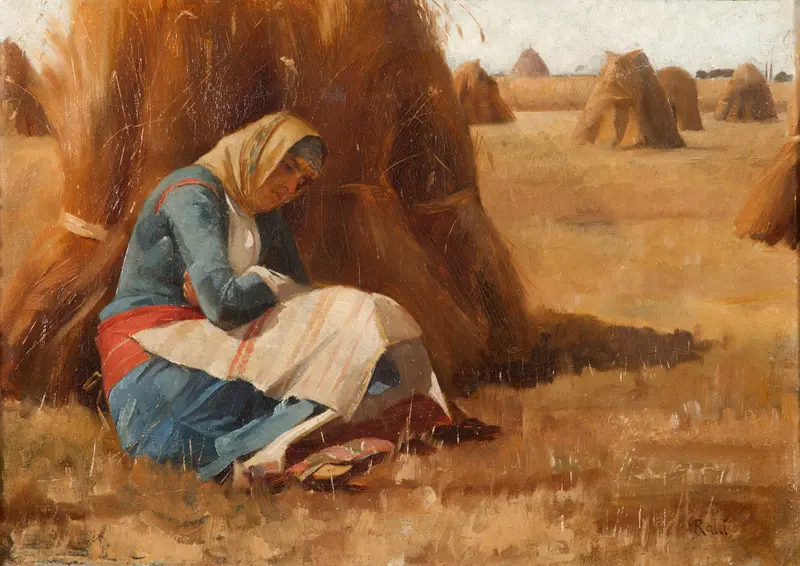
Resting by a Haystack
Theodoros Ralli
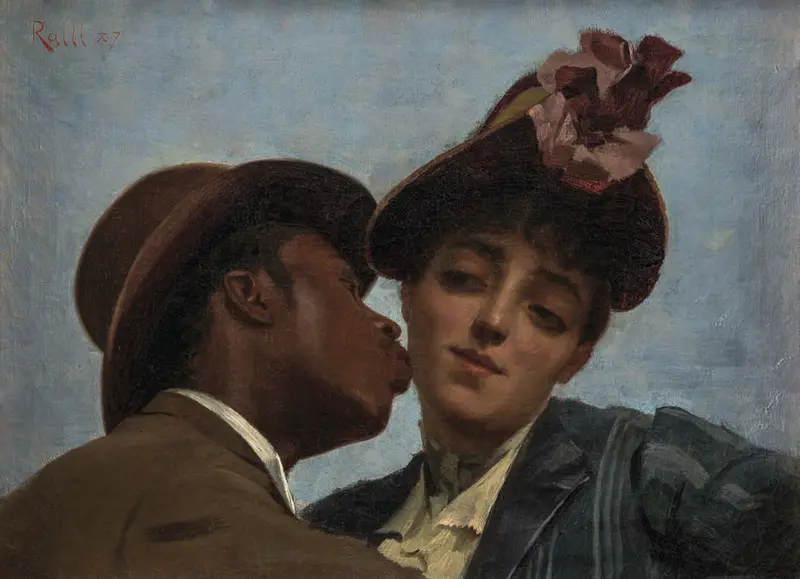
The Kiss (Ralli)
Theodoros Ralli
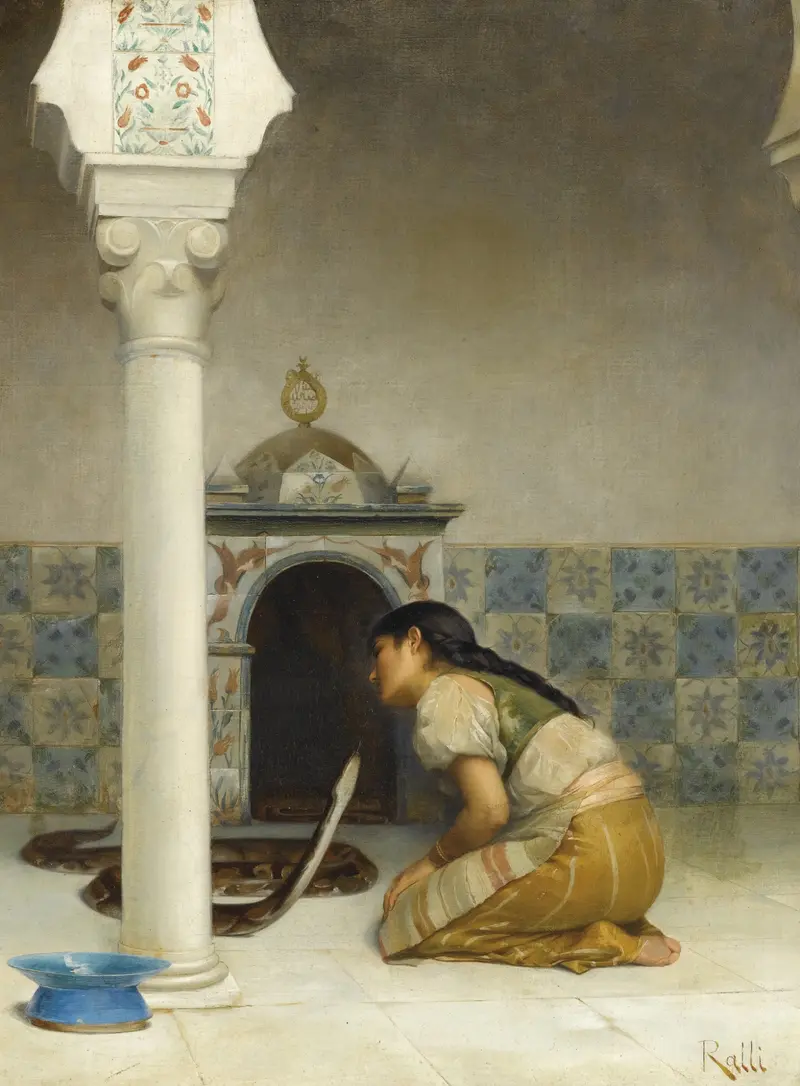
The Sacred Serpent
Theodoros Ralli
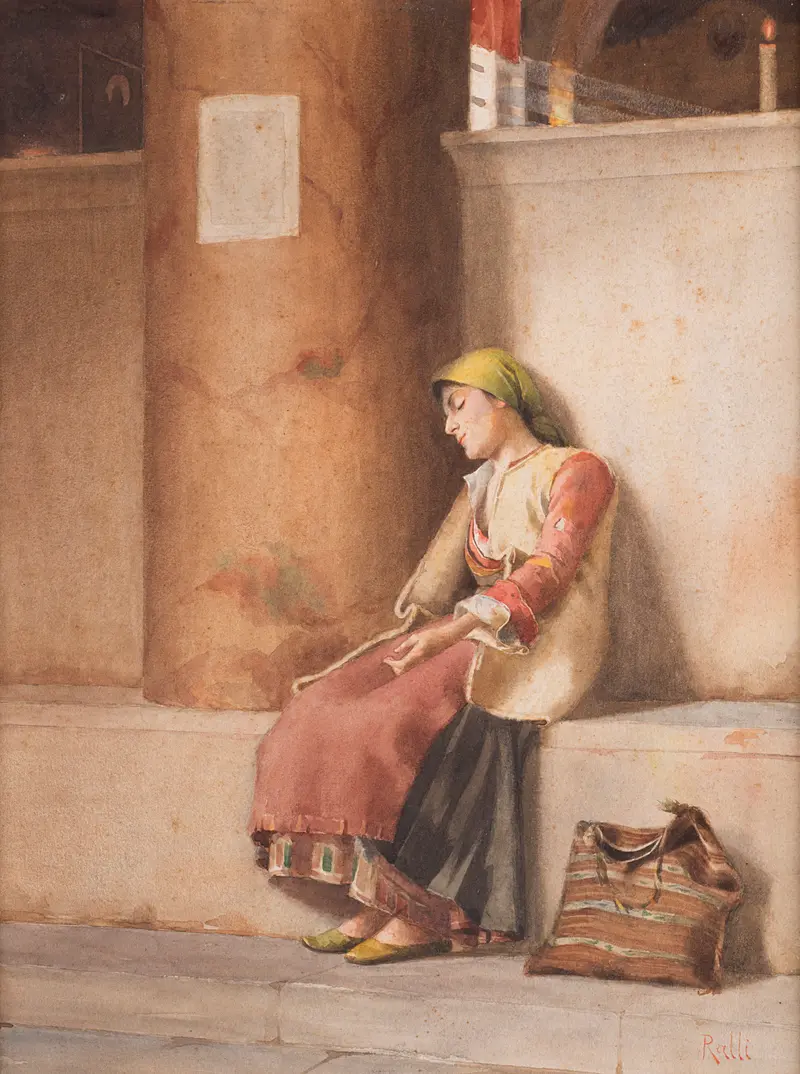
A Moment of Reflection
Theodoros Ralli
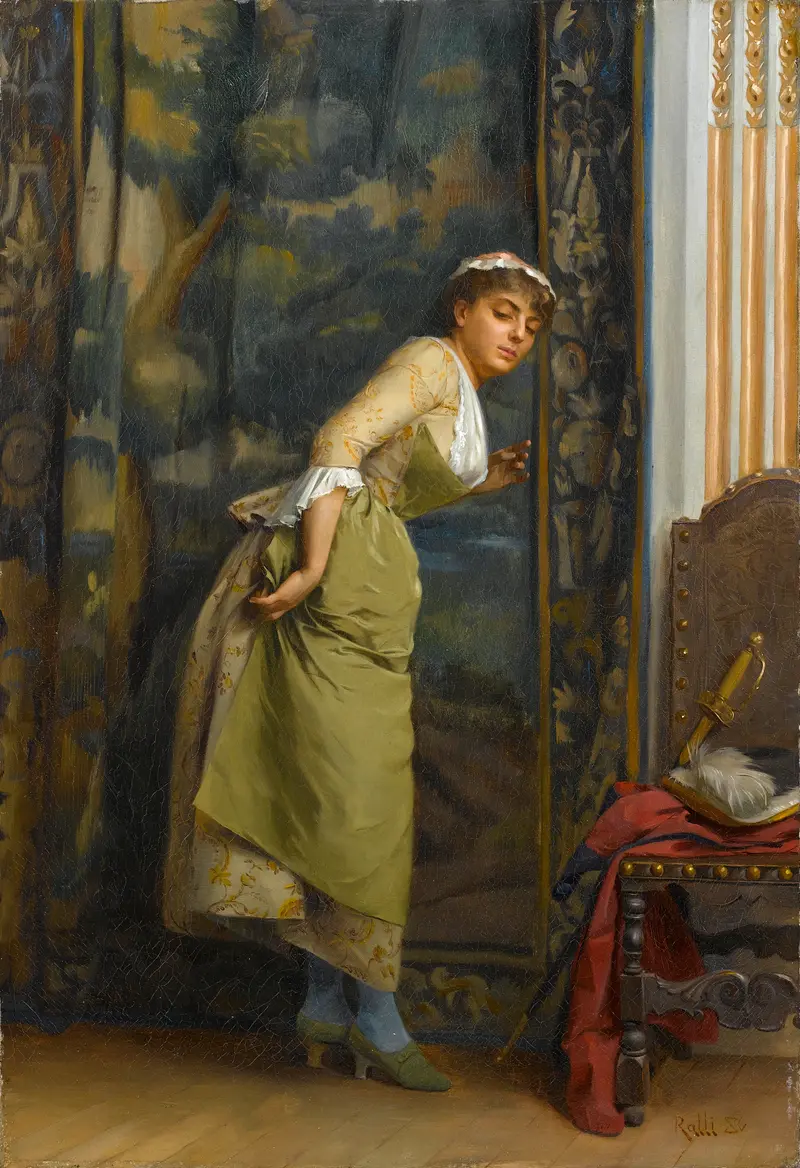
Eavesdropping (Ralli)
Theodoros Ralli
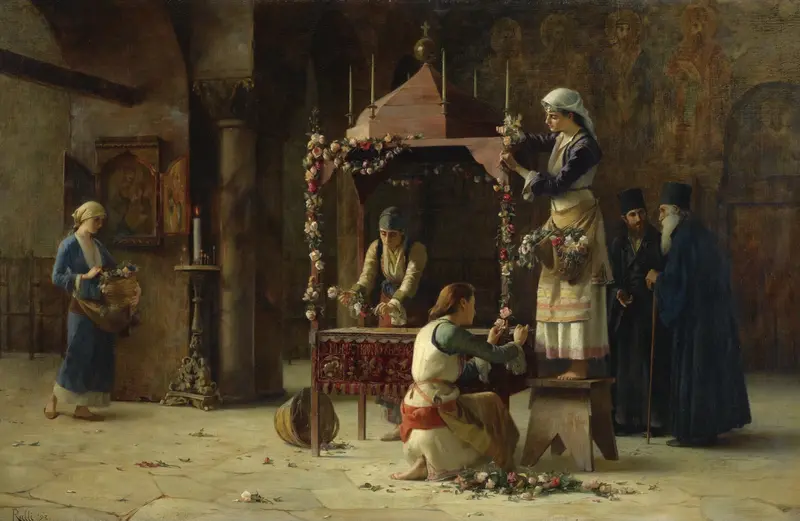
Holy Friday, Greece
Theodoros Ralli
A Moment's Rest
Theodoros Ralli
More Genre Scene Art

Banquet of the Officers of the St George Civic Guard
Frans Hals

Rembrandt and Saskia in the Scene of the Prodigal Son
Rembrandt van Rijn

Bal du moulin de la Galette
Pierre-Auguste Renoir

Quadrille at the Moulin Rouge
Henri de Toulouse-Lautrec

A Burial at Ornans
Gustave Courbet

When Will You Marry?
Paul Gauguin