
Boek van de Orde van de Kousenband — History & Facts
When did color learn to lie? The delicate hues that drape the figures in Boek van de Orde van de Kousenband whisper secrets beneath their surface, beckoning the viewer to unravel the layers of obsession woven into this intricate work. Focus first on the rich tapestry of colors that seem to dance against the page. The meticulous lines define each form, leading your gaze along the flowing garments, ornate details, and the subtle interplay of light and shadow. Observe how the artist’s deft hand employs a muted palette, evoking a sense of reverence that complements the historical significance of the subject matter—the prestigious Order of the Garter. Beneath the surface, the artwork reveals a tension between grandeur and intimacy.
The figures stand proudly, yet their expressions hint at a deeper yearning, perhaps for recognition or belonging. The recurring motifs of garters and insignia symbolize loyalty and honor, suggesting a complex relationship between societal duty and personal desire. This duality of obsession—between the individual and the collective—resonates throughout the composition. Wenceslaus Hollar created this piece in 1672 while living in England, a time marked by political upheaval and shifting allegiances.
As an engraver and etcher, he was deeply engaged with the artistic community of London, navigating the intricate dynamics of patronage and creative expression. This work reflects both his skill and the cultural milieu of his time, capturing the essence of an era steeped in tradition and the quest for identity.
More Artworks by Wenceslaus Hollar
Browse all →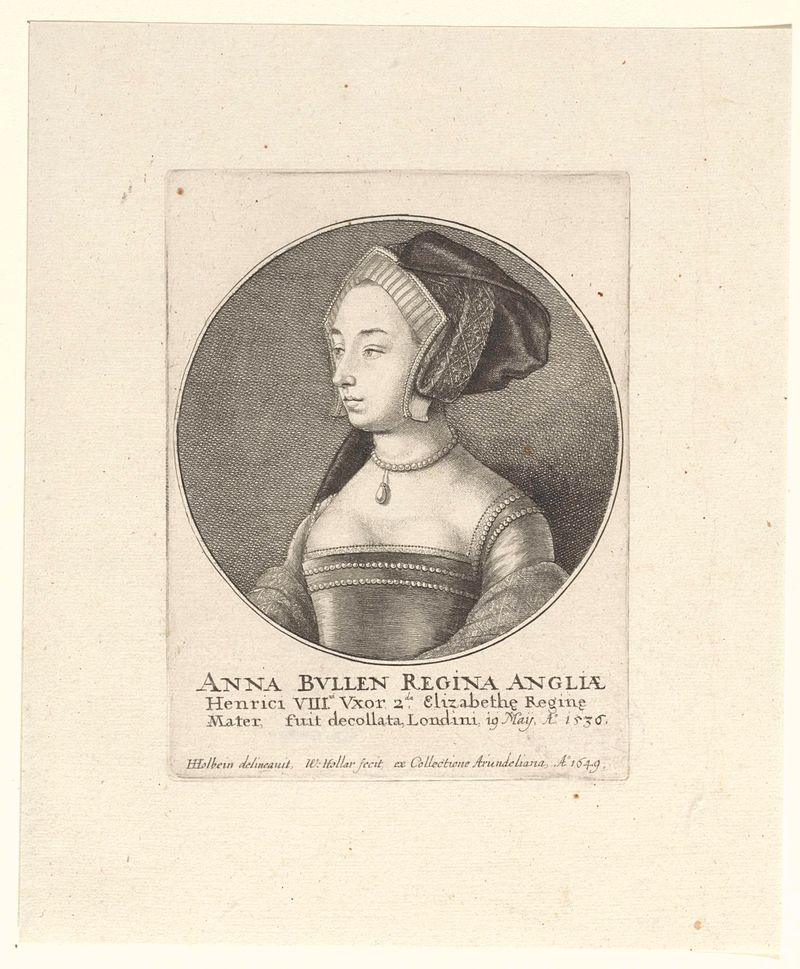
Portret van Anna Boleyn, koningin van Engeland
Wenceslaus Hollar
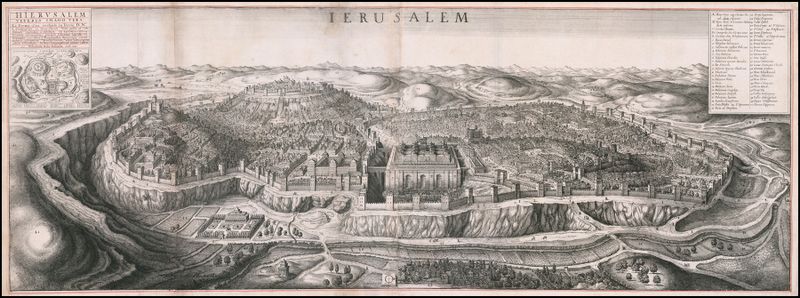
Bird’s eye view of Jerusalem
Wenceslaus Hollar
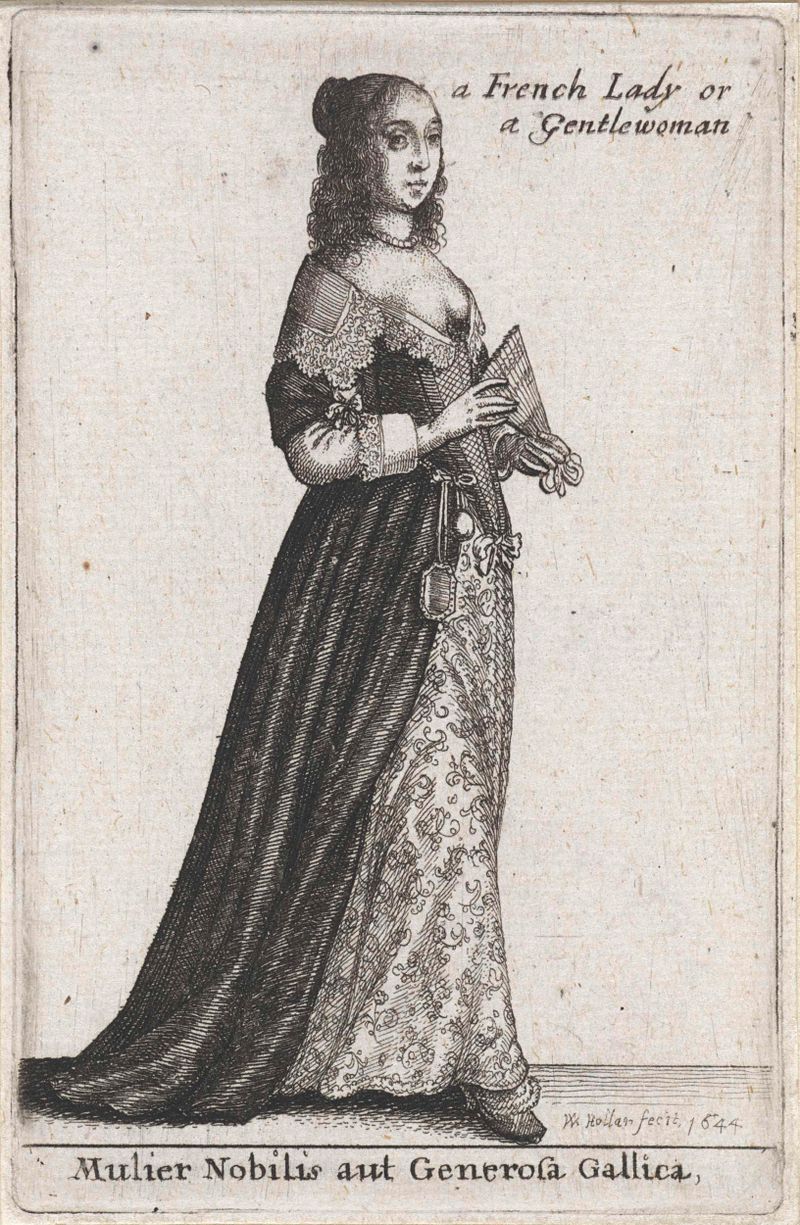
Mulier Nobilis aut Generosa Gallica / a French Lady or Gentlewoman
Wenceslaus Hollar
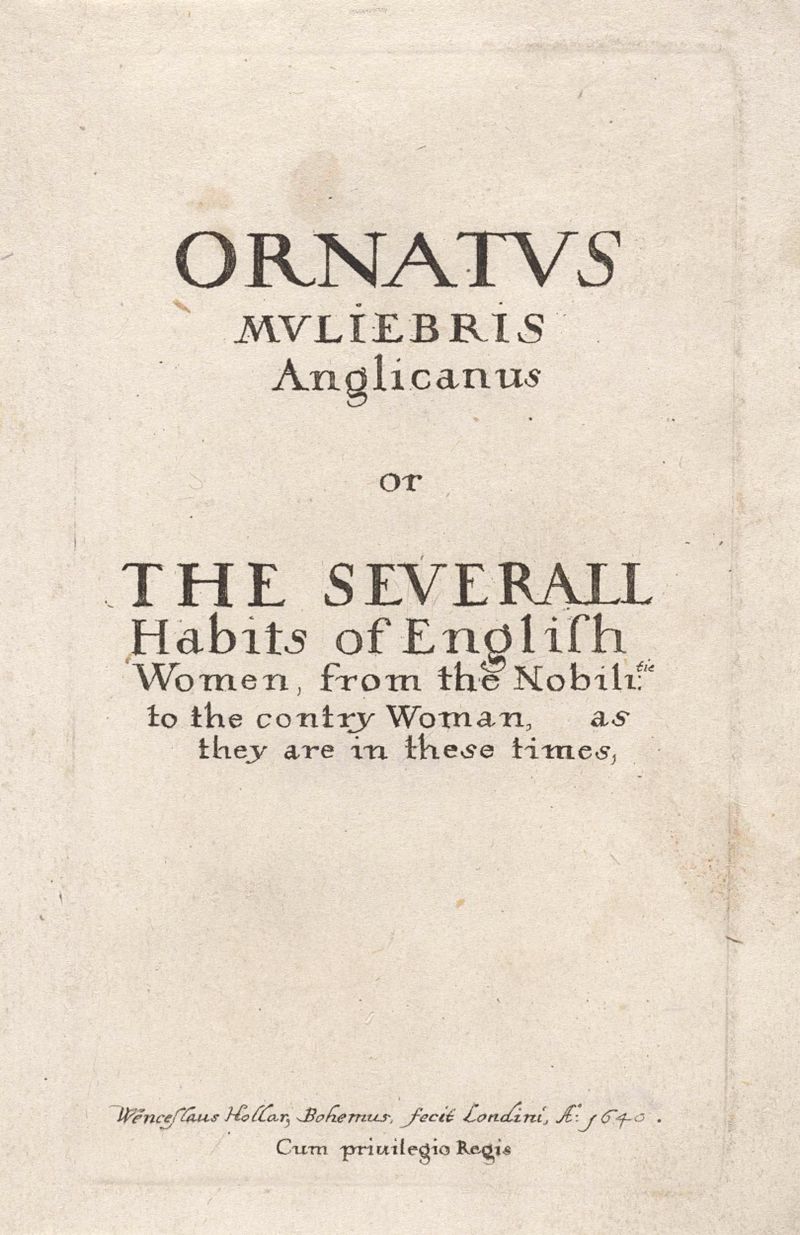
Titelprent voor: Ornatus Muliebris Anglicanus
Wenceslaus Hollar
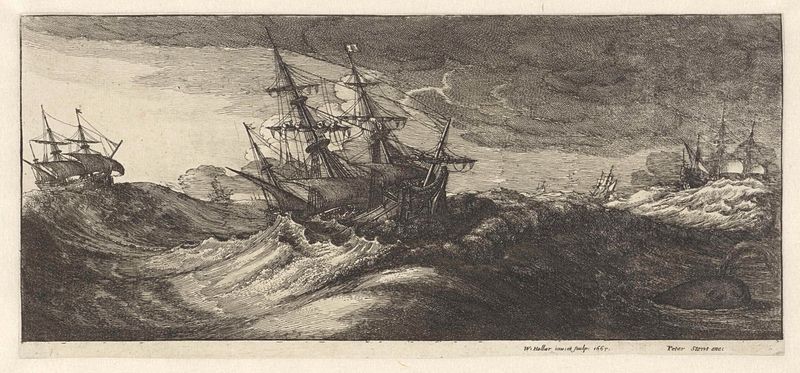
Oorlogsschepen en een walvis in een zeestorm
Wenceslaus Hollar
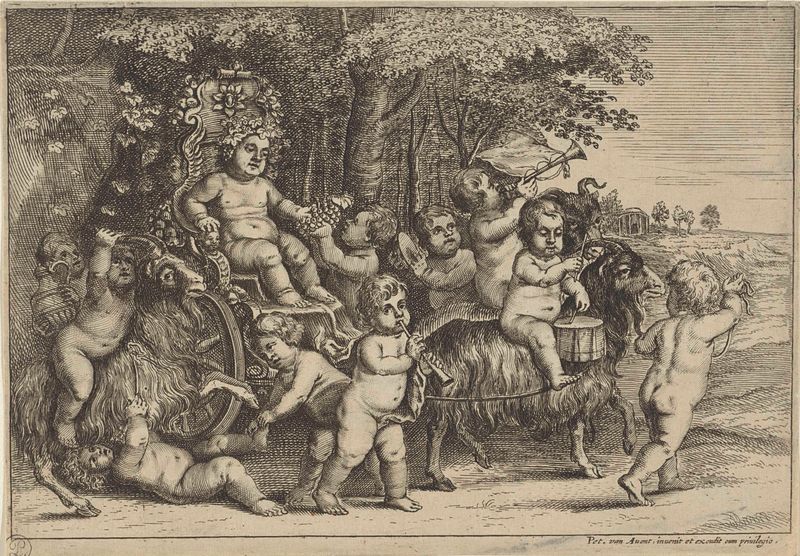
Optocht van bacchant en jongetjes op geiten
Wenceslaus Hollar
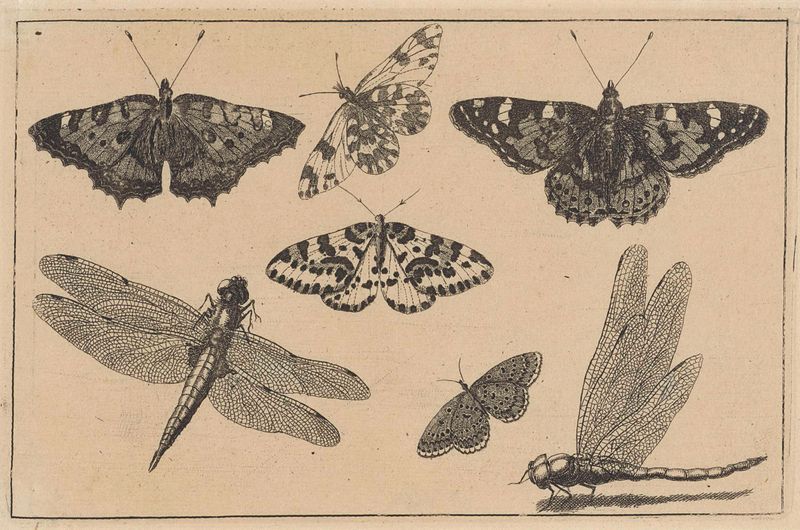
Twee libellen en vijf vlinders
Wenceslaus Hollar
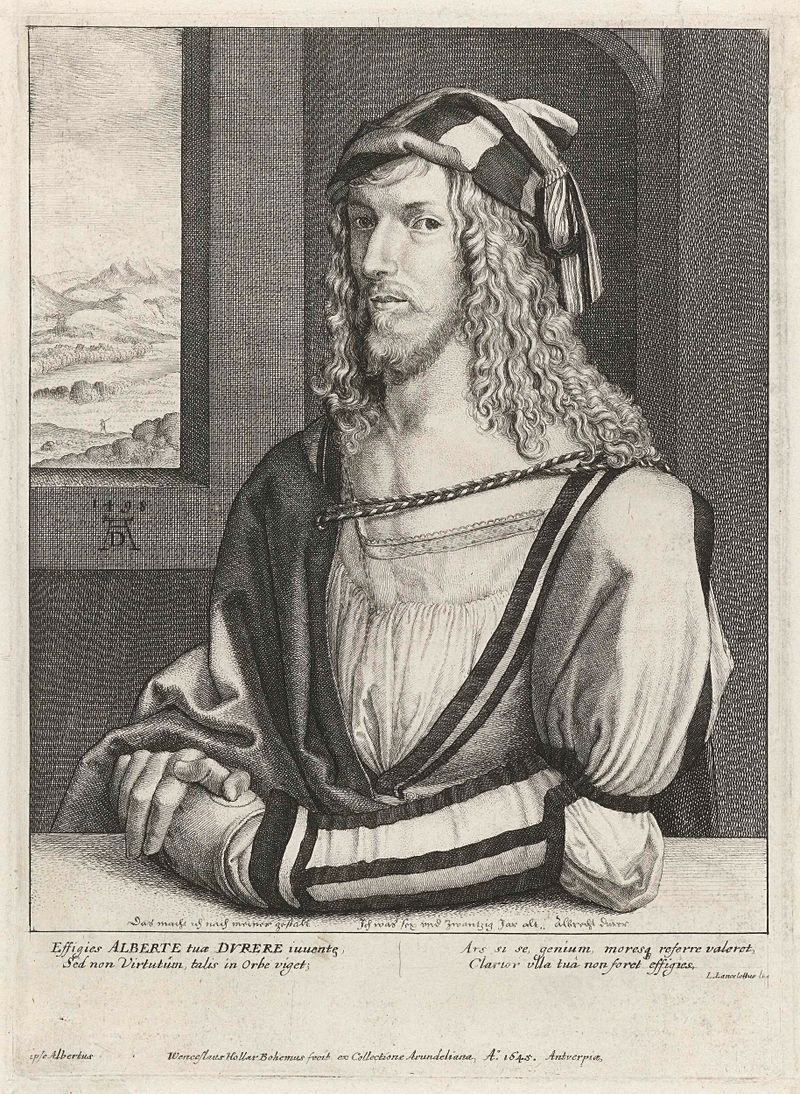
Portret van Albrecht Dürer
Wenceslaus Hollar
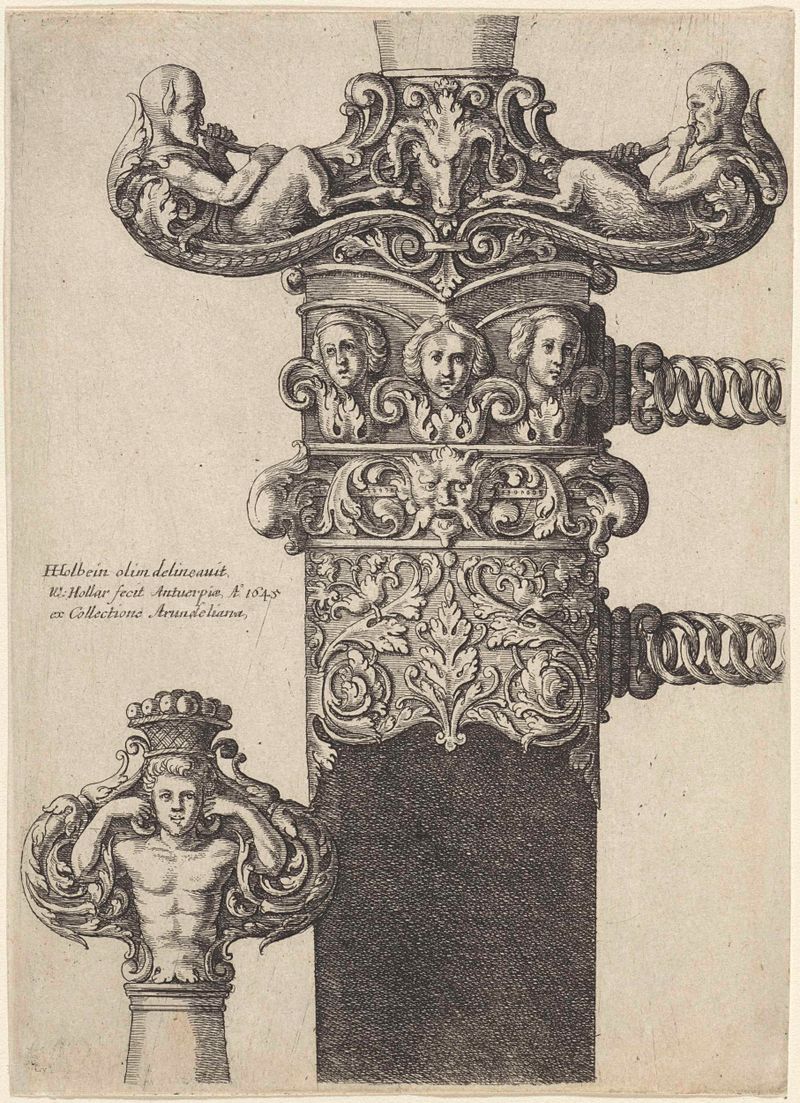
Ornamenteel ontwerp voor een dolk
Wenceslaus Hollar
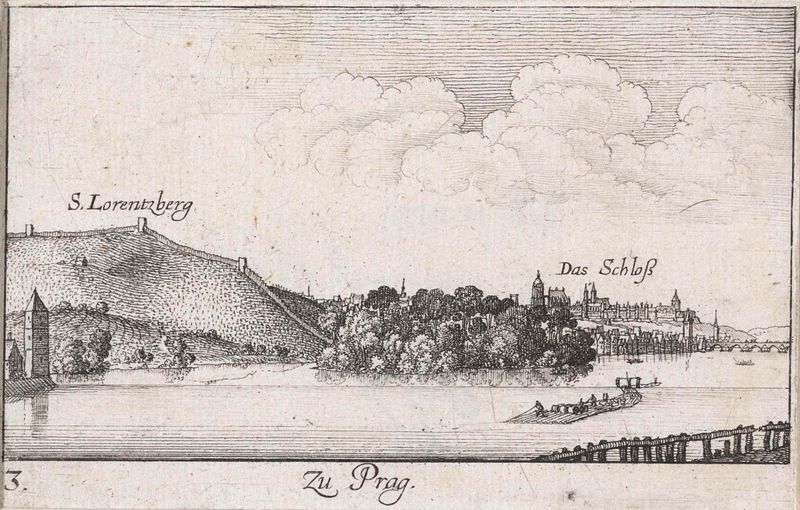
Gezicht op Praag vanaf de Moldau
Wenceslaus Hollar
More Historical Art
Browse all →
The Night Watch Militia Company of District II under the Command of Captain Frans Banninck Cocq
Rembrandt van Rijn

Lincoln Memorial
Henry Bacon

The Third of May 1808
Francisco de Goya

Isaac and Rebecca, Known as ‘The Jewish Bride’
Rembrandt van Rijn

The Charge of the Mamelukes (1814)
Francisco de Goya

De vier ruiters van de apocalyps
Albrecht Dürer