
Boer met gevangen haas — History & Facts
Is this a mirror — or a memory? In Boer met gevangen haas, the viewer is drawn into a moment suspended between the harshness of reality and the allure of beauty. The juxtaposition of the hunter and his catch evokes contemplation; it prompts the question of what we choose to capture and what we ultimately lose. Focus first on the proud figure of the farmer on the left, standing tall with the freshly caught hare draped over his arm. Notice the texture of the fur, rendered with meticulous detail, as it contrasts sharply against the rough, earthy hues of the landscape.
The rich, warm tones envelop the scene, creating a sense of intimacy as sunlight filters through the branches, casting a gentle glow over the figures. The composition leads the eye from the farmer to the hare, emphasizing the relationship between man and nature in this still-life encounter. Beneath the surface lies a deeper exploration of mortality and the transience of beauty. The hare, caught in its delicate form, symbolizes the fragility of life, while the farmer's expression suggests a moment of triumph tinged with melancholy.
This duality speaks to the tension between the pursuit of success and the acceptance of loss, creating an emotional resonance that lingers beyond the canvas. The harmonious balance between these elements compels the viewer to reflect on their own relationships with beauty, nature, and the passage of time. Jacob Binck painted Boer met gevangen haas during a time of significant artistic development in the Northern Renaissance, around the mid-16th century. During this period, artists were increasingly influenced by humanist ideals and the natural world, seeking to depict life with realism and depth.
Binck, working in the Netherlands, contributed to this movement with his own unique approach to detail and composition, marking a transition toward more personal interpretations of everyday subjects.
More Artworks by Jacob Binck
Browse all →
Portret van Christiaan II, koning van Denemarken
Jacob Binck

Christus en de Samaritaanse vrouw
Jacob Binck
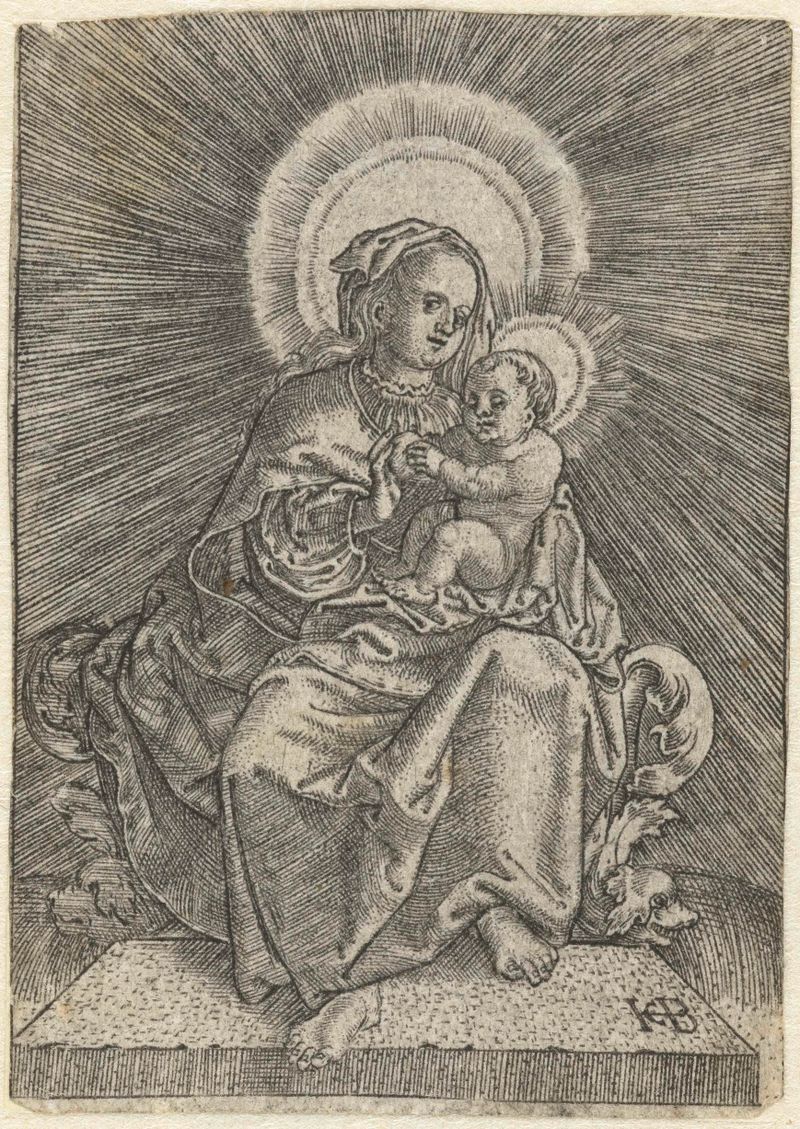
Tronende Maria met kind en appel in stralenkrans
Jacob Binck

Christus op de koude steen
Jacob Binck

Ornament met twee putti op dolfijnen onder een vaas
Jacob Binck
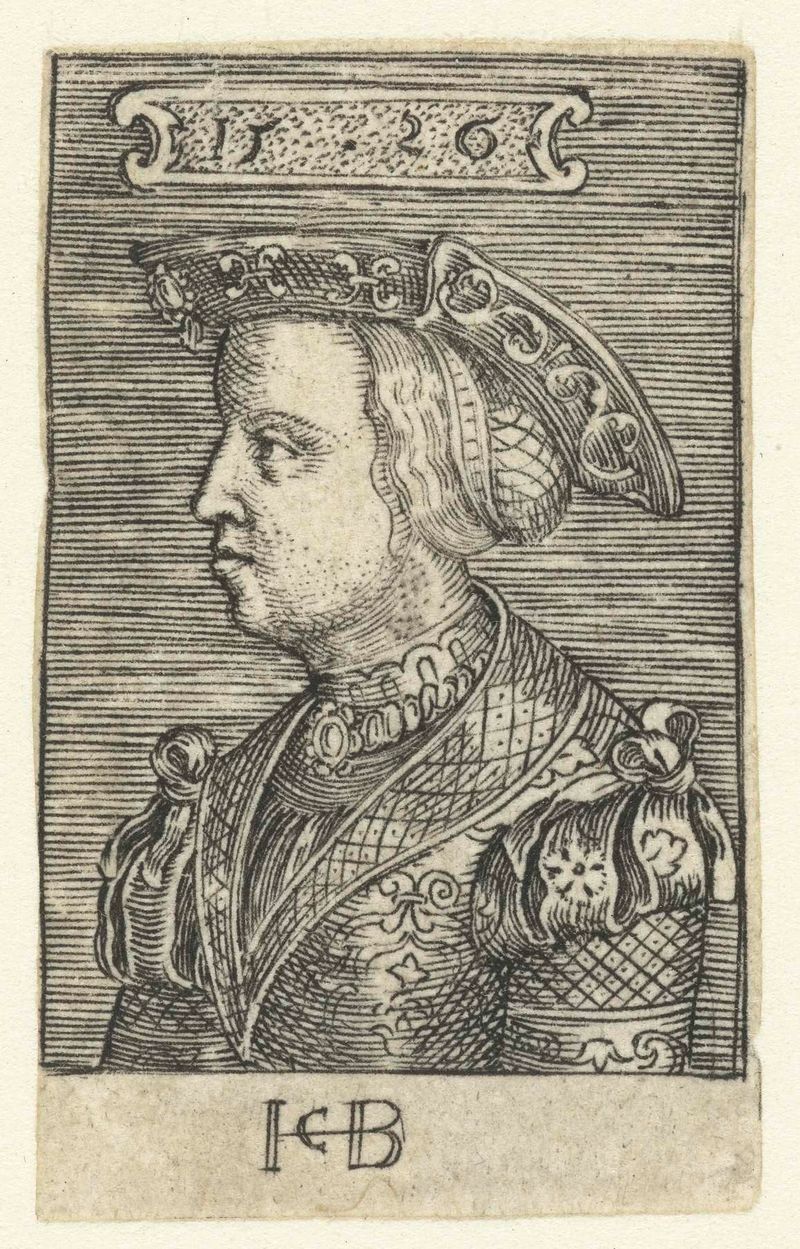
Portret van Claudia van Valois, echtgenote van Frans I
Jacob Binck

Ceres met kroon van korenaren, sikkel, brandende toorts en tweekoppige slang
Jacob Binck
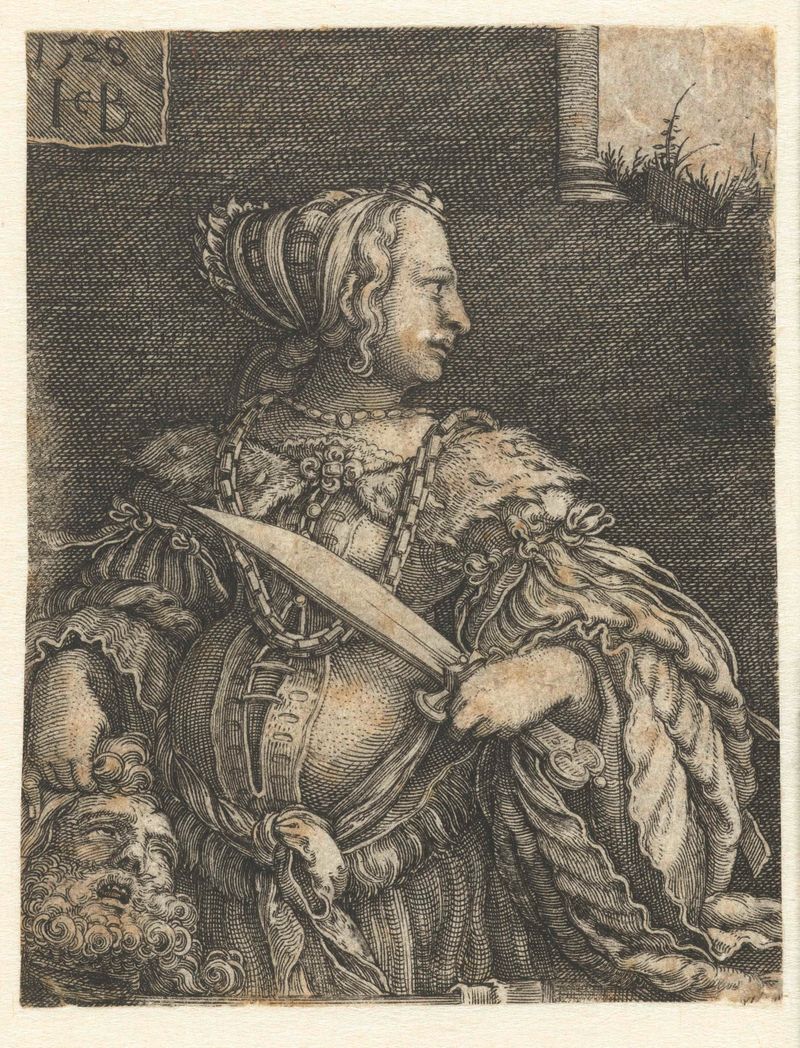
Judith met het hoofd van Holofernes
Jacob Binck
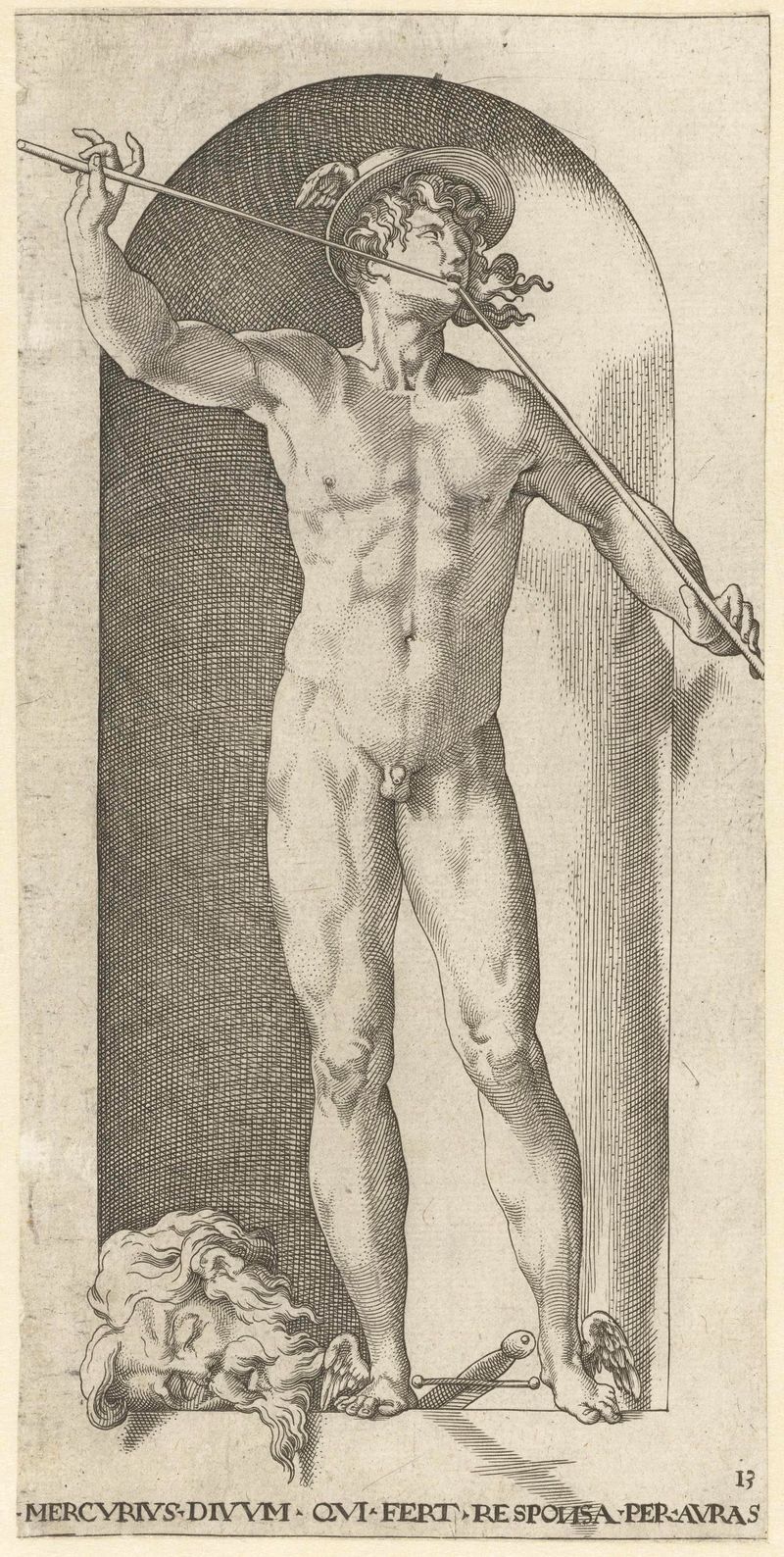
Mercurius met het hoofd van Argus
Jacob Binck

Minerva (Pallas Athena) met Medusahoofd op schild
Jacob Binck





