
Boerenbruiloft — History & Facts
Beneath the surface of celebration lies an undercurrent of betrayal, echoing through the festive atmosphere of a farmer's wedding. What secrets are entwined within the merriment, masked by smiles and laughter? Look to the center of the composition where a jovial couple stands, their hands intertwined, oblivious to the tension brewing around them. Hollar masterfully uses earthy tones, punctuated by splashes of bright color in the clothing of the guests, drawing your eye to the bride’s radiant attire.
The intricate details of the surrounding figures reveal a variety of gestures and expressions, from joy to lurking dissatisfaction, each subtly framed in a grand barn setting that looms overhead with its rustic charm. As you explore the painting, notice the contrasting emotions captured in the faces of the guests. While many share in the delight of the wedding, a single figure shrouded in darker hues stands apart, casting a shadow on the revelry. This juxtaposition hints at unspoken grievances and untold stories swirling in the air, exposing the fragility of happiness when pitted against underlying strife. In 1650, Wenceslaus Hollar painted this work during a time of social change in Europe, where rural life was inextricably intertwined with the encroaching modernity of the cities.
Living in a moment when art was beginning to reflect both beauty and the complexities of human relationships, Hollar captured this vivid scene against a backdrop of personal and societal transitions, illustrating not just a wedding, but the intricacies of human nature.
More Artworks by Wenceslaus Hollar
Browse all →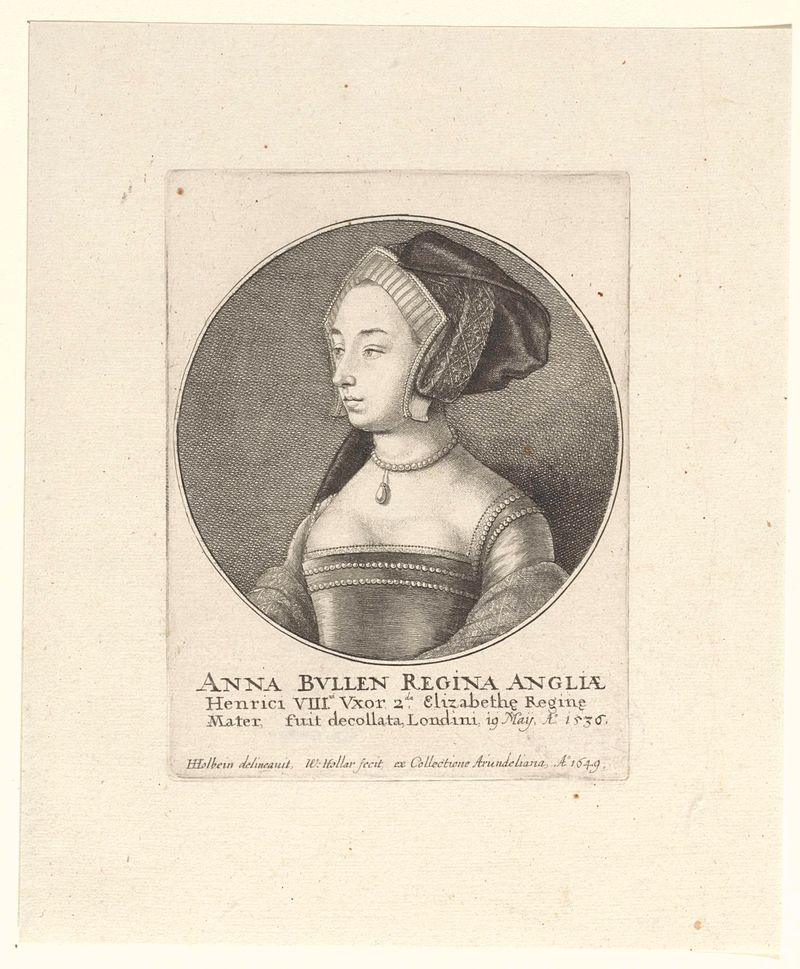
Portret van Anna Boleyn, koningin van Engeland
Wenceslaus Hollar
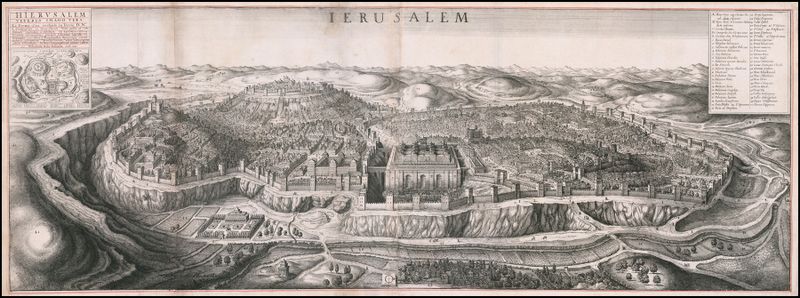
Bird’s eye view of Jerusalem
Wenceslaus Hollar
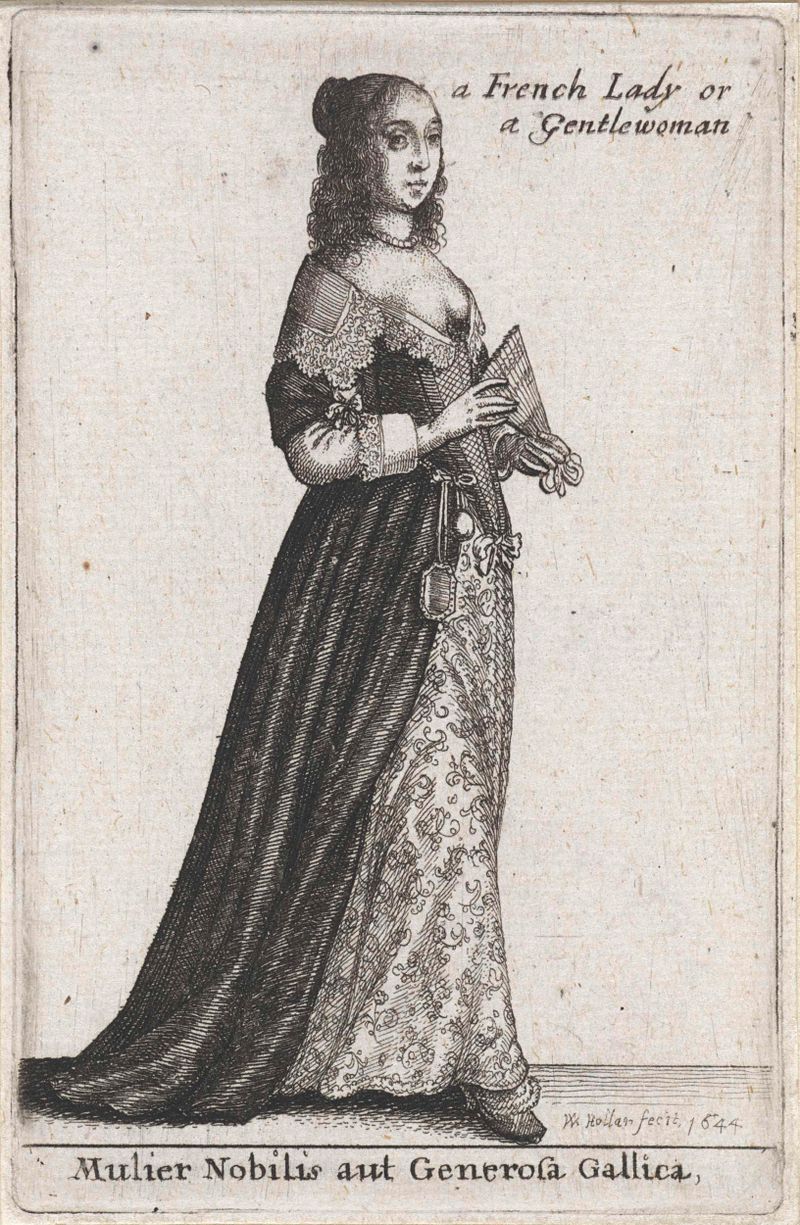
Mulier Nobilis aut Generosa Gallica / a French Lady or Gentlewoman
Wenceslaus Hollar
Titelprent voor: Ornatus Muliebris Anglicanus
Wenceslaus Hollar
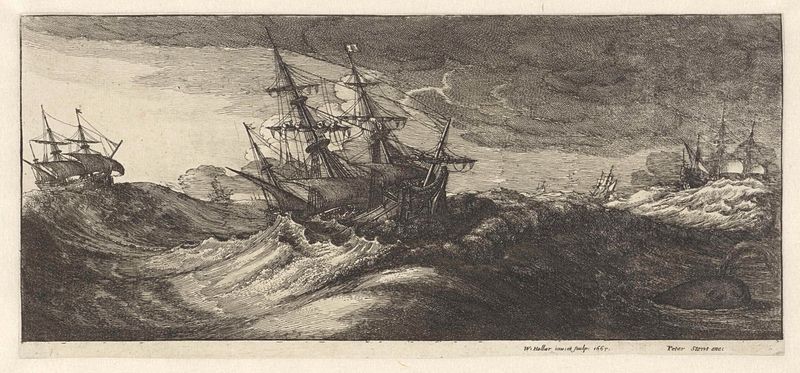
Oorlogsschepen en een walvis in een zeestorm
Wenceslaus Hollar
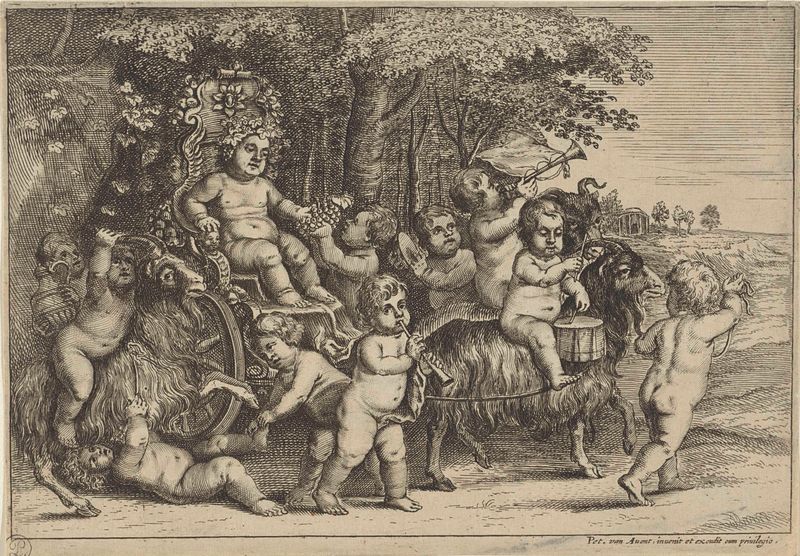
Optocht van bacchant en jongetjes op geiten
Wenceslaus Hollar
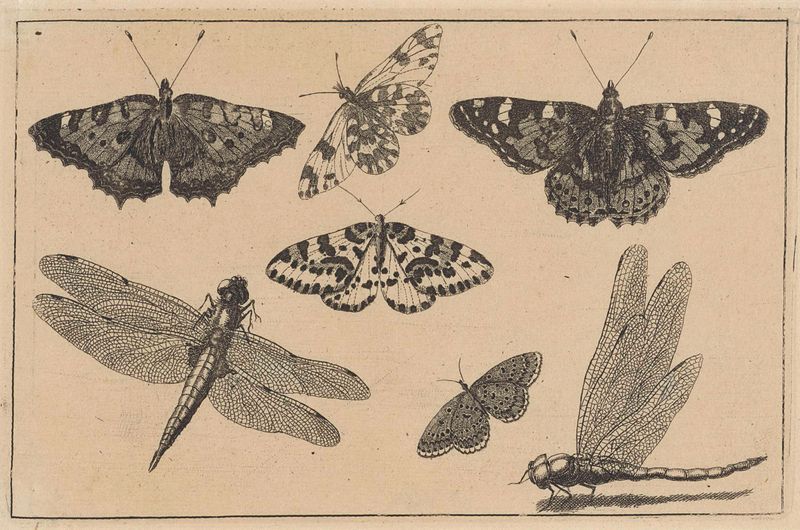
Twee libellen en vijf vlinders
Wenceslaus Hollar
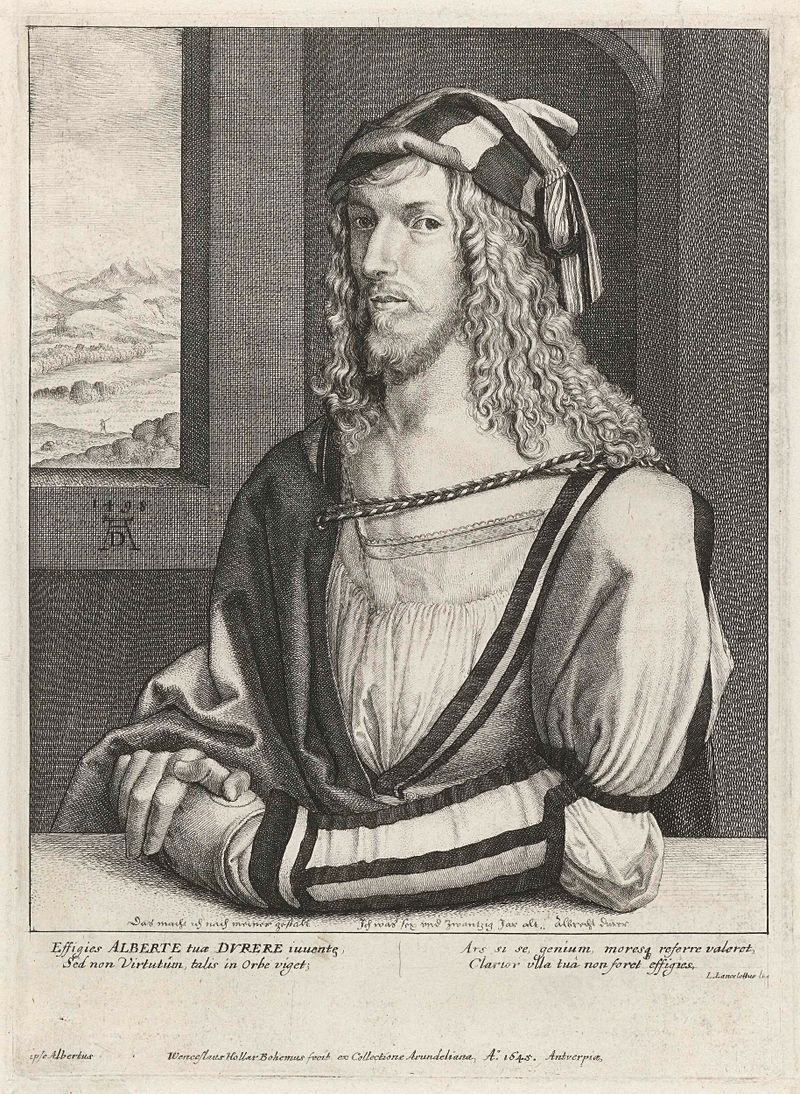
Portret van Albrecht Dürer
Wenceslaus Hollar
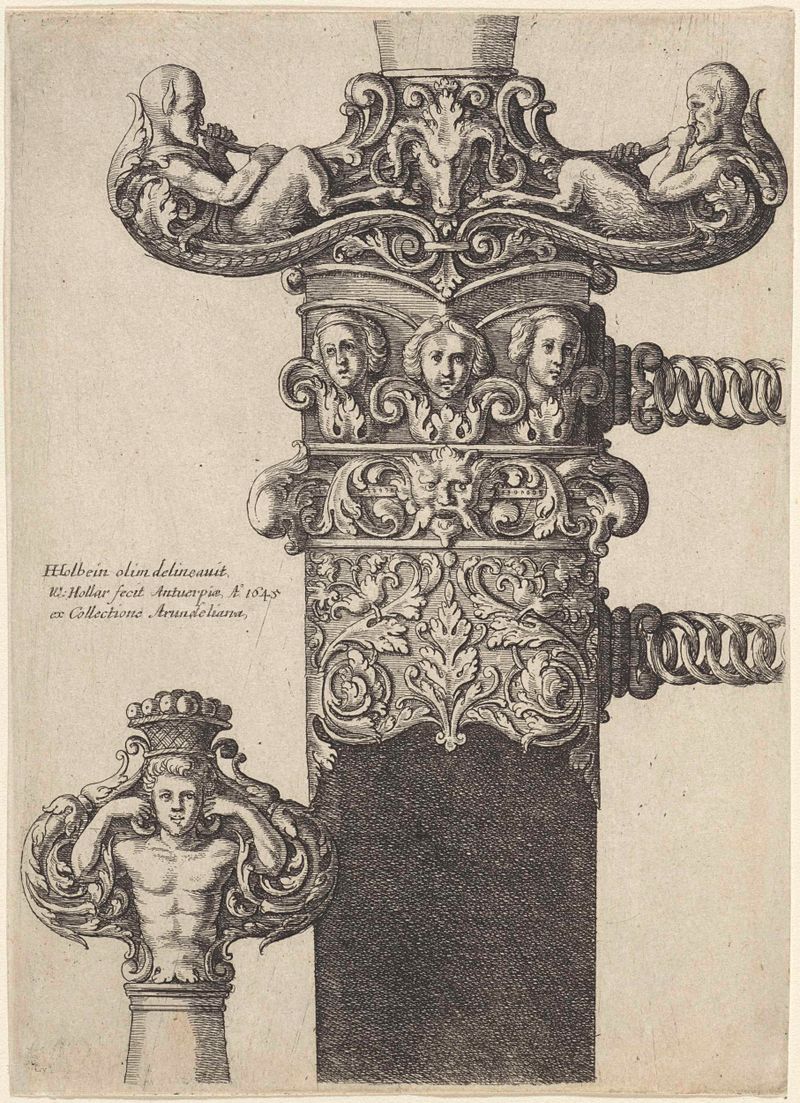
Ornamenteel ontwerp voor een dolk
Wenceslaus Hollar
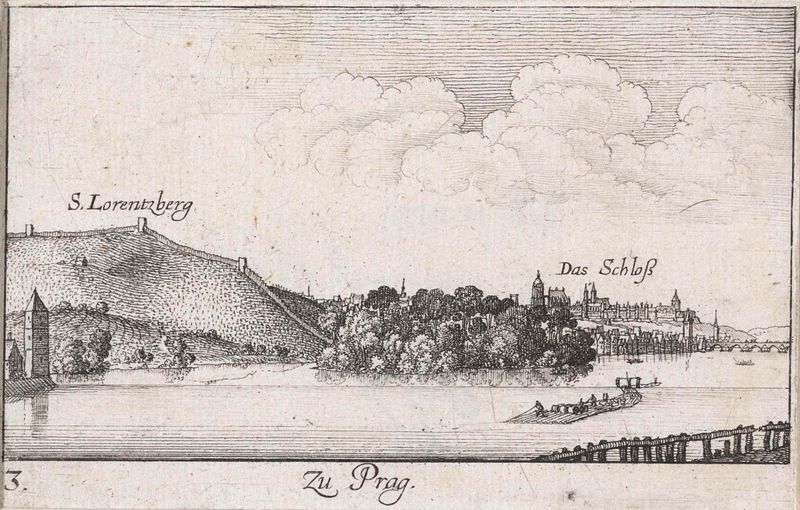
Gezicht op Praag vanaf de Moldau
Wenceslaus Hollar





