
Bord De L’oise — History & Facts
Can paint confess what words never could? In Bord De L’oise, a tranquil riverbank scene unfolds, inviting the viewer to linger on the delicate interplay of light and nature. Look to the right at the lush greenery arching over the water, where the soft brushstrokes create a sense of movement, as if the leaves are whispering secrets to the flow below. Notice how the light falls upon the surface of the river, shimmering with a golden hue that reflects the fleeting quality of time. The composition, anchored by the gentle curve of the river, draws your gaze toward the horizon, where the sky melts into a gradient of blues and soft whites.
This serene palette evokes a sense of peace, guiding one into contemplation. Yet, beyond the idyllic beauty lies a poignant contrast—between stillness and the passage of time, and the unspoken dialogue between nature and humanity. The boats, almost ghostly in their simplicity, suggest the presence of life, yet they remain abandoned, hinting at the transience of existence. Here, the artist captures not only a moment but also the underlying truths of solitude and reflection, whispering to anyone willing to listen. Charles François Daubigny created this work in 1872 while residing in the outskirts of Paris, during a time when Impressionism was steadily reshaping the art world.
Engaged in capturing fleeting moments of nature, he sought to convey emotional truths through landscapes. This period marked a significant evolution in his style, moving towards a more spontaneous technique that resonated deeply with contemporary artists, as well as audiences eager for authenticity amid an ever-changing society.
More Artworks by Charles François Daubigny
Browse all →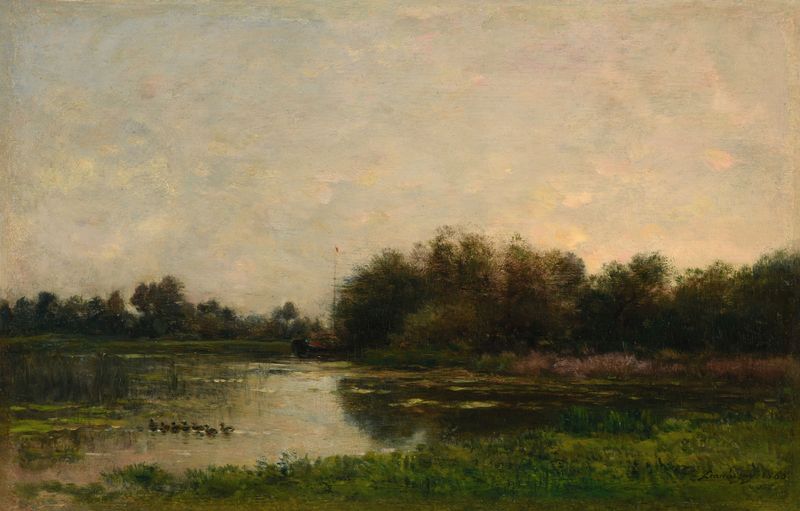
Bords de l’Oise
Charles François Daubigny
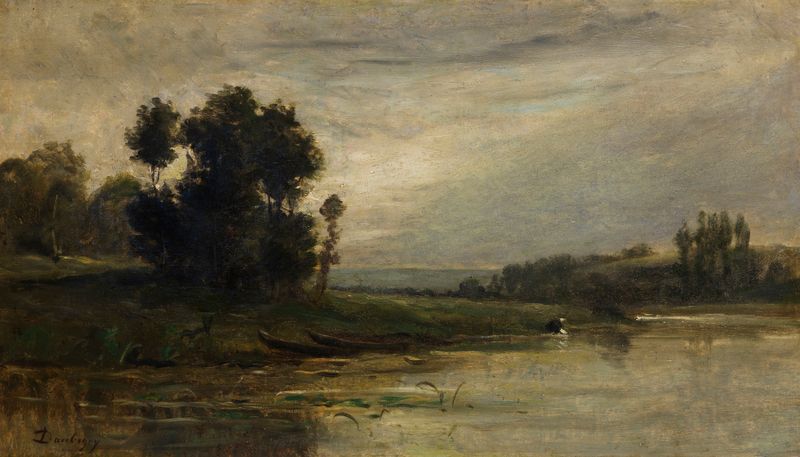
Bords de l’Oise
Charles François Daubigny
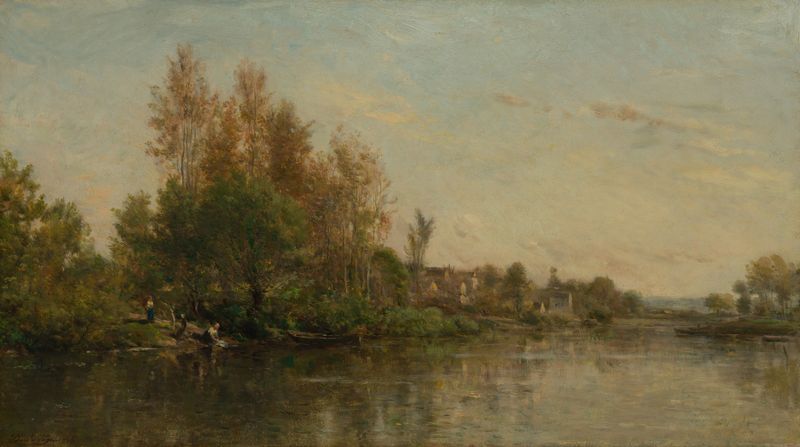
The Banks of the Oise
Charles François Daubigny
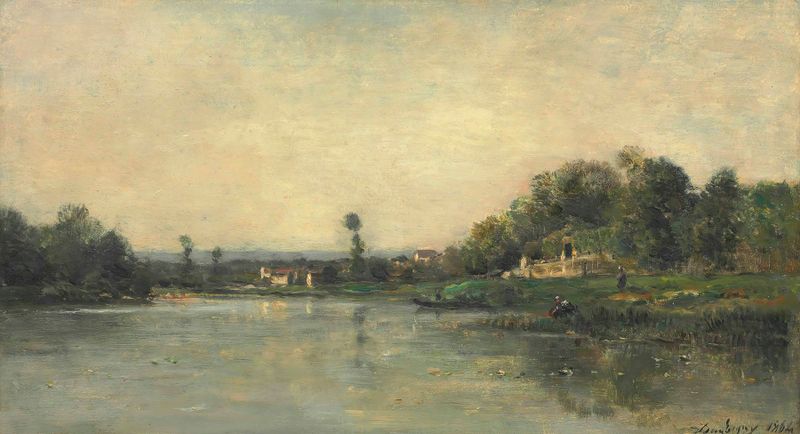
Les Bords De L’oise
Charles François Daubigny
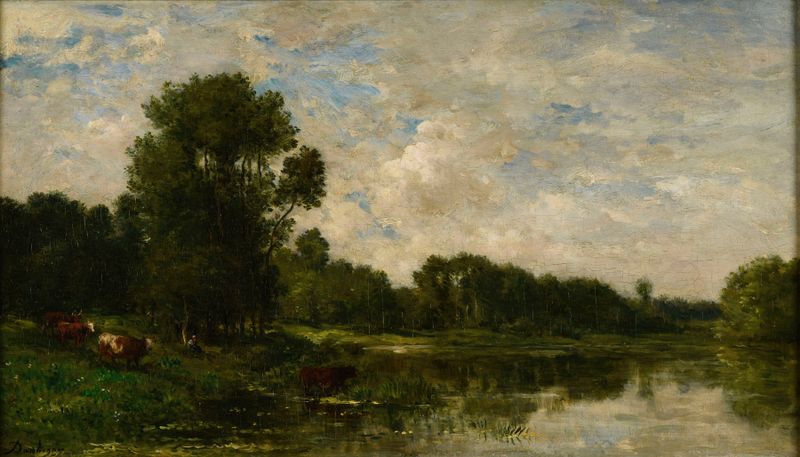
Bords de l’Oise
Charles François Daubigny
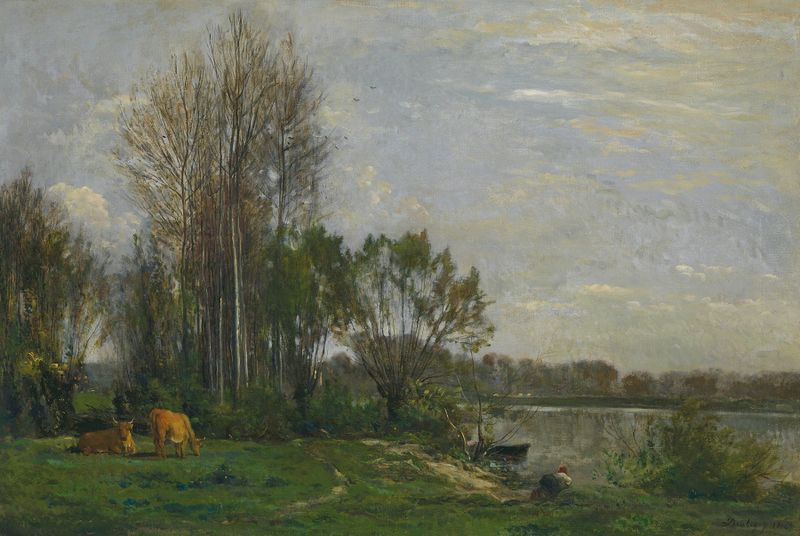
Les Bord De L’oise
Charles François Daubigny
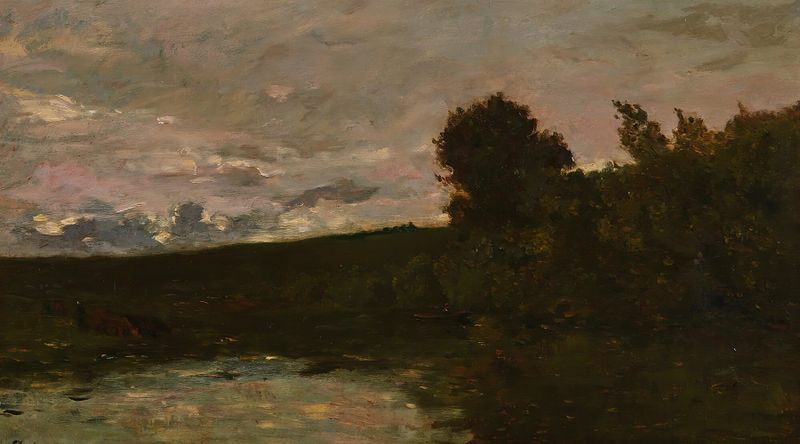
Bord De Riviére
Charles François Daubigny
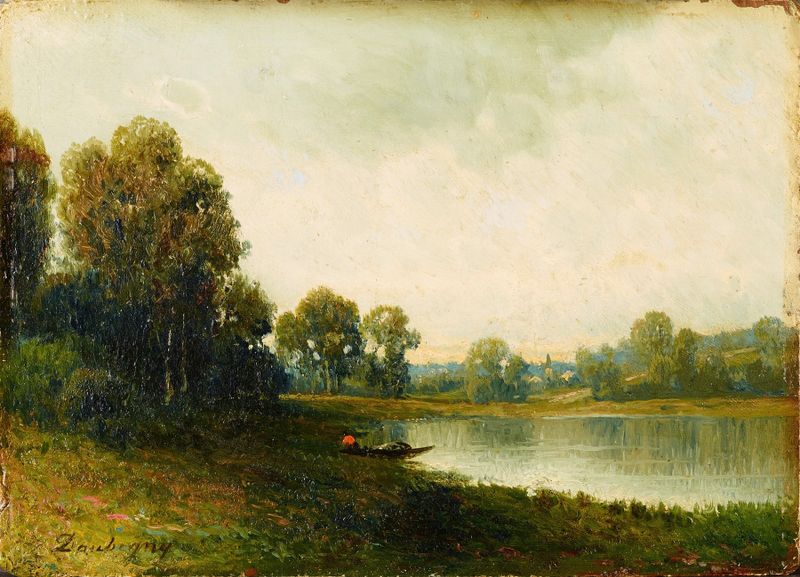
Landscape
Charles François Daubigny
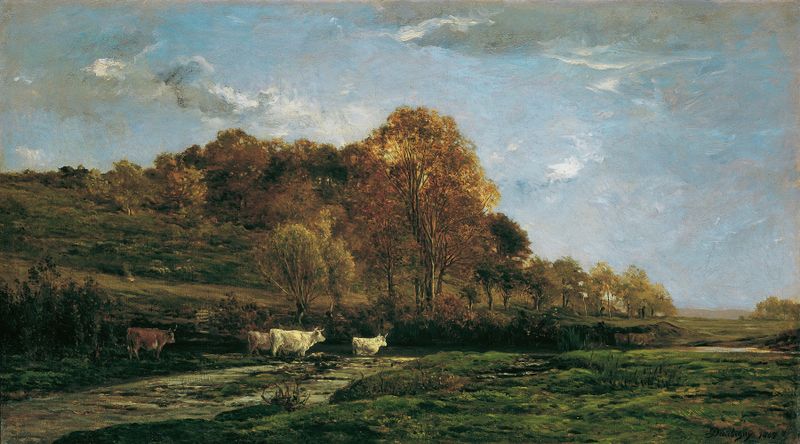
Herbstliche Aulandschaft Abendstimmung
Charles François Daubigny
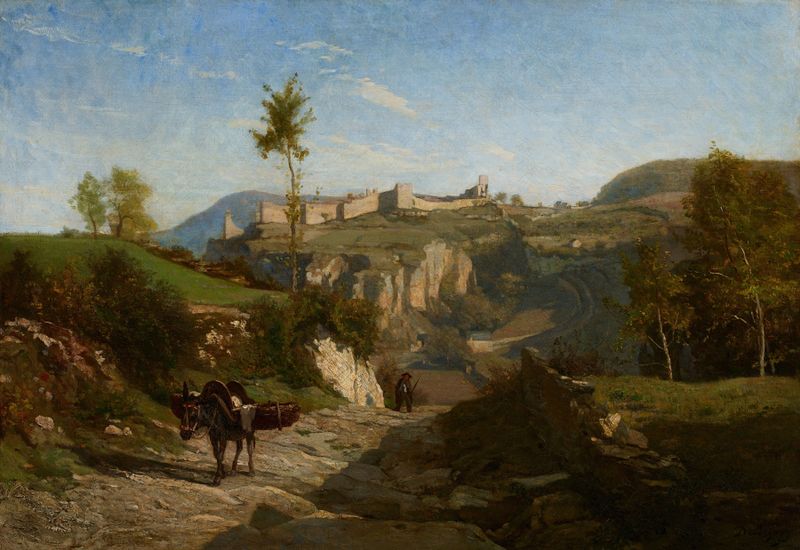
Landscape near Crémieu
Charles François Daubigny





