
Bords De La Loue Avec Rochers À Gauche — History & Facts
In the tranquil embrace of nature, serenity often masks a deeper yearning for solace. Gustave Courbet's Bords De La Loue Avec Rochers À Gauche invites us to ponder the duality of stillness and the complexities that lie beneath. Look to the left at the gentle curve of the river, where the water glistens under the soft, dappled light filtering through the trees. Notice how the muted greens and earthy browns of the landscape blend seamlessly, creating a harmonious yet contemplative atmosphere.
The composition is framed by rugged rocks that anchor the scene, grounding the viewer in the beauty of the natural world while drawing the eye toward the flowing water, symbolizing the passage of time and emotion. Delve deeper, and you’ll discover that the juxtaposition of robust rock formations against the delicate ripples of the river evokes a sense of tension between permanence and transience. The luminous reflections suggest a moment caught between movement and stillness, hinting at the artist's internal struggle with his own identity and place in the world. Each brushstroke serves as a silent testament to the beauty of nature while also echoing the weight of unexpressed feelings beneath the surface. In 1868, Courbet created this piece amid a burgeoning admiration for realism, a movement that sought to depict life as it truly was.
Painting in France, he was navigating the complexities of personal and artistic expression during a time of political upheaval and social change. This work encapsulates his dedication to portraying the natural world honestly, reflecting both the external landscape and the inner emotional landscape of his time.
More Artworks by Gustave Courbet
Browse all →
Marine
Gustave Courbet
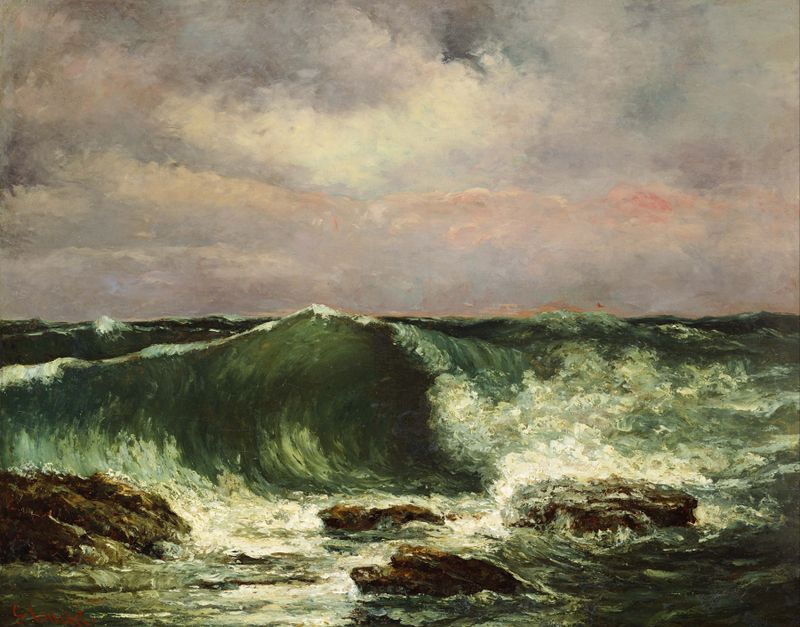
Waves
Gustave Courbet

Étretat; Les Falaises
Gustave Courbet
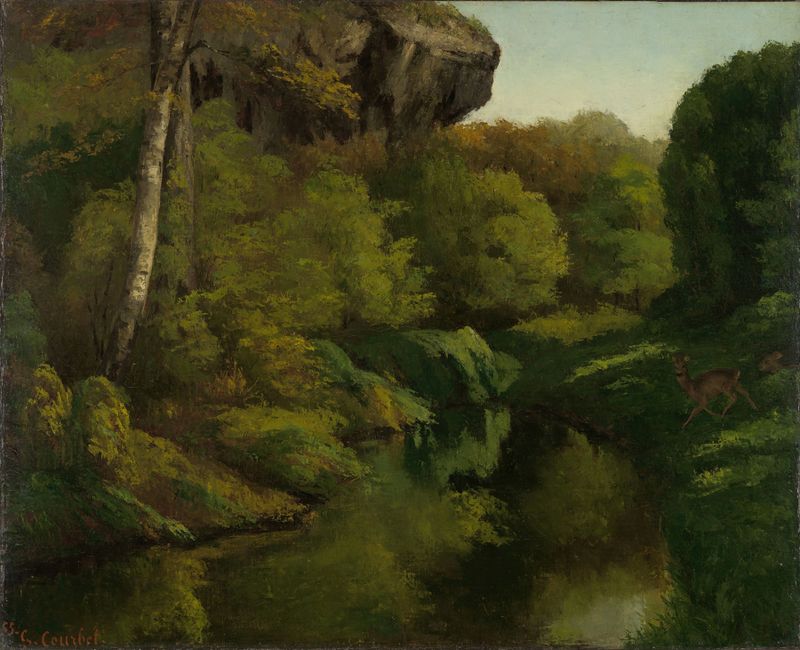
View in the Forest of Fontainebleau
Gustave Courbet
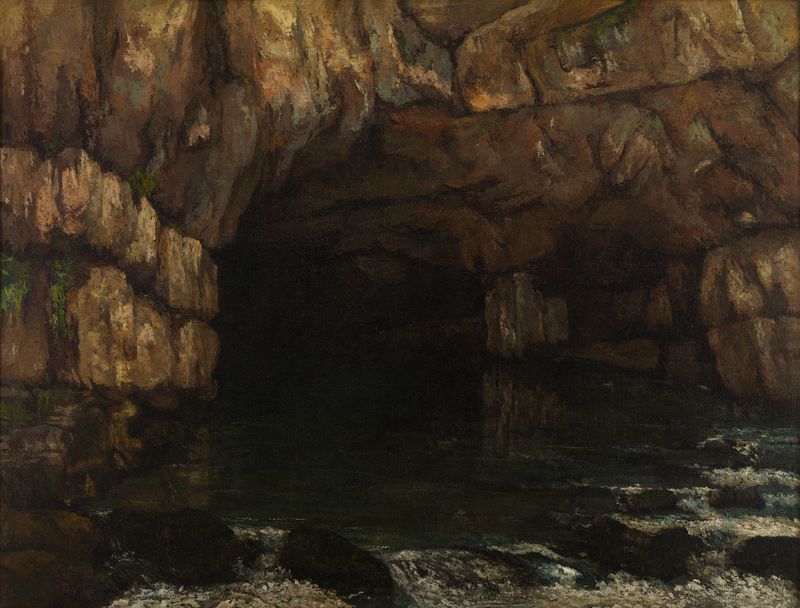
La source de la Loue (The Source of the Loue)
Gustave Courbet

Low Tide at Trouville
Gustave Courbet
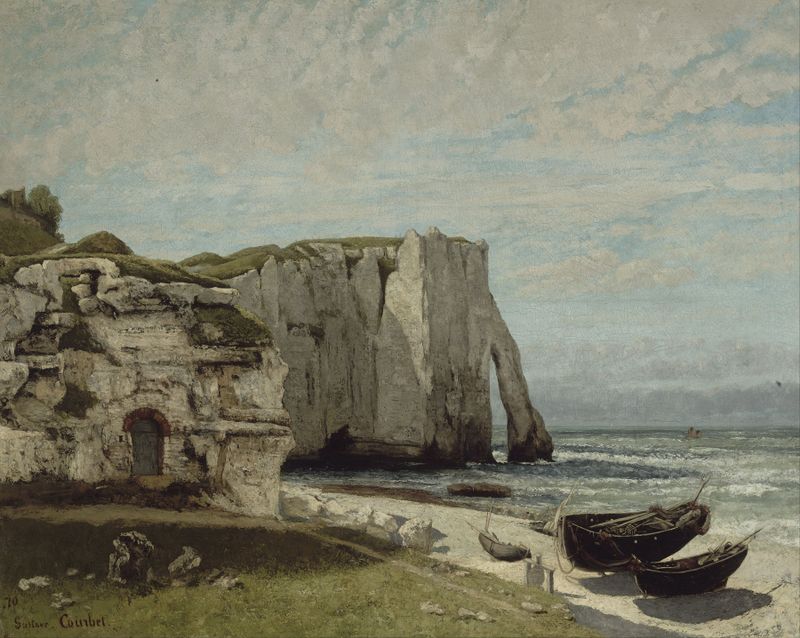
The Etretat Cliffs after the Storm
Gustave Courbet
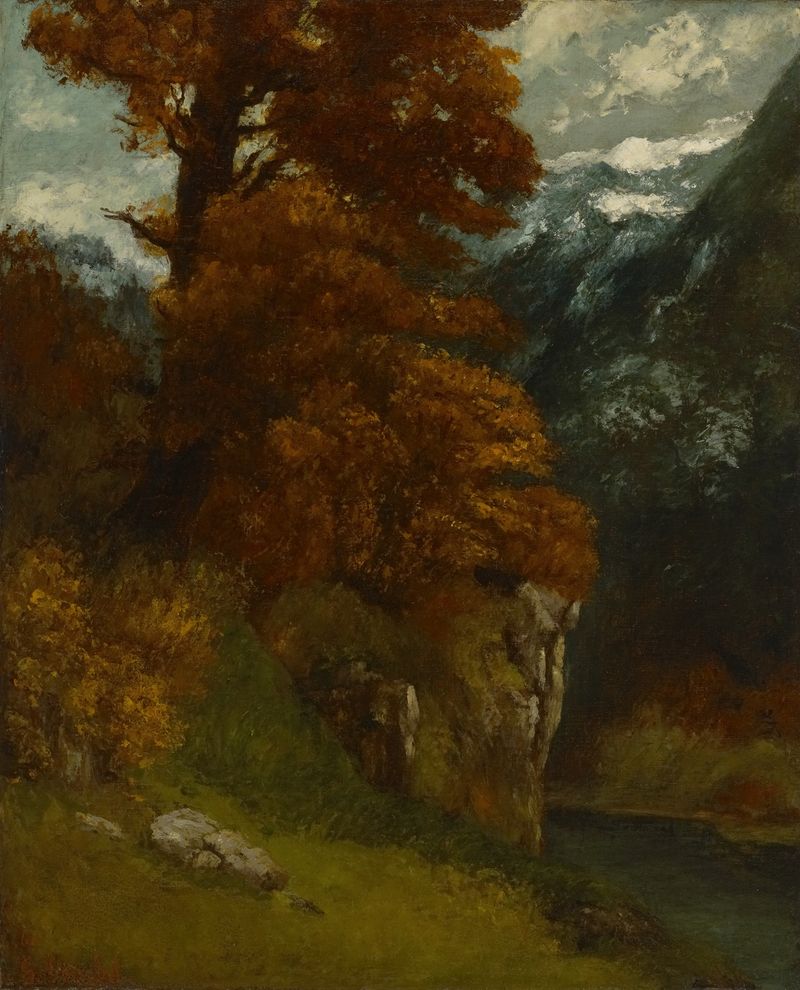
The Glen at Ornans (Bords du Doubs; Effet d’Automne)
Gustave Courbet
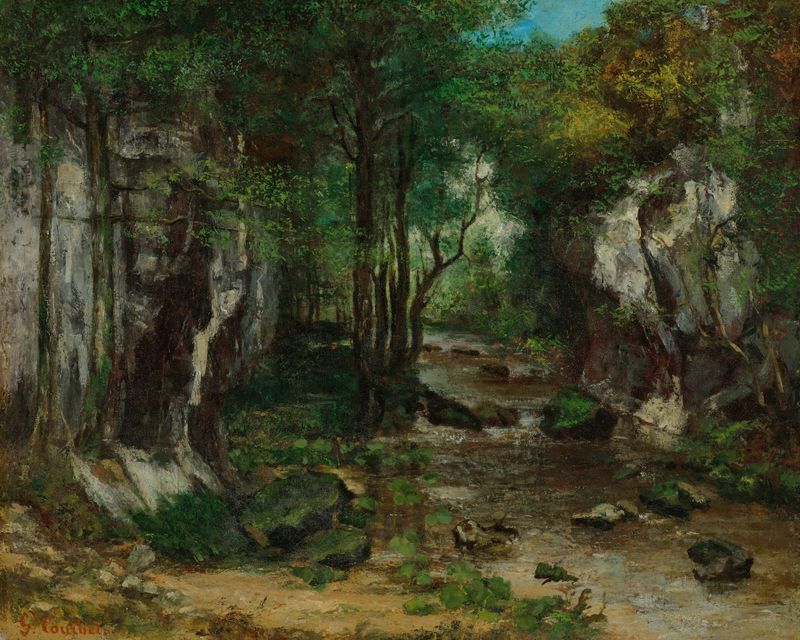
Le Ruisseau de Puits Noir
Gustave Courbet
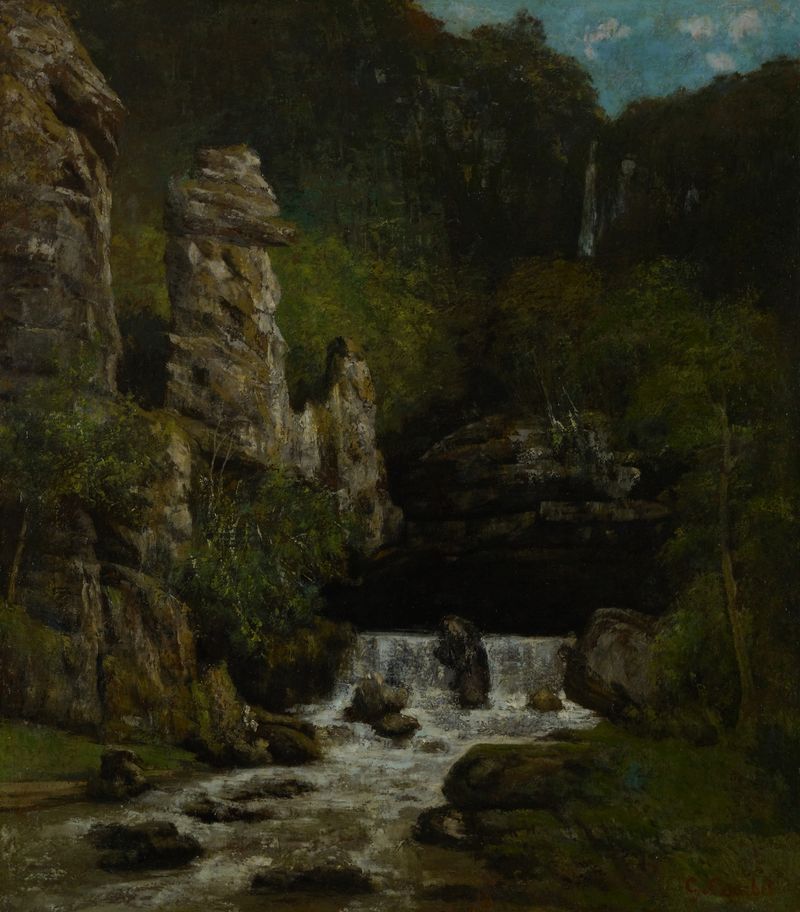
Landscape with a Waterfall
Gustave Courbet





