
Bords de l’Oise, Temps d´Orage — History & Facts
Could beauty survive in a century of chaos? In Bords de l’Oise, Temps d'Orage, the question lingers in the air like the foreboding clouds gathering above the tranquil water. Look to the left where the dark, turbulent sky looms, casting shadows that ripple across the surface of the Oise River. The water itself reflects a palette of deep blues and moody grays, contrasting sharply with the vibrant greens of the riverbank foliage. As your gaze shifts to the horizon, notice the figures in the distance, ephemeral silhouettes caught between the encroaching storm and the serenity of nature.
The brushwork is loose and expressive, allowing the viewer to feel the dynamic energy of the moment, as if the very atmosphere vibrates with tension. Within this scene lies a poignant juxtaposition: the chaos of nature against the calm of the human presence. The impasto technique captures the weight of impending rain, while the tranquil figures suggest resilience amidst the turmoil. The emptiness of the foreground invites contemplation, pulling us into a space that feels both solitary and collective—an echo of our own quiet struggles against the chaos that surrounds us. In 1872, Daubigny painted this piece during a transitional period in his life, marked by both personal challenges and an evolving artistic landscape in France.
The Impressionist movement was gaining momentum, and while he was not part of it, his work was heavily influenced by its principles. During this time, the artist found inspiration in the rural landscapes of his homeland, reflecting a deep connection to nature and an enduring quest for serenity amidst a rapidly changing world.
More Artworks by Charles François Daubigny
Browse all →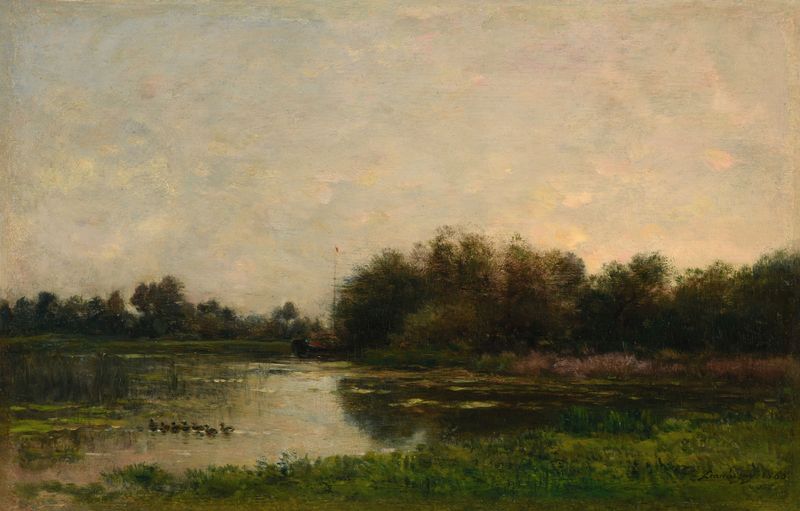
Bords de l’Oise
Charles François Daubigny
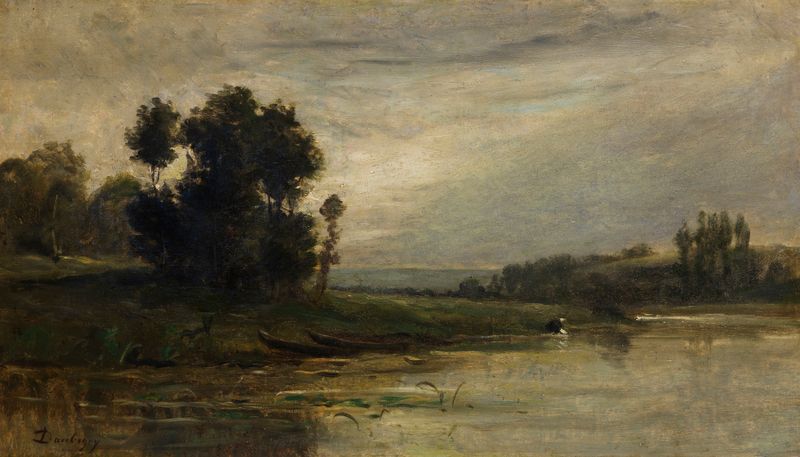
Bords de l’Oise
Charles François Daubigny
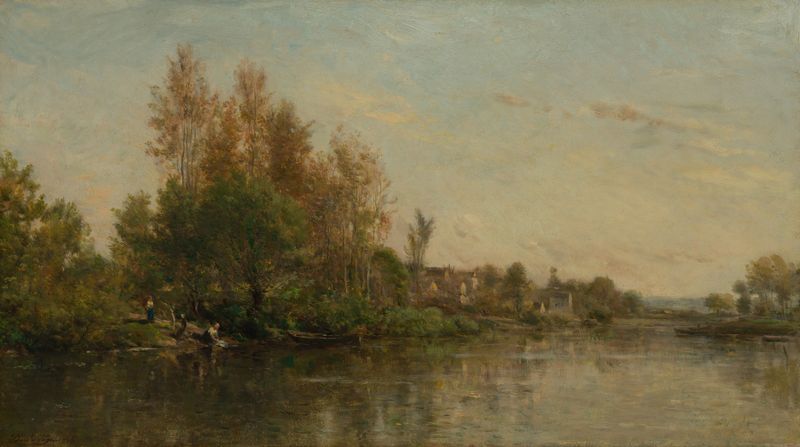
The Banks of the Oise
Charles François Daubigny
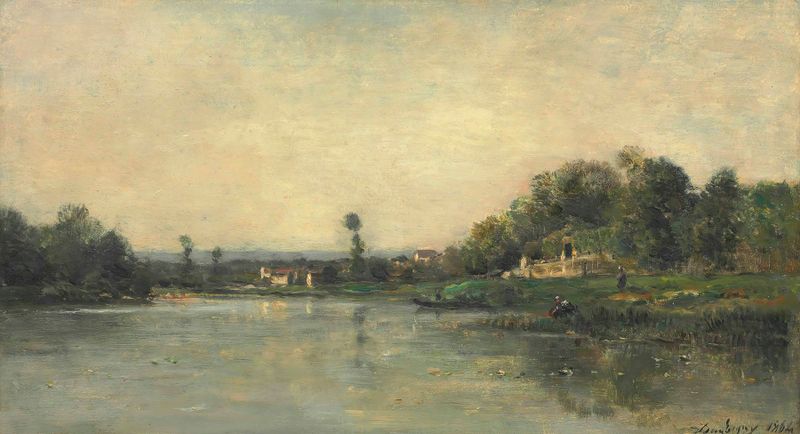
Les Bords De L’oise
Charles François Daubigny
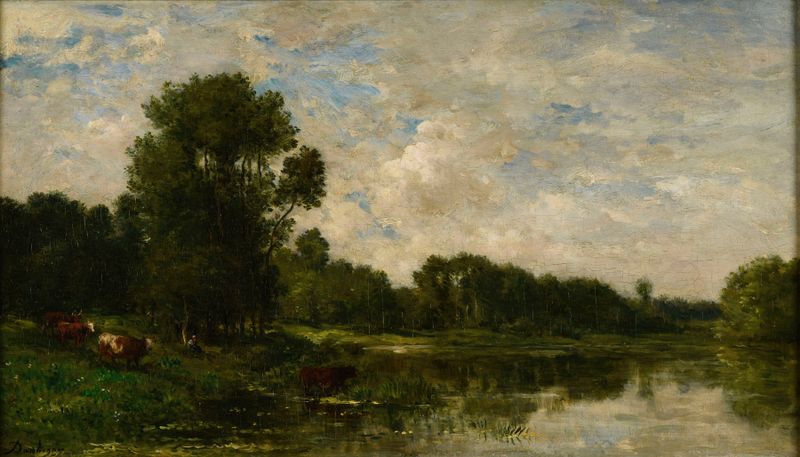
Bords de l’Oise
Charles François Daubigny
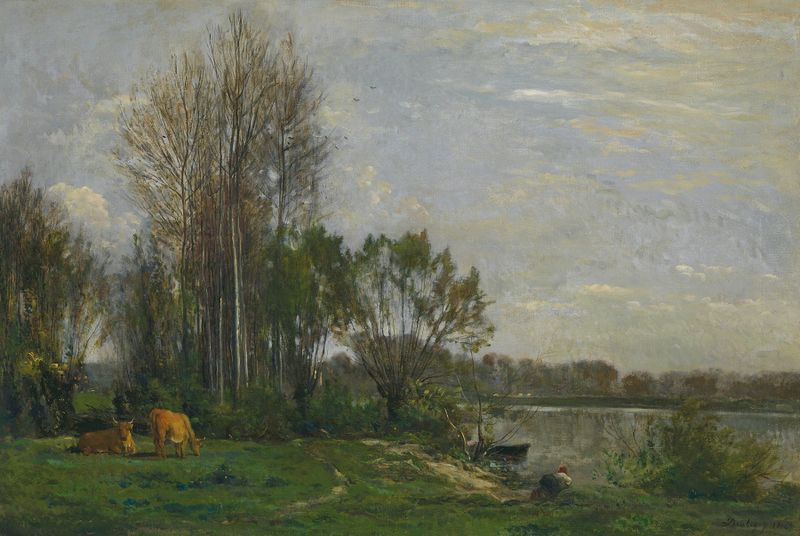
Les Bord De L’oise
Charles François Daubigny
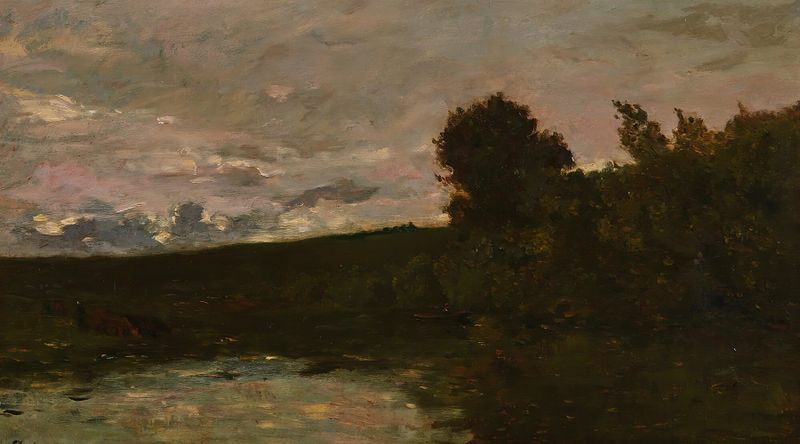
Bord De Riviére
Charles François Daubigny
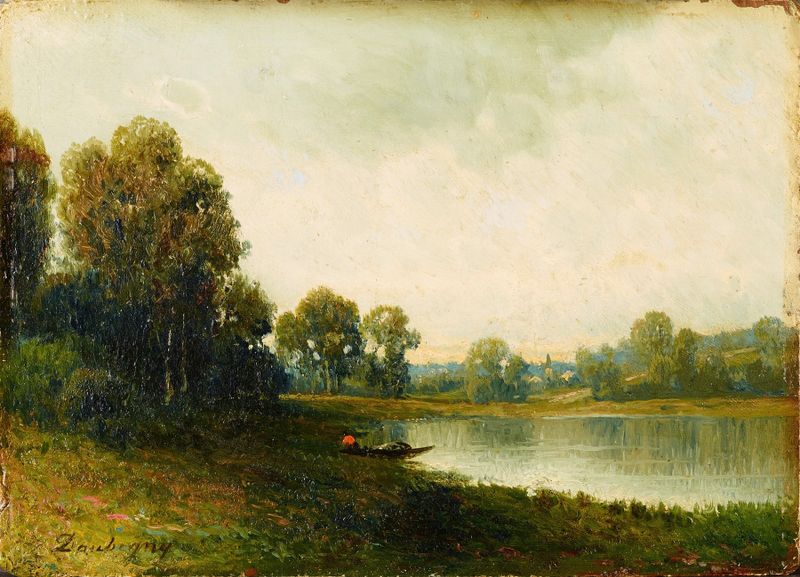
Landscape
Charles François Daubigny
Herbstliche Aulandschaft Abendstimmung
Charles François Daubigny
Landscape near Crémieu
Charles François Daubigny





