
Bords de rivière — History & Facts
Could a single brushstroke hold eternity? In Bords de rivière, the tranquil yet complex interplay of nature invites a contemplation of beauty intertwined with a sense of betrayal, as ephemeral moments slip through our fingers like water. Look closely at the verdant foliage on the left, where vibrant greens contrast with the deep sapphire reflections of the river. The artist's deft brushwork captures the gentle ripple of the water and the shadowy recesses along the bank, drawing the viewer's gaze toward the horizon. Notice how the light filters through the leaves, creating dappled patterns on the surface—a fleeting reminder of the passage of time, both serene and unsettling. Amidst the idyllic scene, subtle tensions emerge.
The stillness of the river hints at the quiet beneath the surface, as if it conceals untold stories or secrets lost to the currents. The interplay of light and dark within the foliage evokes emotions of longing and nostalgia, suggesting that even the most beautiful moments can harbor a sense of betrayal—an unconscious reminder that all is transient, that peace may be but a prelude to loss. Harpignies painted this work in 1892, during a period when he was searching for a balance between Impressionism and a more classical style. Living in France amidst the rise of modern art, he was influenced by the changing perceptions of nature and the role of emotion in art.
This painting reflects not only his personal exploration but also the broader artistic currents of the time, merging beauty with the complexities of human experience.
More Artworks by Henri-Joseph Harpignies
Browse all →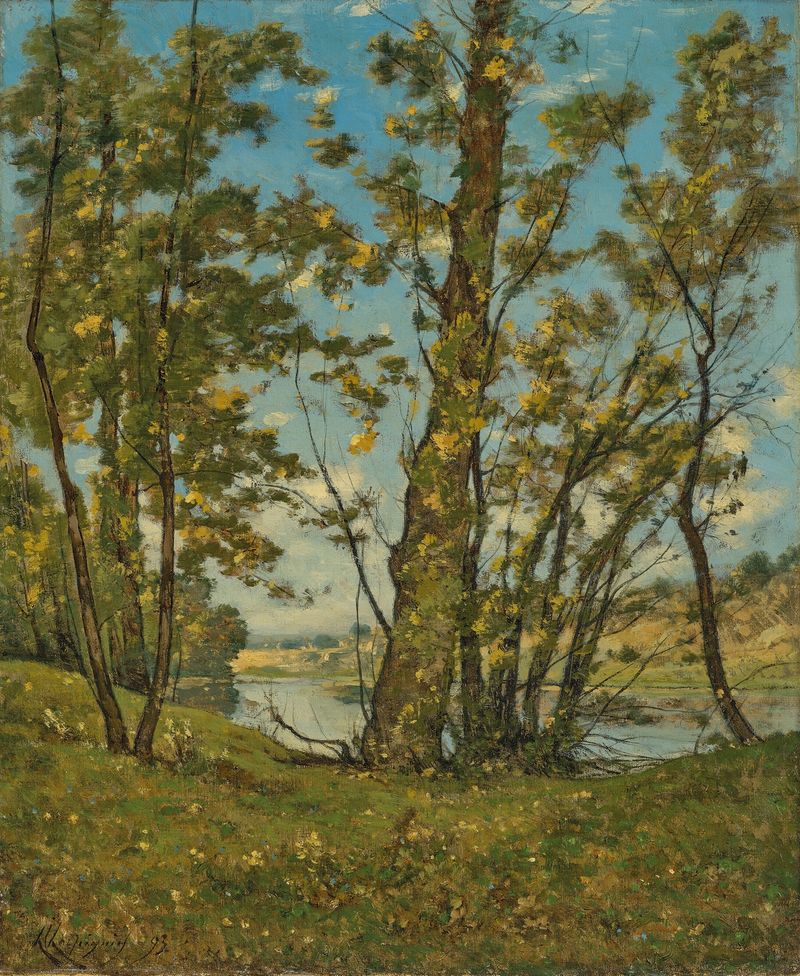
La Loire à Bonny
Henri-Joseph Harpignies
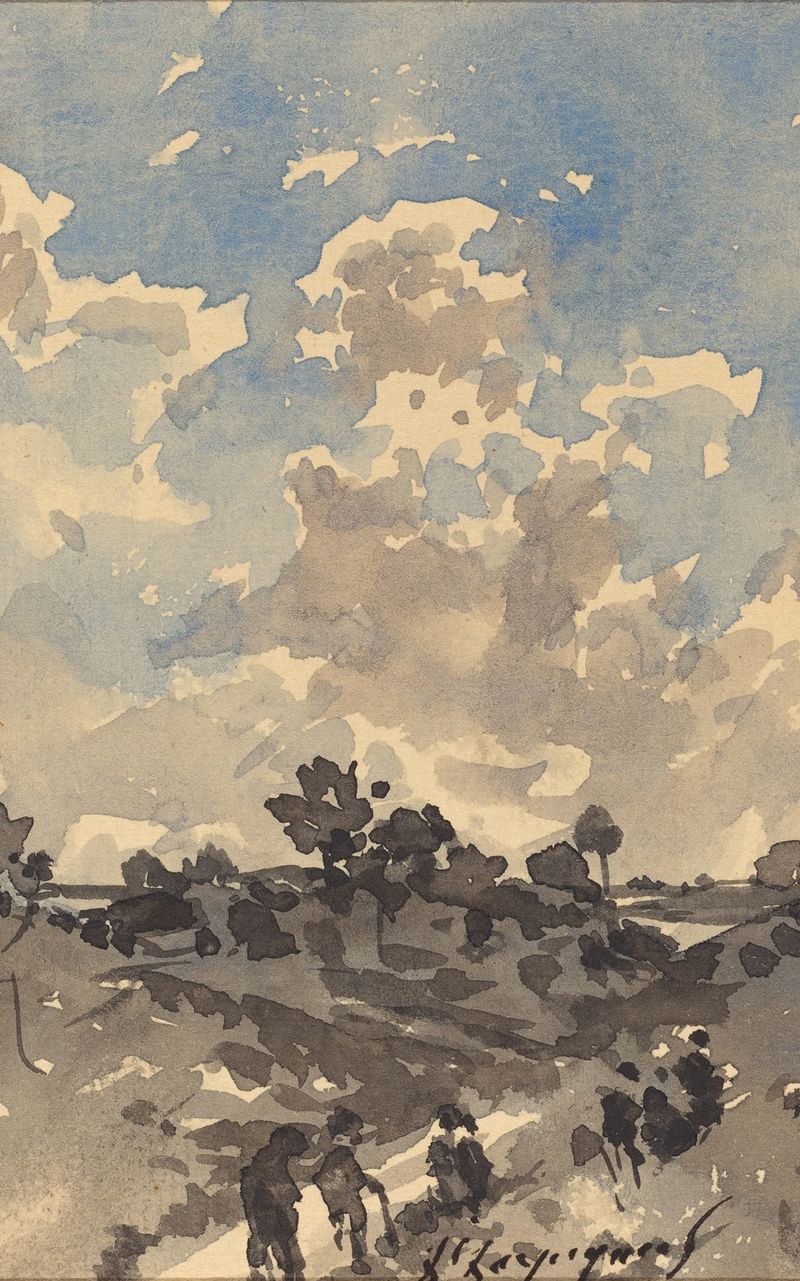
A Landscape with Figures Walking along a Path
Henri-Joseph Harpignies
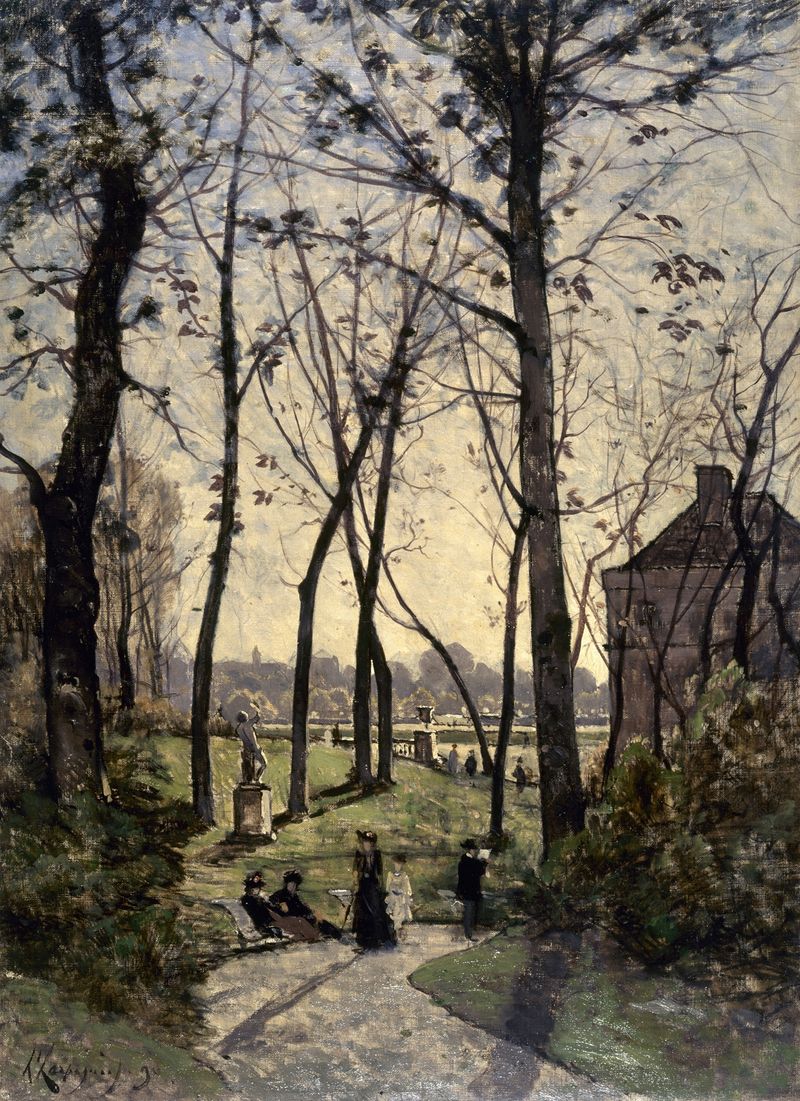
Le jardin du Luxembourg
Henri-Joseph Harpignies
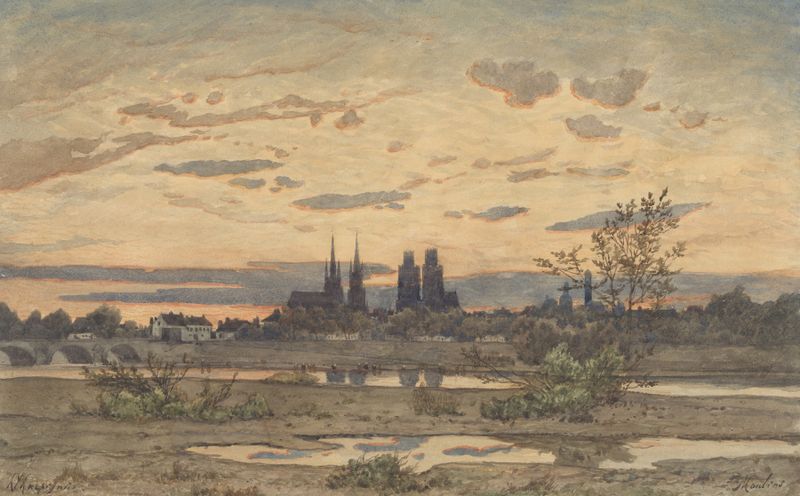
A View of Moulins
Henri-Joseph Harpignies
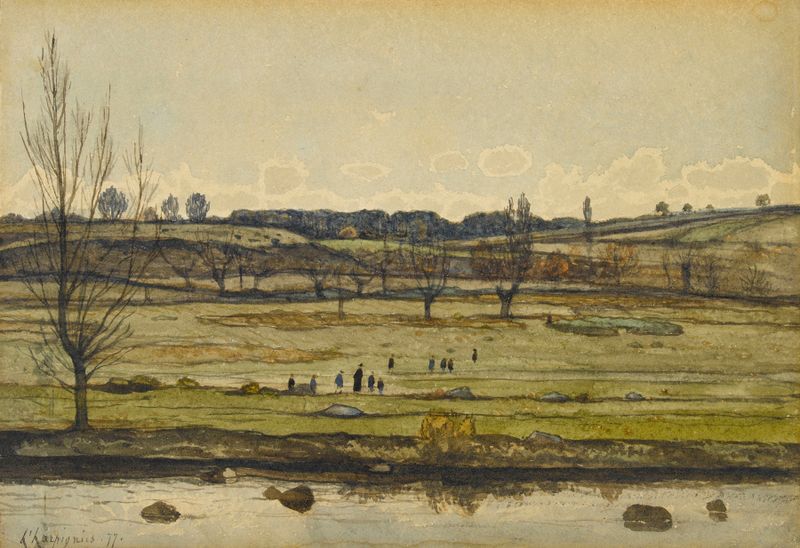
Paysage
Henri-Joseph Harpignies
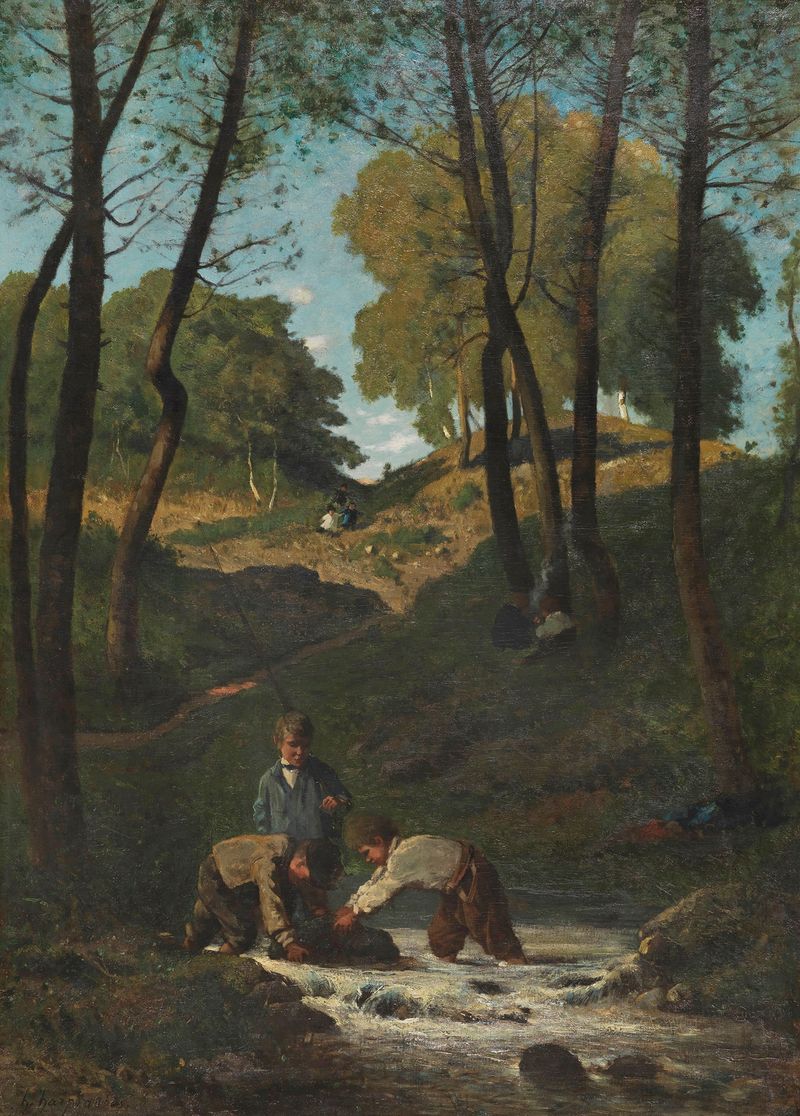
Chercheurs d’écrevisses
Henri-Joseph Harpignies
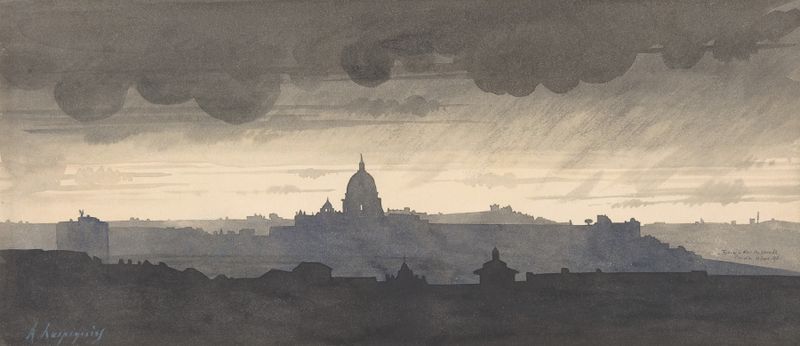
Saint Peter’s Seen From the Pincio, Rome
Henri-Joseph Harpignies
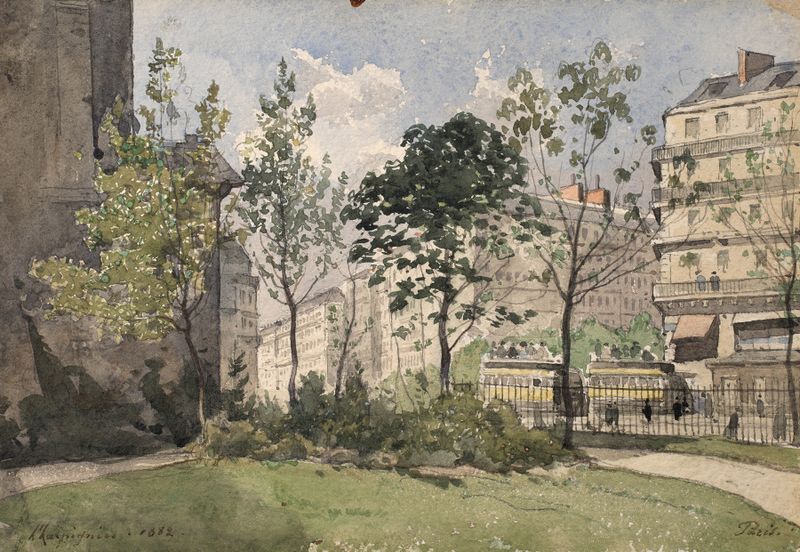
View of the forecourt of the Saint-Germain-des-Prés church
Henri-Joseph Harpignies
Le Colisée à Rome
Henri-Joseph Harpignies

Villefranche
Henri-Joseph Harpignies





