
Bords Du Fleuve — History & Facts
In moments of stillness, we find our essence reflected in nature's embrace—an intimate dance of light and shadow that beckons introspection. Look to the center of Bords Du Fleuve, where the serene surface of the river mirrors the soft hues of twilight. The delicate brushstrokes create a gentle undulation across the water, while the trees lining the bank rise majestically, their leaves whispering secrets to the approaching dusk. Notice how the fading sunlight casts long, golden shadows that blend seamlessly with the cool blues of the evening sky, inviting the viewer into a tranquil reverie. Within this quiet scene, emotional tensions lie just beneath the surface.
The juxtaposition of warmth and coolness suggests a fleeting moment—the transition from day to night. The viewer can sense both the peace of solitude and a subtle yearning for connection; the solitary boat in the foreground hints at journeys untaken. Each element, from the lush greenery to the reflective water, speaks to the transience of nature, evoking a profound sense of longing for transcendence. In 1873, while painting this work, Daubigny was deeply engaged with the Impressionist movement emerging in France.
He was based in Auvers-sur-Oise, exploring themes of landscape and light. This period was pivotal for him, as he sought to capture the ephemeral beauty of nature, aligning his vision with those of his contemporaries, yet distinctly imprinting his own stylistic nuances upon the canvas.
More Artworks by Charles François Daubigny
Browse all →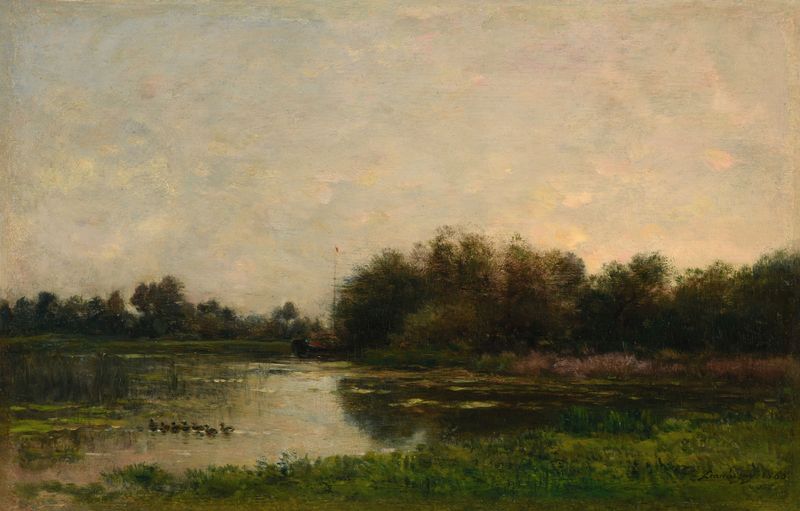
Bords de l’Oise
Charles François Daubigny
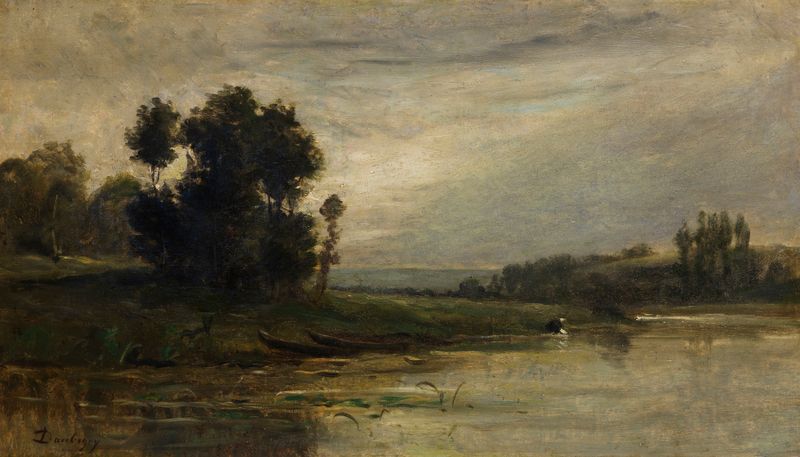
Bords de l’Oise
Charles François Daubigny
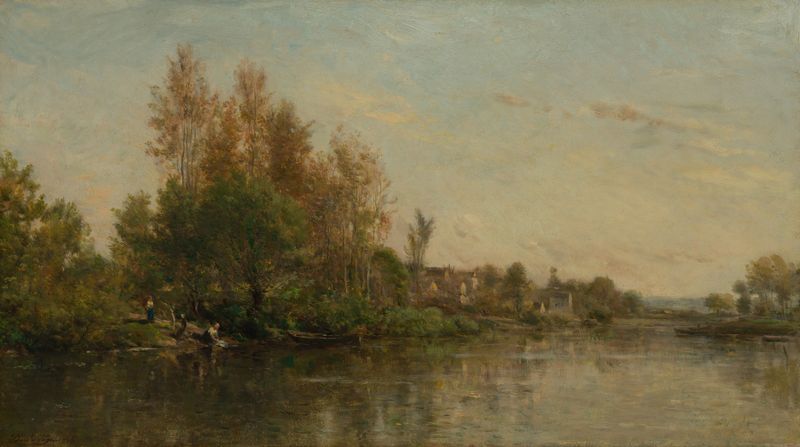
The Banks of the Oise
Charles François Daubigny
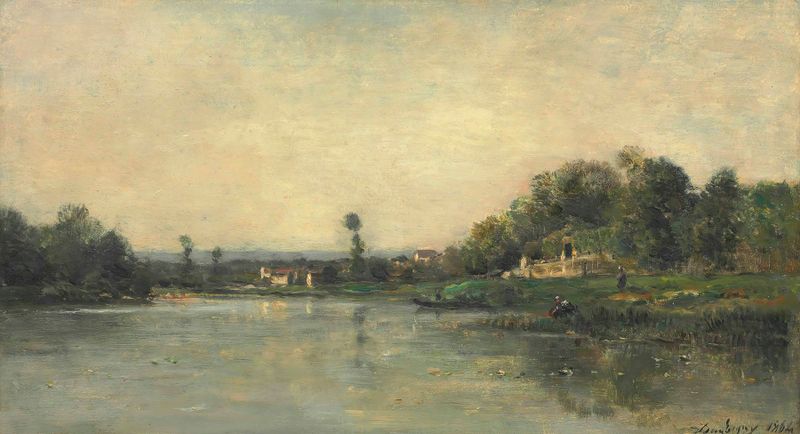
Les Bords De L’oise
Charles François Daubigny
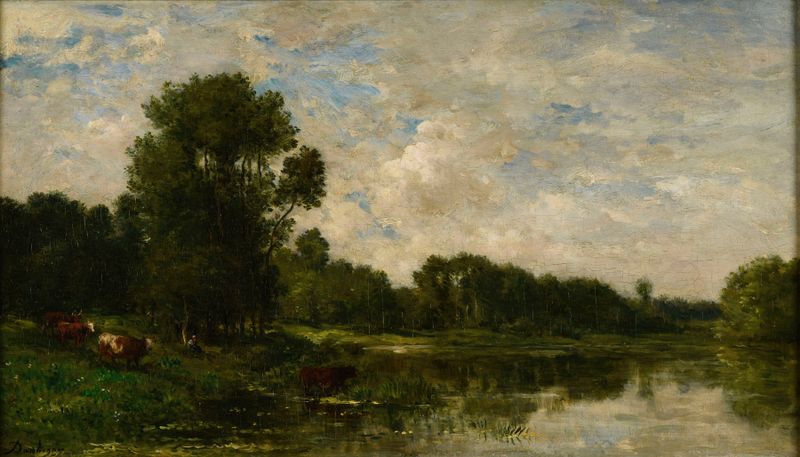
Bords de l’Oise
Charles François Daubigny
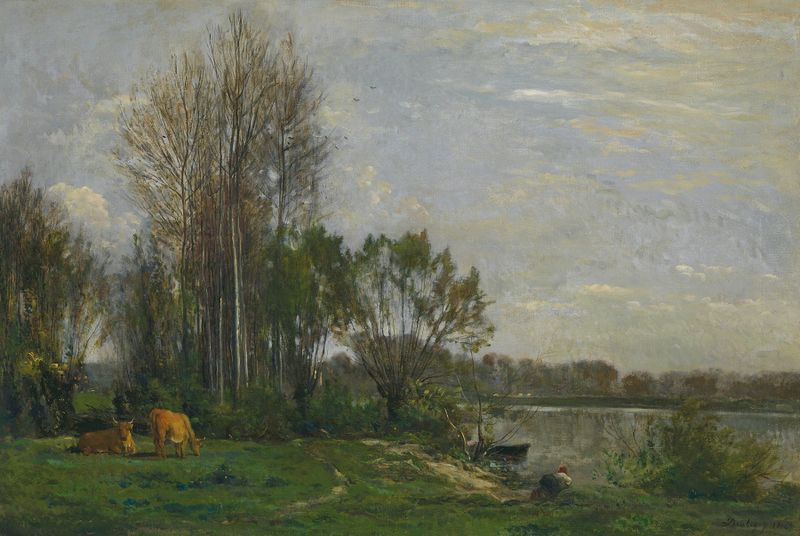
Les Bord De L’oise
Charles François Daubigny
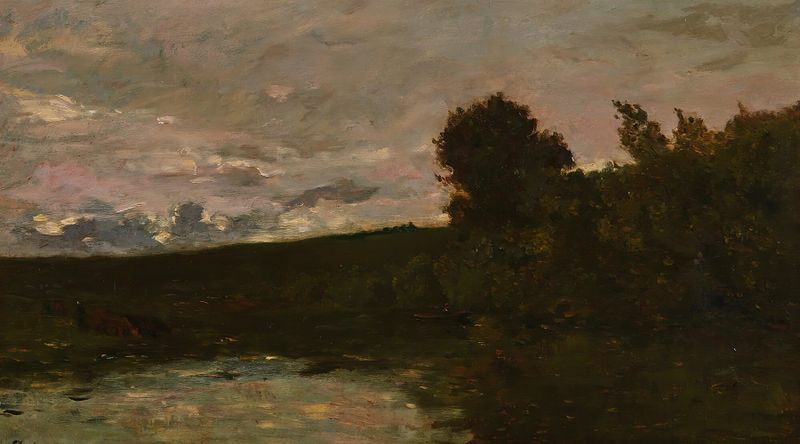
Bord De Riviére
Charles François Daubigny
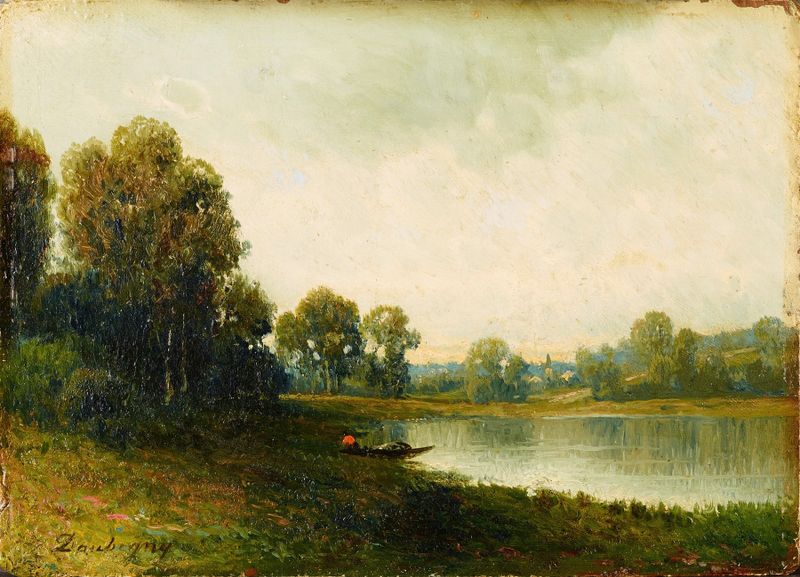
Landscape
Charles François Daubigny
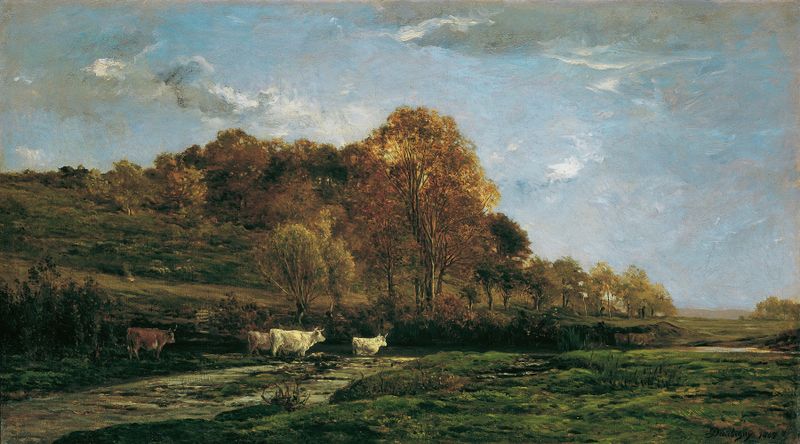
Herbstliche Aulandschaft Abendstimmung
Charles François Daubigny
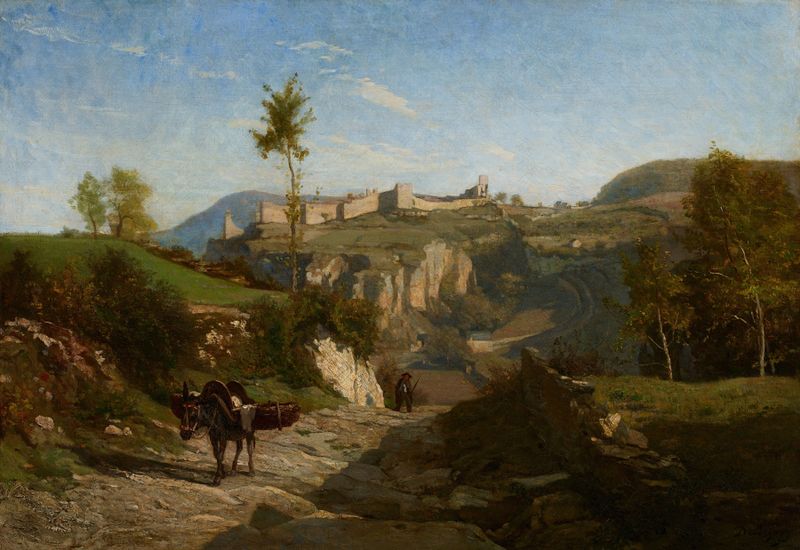
Landscape near Crémieu
Charles François Daubigny





