
Bords du fleuve — History & Facts
Who listens when art speaks of silence? In Bords du fleuve, an ethereal stillness envelops a riverbank, inviting deep contemplation and an ecstatic connection to nature’s quiet moments. Focus on the gentle curve of the river, where the water mirrors the soft hues of dusk. Notice how the light sifts through the foliage, casting delicate shadows on the verdant banks. The brushwork is both loose and deliberate, creating a sense of fluidity that mimics the ebb and flow of the water.
As you explore the composition, let your gaze meander from the lush greenery to the serene surface of the river, where reflections dissolve into the canvas, harmonizing the earthly with the ephemeral. Within the lushness, there lies an emotional tension between tranquility and awareness. The placid water holds a stillness that feels sacred, evoking a sense of ecstasy in the viewer, while the vibrant greens signal life’s pulse. The playful interplay of light and shadow speaks to the transient beauty of nature, suggesting a fleeting moment caught in time—a reminder of how silence can echo loudly in the heart. In 1873, Daubigny painted this work during a period marked by his exploration of the French countryside.
Living in Auvers-sur-Oise, he was influenced by the impressionist movement, embracing a more direct connection to nature. His brushbroke style and focus on natural landscapes represented a departure from the rigid conventions of academic painting, reflecting a broader shift in how art could encapsulate emotion and experience.
More Artworks by Charles François Daubigny
Browse all →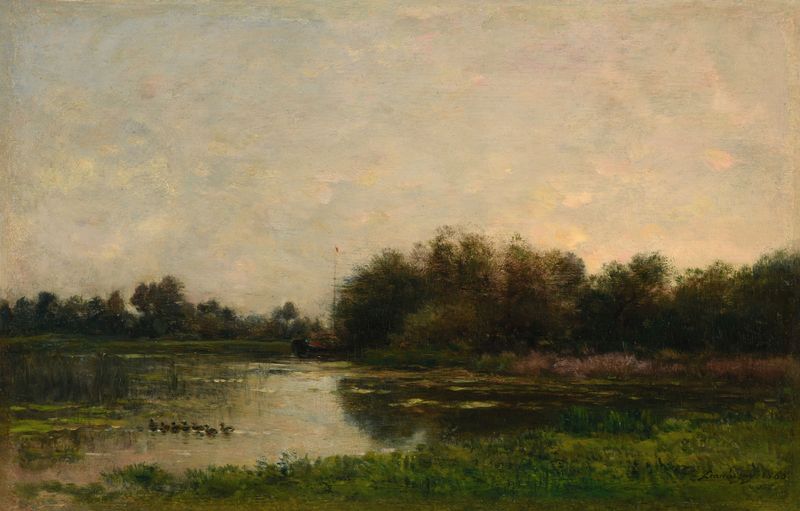
Bords de l’Oise
Charles François Daubigny
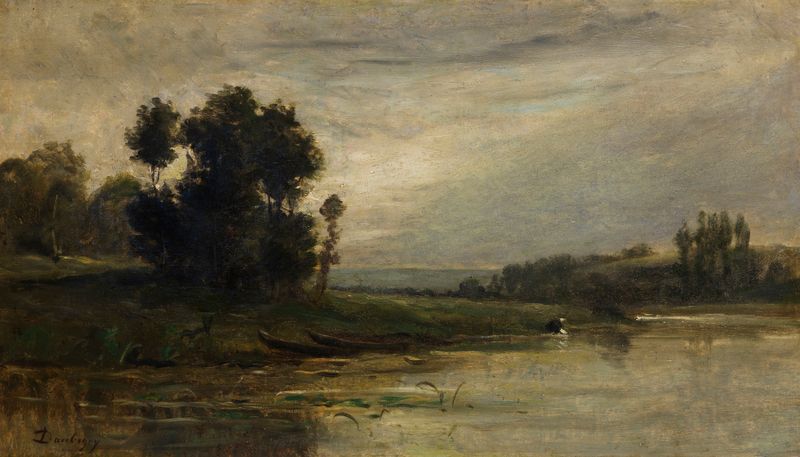
Bords de l’Oise
Charles François Daubigny
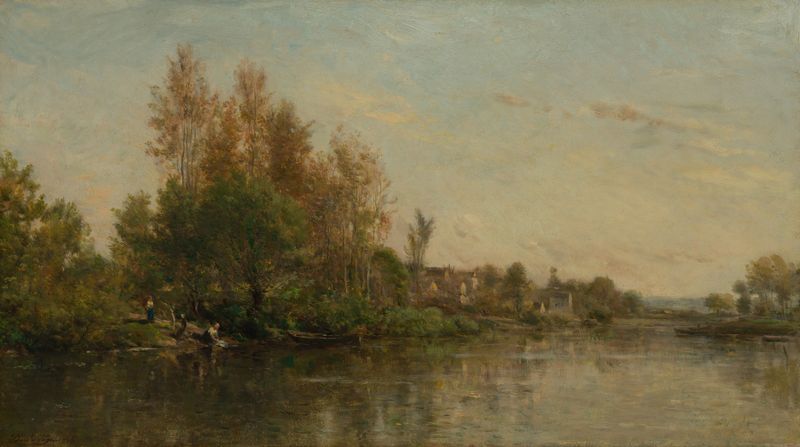
The Banks of the Oise
Charles François Daubigny
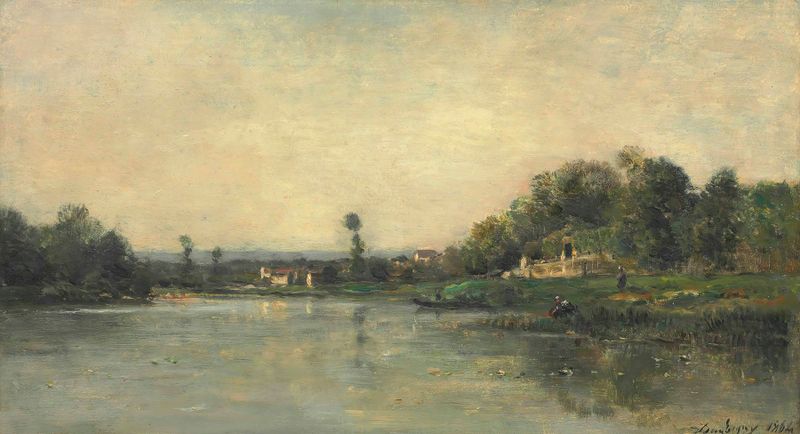
Les Bords De L’oise
Charles François Daubigny
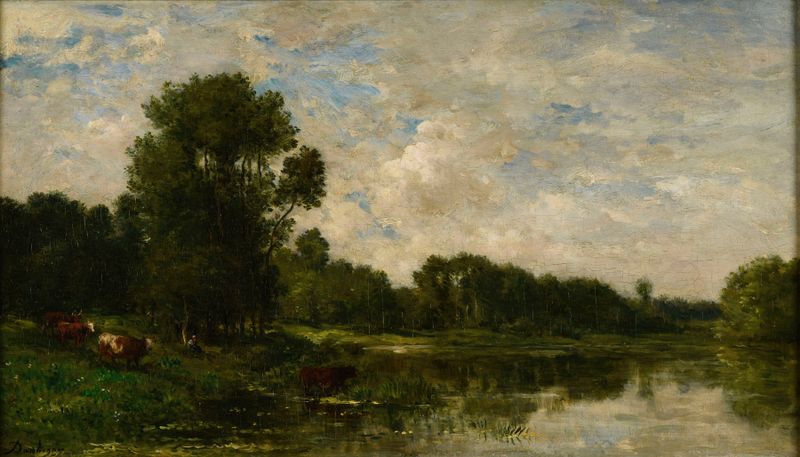
Bords de l’Oise
Charles François Daubigny
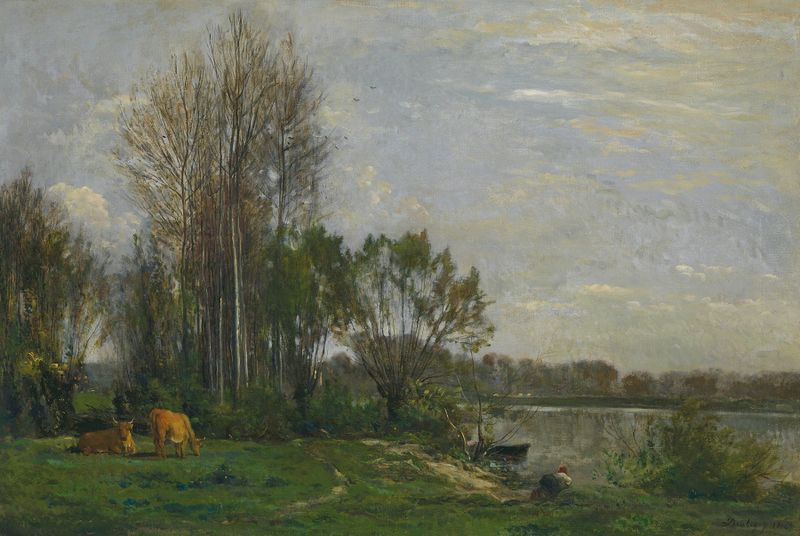
Les Bord De L’oise
Charles François Daubigny
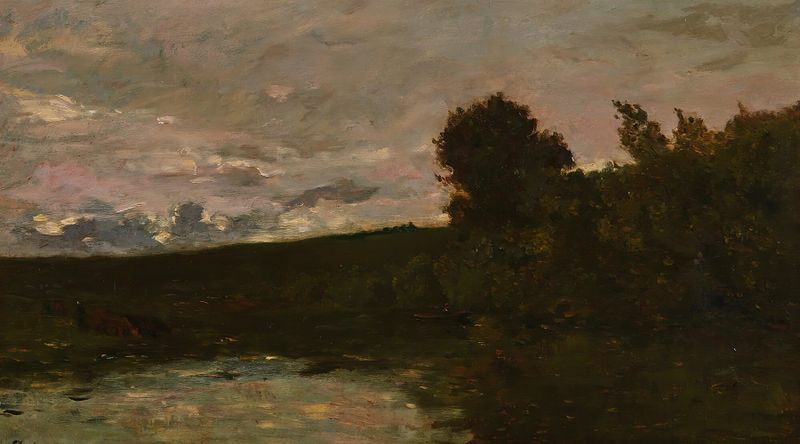
Bord De Riviére
Charles François Daubigny
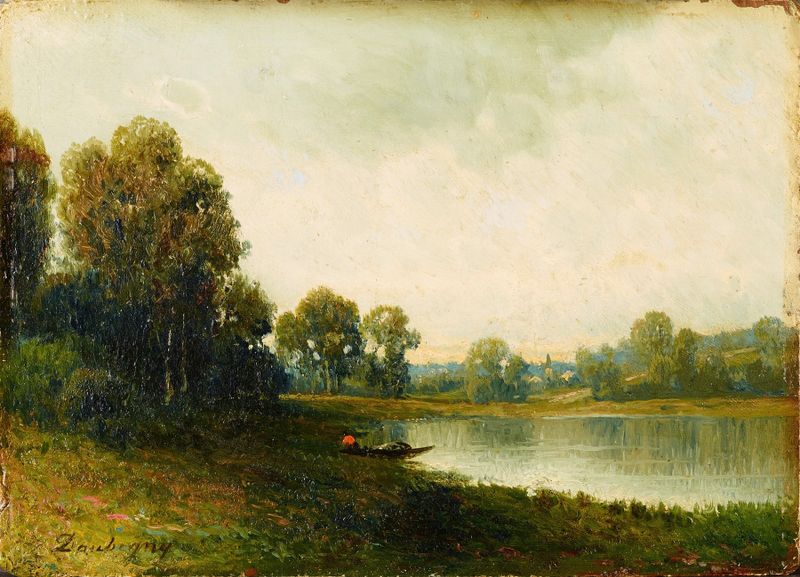
Landscape
Charles François Daubigny
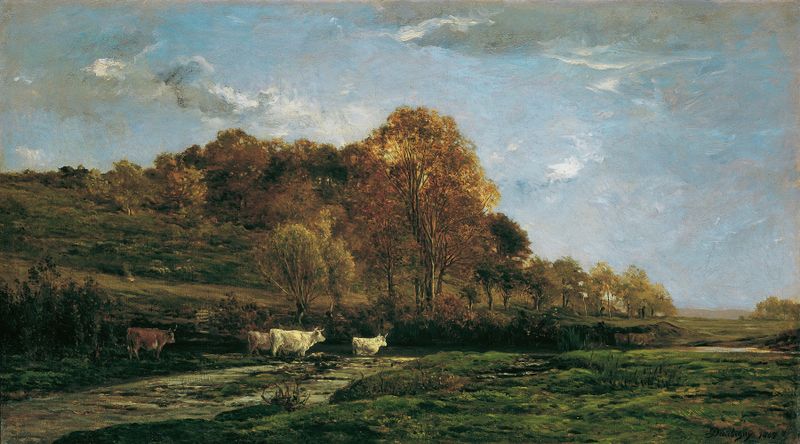
Herbstliche Aulandschaft Abendstimmung
Charles François Daubigny
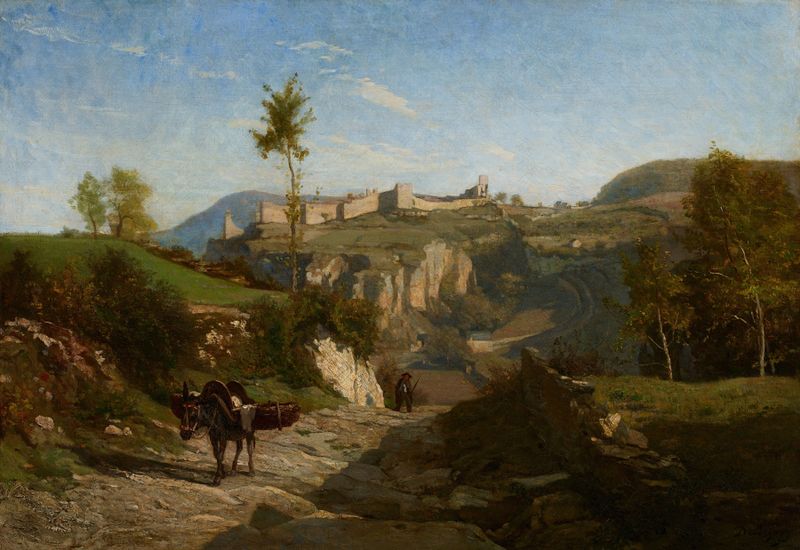
Landscape near Crémieu
Charles François Daubigny





