
Bosco ai Frati Altarpiece — History & Facts
When the friars of the remote Bosco ai Frati monastery in Tuscany returned after years of abandonment, they found themselves in need of a new altarpiece to mark their revival. It was Cosimo de’ Medici, the powerful Florentine patron, who commissioned Fra Angelico—already famed for his luminous devotion—to create a work worthy of the monastery’s rebirth around 1450. The result, the Bosco ai Frati Altarpiece, is not only one of the largest surviving panels by Fra Angelico, but also a rare example of his late style, created just before his final years in Rome.
Its scale and complexity suggest it was intended as a spiritual beacon for the friars and pilgrims alike. At the heart of the altarpiece, the Madonna sits enthroned, the Christ Child on her lap, surrounded by a gathering of saints: Francis, Dominic, Cosmas, Damian, and others, each rendered with individual attention and quiet dignity. Fra Angelico chooses the moment of serene intercession, where saints and angels turn toward the Virgin and Child, presenting the hopes and prayers of the faithful. The delicate gold haloes, the gentle gestures—Saint Francis’ humble hands, Saint Cosmas’ attentive gaze—signal their roles as protectors and healers.
The deep blue of Mary’s robe, achieved with costly lapis lazuli, anchors the composition, while the architectural throne recalls contemporary Florentine design. Unlike Masaccio’s more dramatic Madonna and Child with Saint Anne, Fra Angelico’s figures seem to inhabit a world of quiet harmony, inviting contemplation rather than confrontation. The journey of the Bosco ai Frati Altarpiece mirrors the history of its home: after centuries in the monastery, it was removed during the Napoleonic suppressions and later returned to the friars. Its attribution to Fra Angelico was never in serious doubt, though some scholars have debated the extent of workshop participation, given its size and date.
Today, the altarpiece remains at Bosco ai Frati, a testament to the Medici’s patronage and the artist’s enduring vision. For Fra Angelico, this work stands as a late-career synthesis—combining the clarity of his early panels with the grandeur and warmth of his mature style, and offering a window into the devotional life of Renaissance Tuscany.
More Artworks by Fra Angelico

Condemnation of St Lawrence by the Emperor Valerian
Fra Angelico
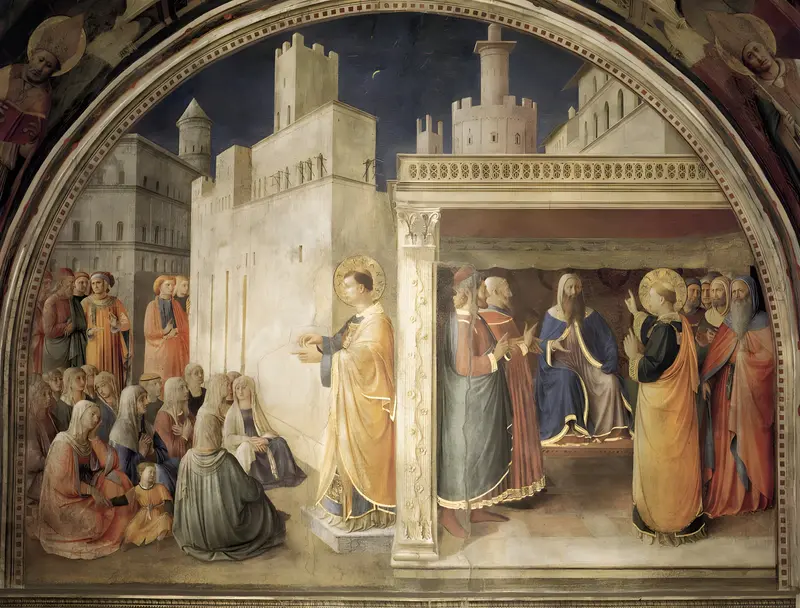
Lunette of the north wall
Fra Angelico
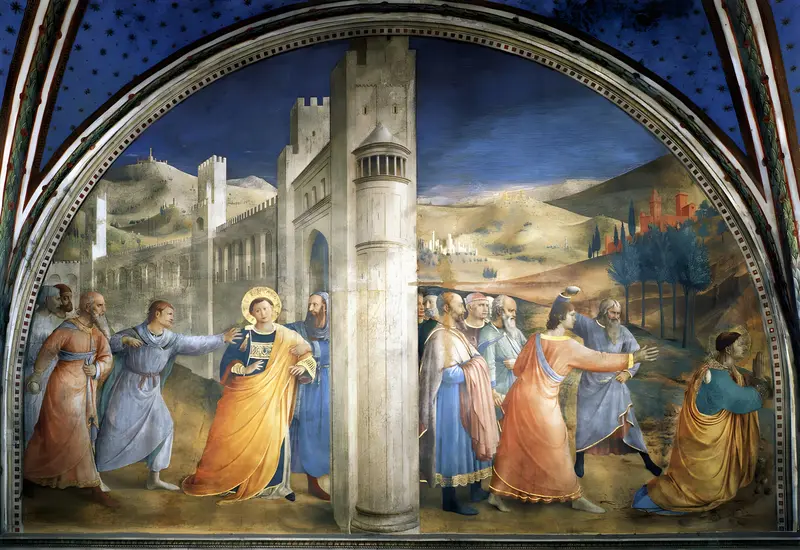
Lunette of the east wall in Niccoline Chapel
Fra Angelico
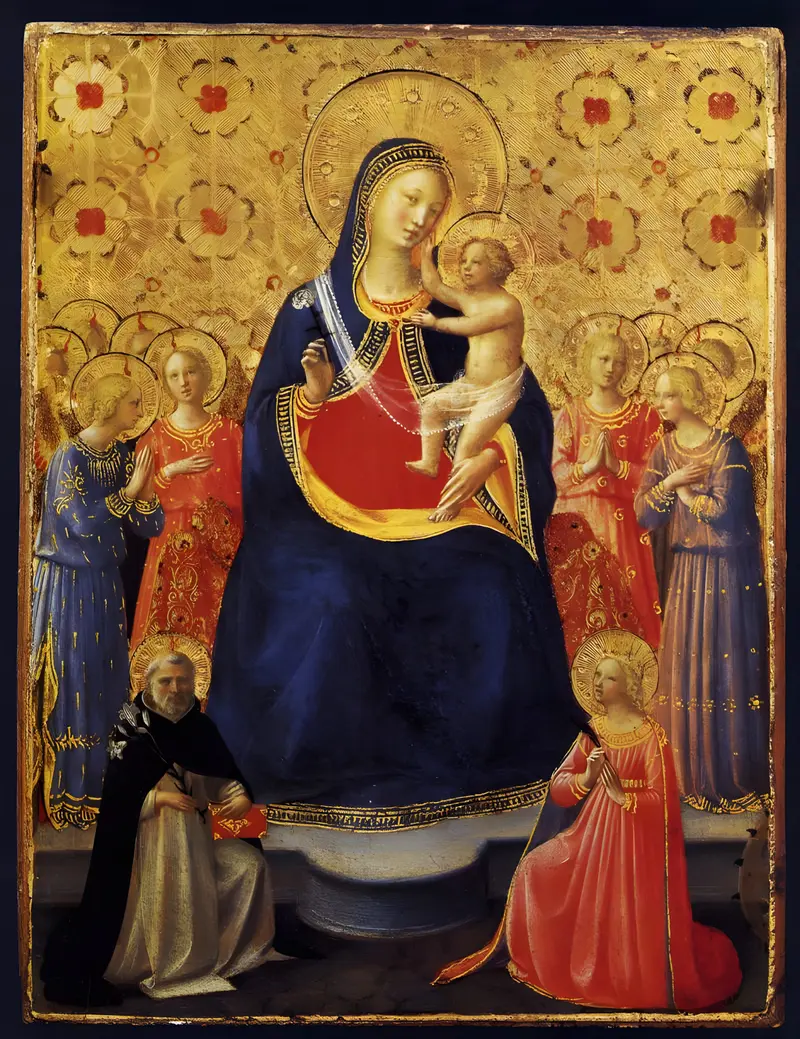
Madonna and Child Enthroned with Nine Angels and Saints Dominic and Catherine of Alexandria
Fra Angelico
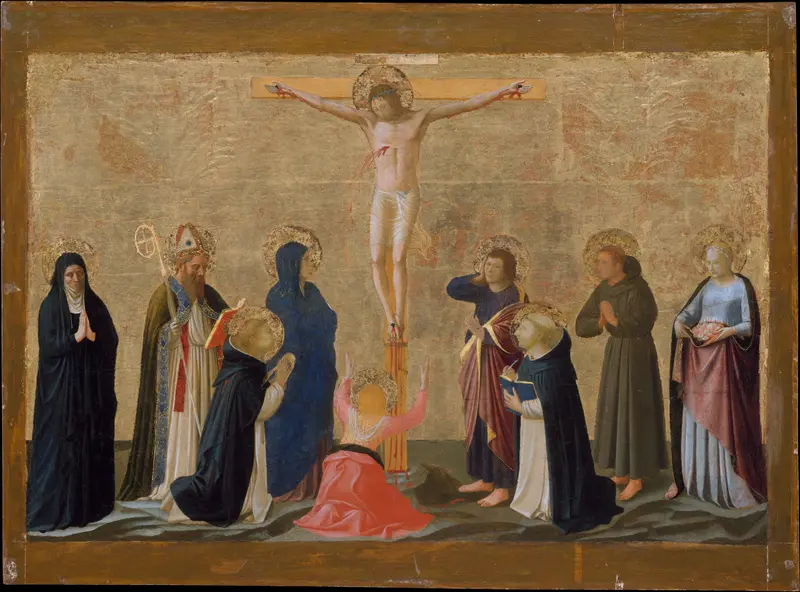
The Crucifixion
Fra Angelico
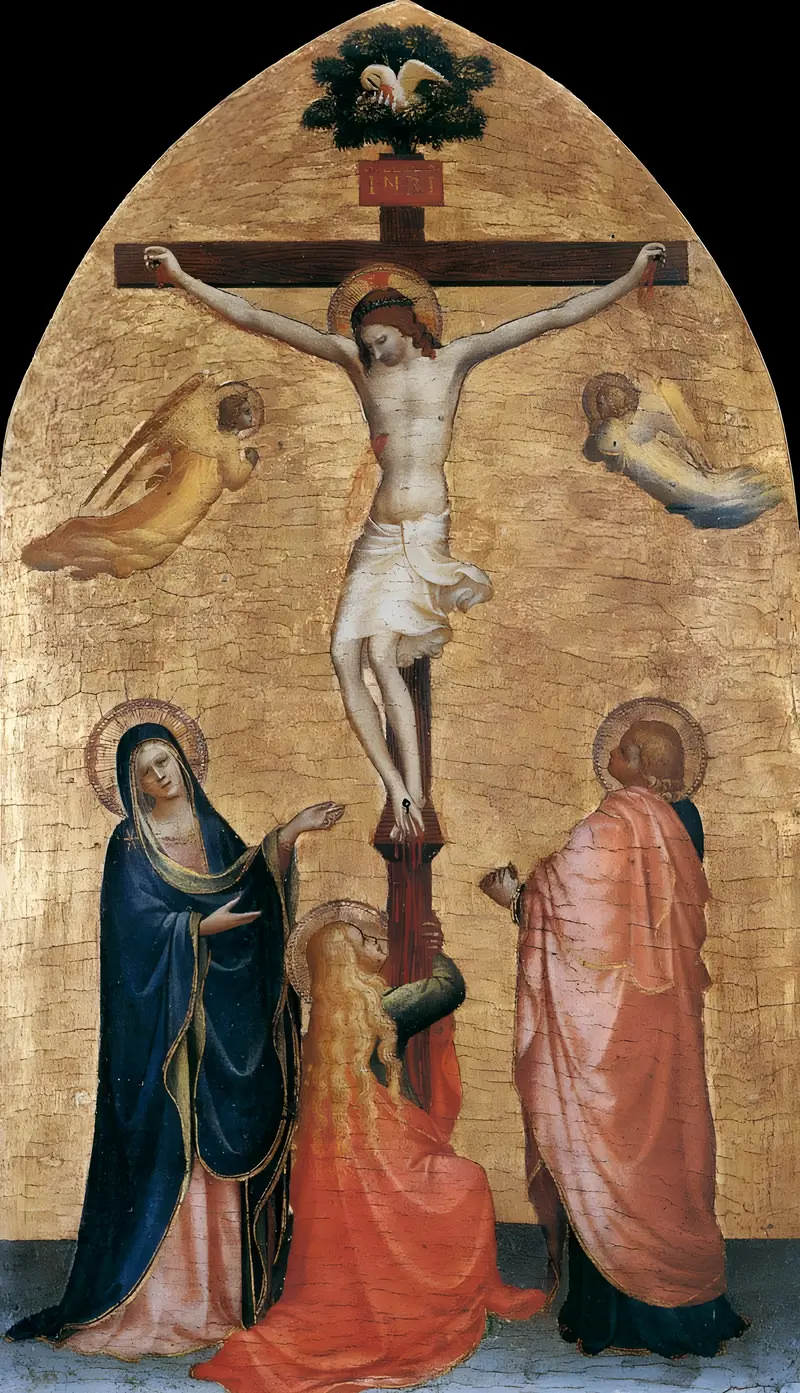
Crucifixion with the Virgin, John the Evangelist, and Mary Magdelene
Fra Angelico
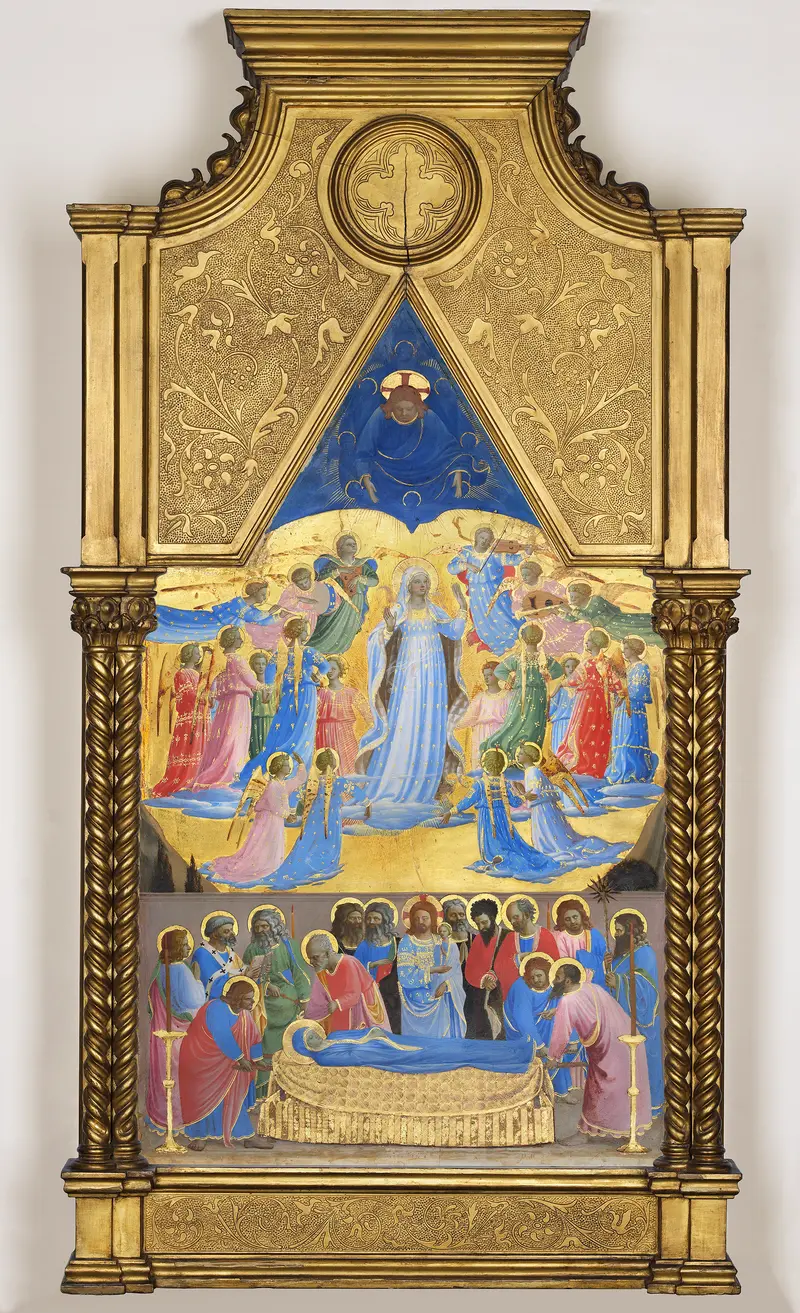
Dormition and Assumption of the Virgin
Fra Angelico
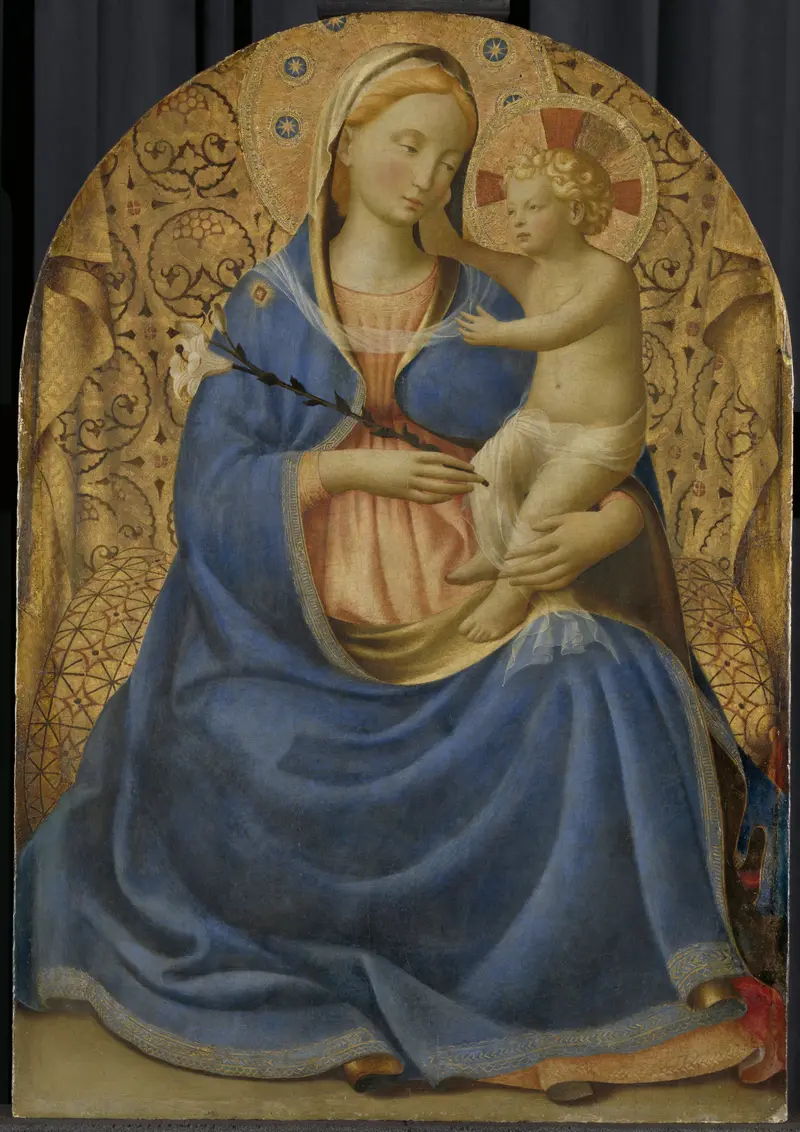
Madonna of Humility
Fra Angelico
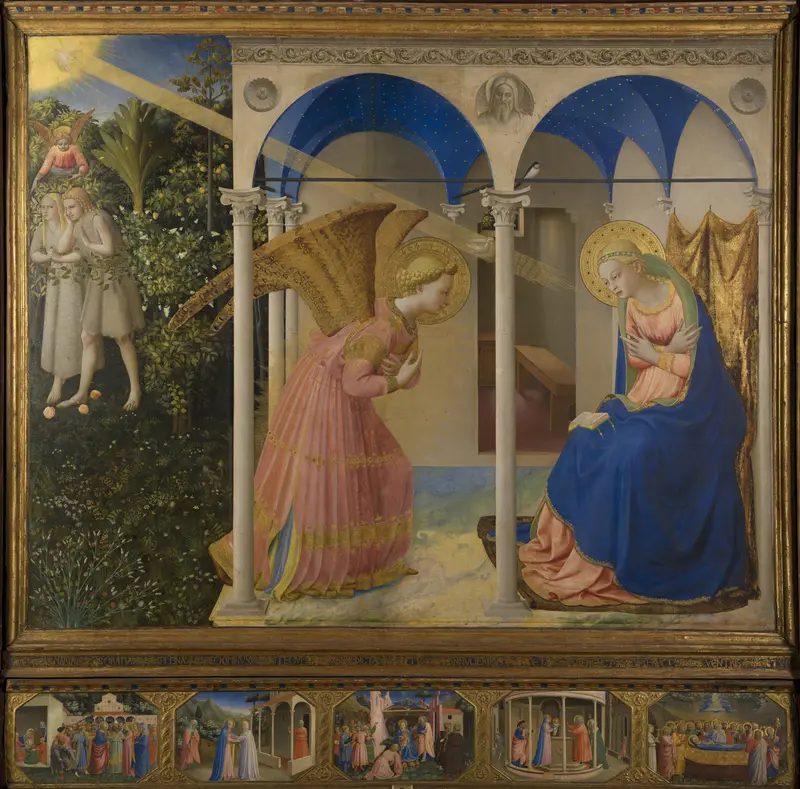
The Annunciation
Fra Angelico

Saint Anthony Abbot
Fra Angelico





