
Boy playing a violin — History & Facts
No fewer than four versions of this lively subject are known, but only the one now attributed to Frans Hals captures such an unguarded moment of youthful music-making. For centuries, scholars puzzled over the identity of the boy and debated whether the painting was a portrait or a genre scene. The lack of a patron’s name and the informality of the pose have fueled speculation: was this a real Haarlem street musician, or simply a model in the artist’s studio? The debate continues, but what is certain is that this painting stands as one of the most spontaneous and engaging images of musical youth in Dutch art. The boy, caught mid-note, turns to the viewer with a broad, almost conspiratorial grin, his bow poised on the strings.
His battered felt hat and loose collar hint at humble origins, while the violin—an instrument associated with both folk and professional music—bridges the worlds of street performance and cultivated art. The quick, visible brushstrokes animate his flushed cheeks and tousled hair, suggesting both movement and sound. Unlike The Lute Player by Judith Leyster, where the musician is composed and introspective, here the energy seems to leap off the canvas, inviting us to share in the fleeting joy of the moment.
The light, falling from the left, picks out the gleam of the instrument and the sparkle in the boy’s eyes, reinforcing the sense of immediacy. As with many works by Frans Hals, the early history of Boy playing a violin is obscure. No record of its original commission survives, and it likely entered private collections soon after its creation in Haarlem around 1628. Over the centuries, the painting has been variously attributed to Hals, his workshop, or even to his contemporary Judith Leyster, reflecting the close stylistic ties among Haarlem painters of the period.
Today, most experts agree on Hals’s authorship, citing the bravura brushwork and the infectious sense of life. The painting now hangs in a major European collection, a testament to the enduring fascination with both the artist’s technique and the universal appeal of music.
More Artworks by Frans Hals

Banquet of the Officers of the St George Civic Guard
Frans Hals

Portrait of Jacob Pietersz Olycan (1596-1638)
Frans Hals

Laughing Cavalier
Frans Hals

Militia Company of District XI under the Command of Captain Reynier Reael, Known as ‘The Meagre Company’
Frans Hals

Regentesses of the Old Men's Alms House
Frans Hals
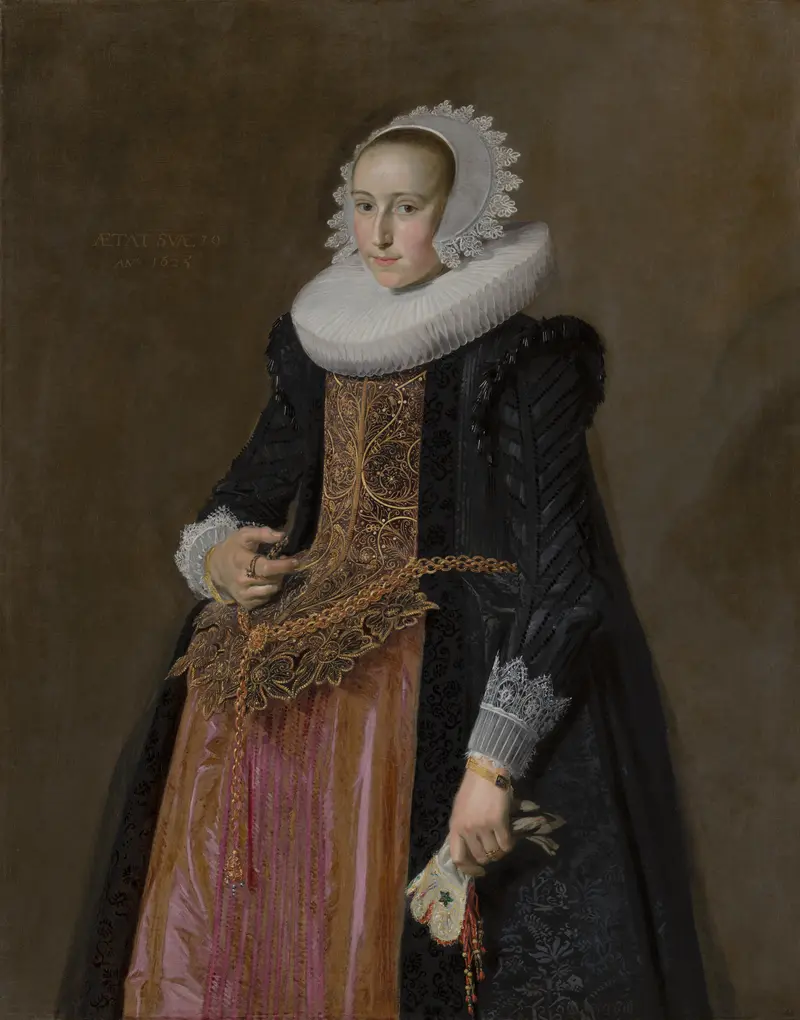
Portrait of Aletta Hanemans (1606–1653)
Frans Hals

Portrait of a Married Couple, Likely Isaac Abrahamsz Massa and Beatrix van der Laen
Frans Hals
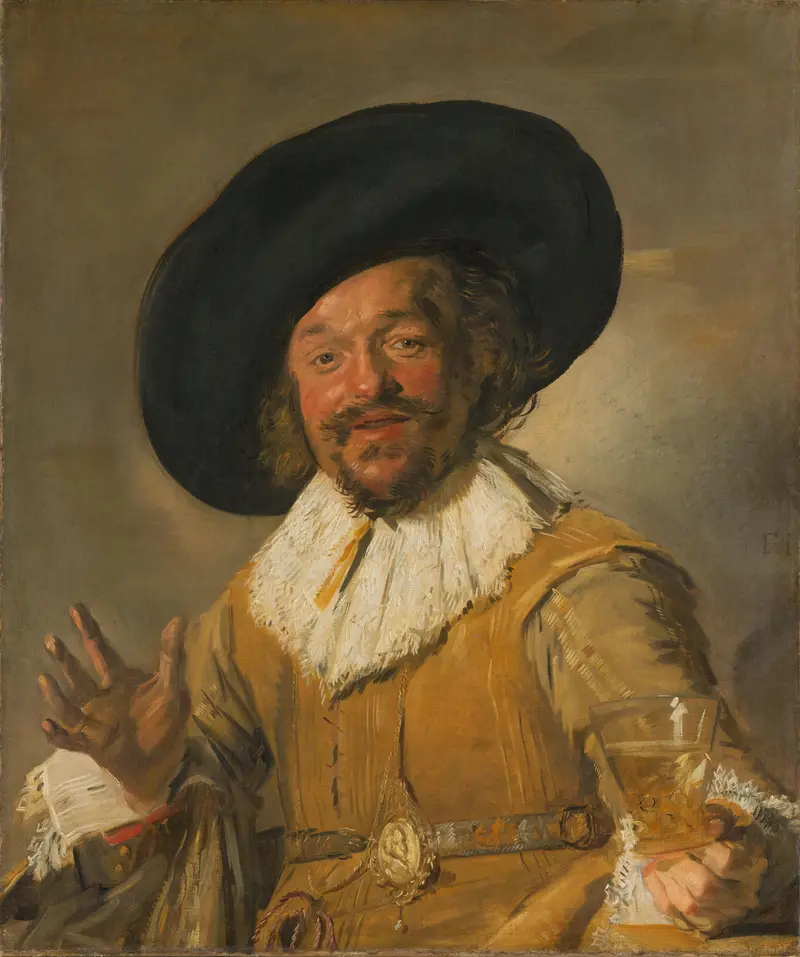
The Merry Drinker
Frans Hals

Portrait of Paulus Verschuur
Frans Hals

Portrait of Pieter van den Broecke
Frans Hals
More Genre Scene Art
Banquet of the Officers of the St George Civic Guard
Frans Hals

Rembrandt and Saskia in the Scene of the Prodigal Son
Rembrandt van Rijn

Bal du moulin de la Galette
Pierre-Auguste Renoir

Quadrille at the Moulin Rouge
Henri de Toulouse-Lautrec

A Burial at Ornans
Gustave Courbet

When Will You Marry?
Paul Gauguin