Brittany Farm — History & Facts
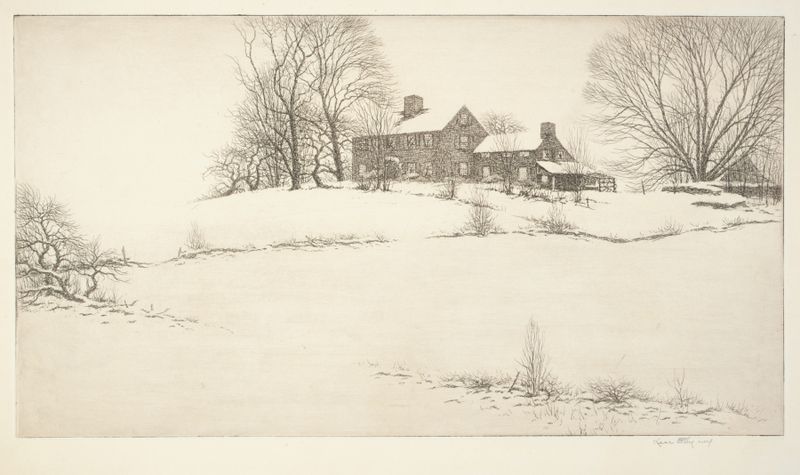
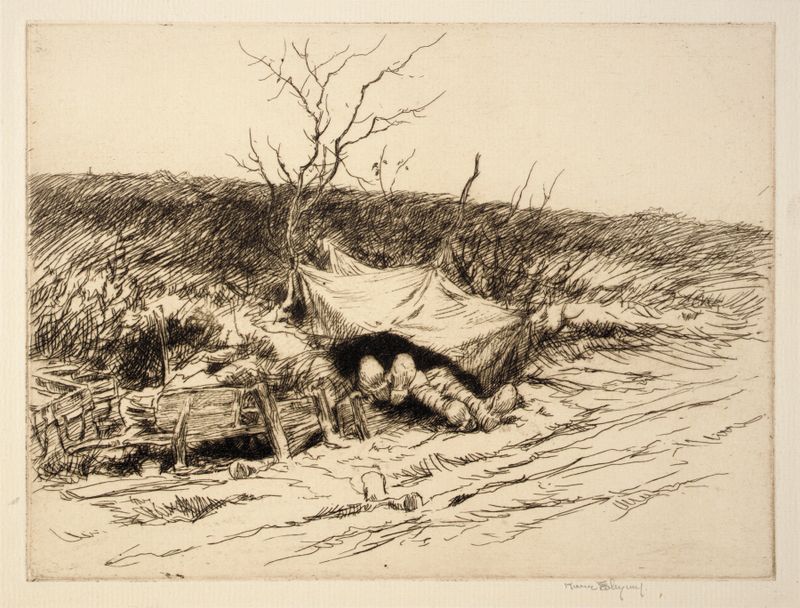
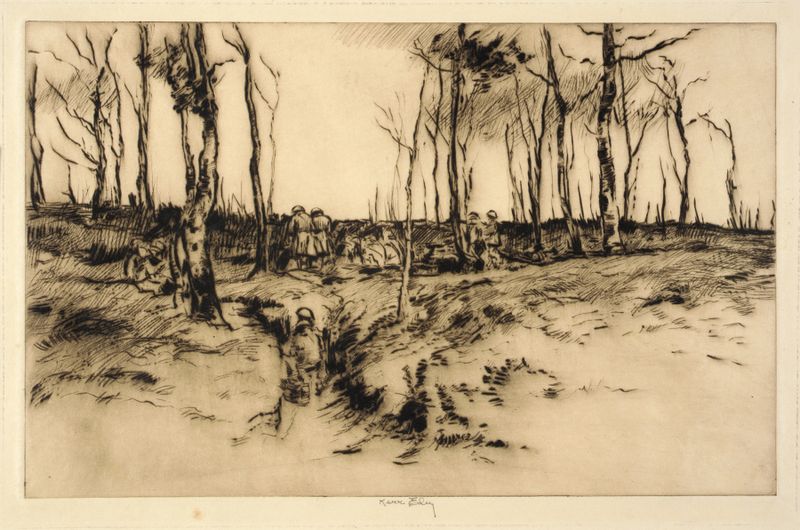
In an era where tranquility often masks the underlying struggles of rural life, one can find a delicate balance within the frame of a serene landscape. Focus on the soft hues of the distant fields, where muted greens and golds intertwine, creating a sense of harmony that invites the eye to drift across the canvas. Notice how the gentle light washes over the farm buildings, casting elongated shadows that hint at the passage of time. The subtle textures reveal a careful attention to detail, with each brushstroke capturing the essence of the scene while evoking a deeper emotional resonance. Beneath this idyllic representation lies a poignant contrast between beauty and hardship.
The seemingly peaceful farm is a reminder of the labor that sustains it; the golden fields signify both abundance and the relentless toil of agrarian life. As the viewer contemplates the inviting landscape, the tension between serenity and struggle becomes palpable, inviting introspection about what lies beyond the surface. In 1927, Kerr Eby painted this work during a time when America was grappling with the aftermath of World War I and the onset of economic changes. Living in New York, Eby was immersed in the artistic movements of the period, influenced by the social realism that sought to portray both beauty and the challenges of everyday life.
Brittany Farm reflects his ability to balance these contrasting themes, showcasing his mastery of landscape painting while shedding light on the complexities of human experience.