
Broc — History & Facts
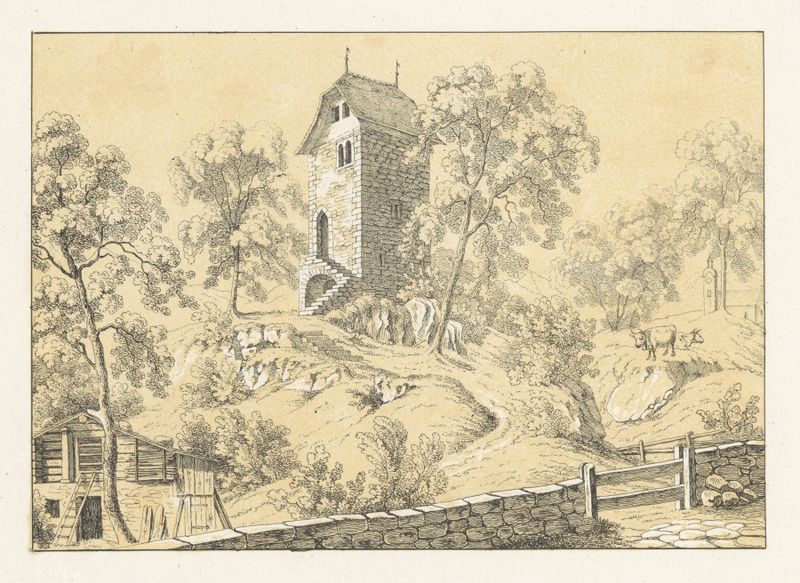
In an instant, Broc captures the essence of legacy, inviting viewers to reflect on the fleeting nature of existence and the stories preserved through art. Each brushstroke reverberates with the weight of history, merging the past with the present in a dialogue that transcends time. Look to the left, where vibrant hues of green and gold emerge from the canvas, evoking the lush scenery that envelops the subject. The meticulous detail in the foreground contrasts with softer, almost ethereal outlines in the background.
Notice how the warm light cascades over the figures, illuminating their faces and revealing the nuances of their expressions, suggesting both contemplation and connection. The interplay of shadow and light hints at the duality of life—the visible and the unseen, the ephemeral and the eternal. Within this harmonious composition lies a profound commentary on the human experience. The juxtaposition of the vibrant landscape against the still figures invites the viewer to ponder the transient moments that define us.
The serene expressions and graceful postures of the characters tell a story of introspection and unity, yet the distance between them signifies the isolation inherent in individual memory. This tension elegantly captures the essence of legacy—how we are bound by our past, yet forever searching for meaning in our present. Johann Friedrich Wagner painted Broc between 1840 and 1844 during a period marked by the rise of Romanticism. His work responded to the shifting tides of European art, emphasizing emotional depth and connection to nature.
At this time, Wagner was exploring themes of the sublime and the everyday, seeking to immortalize human experiences and emotions through his art, revealing a world that, despite its transience, yearns to be remembered.
More Artworks by Johann Friedrich Wagner
Browse all →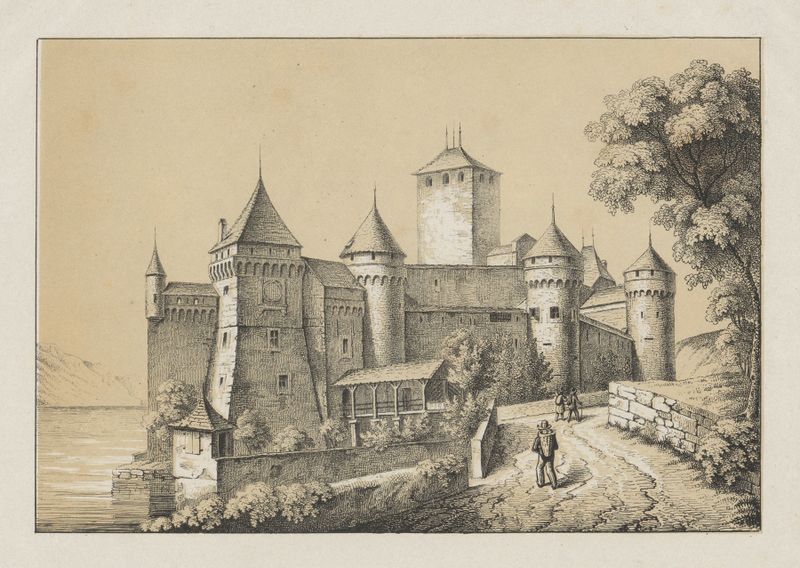
Chillon
Johann Friedrich Wagner

Valangin
Johann Friedrich Wagner
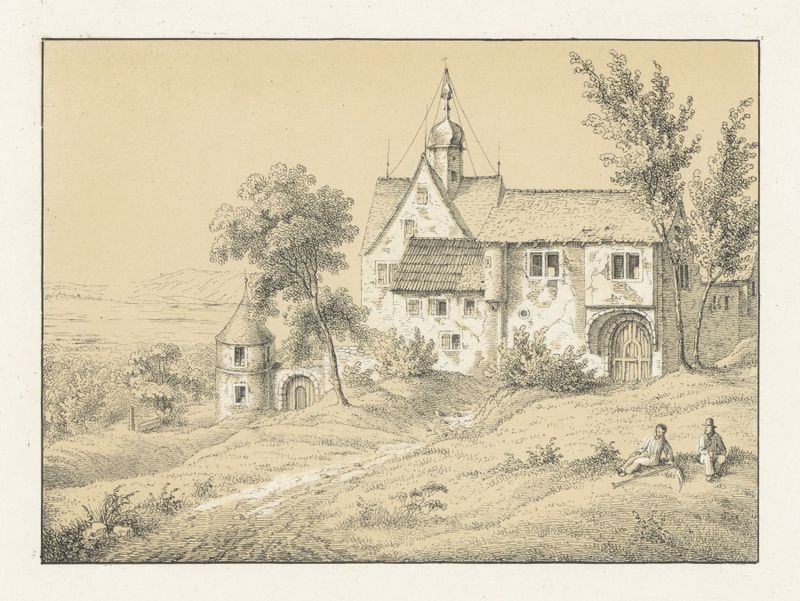
Greifenstein
Johann Friedrich Wagner

Vorburg
Johann Friedrich Wagner
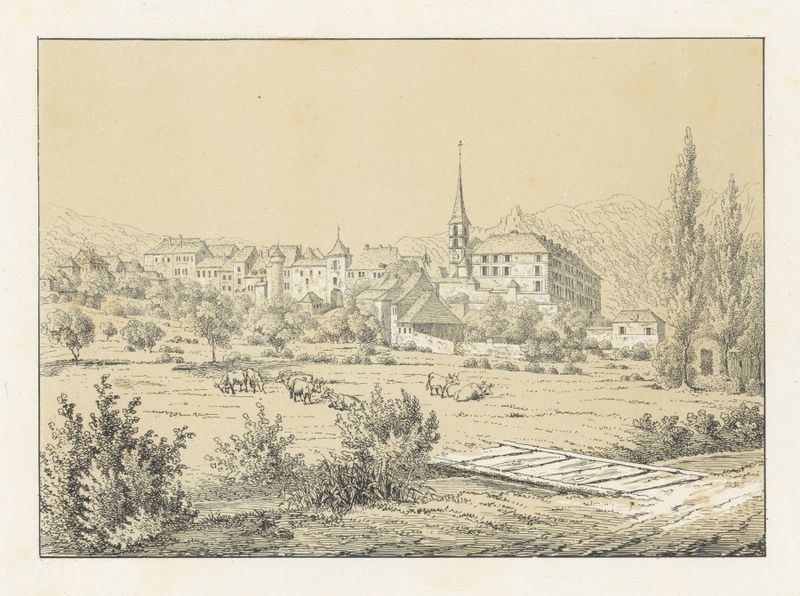
Delémont
Johann Friedrich Wagner

Pleujouse
Johann Friedrich Wagner

Challay
Johann Friedrich Wagner
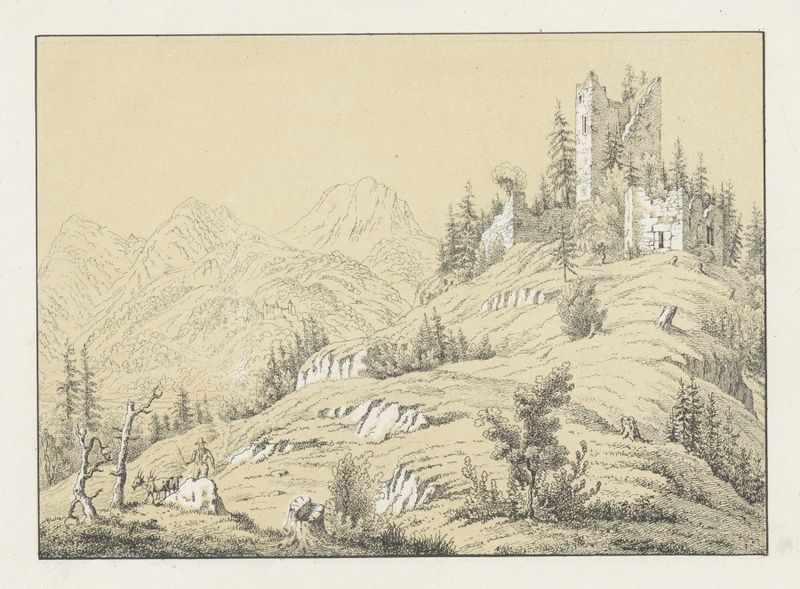
Mont Salvant
Johann Friedrich Wagner
Aha. Od. Untere Burg von Sarnen
Johann Friedrich Wagner
Lausanne
Johann Friedrich Wagner





