
Brown Pelican — History & Facts
What first seizes the eye in Brown Pelican is the sense of poised alertness: the pelican, rendered with almost scientific clarity, grips its perch with massive, webbed feet, its long bill angled as if listening to the world beyond the page. The leaves behind it are not mere decoration but a stage set that frames the bird’s body, inviting the viewer to trace the arc of its neck and the intricate pattern of its feathers. The artist’s choice to set the pelican against a pale, nearly empty background pushes every detail of the bird and branch into sharp relief, making the viewer linger over the subtle gradations of color in the plumage and the almost architectural structure of the beak. This work belongs to the early nineteenth century, a period when natural history illustration was both a scientific pursuit and a public spectacle.
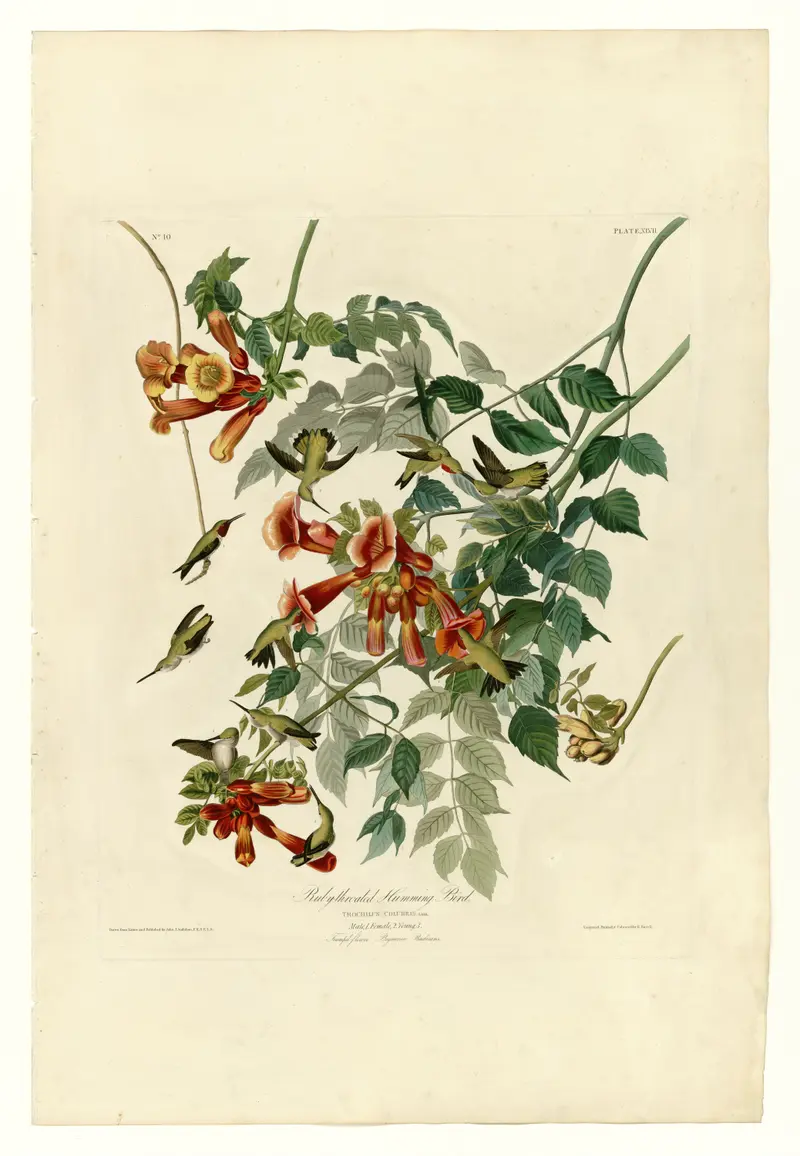
Between 1827 and 1838, John James Audubon created the monumental Birds of America, of which this plate is a part, during a time when illustrated volumes of flora and fauna were prized by collectors, scholars, and the curious elite. These images were not just catalogues; they were celebrations of discovery, each plate a testament to the era’s hunger for knowledge and beauty. Now held at the University of Pittsburgh, this plate stands as a vivid record of a world where art and science walked hand in hand—an invitation to marvel at the precision and personality captured in a single bird.
More Artworks by John James Audubon
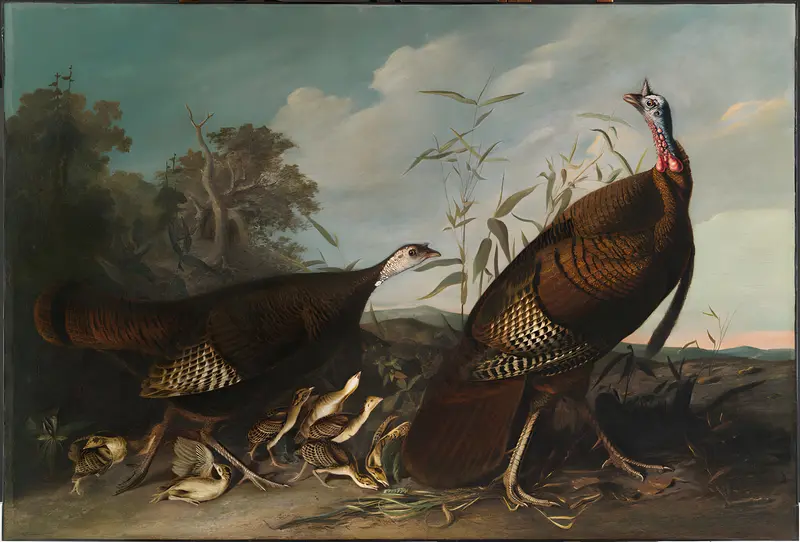
Wild Turkey Cock, Hen, and Chicks
John James Audubon
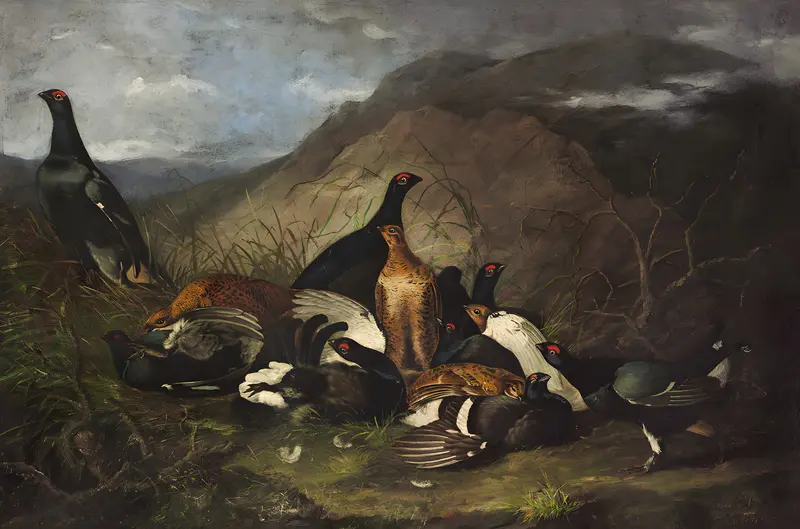
Scottish Black Grouse, Cocks and Hens
John James Audubon
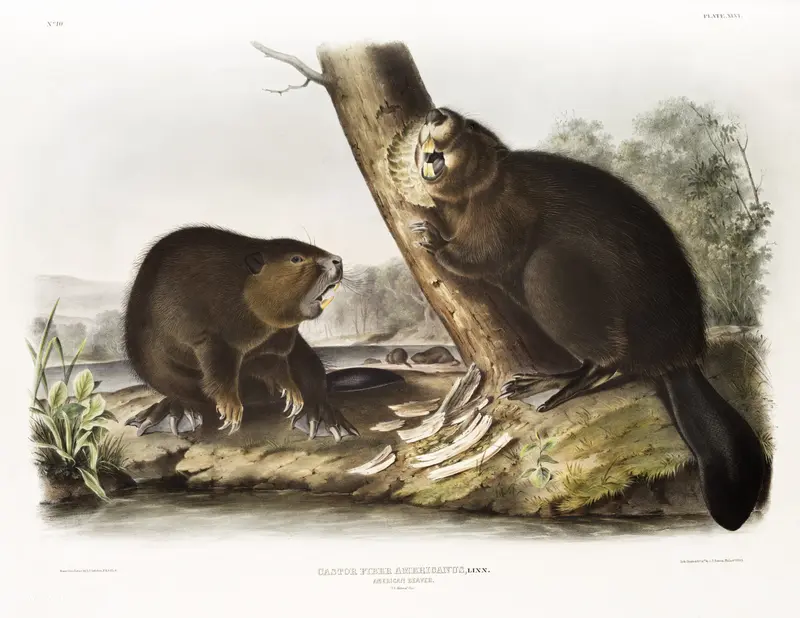
American Beaver
John James Audubon
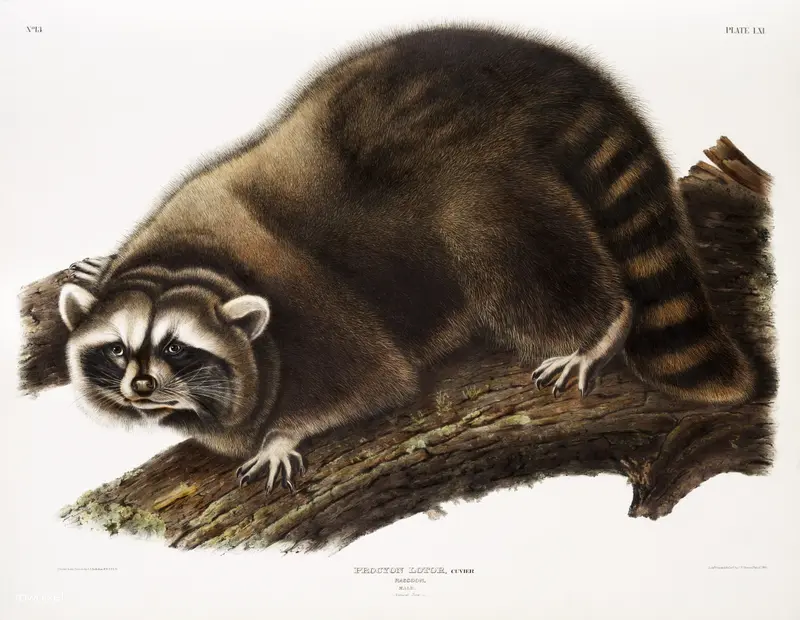
Raccoon
John James Audubon

Magnificent Frigatebird
John James Audubon
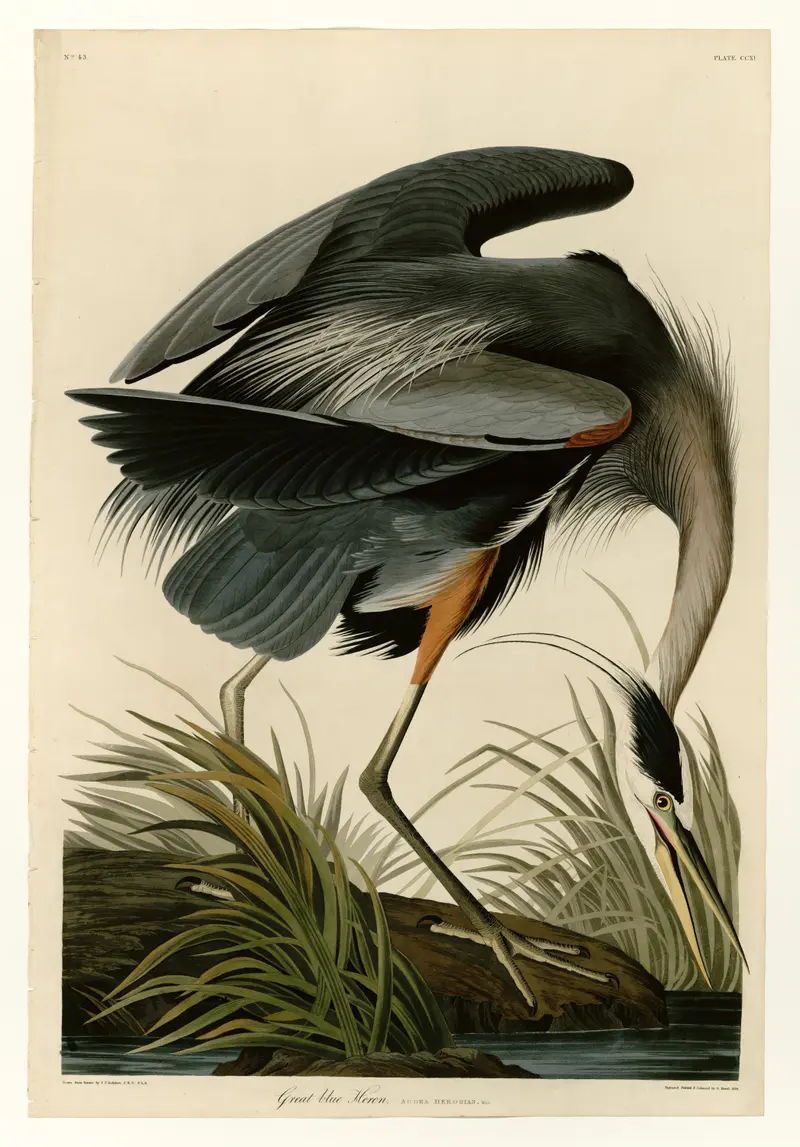
Great Blue Heron
John James Audubon
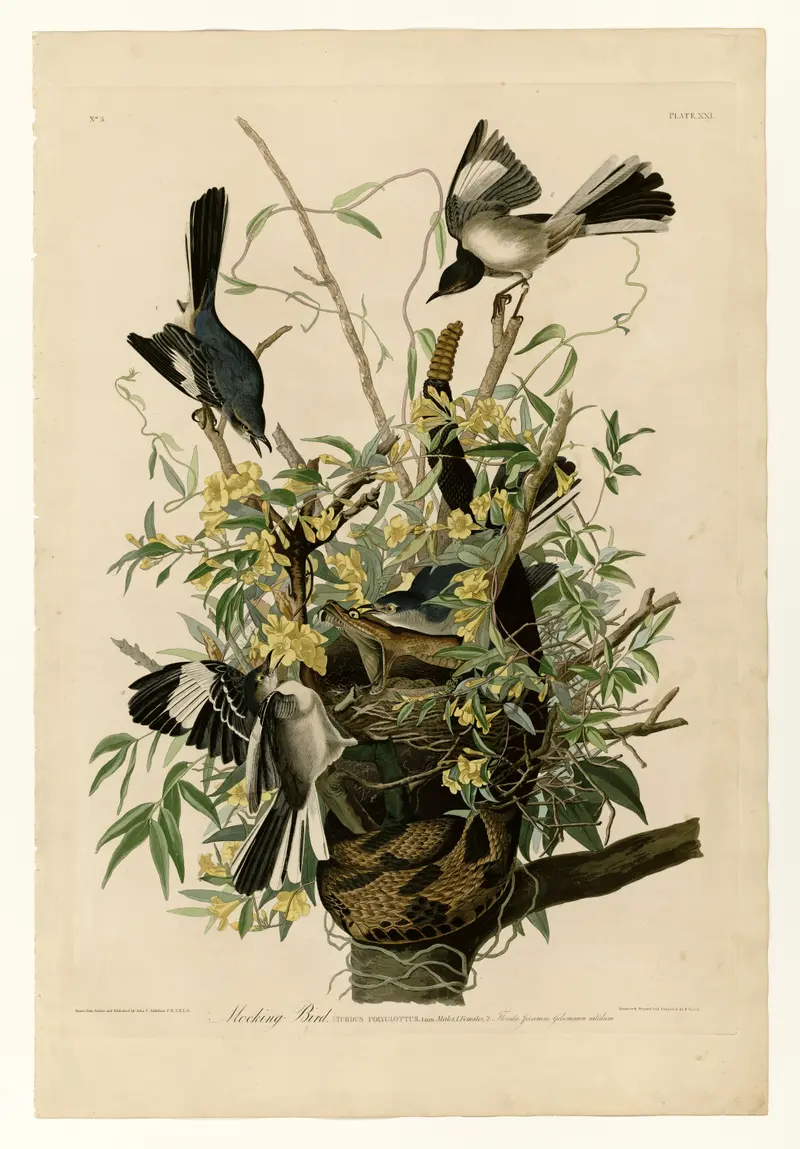
Northern Mockingbird
John James Audubon
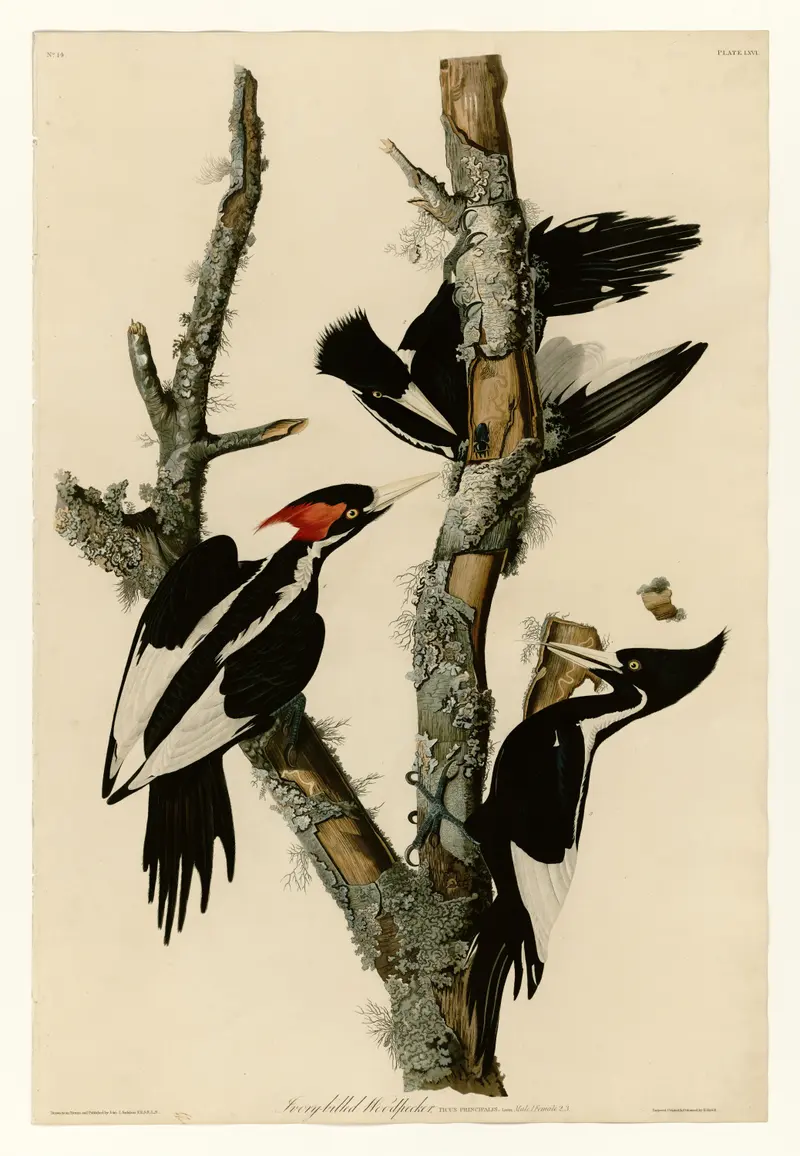
Ivory-billed Woodpecker
John James Audubon
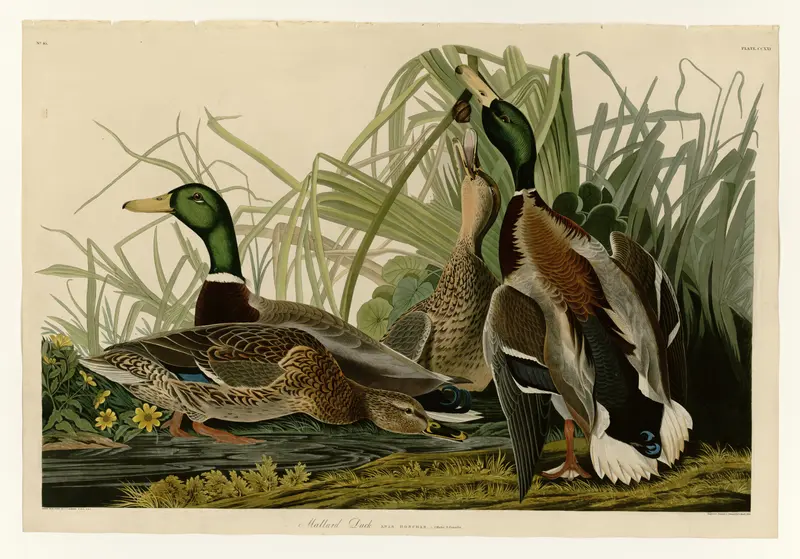
Mallard
John James Audubon
Ruby-throated Hummingbird
John James Audubon





