
Brug in Rome — History & Facts
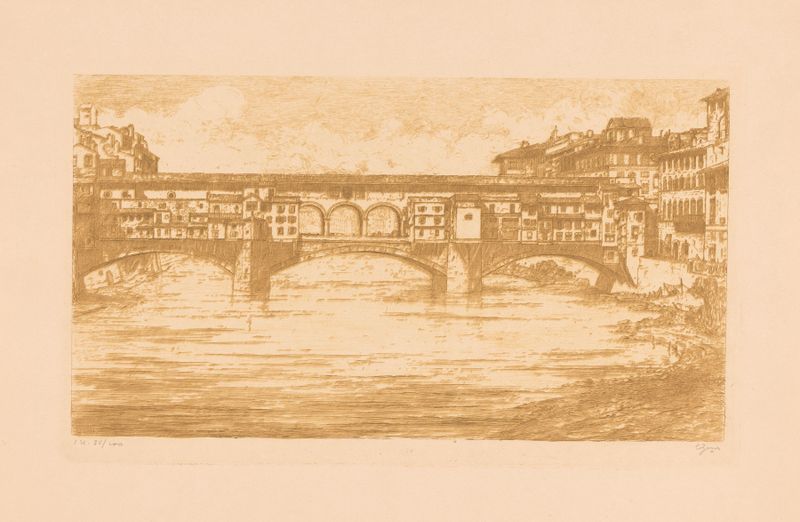
Could a single brushstroke hold eternity? In Brug in Rome, the interplay of light and shadow speaks to a transcendence that ignites a quiet hope within the viewer. Look to the left at the gentle arch of the bridge, leading the eye into a scene filled with whispers of life. Notice how the soft pastels blend seamlessly, capturing the warm embrace of the sunset while accentuating the deep blues of the water below. Each stroke unfurls with purpose, inviting you to explore the intricate details of the flora that frames the scene, as if the very essence of Rome is captured in this fleeting moment. Beneath the surface, the contrasting elements evoke a profound emotional resonance.
The stillness of the water reflects not just the colors of the sky, but also our own reflections—dreams, memories, and aspirations mingling together. The delicate brushwork suggests both fragility and resilience, embodying the duality of hope and longing that pervades the human experience. Here, nature's beauty becomes a vessel for contemplation, leaving the viewer with a sense of yearning yet fulfilled. Etienne Bosch created this evocative piece between 1873 and 1931, a period marked by a resurgence of Romanticism in art.
Living in a time when Europe was grappling with change, Bosch drew inspiration from the landscapes surrounding him, channeling the hopefulness inherent in nature's cycles. This work stands as a testament to the ways in which art can encapsulate not just a moment, but the enduring spirit that unites us all.
More Artworks by Etienne Bosch
Browse all →
Gezicht op de achterkant van de Notre Dame in Parijs Notre Dame
Etienne Bosch
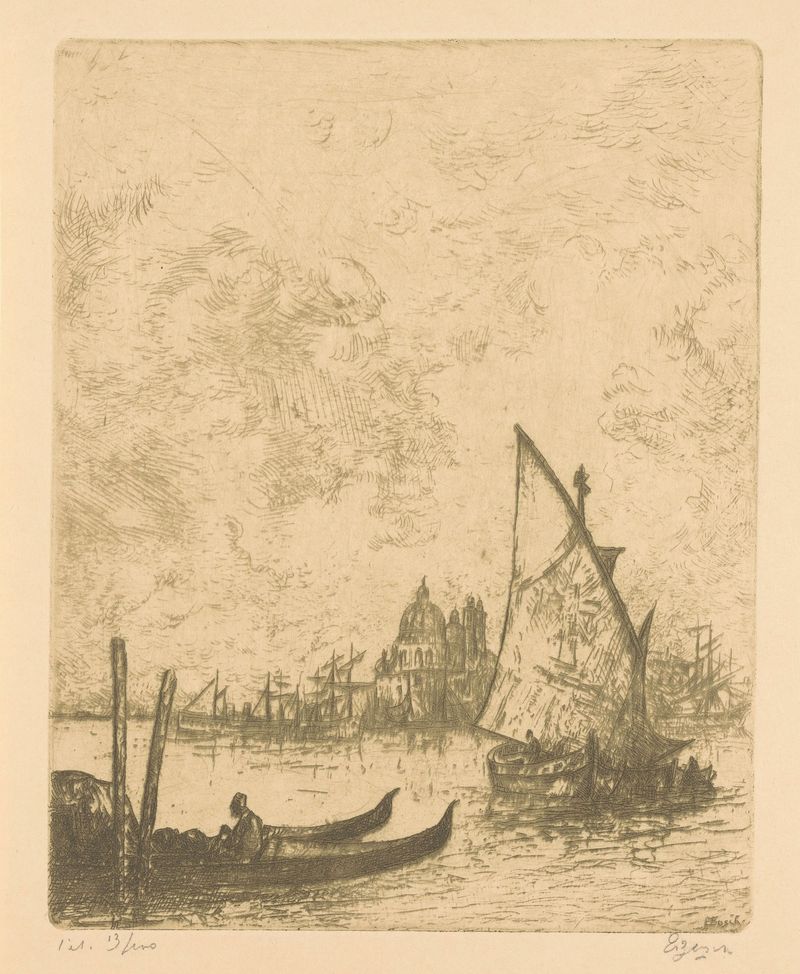
Venetië
Etienne Bosch

Amsterdamse poort te Haarlem
Etienne Bosch

Le Palatin Rome
Etienne Bosch

Landschap bij Rome
Etienne Bosch
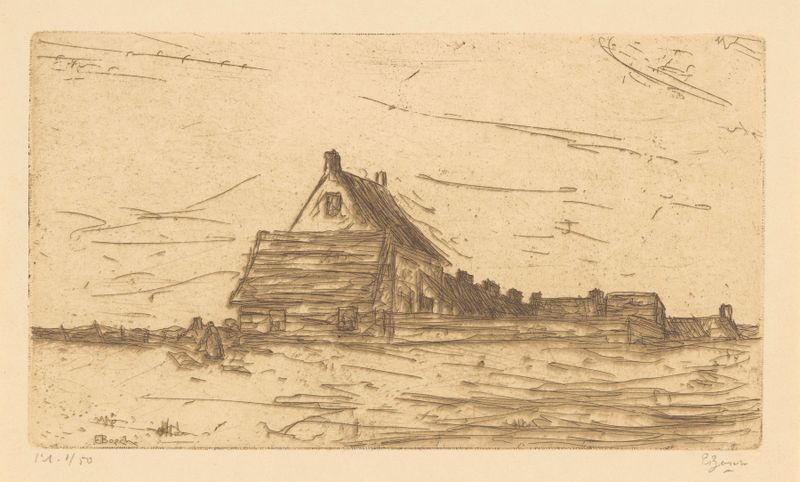
Boerenwoning
Etienne Bosch

Scheveningen
Etienne Bosch
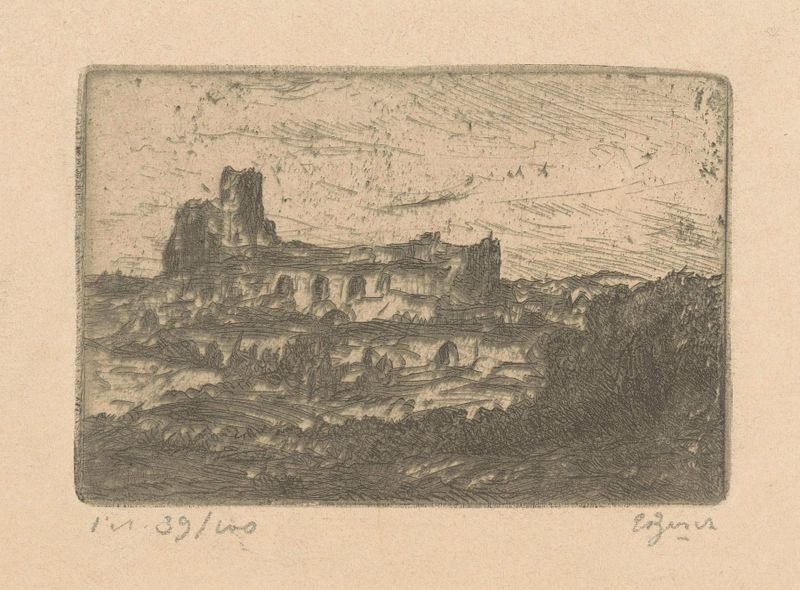
Ruïne Rome
Etienne Bosch
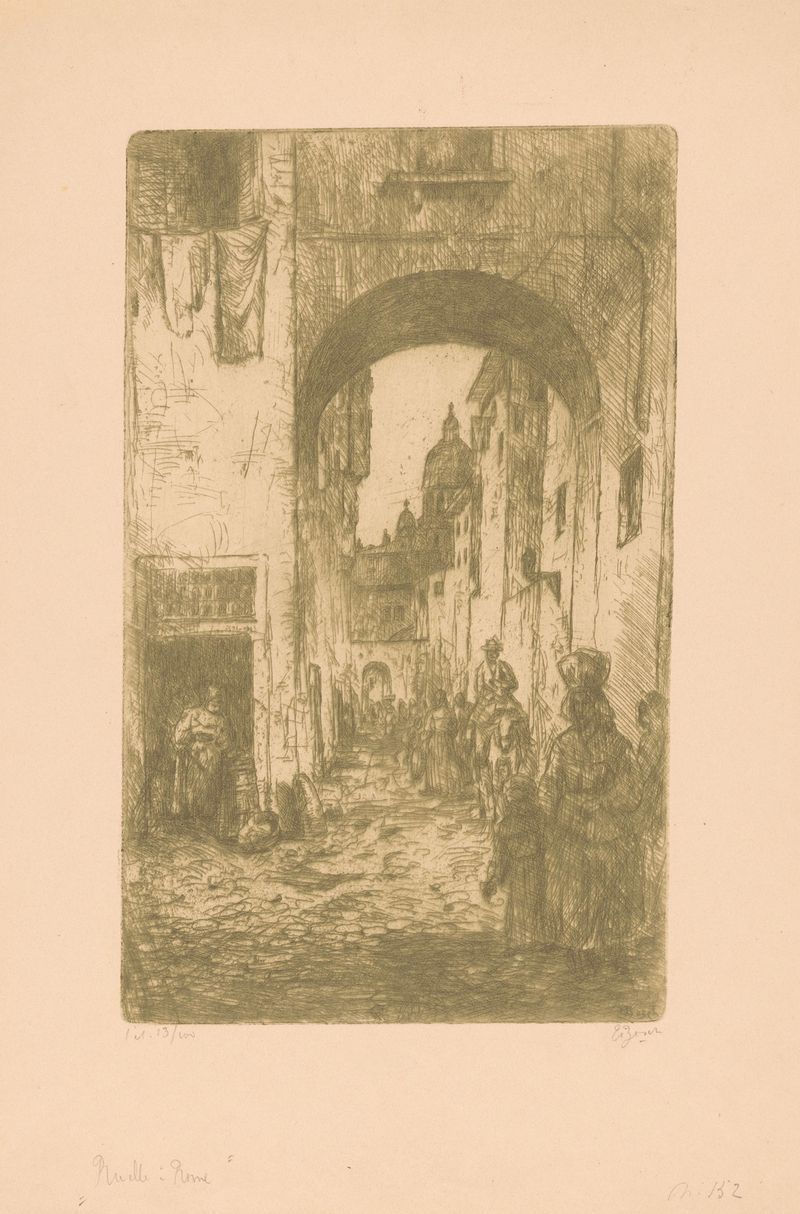
Ruelle, Rome
Etienne Bosch
Ponte Vecchio in Florence
Etienne Bosch





