
Bruiloft te Kana — History & Facts
What if silence could speak through light? In the hands of Georg Pencz, it becomes a haunting melody, echoing through the empty spaces of Bruiloft te Kana. Look to the center of the canvas, where the figures gather in a moment suspended between joy and sorrow. The light softly bathes the wedding party, illuminating their intricate attire, a mix of deep reds and muted earth tones that feel both festive and somber. Every brushstroke conjures a sense of anticipation, yet there’s an undeniable weight in the atmosphere, heavy with unspoken emotions.
Notice how the artist employs contrasting shades to delineate the figures from the background, creating an almost theatrical stage where happiness and melancholy coexist. With careful observation, you’ll find poignant details that reveal deeper tensions. The bride's expression, caught between a smile and a distant gaze, suggests the burdens of expectation. To her left, an elderly figure leans in a shadow, embodying a lifetime of wisdom and perhaps regret, as if he holds the secrets of the past within his silence.
Moreover, the juxtaposition of the vibrant festivities against the darkened corners of the composition hints at the fragility of happiness, reminding us that joy is often laced with sorrow. Pencz painted Bruiloft te Kana in Nuremberg between 1534 and 1535, during a time marked by both artistic innovation and social tumult in Europe. The artist was influenced by the rising Reformation, which introduced new interpretations of traditional themes. This era prompted a shift in the way artists portrayed human experiences, leading Pencz to explore complex emotional landscapes in his works.
More Artworks by Georg Pencz
Browse all →
Parabel van de zaaier
Georg Pencz

Parabel van de arbeiders in de wijngaard
Georg Pencz
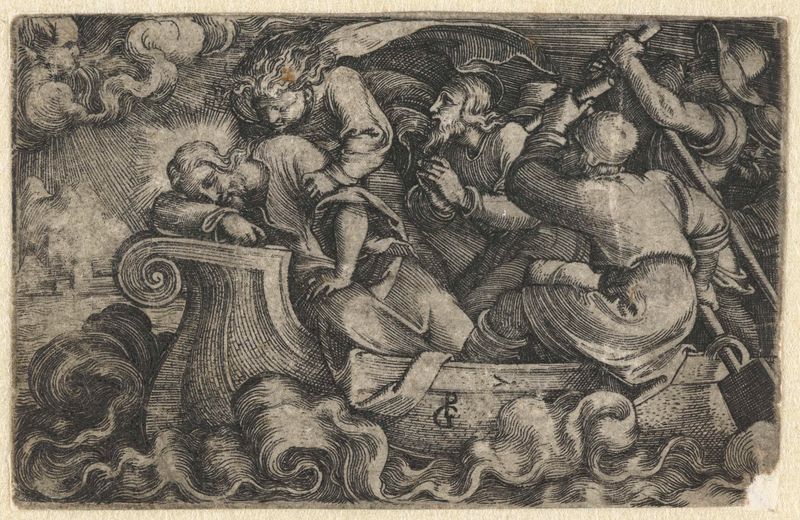
Discipelen wekken slapende Christus tijdens storm op Meer van Galilea
Georg Pencz

Afgunst (Invidia)
Georg Pencz
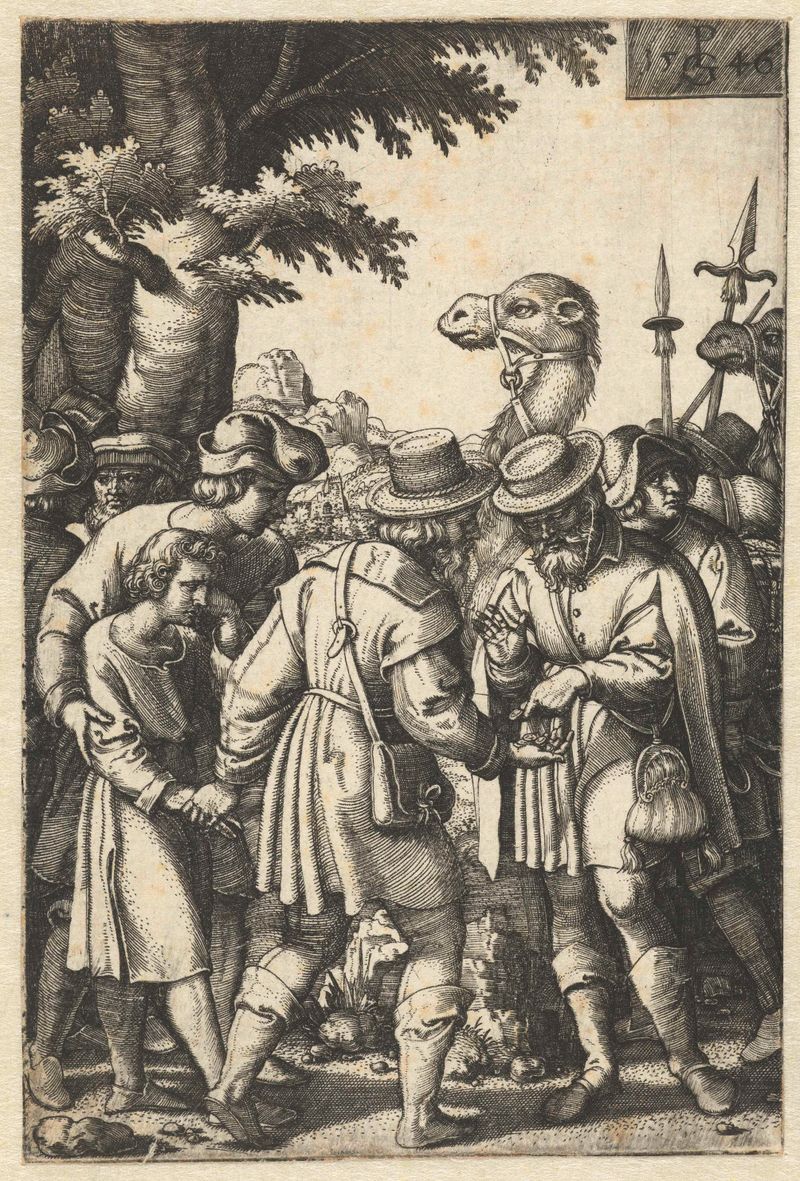
Jozef wordt verkocht aan kooplieden op weg naar Egypte
Georg Pencz

Aanbidding der koningen
Georg Pencz
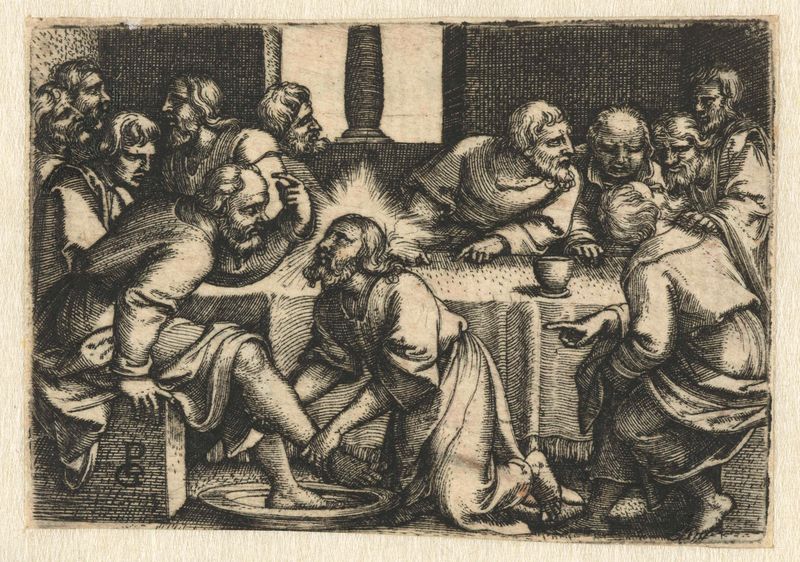
Petrus protesteert als Christus zijn voeten wast
Georg Pencz
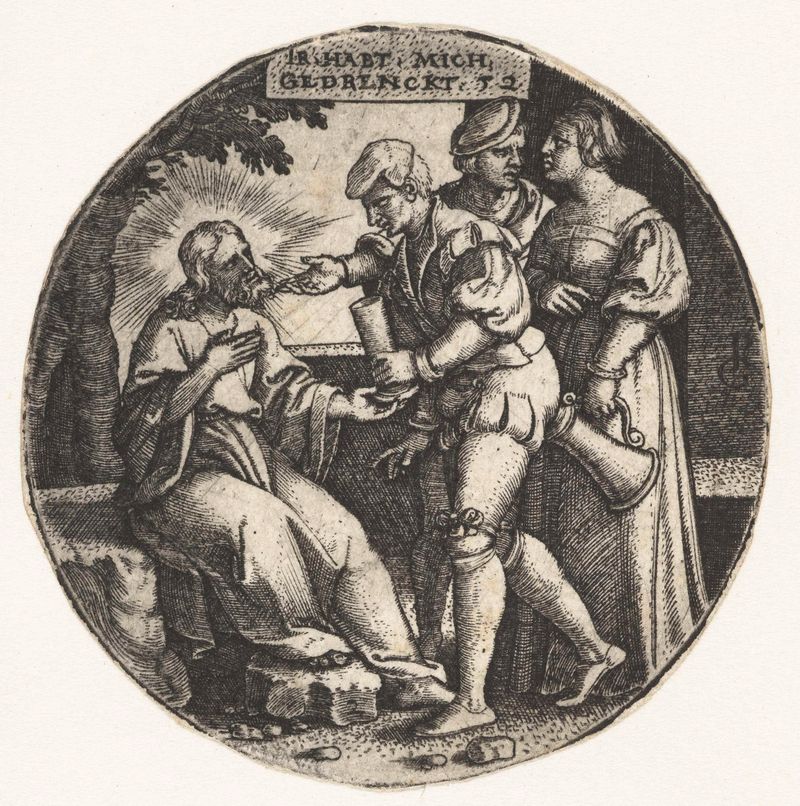
Christus heeft dorst en krijgt drinken aangeboden
Georg Pencz
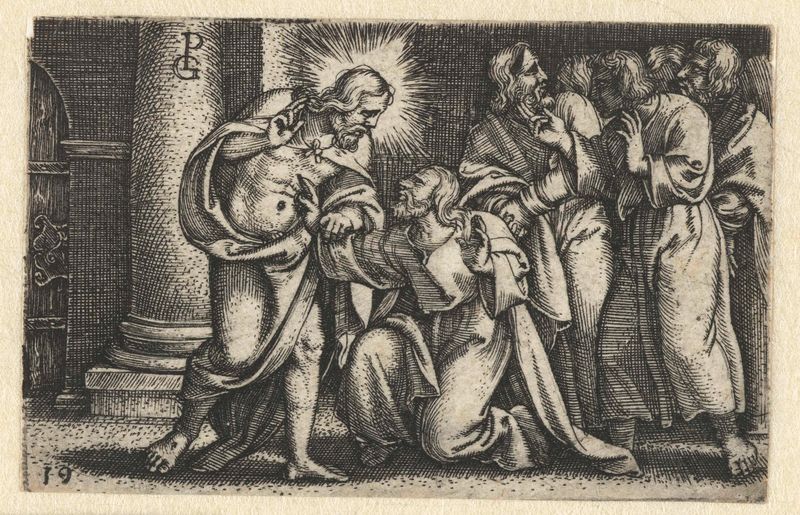
Ongelovige Thomas raakt wonden Christus aan
Georg Pencz

Offer van Abraham van Isaak
Georg Pencz





