
Bruiloft te Kana — History & Facts
In Bruiloft te Kana, the passage of time and the weight of legacy intermingle, inviting us into a moment steeped in history and human connection. The interplay of joy and solemnity within the painting resonates deeply, compelling viewers to reflect on the significance of shared experiences and traditions. Look to the center of the composition where figures gather in a lively yet poised celebration. The vibrant colors contrast beautifully against the cool tones in the background, drawing your eye to the bride and groom, the focal point of this nuptial gathering.
Notice how Pencz employs meticulous detail in the clothing textures and accessories, revealing a vibrant tapestry of societal status and ritual. The careful arrangement of the guests, alongside the architectural elements framing the scene, creates a harmonious balance, embodying the essence of community. Delve deeper into the expressions on the faces around the couple. There’s a palpable tension — a blend of elation and apprehension, as if each character carries their own unspoken stories.
The vibrant flowers symbolize fertility and new beginnings, while the subtle shadows hint at underlying anxieties about the commitments that bind these individuals together. This duality evokes a reflection on the fragility of joy, suggesting that celebrations often mask deeper emotional currents. Created between 1534 and 1535, this work emerged during Pencz's tenure in Nuremberg amid the rich artistic dialogues of the Northern Renaissance. Positioned at a time of societal change and reformation in Europe, he navigated the evolving artistic landscape, inspired by both the burgeoning realism of his peers and a desire to convey the intimacy of human relationships.
In Bruiloft te Kana, he encapsulates not just a moment of celebration, but the legacy of culture and connection that transcends time.
More Artworks by Georg Pencz
Browse all →
Parabel van de zaaier
Georg Pencz

Parabel van de arbeiders in de wijngaard
Georg Pencz
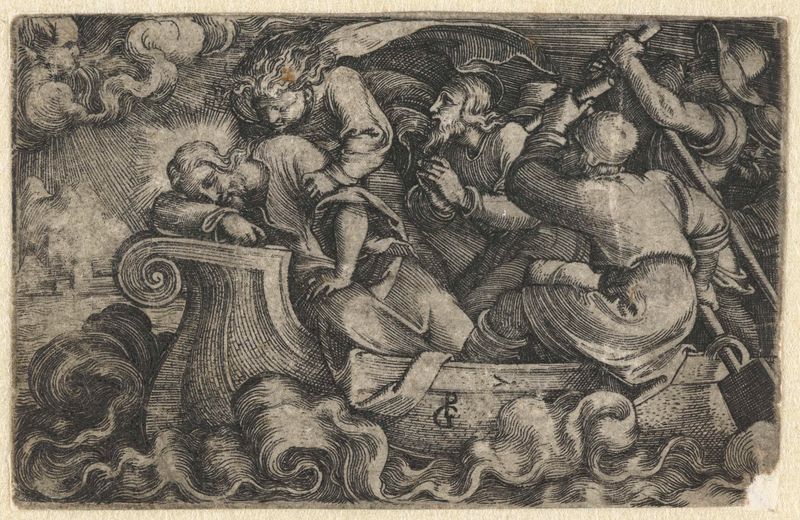
Discipelen wekken slapende Christus tijdens storm op Meer van Galilea
Georg Pencz

Afgunst (Invidia)
Georg Pencz
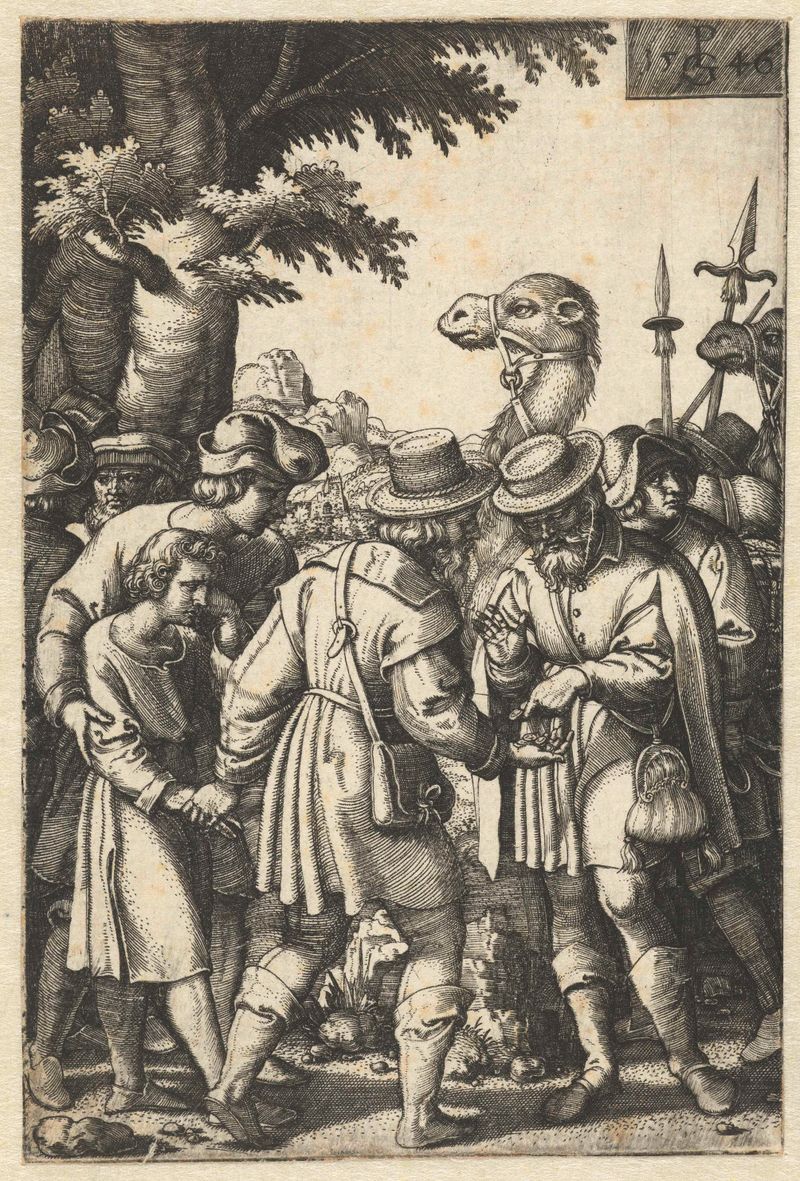
Jozef wordt verkocht aan kooplieden op weg naar Egypte
Georg Pencz

Aanbidding der koningen
Georg Pencz
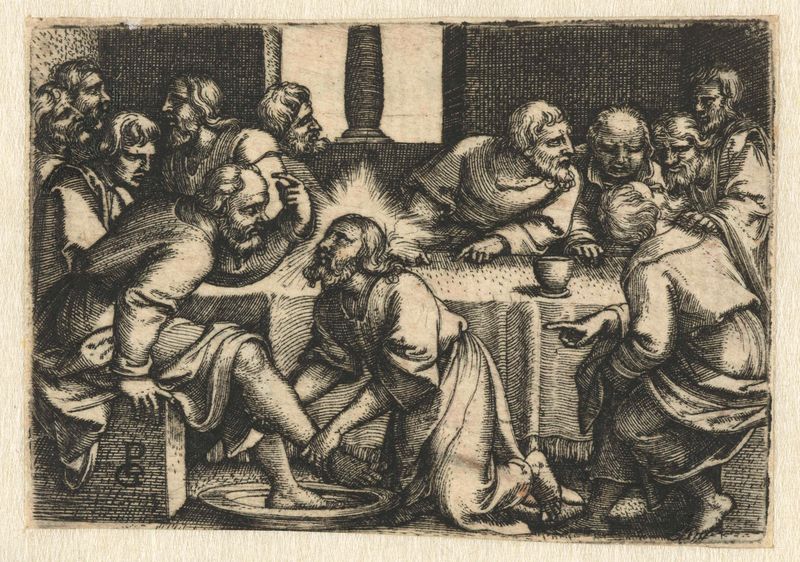
Petrus protesteert als Christus zijn voeten wast
Georg Pencz
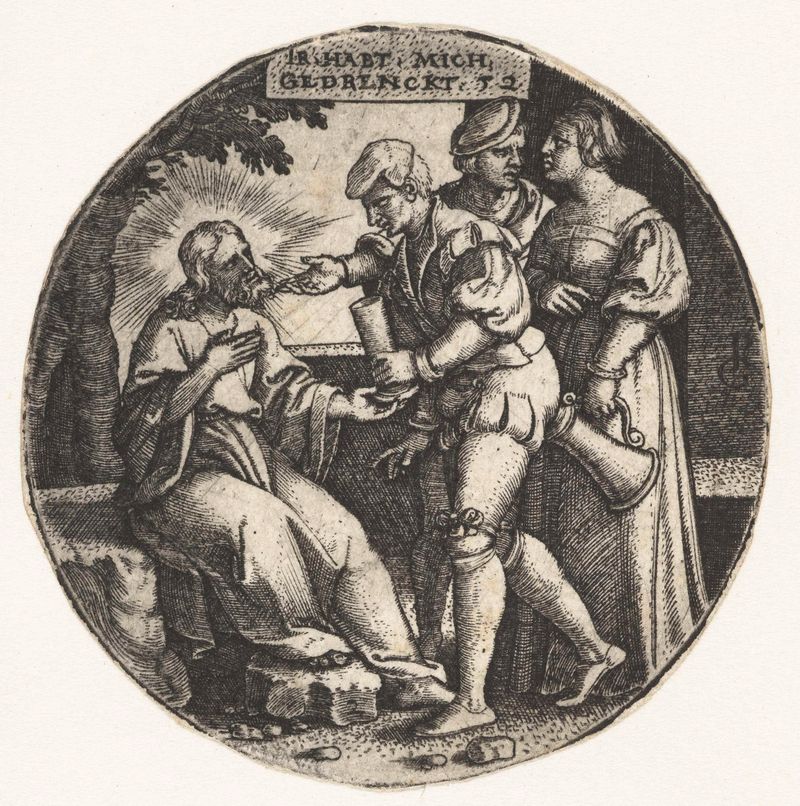
Christus heeft dorst en krijgt drinken aangeboden
Georg Pencz
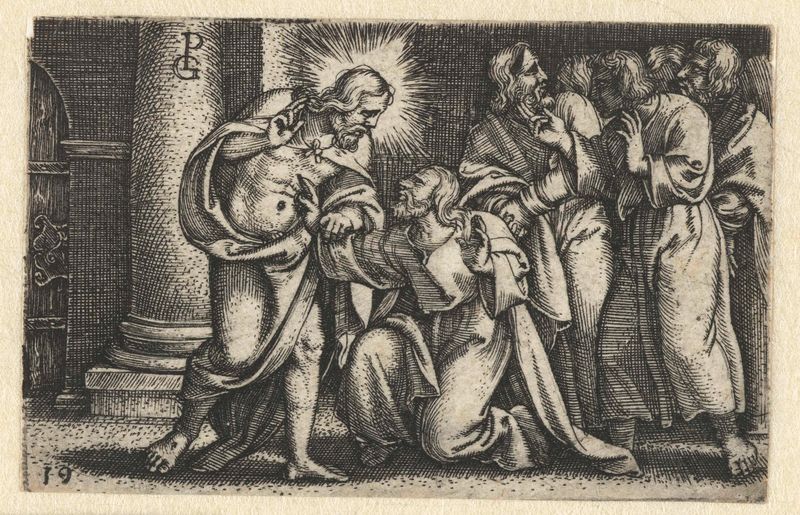
Ongelovige Thomas raakt wonden Christus aan
Georg Pencz

Offer van Abraham van Isaak
Georg Pencz
More Historical Art
Browse all →
The Night Watch Militia Company of District II under the Command of Captain Frans Banninck Cocq
Rembrandt van Rijn

Lincoln Memorial
Henry Bacon

The Third of May 1808
Francisco de Goya

Isaac and Rebecca, Known as ‘The Jewish Bride’
Rembrandt van Rijn

The Charge of the Mamelukes (1814)
Francisco de Goya

De vier ruiters van de apocalyps
Albrecht Dürer