
Buchegg — History & Facts
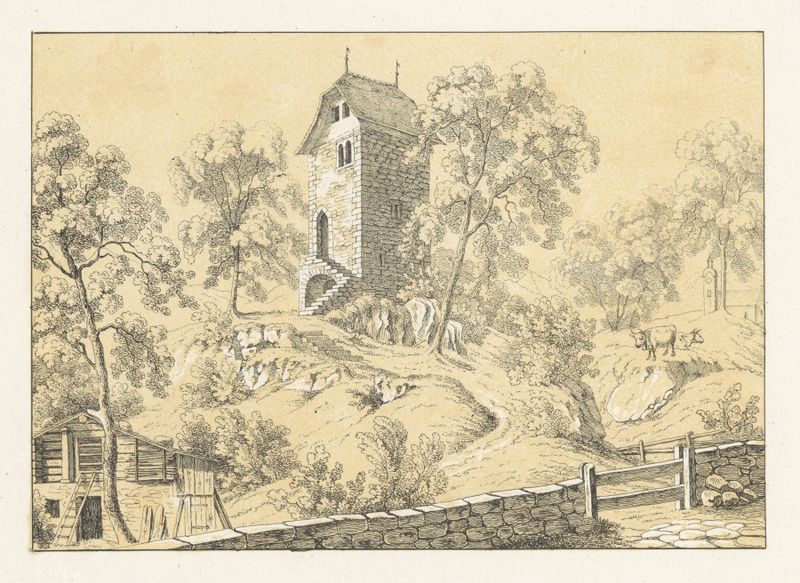
In the quiet stillness of decay, beauty finds its voice, whispering secrets of time and forgotten narratives. As you gaze into the work, look to the center where the intricate textures of age and wear unfold. Notice the rich browns and muted greens that envelop the canvas, creating an atmosphere thick with atmosphere and history. The delicate brush strokes evoke the passage of time, each line inviting you to trace the journey of what once was.
The light dances softly across the surfaces, revealing the undercurrents of life that persist even in the face of decline. Hidden within the layers lie contrasts that speak to the duality of existence; the vibrancy of life, now muted, intertwines with a sense of serene acceptance. The shadows and highlights create a dialogue of transience and permanence, a reminder that beauty exists even in decay. Each detail, from the crumbling edges to the faint traces of what remains, suggests a deeper reflection on mortality and the relentless march of time. During the years 1840 to 1844, the artist was immersed in the growing Romantic movement, seeking to capture the essence of nature and existence in a way that transcended the merely visual.
As he painted, the world around him was undergoing significant change, with industrialization sweeping across Europe. This backdrop influenced his exploration of themes that grappled with the ephemeral nature of life, making Buchegg a poignant reflection of his time.
More Artworks by Johann Friedrich Wagner
Browse all →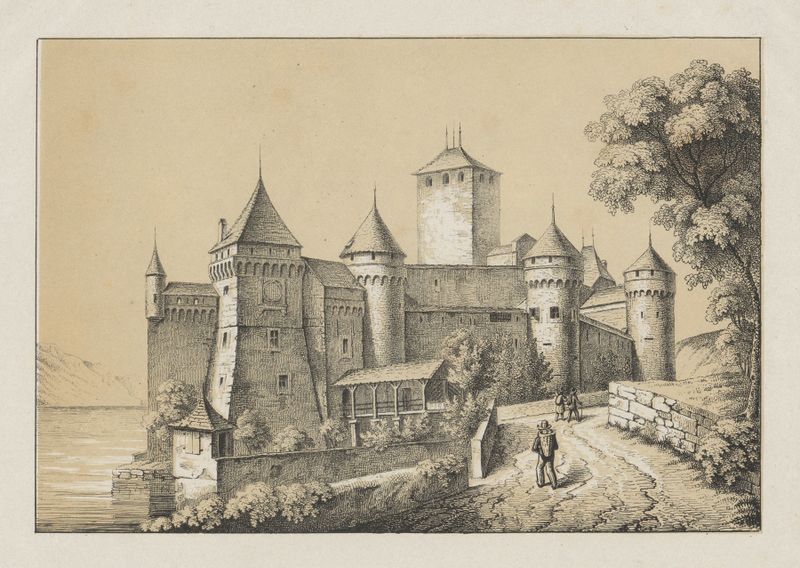
Chillon
Johann Friedrich Wagner

Valangin
Johann Friedrich Wagner
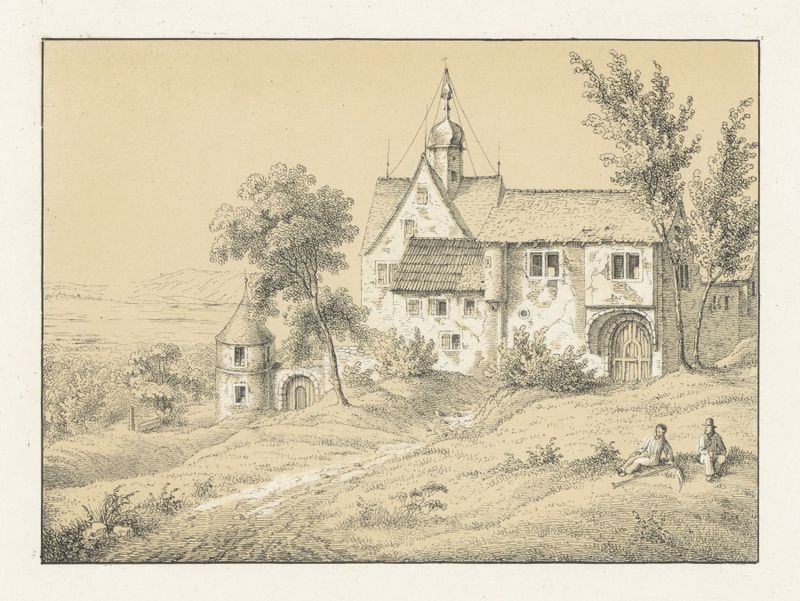
Greifenstein
Johann Friedrich Wagner

Vorburg
Johann Friedrich Wagner
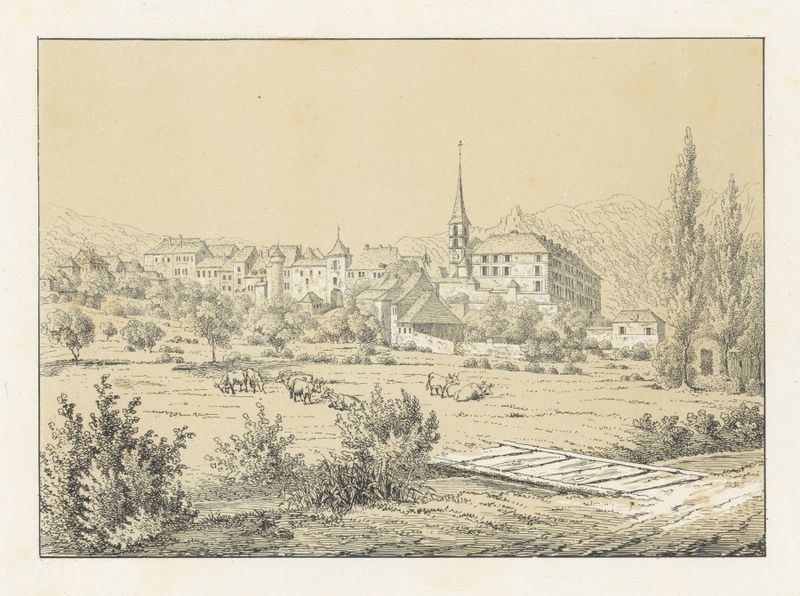
Delémont
Johann Friedrich Wagner

Pleujouse
Johann Friedrich Wagner

Challay
Johann Friedrich Wagner
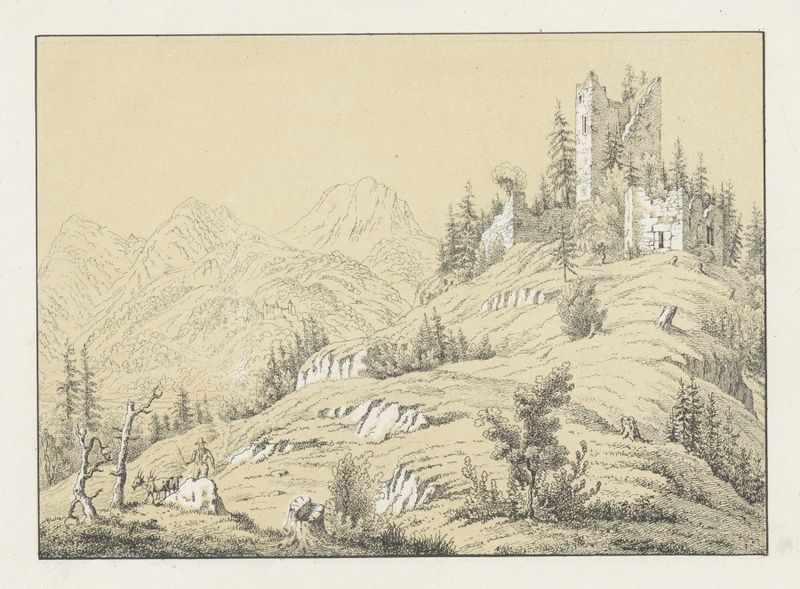
Mont Salvant
Johann Friedrich Wagner
Aha. Od. Untere Burg von Sarnen
Johann Friedrich Wagner
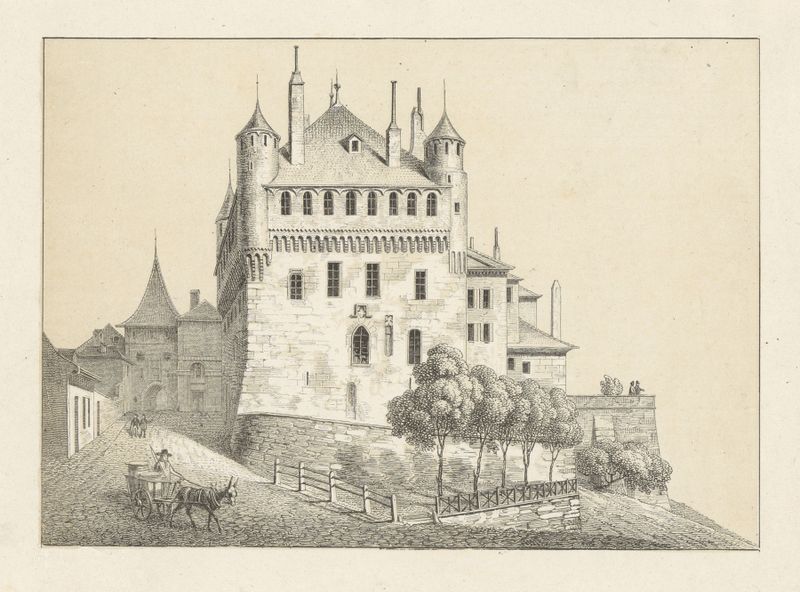
Lausanne
Johann Friedrich Wagner





