
Bulle — History & Facts
Can paint confess what words never could? The exploration of grief often remains unspoken, a silent weight captured in brushstrokes and hues that linger in the heart long after the viewer has turned away. Begin by focusing on the deep, somber palette that envelops the composition, drawing your eyes toward the central figure. Notice how the muted blues and grays blend seamlessly, creating a haunting atmosphere that echoes the emotion of loss. Look closely at the textures—the roughness of the background against the smoothness of the subject's form evokes a contrast between the turmoil of existence and the stillness of acceptance. As you delve deeper, consider the positioning of the figure, slightly bowed, suggesting a deep introspection that resonates with anyone who has faced sorrow.
The play of light and shadow around the figure creates an intimate space, almost inviting the viewer to share in this moment of vulnerability. Every detail, from the gentle curve of the shoulders to the distant gaze, speaks to unarticulated pain, transforming a solitary figure into a universal symbol of mourning. Created between 1840 and 1844, this work emerged during a period of personal and artistic upheaval for the artist. Wagner, influenced by the changing tides of Romanticism, was grappling with themes of emotion and human experience.
The era was marked by a burgeoning exploration of inner life in art, reflecting the tumultuous societal shifts of the time. This piece stands as a testament to that exploration, capturing the weight of grief within the confines of canvas.
More Artworks by Johann Friedrich Wagner
Browse all →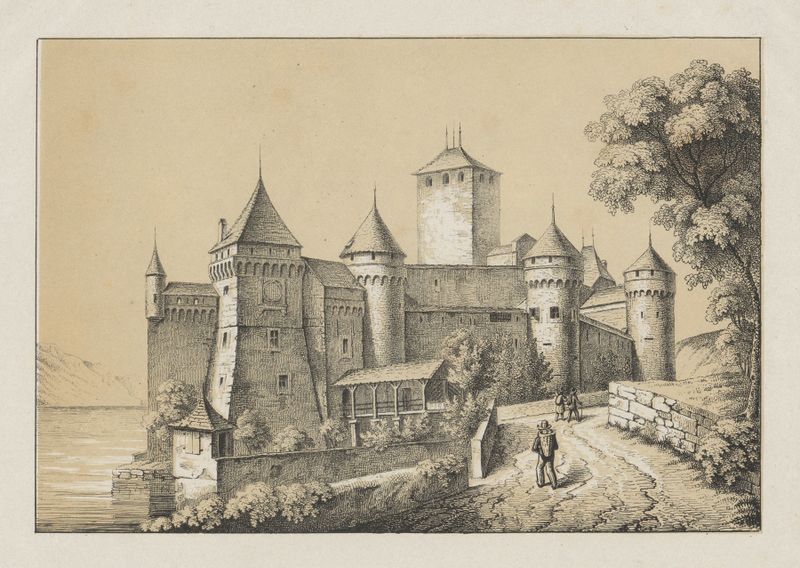
Chillon
Johann Friedrich Wagner

Valangin
Johann Friedrich Wagner
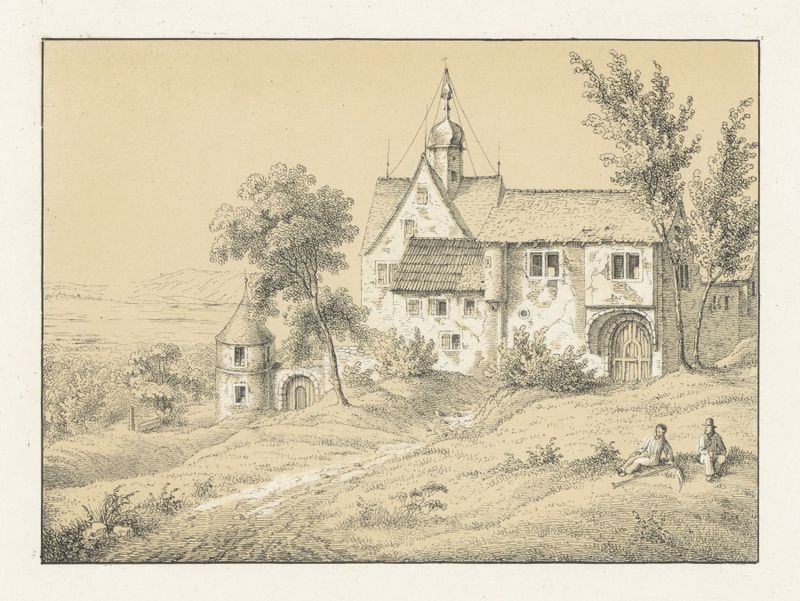
Greifenstein
Johann Friedrich Wagner

Vorburg
Johann Friedrich Wagner
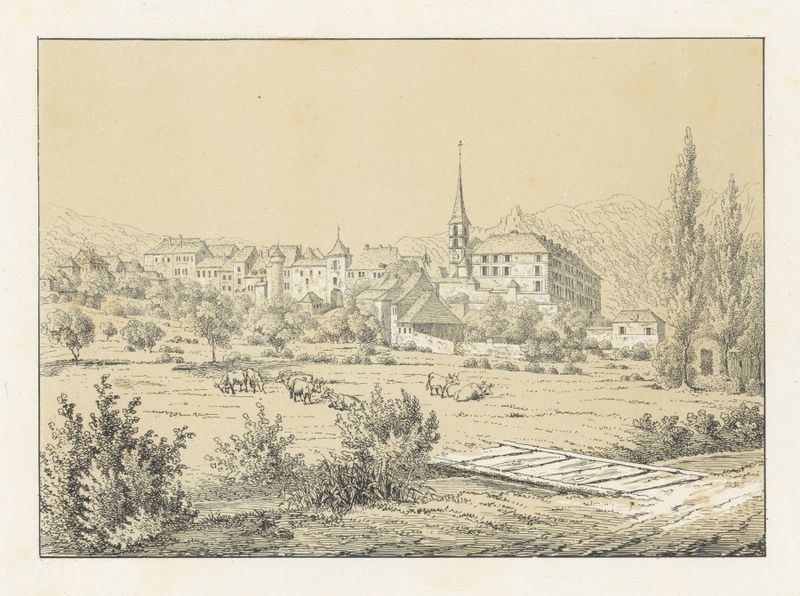
Delémont
Johann Friedrich Wagner

Pleujouse
Johann Friedrich Wagner

Challay
Johann Friedrich Wagner
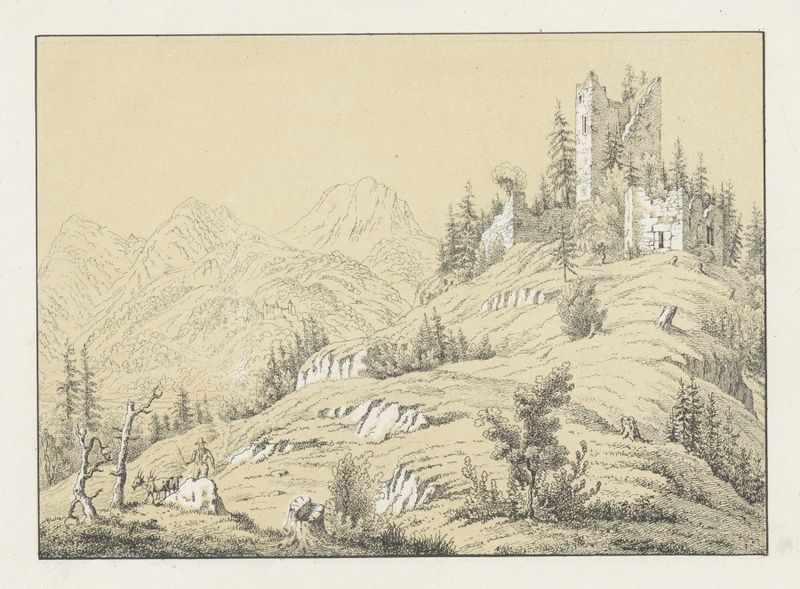
Mont Salvant
Johann Friedrich Wagner
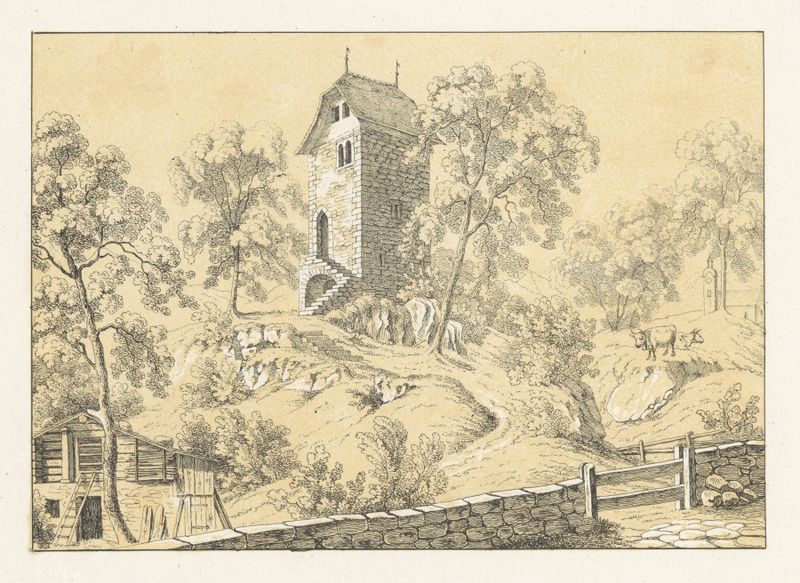
Aha. Od. Untere Burg von Sarnen
Johann Friedrich Wagner
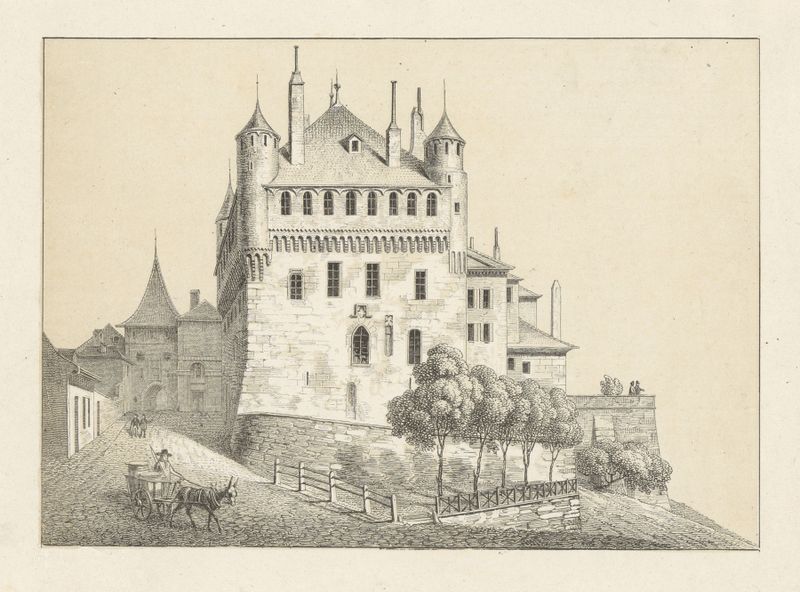
Lausanne
Johann Friedrich Wagner





