
Bust of Étienne Terrus — History & Facts
What first seizes the viewer in Bust of Étienne Terrus by Aristide Maillol is the sheer force of presence: a head that seems carved from resolve itself, eyes set deep beneath a heavy brow, the beard and hair rendered with a mass that feels almost geological. The face draws you in with its gravity, the furrowed lines of the forehead and the stern set of the mouth suggesting a mind at work, or perhaps at odds with the world around him. Light glances off the high planes of cheek and brow, emphasizing the sculptor’s attention to the weight and architecture of the head.
The bust offers no distractions, no decorative flourish—every detail is harnessed to the task of summoning character. This is not a portrait that flatters; it confronts. Created between circa 1905 and 1907, this work stands at the intersection of tradition and the new century’s search for essence. In the early 1900s, French sculpture was shifting away from the ornate surfaces of the nineteenth century, moving toward a language of form and mass that would soon define modernism.
Maillol, known for his devotion to clarity and structure, here channels that spirit into portraiture, capturing not just likeness but the inner architecture of a personality. Today, the bust resides in the musée Hyacinthe Rigaud in Perpignan, a city that has kept the memory of both artist and sitter alive. Look again at those eyes: they do not yield their story easily, but they invite you to linger and wonder.
More Artworks by Aristide Maillol

Paysage à Banyuls
Aristide Maillol
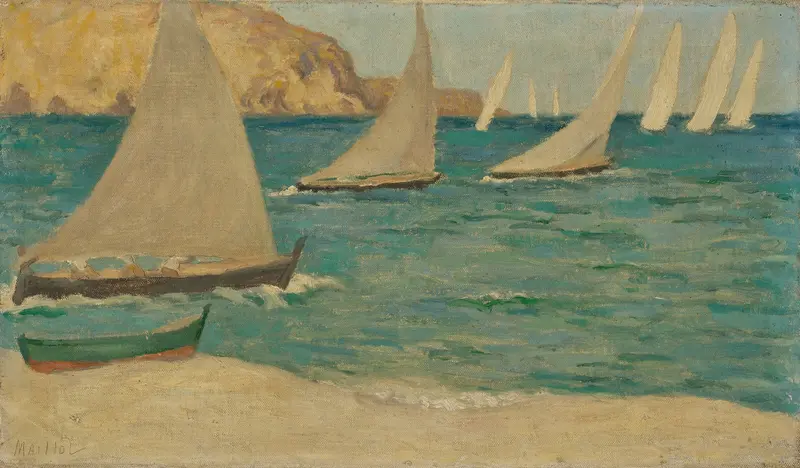
Les Régates
Aristide Maillol
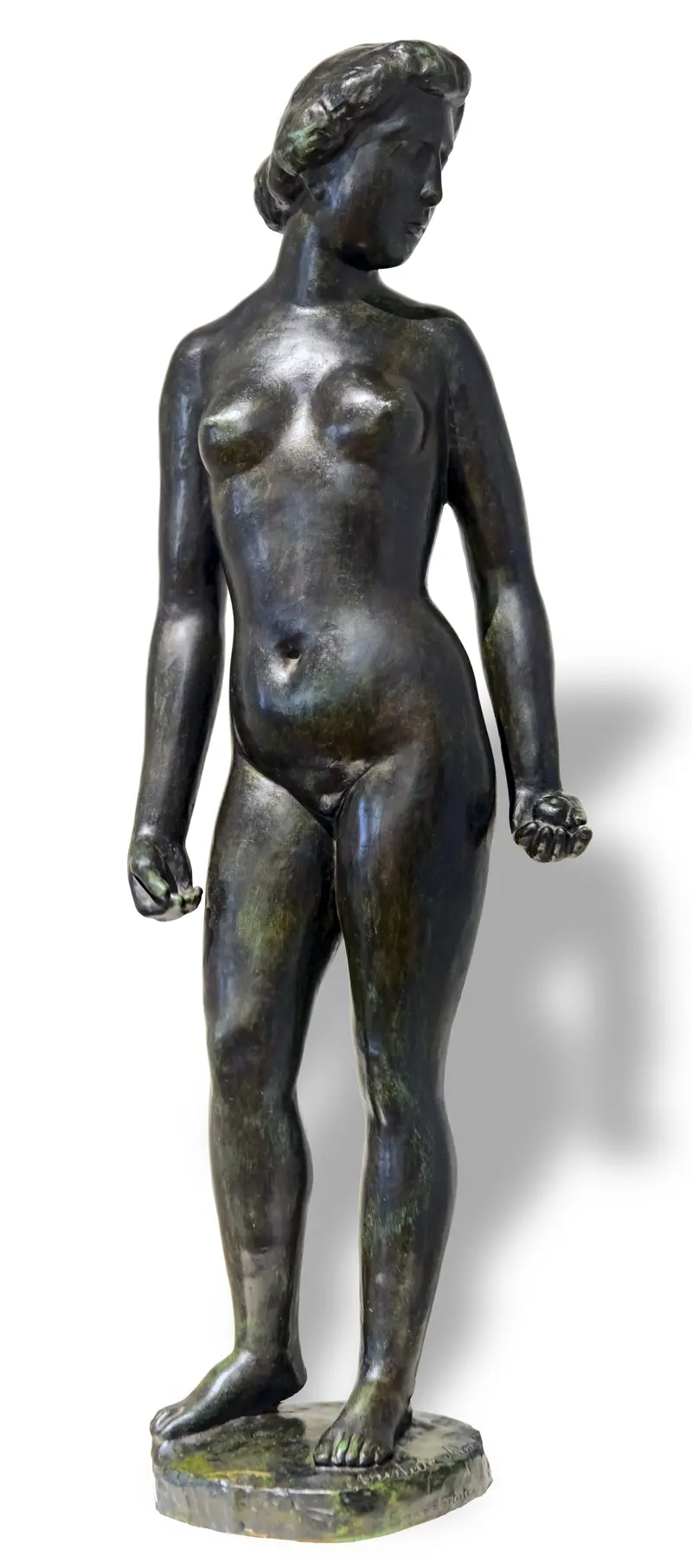
Eve with the Apple
Aristide Maillol
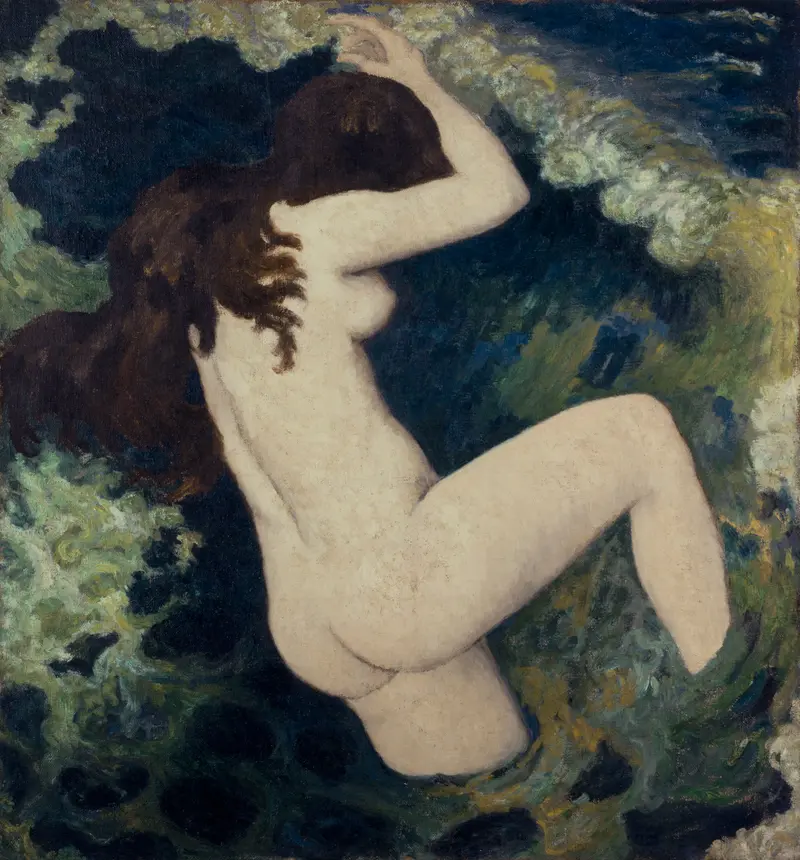
La vague
Aristide Maillol
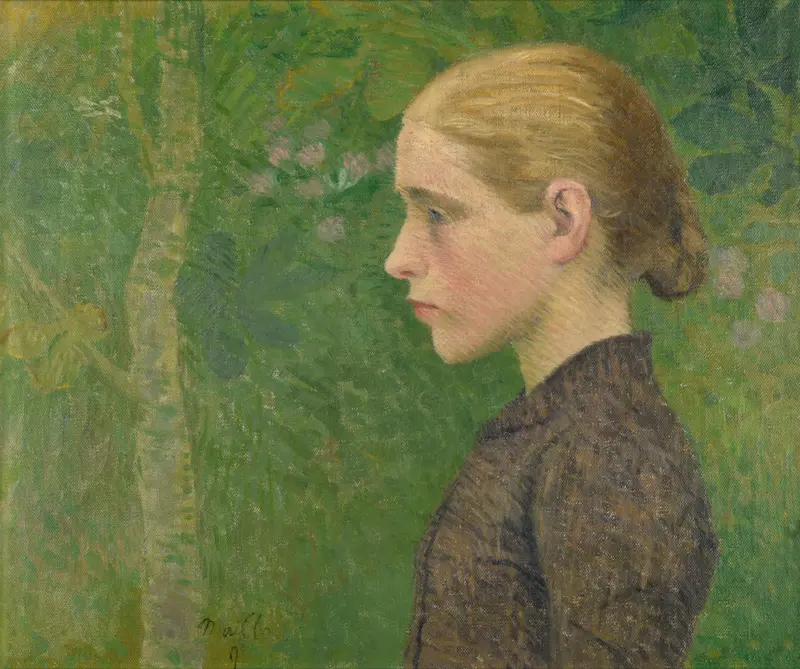
Jeune paysanne en buste
Aristide Maillol
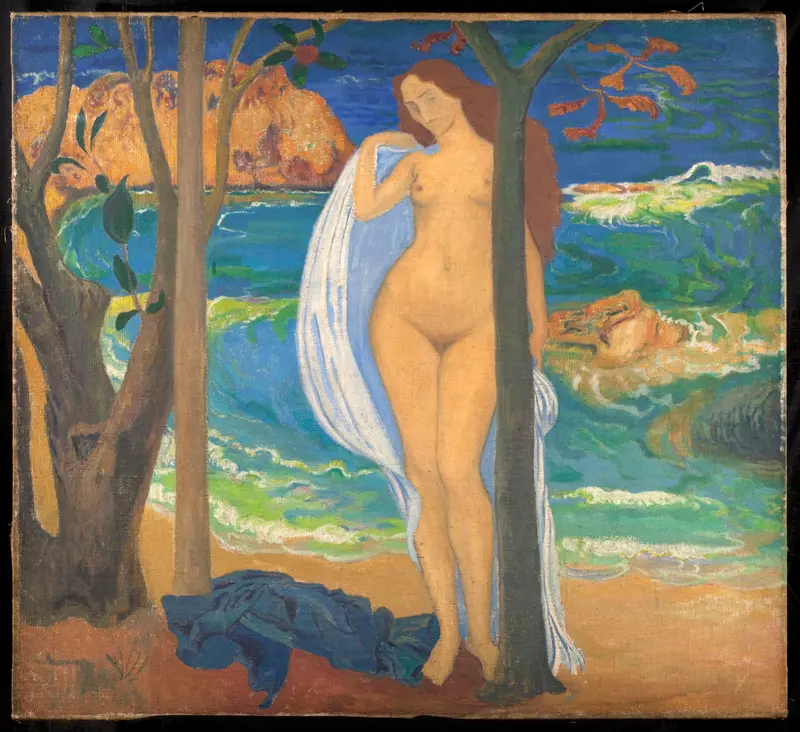
Méditerranée
Aristide Maillol
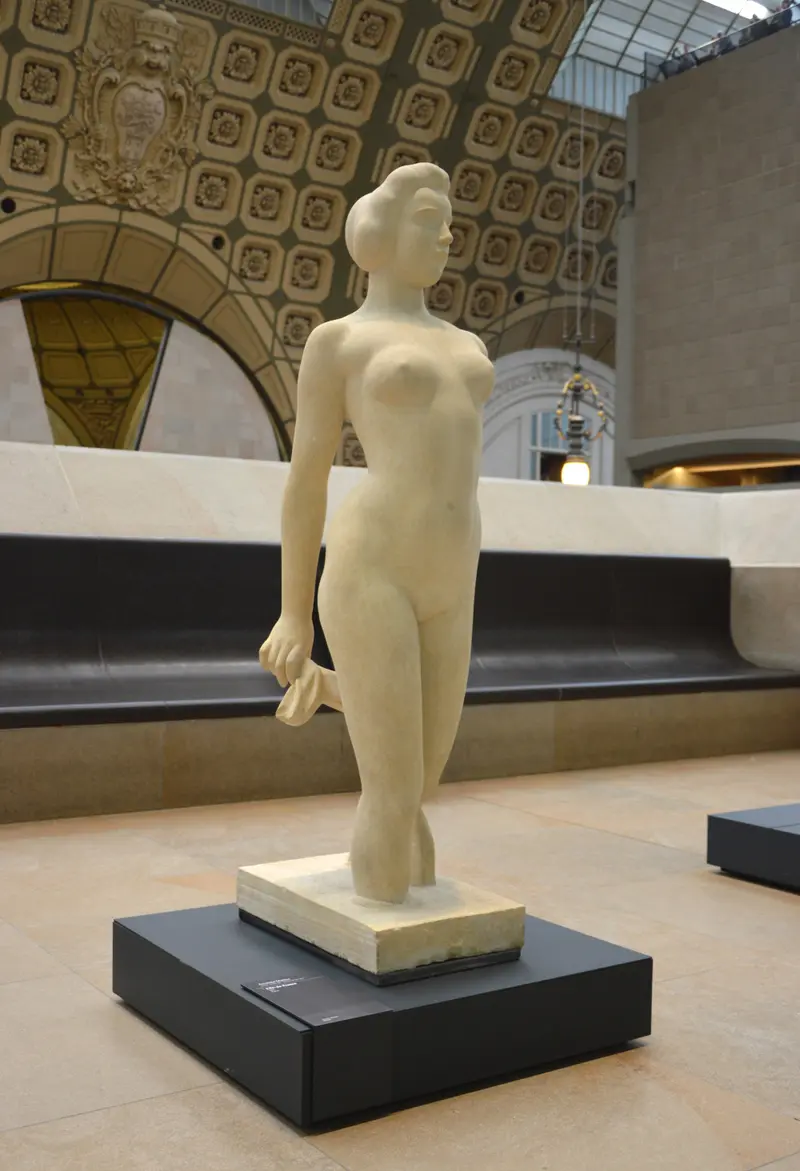
Ile de France
Aristide Maillol
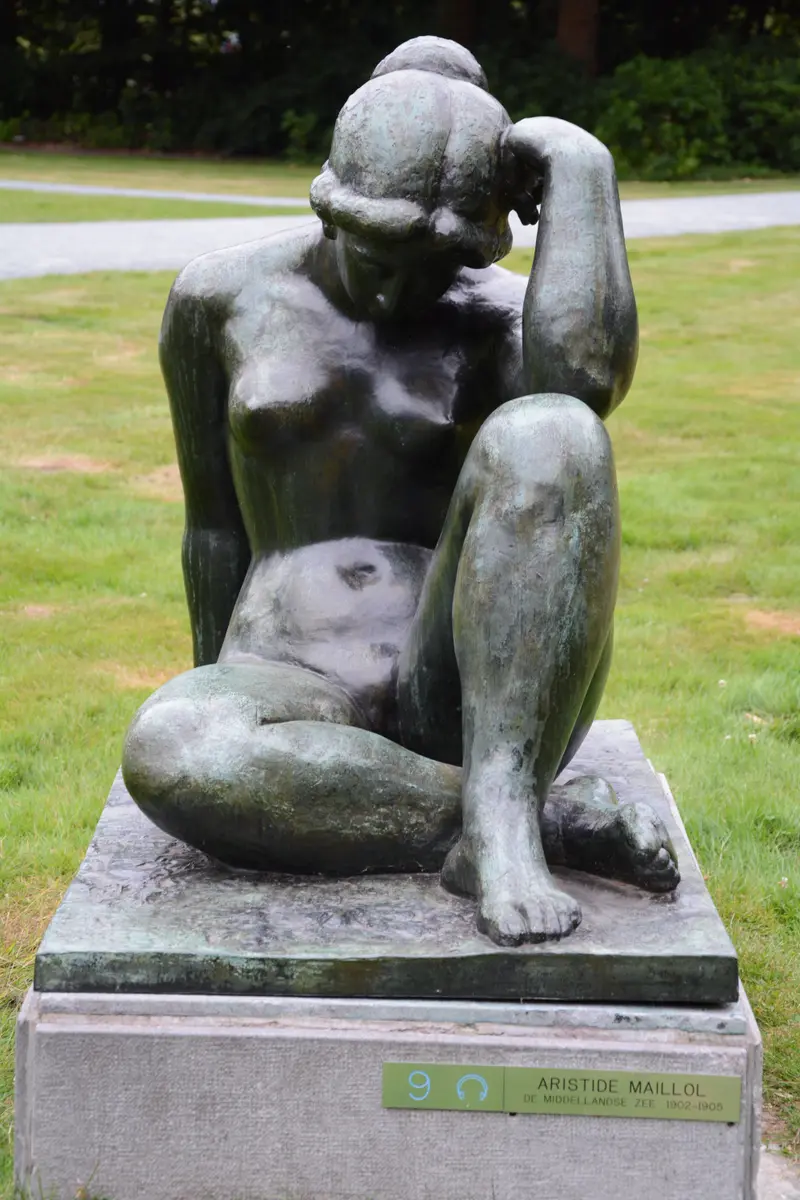
La Méditerranée
Aristide Maillol
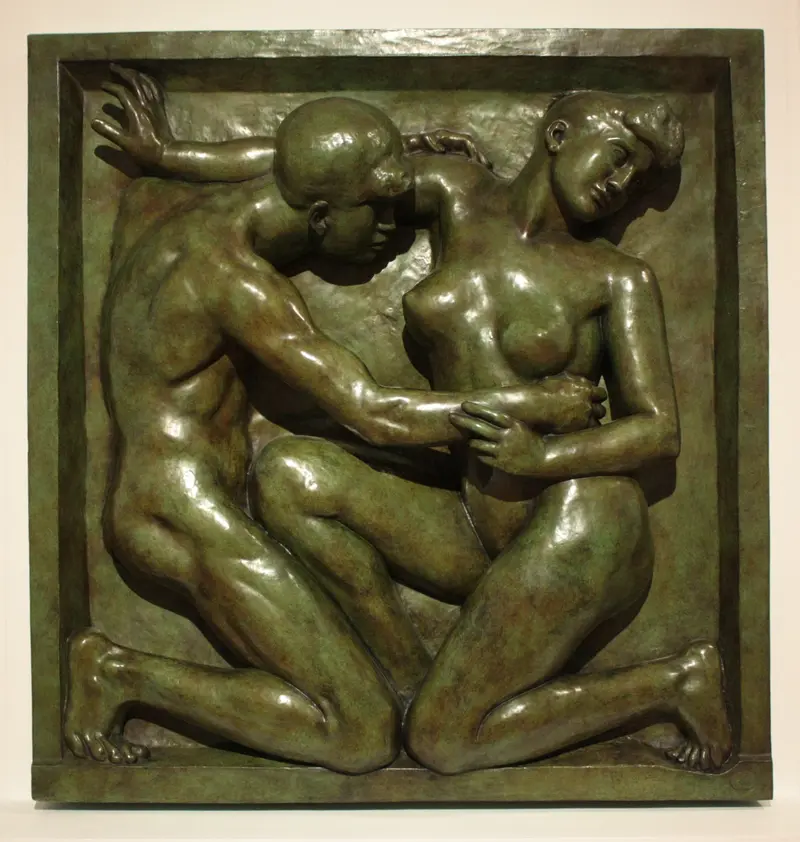
Le Désir
Aristide Maillol
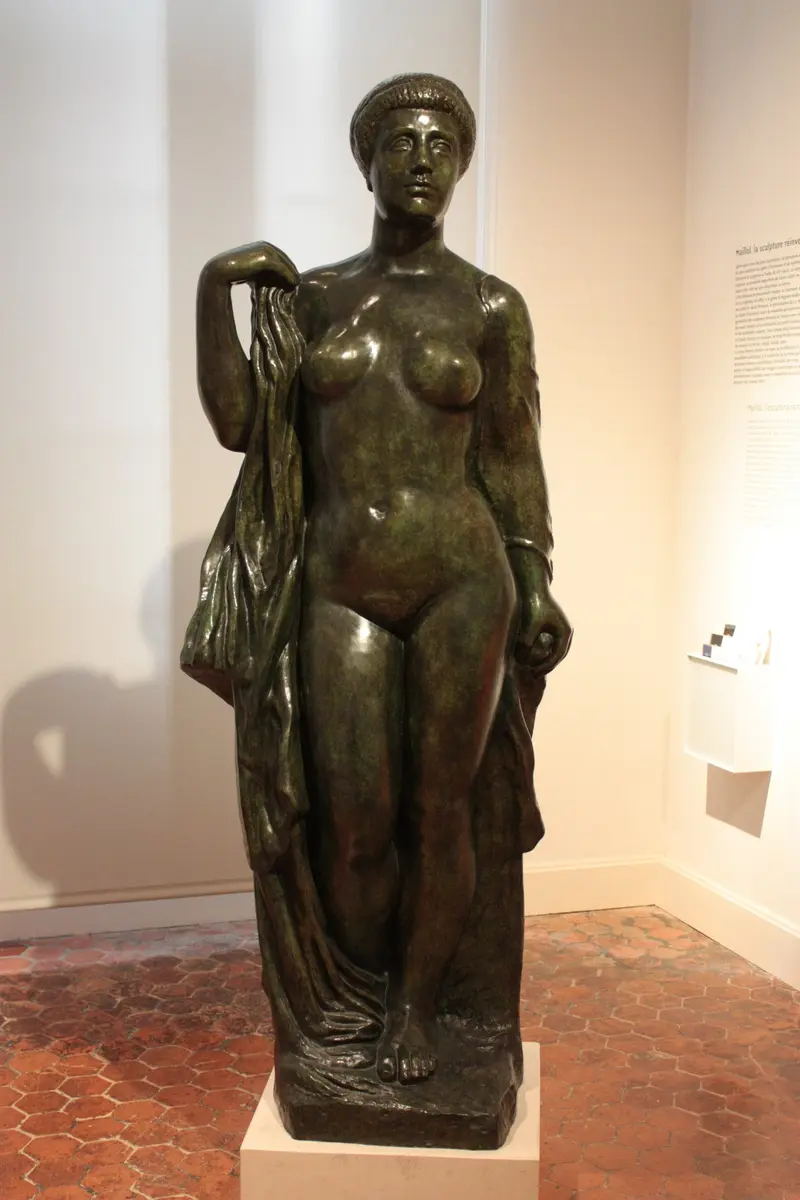
La Baigneuse drapée by Aristide Maillol
Aristide Maillol





