
Bust of Pierre-Auguste Renoir — History & Facts
What first draws the eye in Bust of Pierre-Auguste Renoir by Aristide Maillol is the tension between the rough, almost jagged modeling of the surface and the intensity of the sitter’s gaze. The face is all sharp planes and deep shadows, the eyes hollowed yet searching, the mouth drawn tight beneath a pointed beard. The hat, broad-brimmed and heavy, casts a dramatic shadow that cuts across the brow, accentuating the furrows and the sense of introspection.
Every mark of the sculptor’s hand is left visible, as if to remind us that this is not a smooth ideal, but a portrait built out of labor, decision, and the weight of personality. Created in 1907, this work stands at the crossroads of tradition and the seismic shifts of early twentieth-century art. The bust format was a time-honored way to honor artists and thinkers, yet Maillol’s approach is anything but conventional. In these years, portrait busts were often commissioned to commemorate public figures or to celebrate friendship and artistic kinship, and the choice to render Renoir—himself a titan of modern painting—suggests a dialogue between generations.
While history has kept few traces of this specific sculpture’s journey, its presence today invites us to look again at the face of innovation, captured in a moment of quiet, sculpted resolve.
More Artworks by Aristide Maillol

Paysage à Banyuls
Aristide Maillol
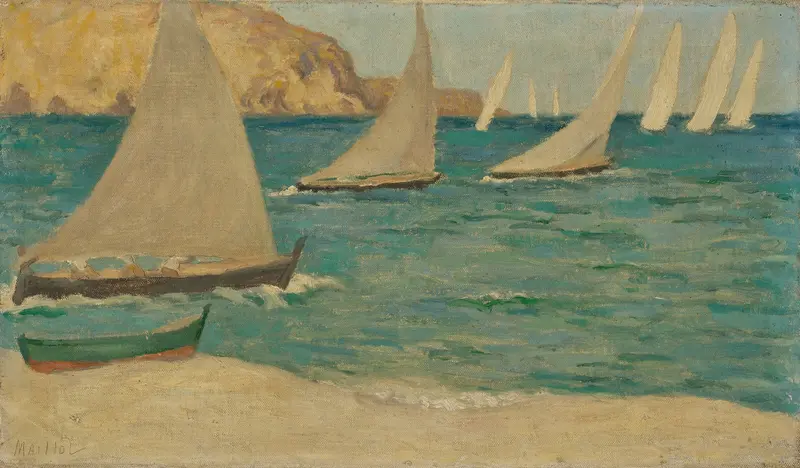
Les Régates
Aristide Maillol
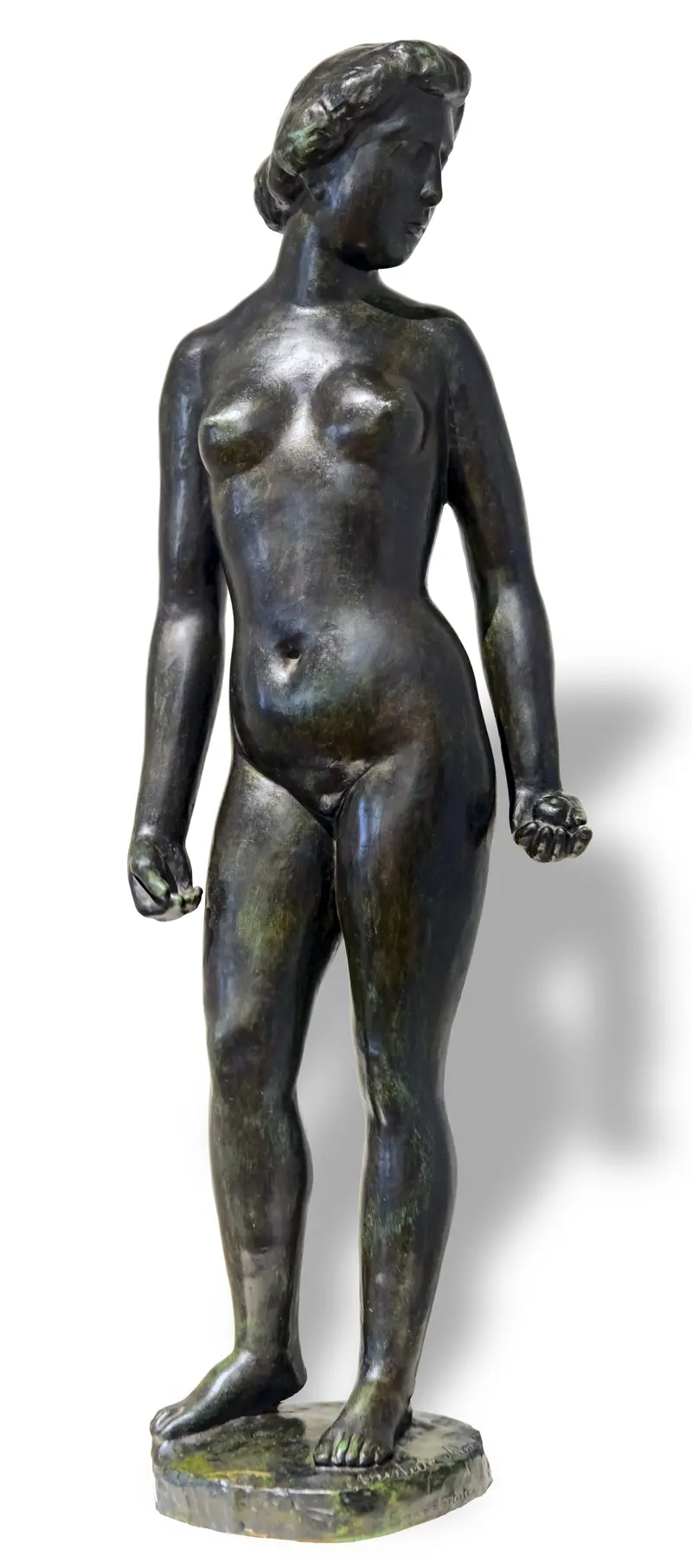
Eve with the Apple
Aristide Maillol
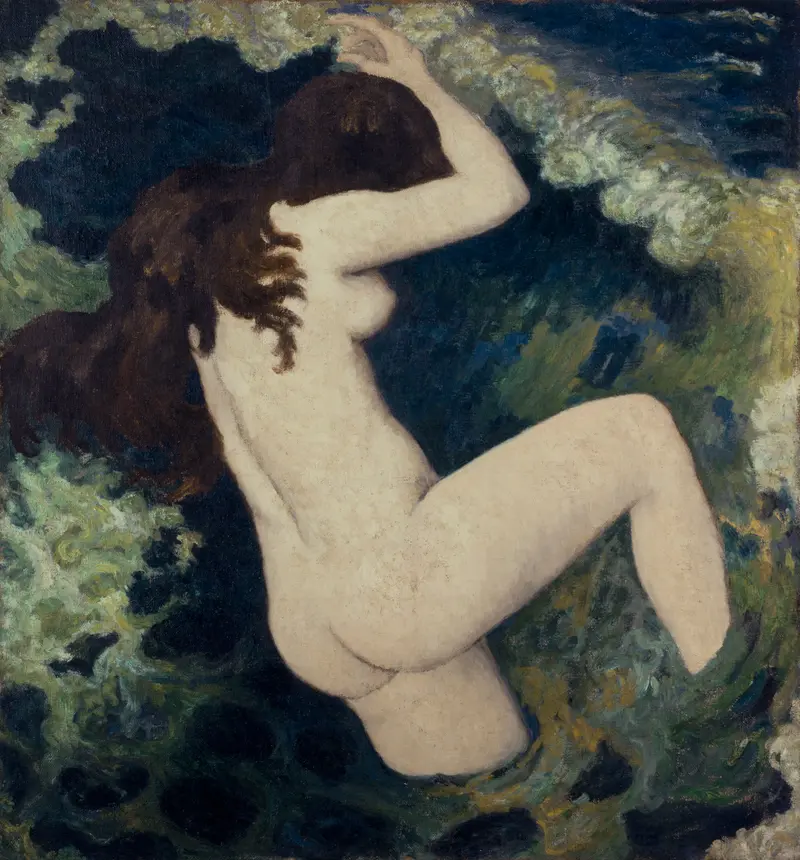
La vague
Aristide Maillol
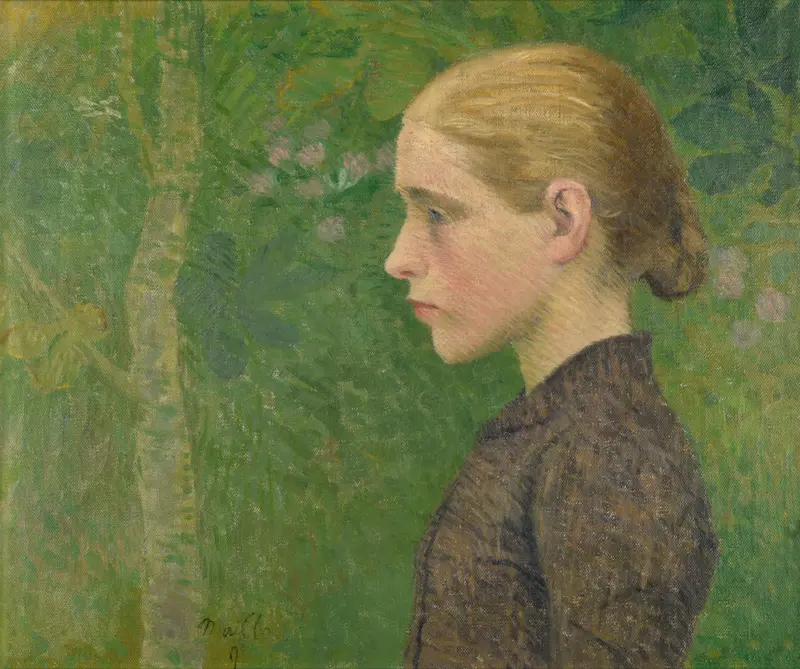
Jeune paysanne en buste
Aristide Maillol
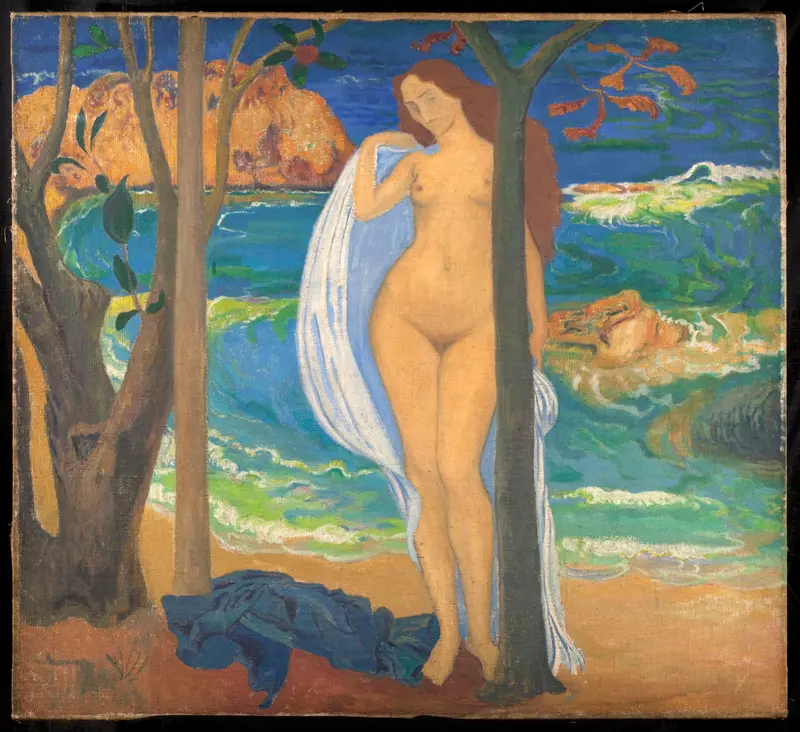
Méditerranée
Aristide Maillol
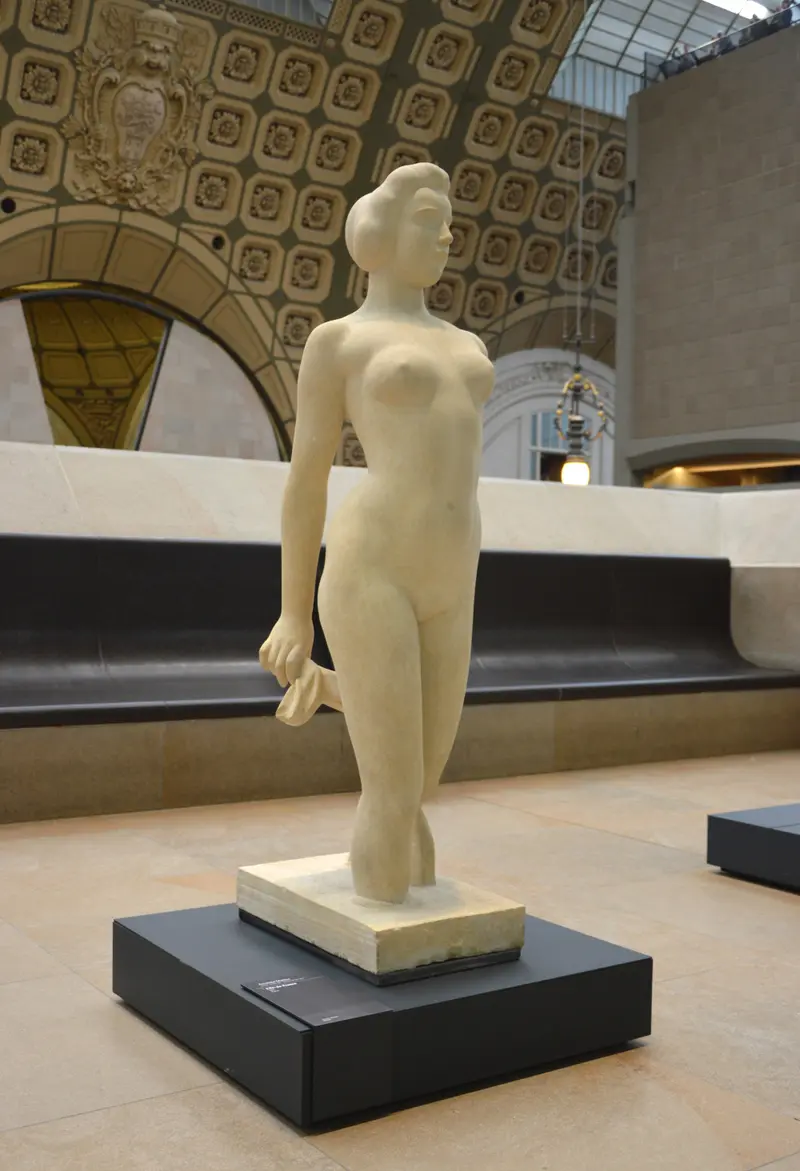
Ile de France
Aristide Maillol
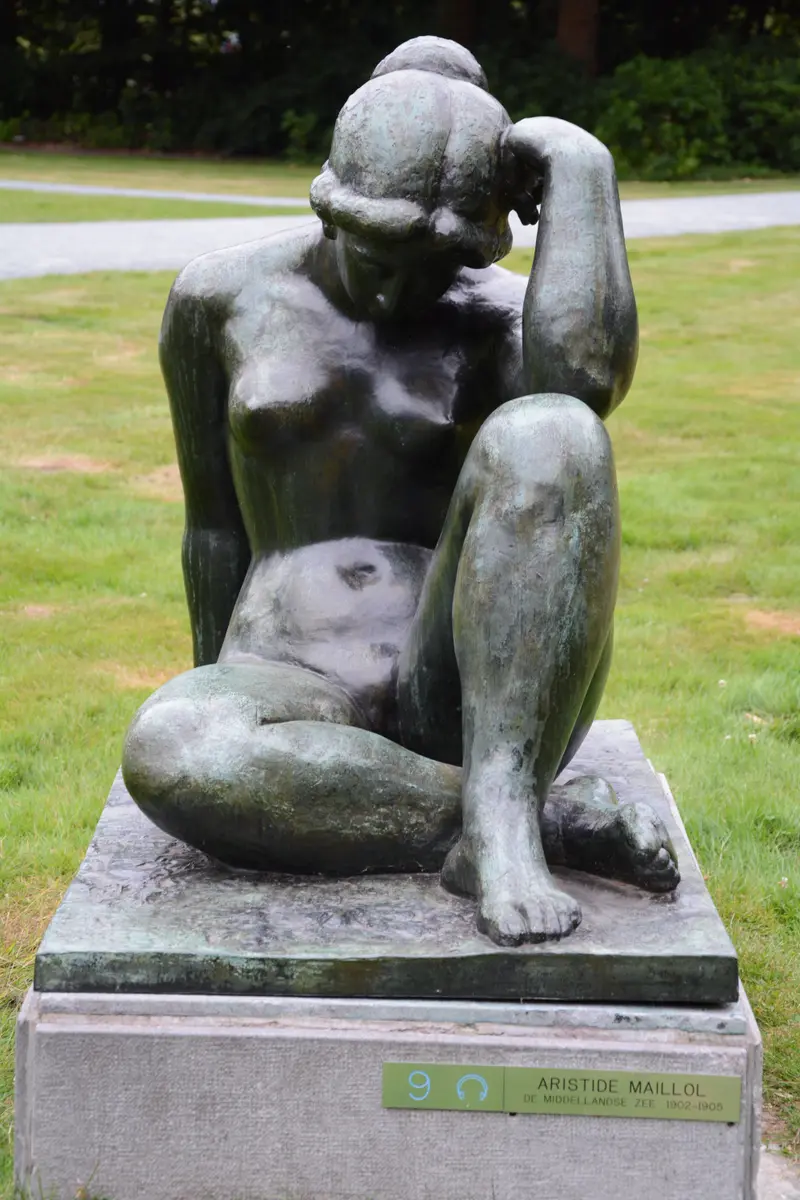
La Méditerranée
Aristide Maillol
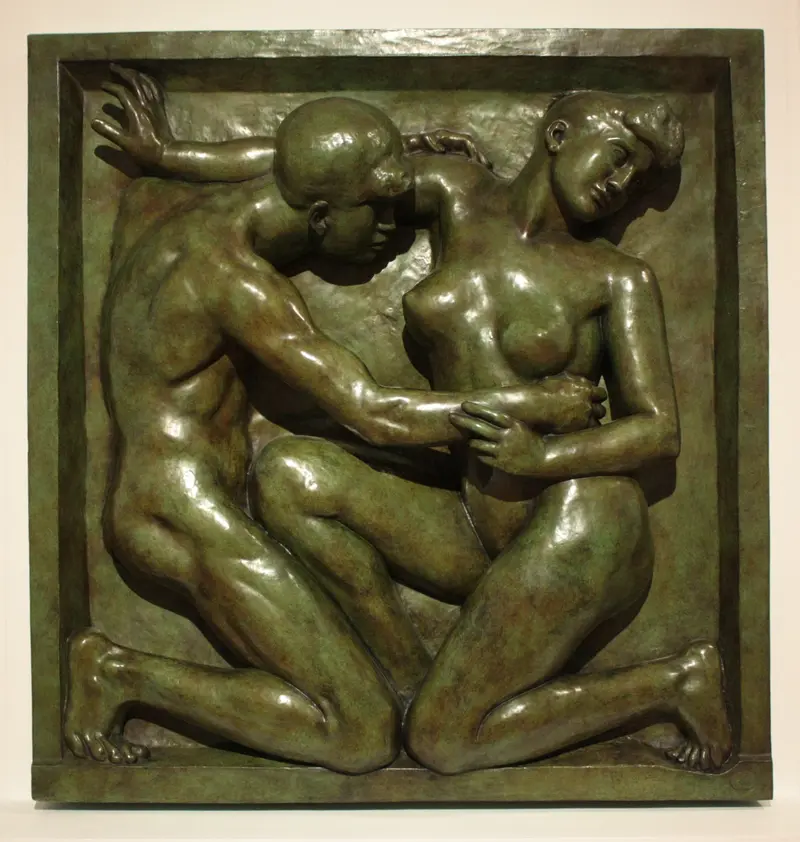
Le Désir
Aristide Maillol
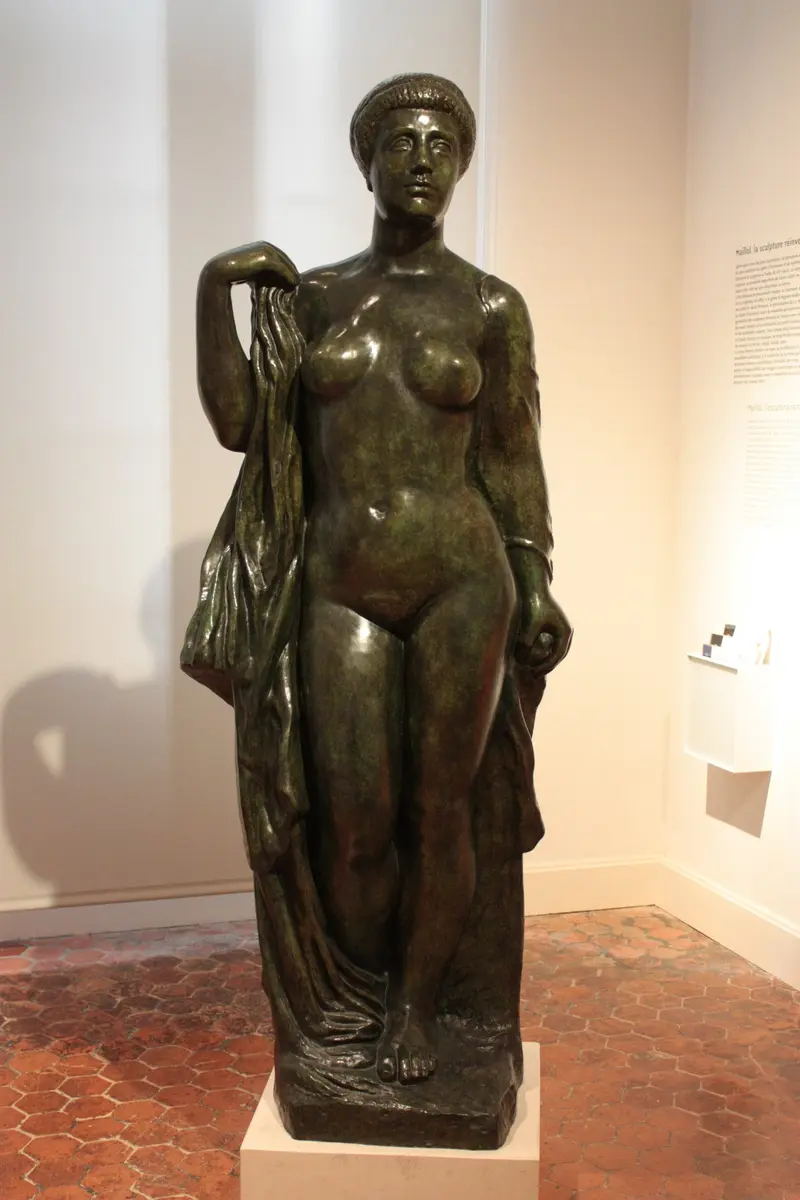
La Baigneuse drapée by Aristide Maillol
Aristide Maillol





