
By the water — History & Facts
Is this a mirror — or a memory? In By the water, a serene yet chaotic interplay of reflection and reality invites viewers to question their perception of stillness and movement. Look to the foreground, where gentle ripples distort the image of a tranquil landscape. The water’s surface, painted with soft blues and greens, mirrors the surrounding trees and sky, yet hints at an underlying turbulence. The brushstrokes create a sense of fluidity, as if the water is alive, beckoning you to peer beneath its surface.
The contrasting light and shadow evoke a feeling of unease, revealing that what appears calm may harbor chaos just out of view. Delve deeper into the swirling colors and patterns that suggest a hidden narrative beneath the placid exterior. The subtle tension between light and darkness invites reflection on the dual nature of existence, while the shimmering water reflects fleeting moments of clarity amid the tumult of life. This interplay may symbolize the chaos of the human experience, where memories and emotions are as fluid as the water itself, shifting with time. During the early 1920s, Ľudovít Čordák was navigating a pivotal moment in his artistic journey, seeking to blend the influences of impressionism with the emerging modernist trends of his time.
Working in a post-war Europe grappling with change, he embraced nature as a source of inspiration, using it to explore themes of memory and perception. This period marked a significant evolution in his style, culminating in works like this that resonate with both tranquility and underlying turbulence.
More Artworks by Ľudovít Čordák
Browse all →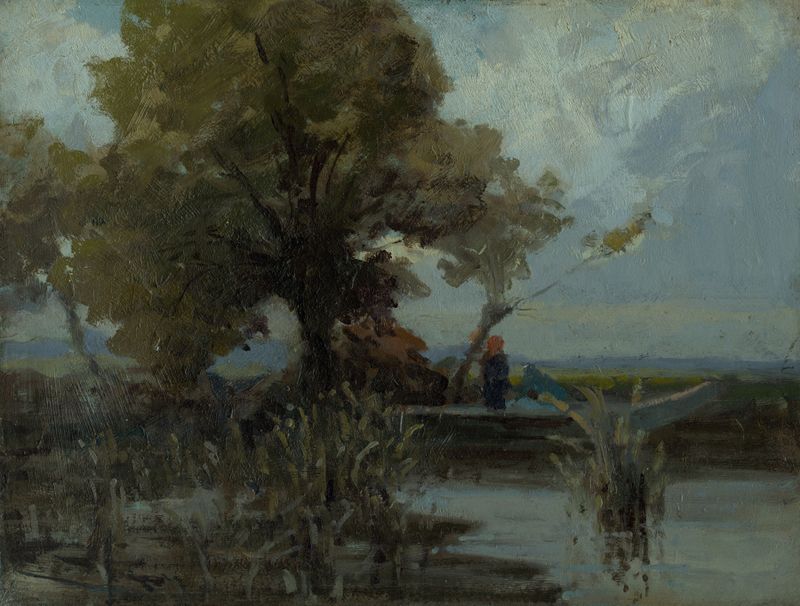
Košatý strom pri jazere
Ľudovít Čordák
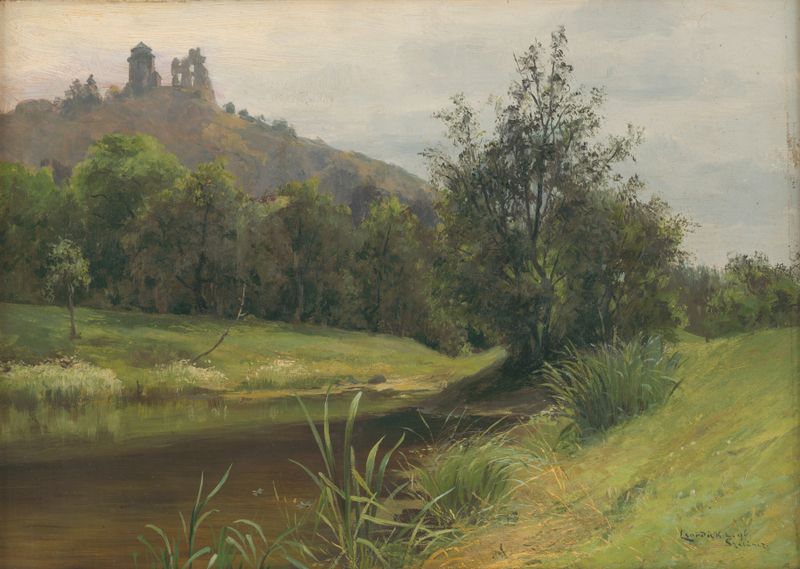
Močarina pod Slaneckým hradom
Ľudovít Čordák
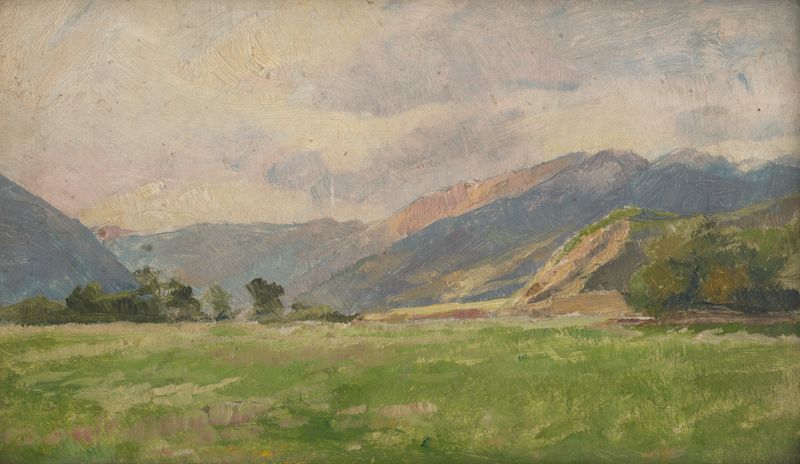
Mountain Meadow
Ľudovít Čordák
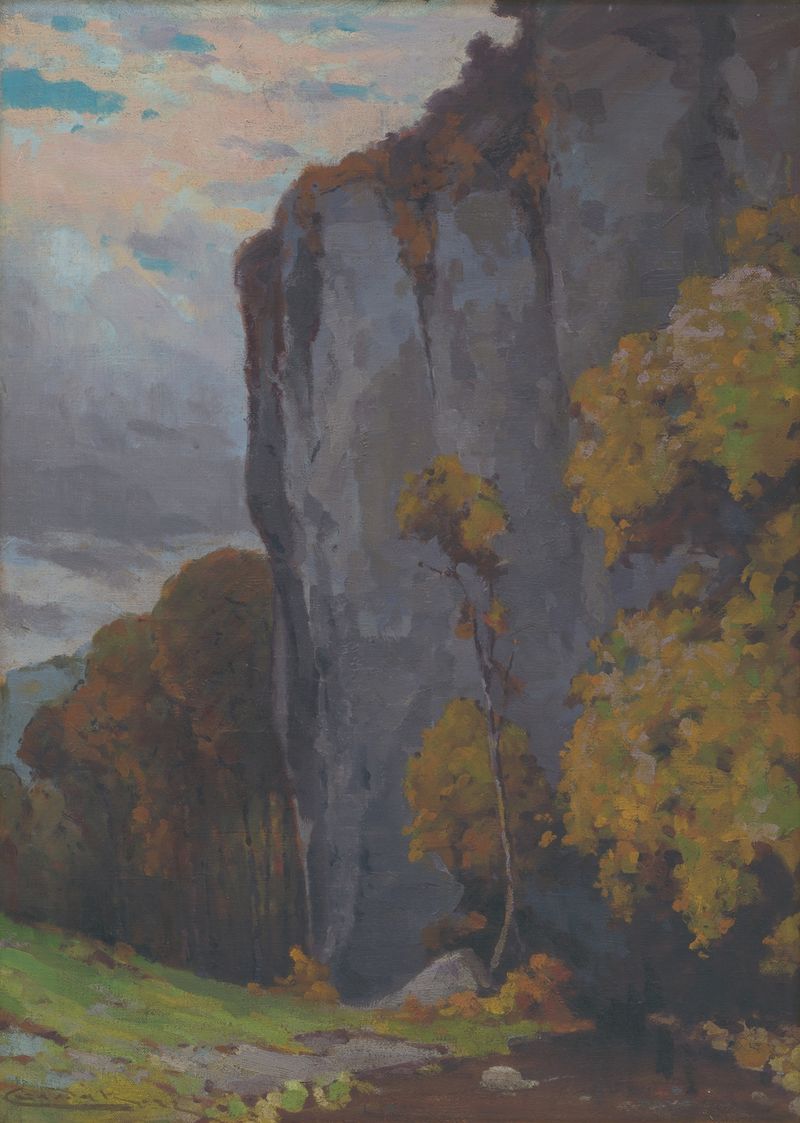
Zádiel
Ľudovít Čordák
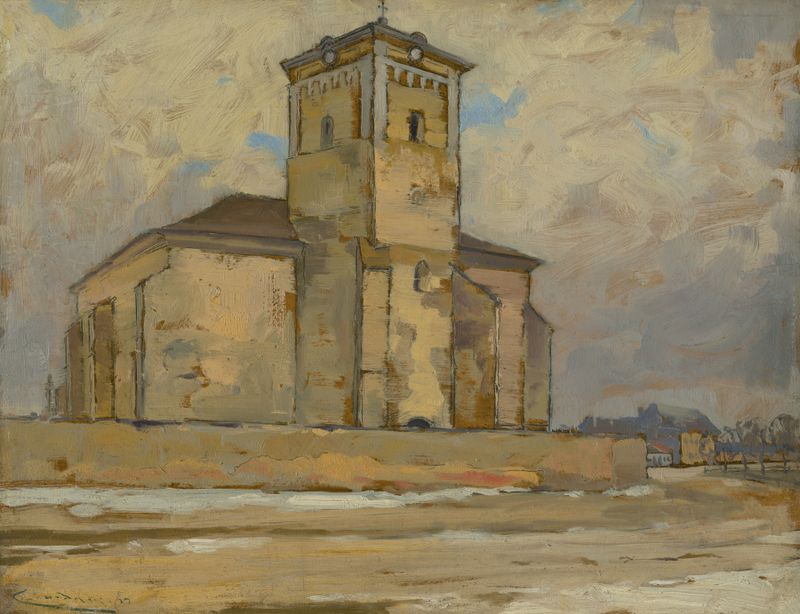
Church in Moldova
Ľudovít Čordák
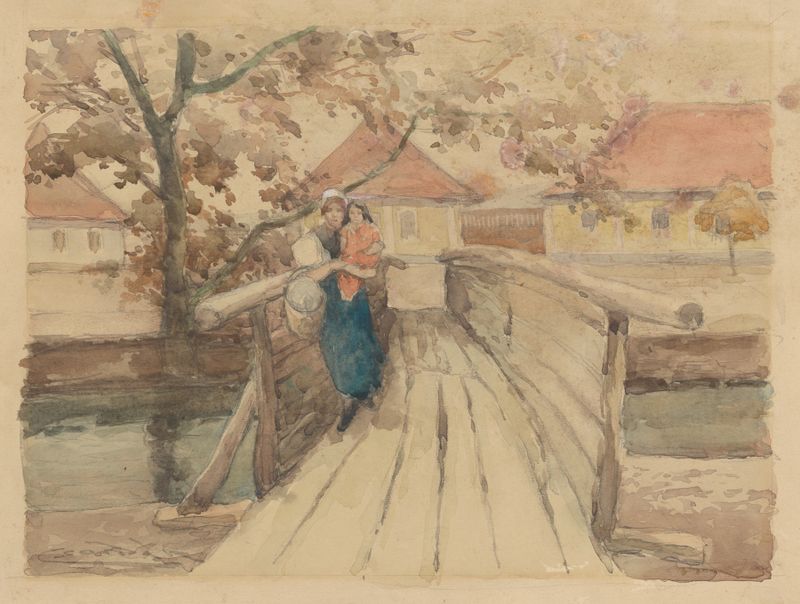
Wooden bridge
Ľudovít Čordák
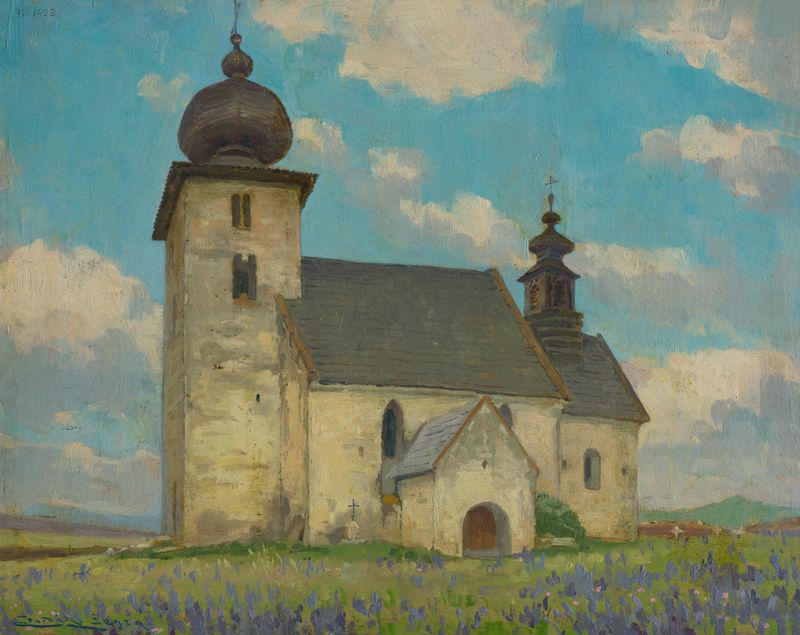
Gothic church in Žehra
Ľudovít Čordák
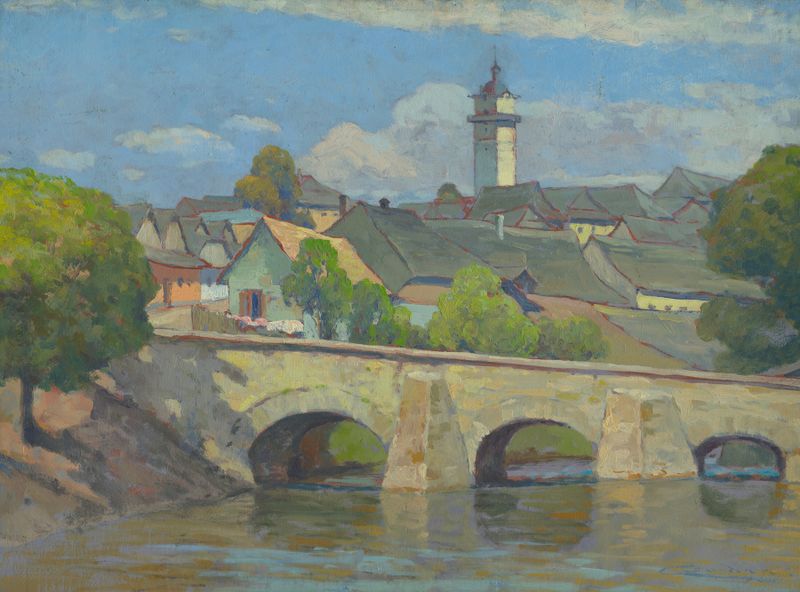
A small town in Spiš
Ľudovít Čordák
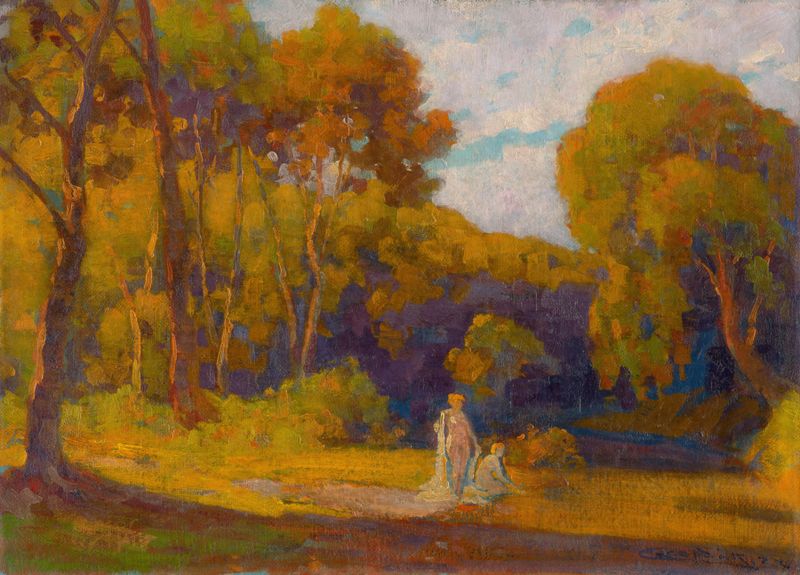
At Sunset
Ľudovít Čordák
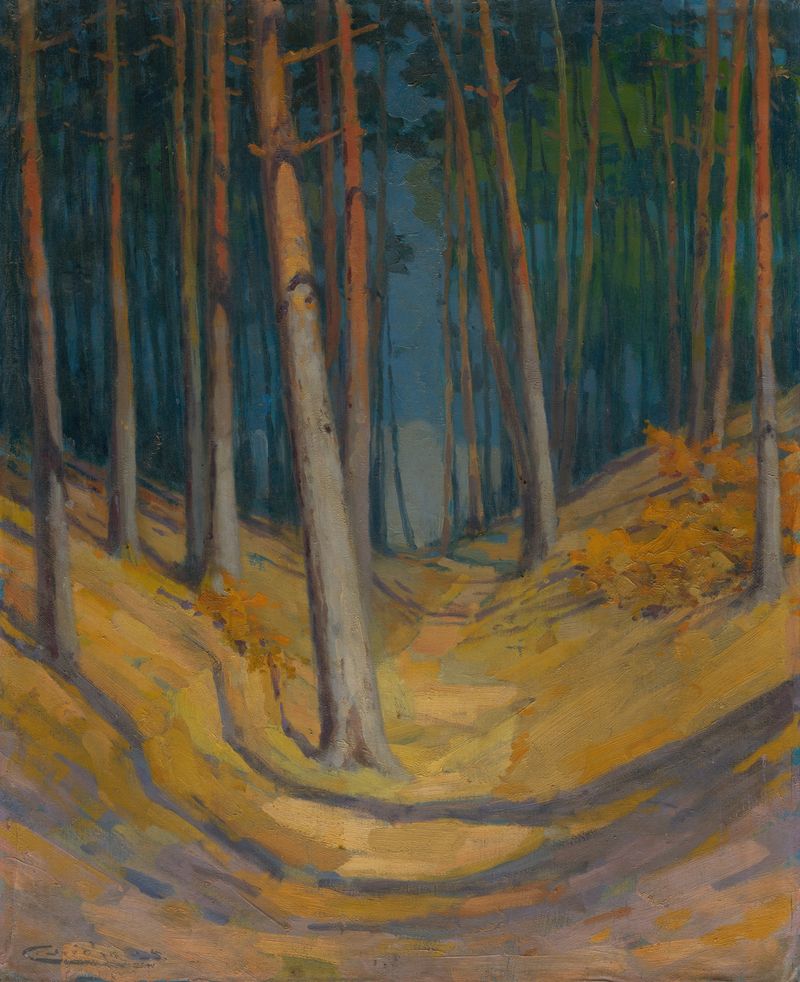
Forest
Ľudovít Čordák





