
Ca’ d’Oro in Venetië — History & Facts
This truth resonates deeply in the delicate facade of a Venetian palazzo, where grandeur masks an undercurrent of madness. A reflection on the duality of allure and anguish, it beckons viewers to peer beyond the shimmering surface. Look to the left at the opulent arches, where the intricate details of the Ca’ d’Oro beckon with their delicate filigree and gilded embellishments. Notice how the golden hues of the architecture catch the sunlight, creating a dance of shadows and light that envelops the building in a warm embrace.
The composition balances architectural precision with a painterly touch, inviting you to explore every subtle curve and crevice that speaks to both beauty and decay. There is a tension between the tangible and the ethereal within this work. The golden tones suggest wealth and sophistication, yet they also evoke feelings of isolation, as if the palazzo stands as a monument to forgotten dreams. The juxtaposition of light and dark within the water reflects the complexities of human emotion—joy intertwined with sorrow, sanity intertwined with madness.
Each brushstroke hints at stories long buried beneath the surface of a seemingly perfect exterior. Etienne Bosch painted this masterpiece between 1873 and 1931, a time when the world was grappling with rapid change and burgeoning modernism. Living in the shadow of historical Venice, he captured its beauty and history while also engaging with the anxieties of his era. In this work, he documents not only a location but also the haunting beauty of a city that has endured both splendor and decline, mirroring the artist’s own explorations of beauty and madness.
More Artworks by Etienne Bosch
Browse all →
Gezicht op de achterkant van de Notre Dame in Parijs Notre Dame
Etienne Bosch
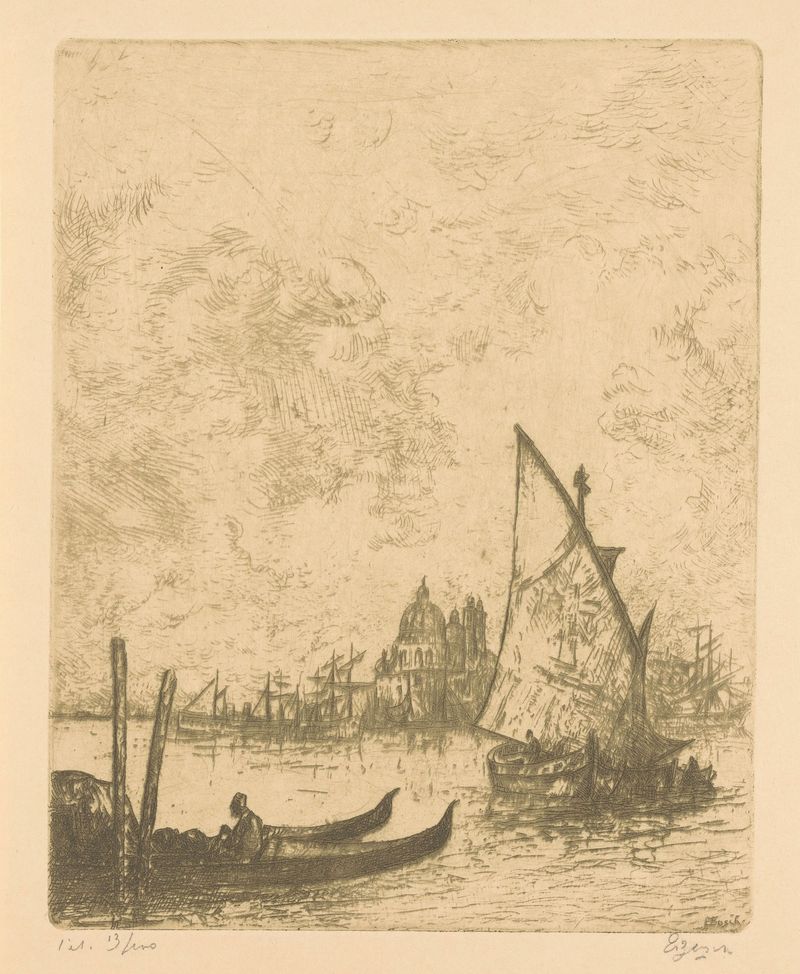
Venetië
Etienne Bosch

Amsterdamse poort te Haarlem
Etienne Bosch

Le Palatin Rome
Etienne Bosch

Landschap bij Rome
Etienne Bosch
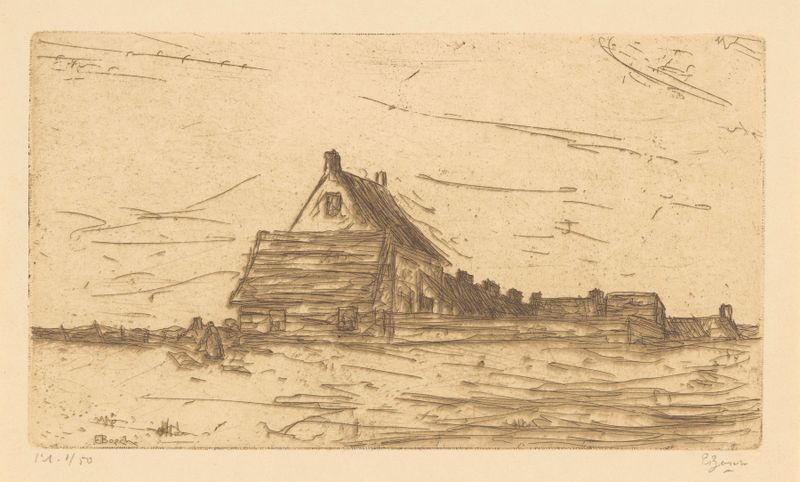
Boerenwoning
Etienne Bosch

Scheveningen
Etienne Bosch
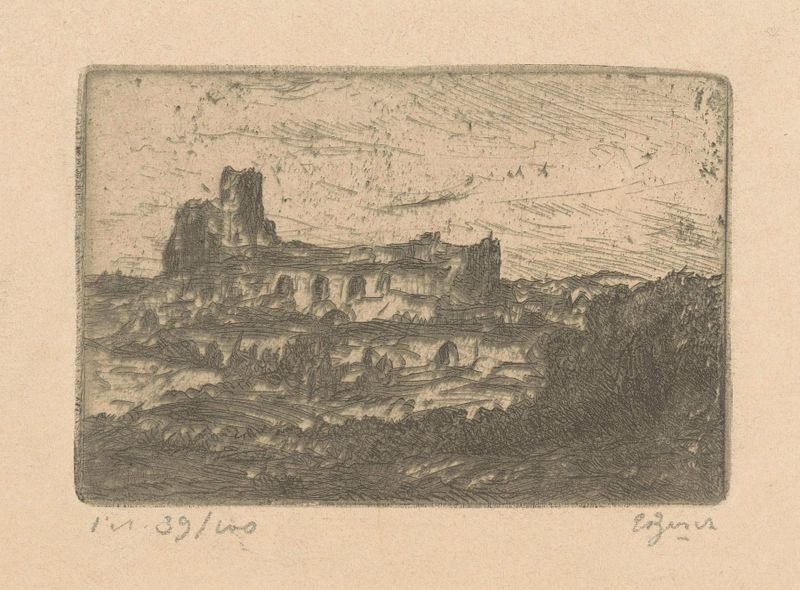
Ruïne Rome
Etienne Bosch
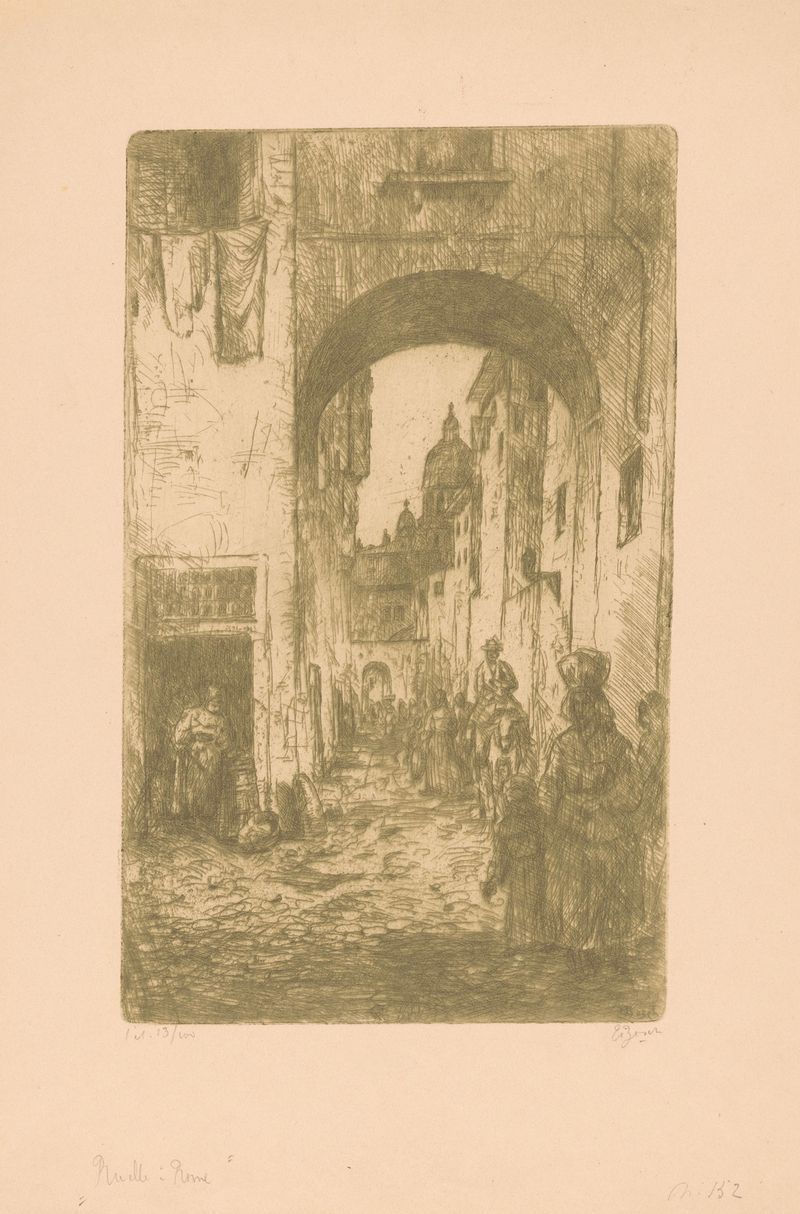
Ruelle, Rome
Etienne Bosch
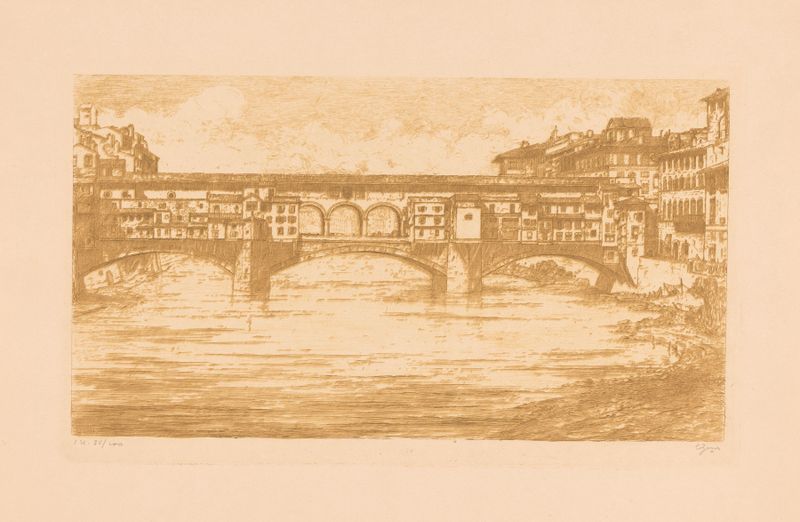
Ponte Vecchio in Florence
Etienne Bosch
More Architecture Art
Browse all →
The statue of Liberty
Frédéric Auguste Bartholdi

View of Houses in Delft, Known as ‘The Little Street’
Johannes Vermeer

View of Houses in Delft, Known as ‘The Little Street’
Johannes Vermeer

The Cathedral in Rouen. The portal, Grey Weather
Claude Monet

The yellow house
Vincent van Gogh

The Church in Auvers-sur-Oise, View from the Chevet
Vincent van Gogh