
Calm Sea — History & Facts
What if silence could speak through light? In Calm Sea, the stillness of the water holds a profound yearning, an embrace of tranquility tinged with hidden desires. Look to the horizon, where the soft gradient of blues and greens meld seamlessly. Courbet's brush strokes evoke a gentle caress, with the shimmering surface reflecting a light that seems to transcend time. Notice how the muted colors create a serene atmosphere, inviting contemplation while drawing your gaze across the painting, from the delicate ripples in the foreground to the distant, almost ethereal horizon.
The composition balances the vastness of the sea with an intimate connection to its surface, emphasizing the paradox of depth in simplicity. Beneath this placid exterior lies an emotional undercurrent. The calmness of the water contrasts with the profound sense of longing it elicits, suggesting a search for meaning beyond the surface. The absence of any human figures amplifies this solitude, allowing viewers to project their own desires and reflections onto the canvas.
Every brush stroke whispers of tranquility yet hints at an unfulfilled yearning, inviting us to ponder what lies beneath the stillness. In 1866, Gustave Courbet painted Calm Sea during a pivotal time in the art world, as realism began to challenge romantic ideals. Living in France, he sought to capture the raw essence of nature, moving away from idealized representations. This work reflects his dedication to depicting the beauty of the ordinary while hinting at deeper human emotions, positioning him as a transformative figure in the evolution of 19th-century art.
More Artworks by Gustave Courbet
Browse all →
Marine
Gustave Courbet
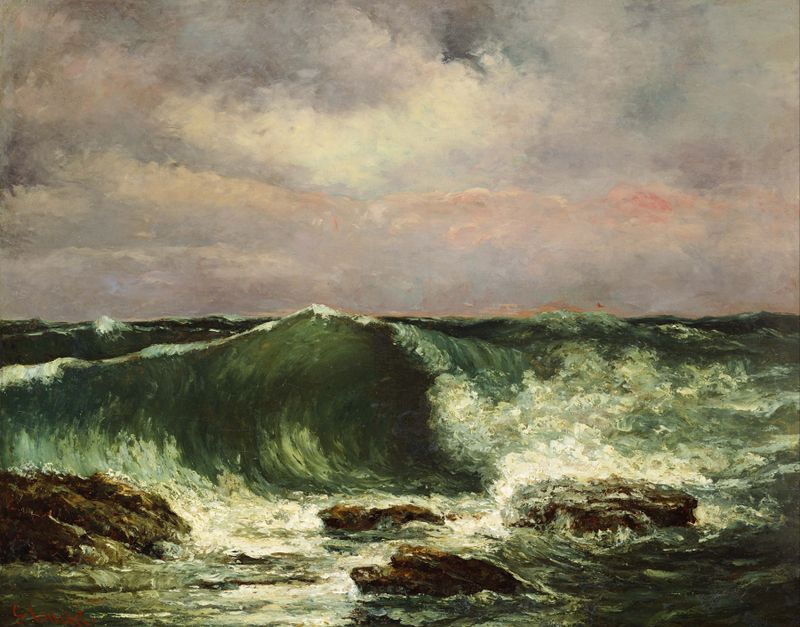
Waves
Gustave Courbet

Étretat; Les Falaises
Gustave Courbet
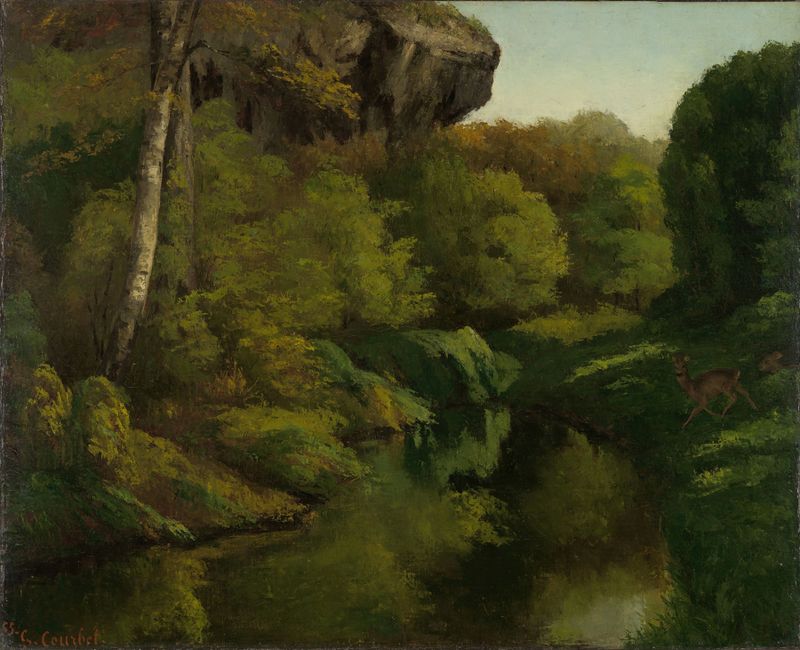
View in the Forest of Fontainebleau
Gustave Courbet
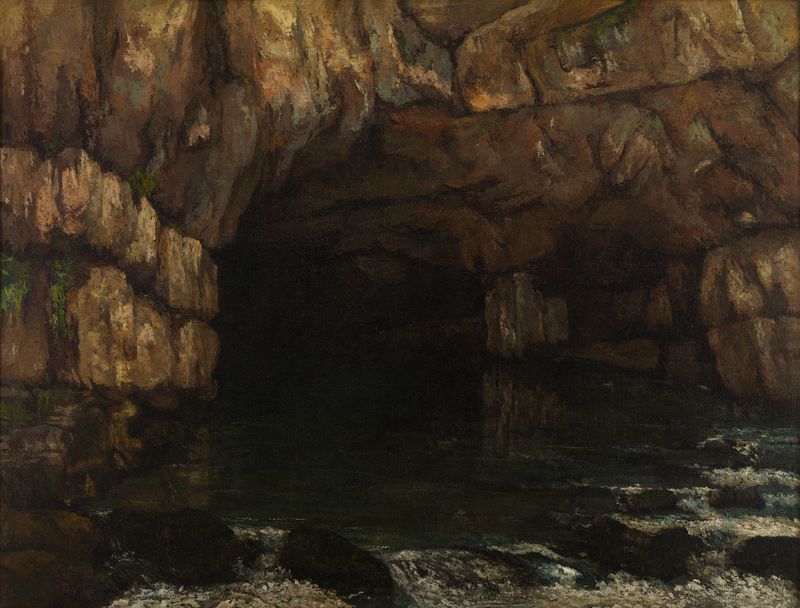
La source de la Loue (The Source of the Loue)
Gustave Courbet

Low Tide at Trouville
Gustave Courbet
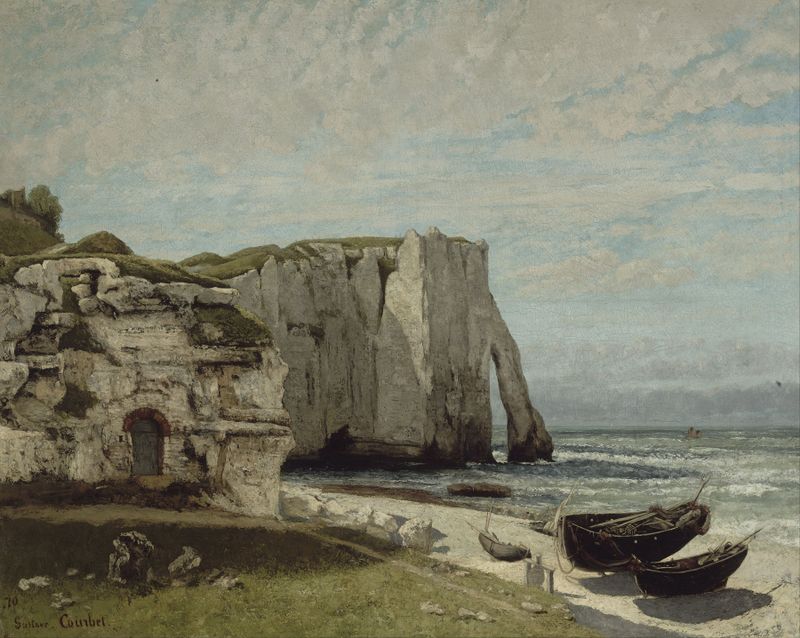
The Etretat Cliffs after the Storm
Gustave Courbet
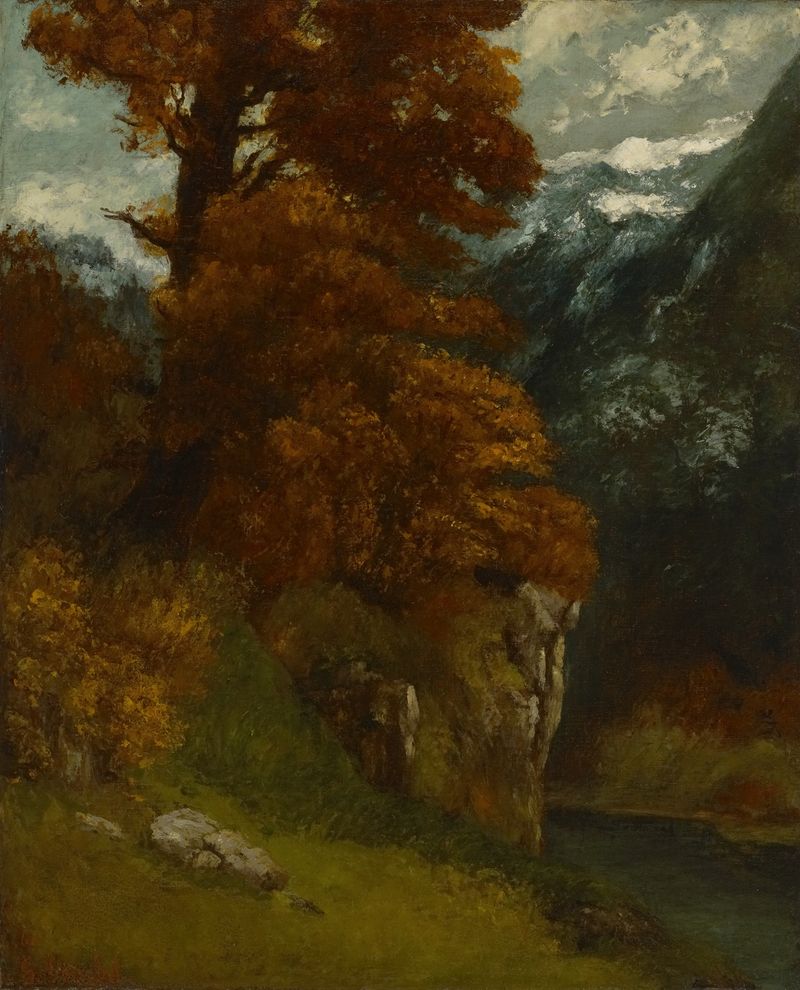
The Glen at Ornans (Bords du Doubs; Effet d’Automne)
Gustave Courbet
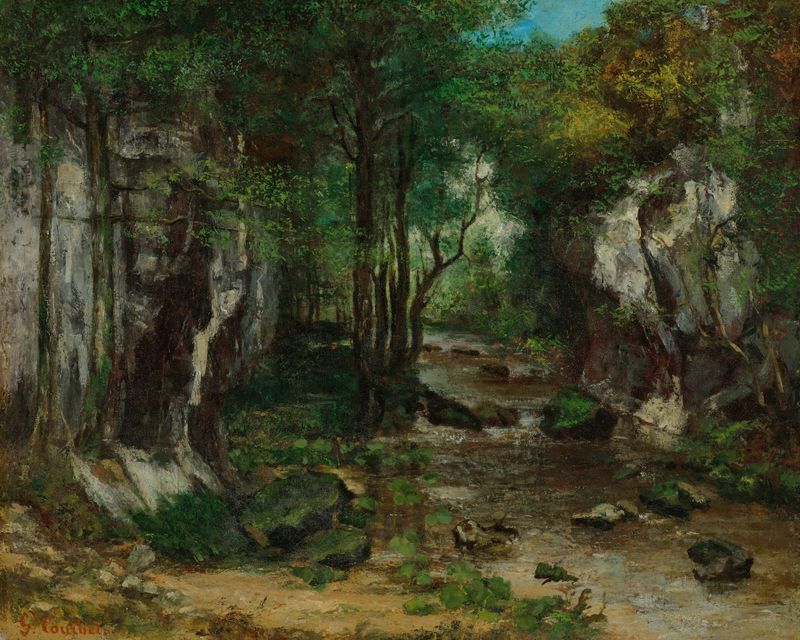
Le Ruisseau de Puits Noir
Gustave Courbet
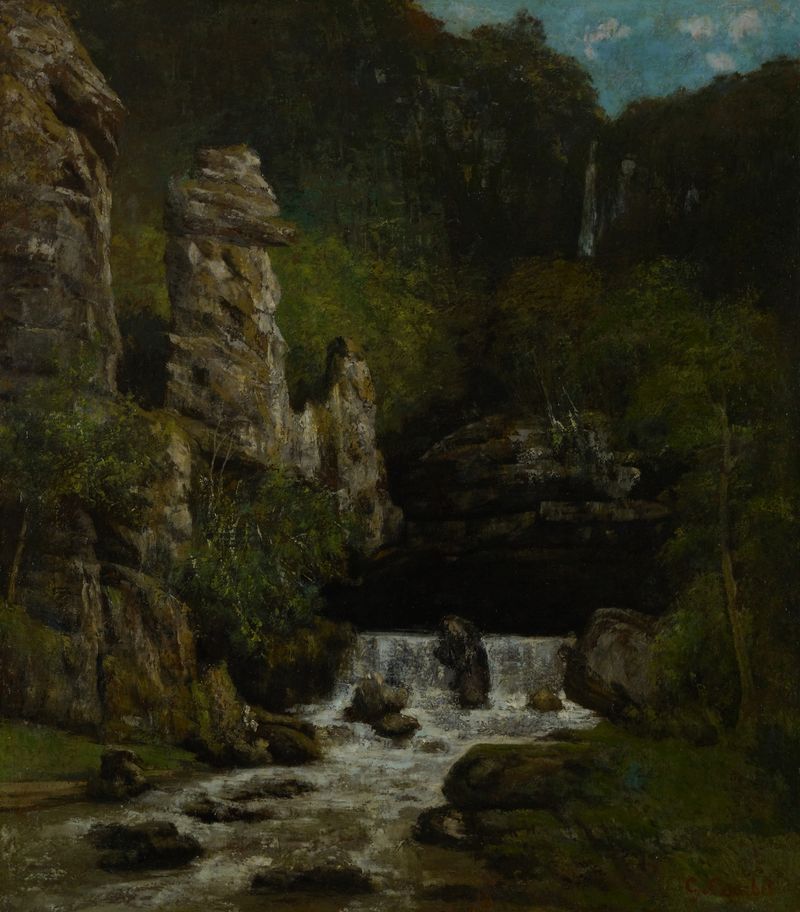
Landscape with a Waterfall
Gustave Courbet





