
Canada Lynx — History & Facts
What arrests the eye in Canada Lynx by John James Audubon is the animal’s palpable tension—its body pressed low to the earth, haunches bunched, every muscle tuned to the possibility of a sudden leap. The lynx’s enormous paws, exaggerated for clarity, splay across the fallen log, their size a visual promise of silent power. Light falls from above, catching the animal’s yellow eyes and tracing the subtle dappling of its fur, while the background foliage recedes into a soft, leafy gloom.
Audubon’s attention to the lynx’s alertness—the ears pricked, the whiskers fanned—turns this naturalist’s study into a moment of narrative suspense, as if we are seeing the instant before the chase begins. Such images come from a world newly obsessed with cataloguing and understanding the continent’s wild inhabitants. In the early 1840s, Audubon, already celebrated for his birds, turned to mammals with the same blend of scientific rigor and theatrical flair, producing The Viviparous Quadrupeds of North America with the help of his son. These folio illustrations, like the one before you, were not just records but invitations: to marvel, to study, to imagine the wildness still lurking at the edges of mapped America.
The copy you see here, from the John James Audubon Center at Mill Grove and documented in 2017, is one of many that carried these creatures into parlors and libraries, where the lynx’s watchful stare might meet your own.
More Artworks by John James Audubon
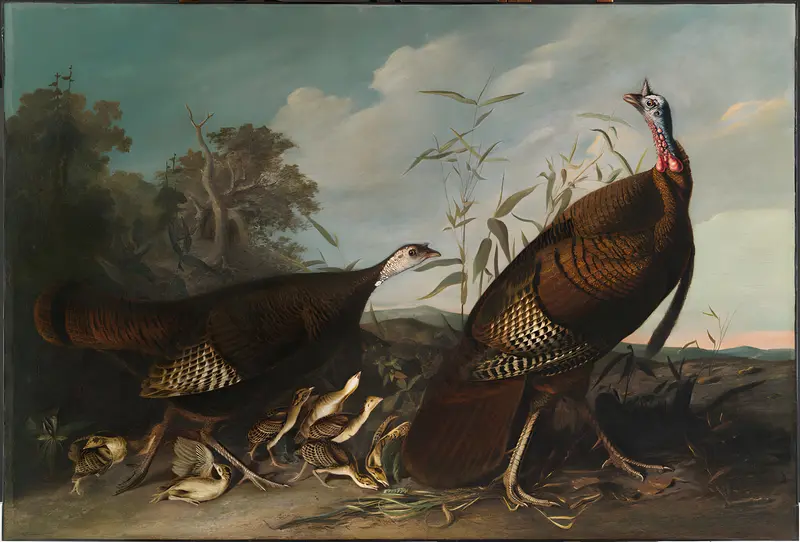
Wild Turkey Cock, Hen, and Chicks
John James Audubon
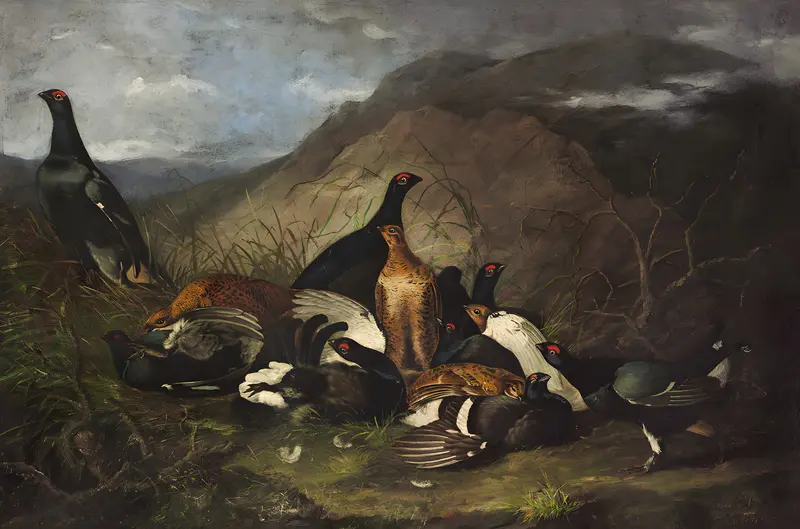
Scottish Black Grouse, Cocks and Hens
John James Audubon
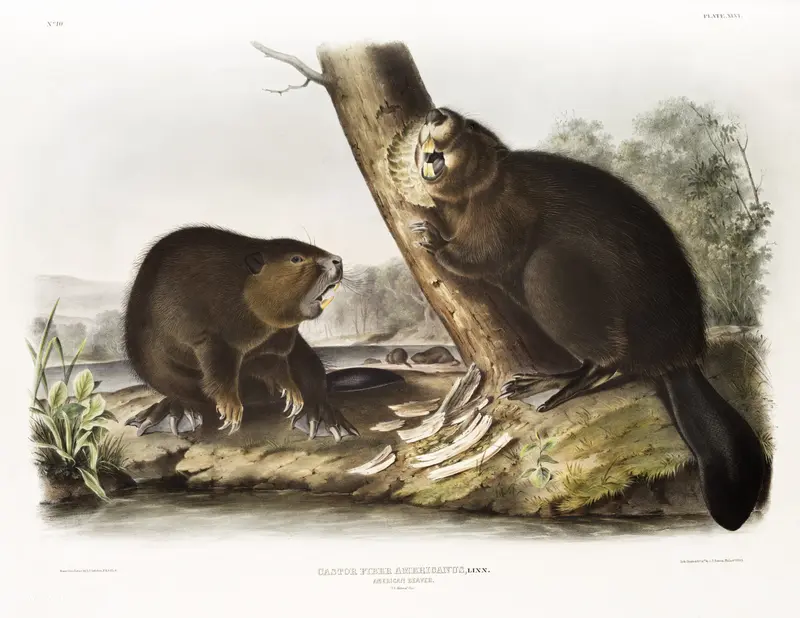
American Beaver
John James Audubon
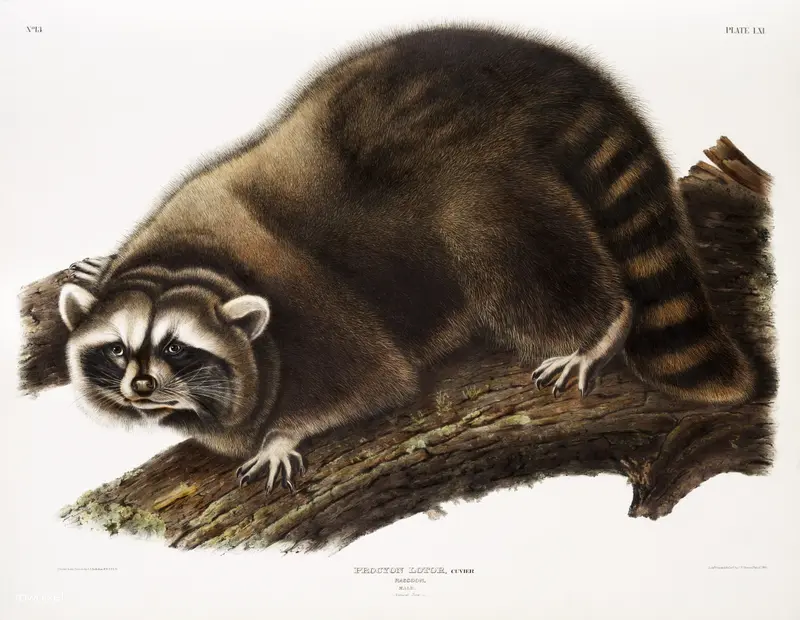
Raccoon
John James Audubon

Magnificent Frigatebird
John James Audubon
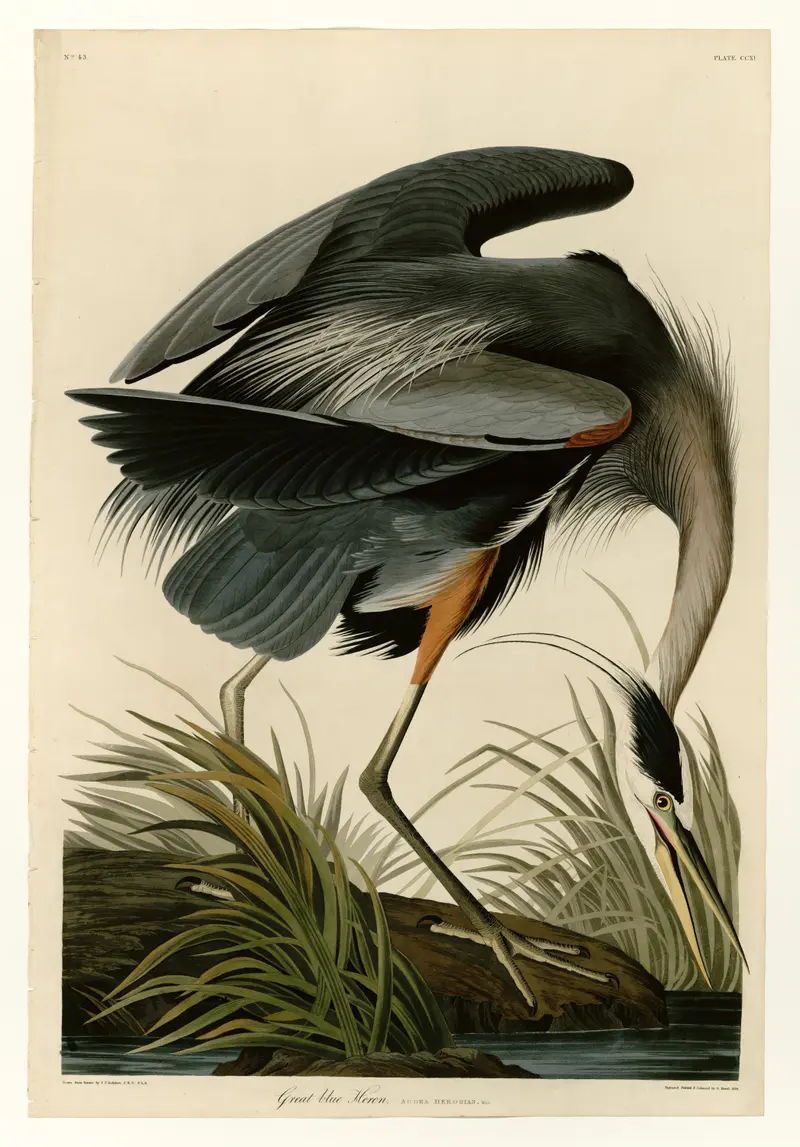
Great Blue Heron
John James Audubon
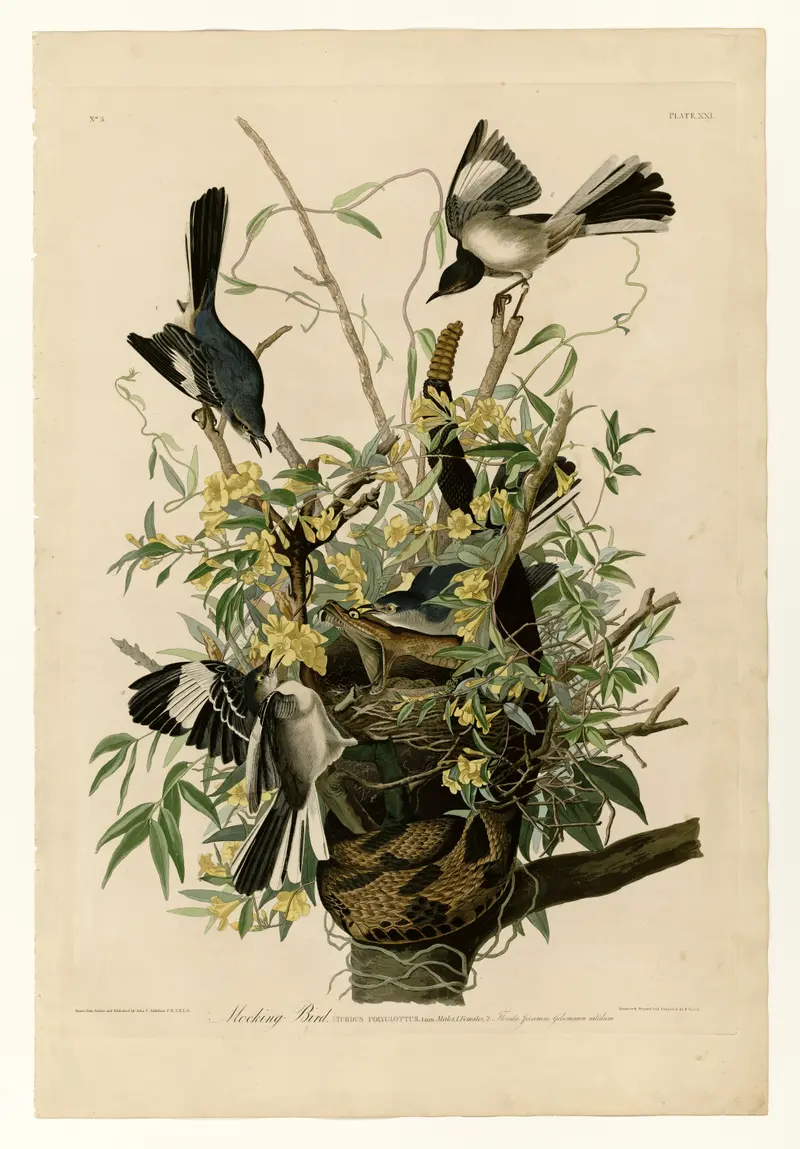
Northern Mockingbird
John James Audubon
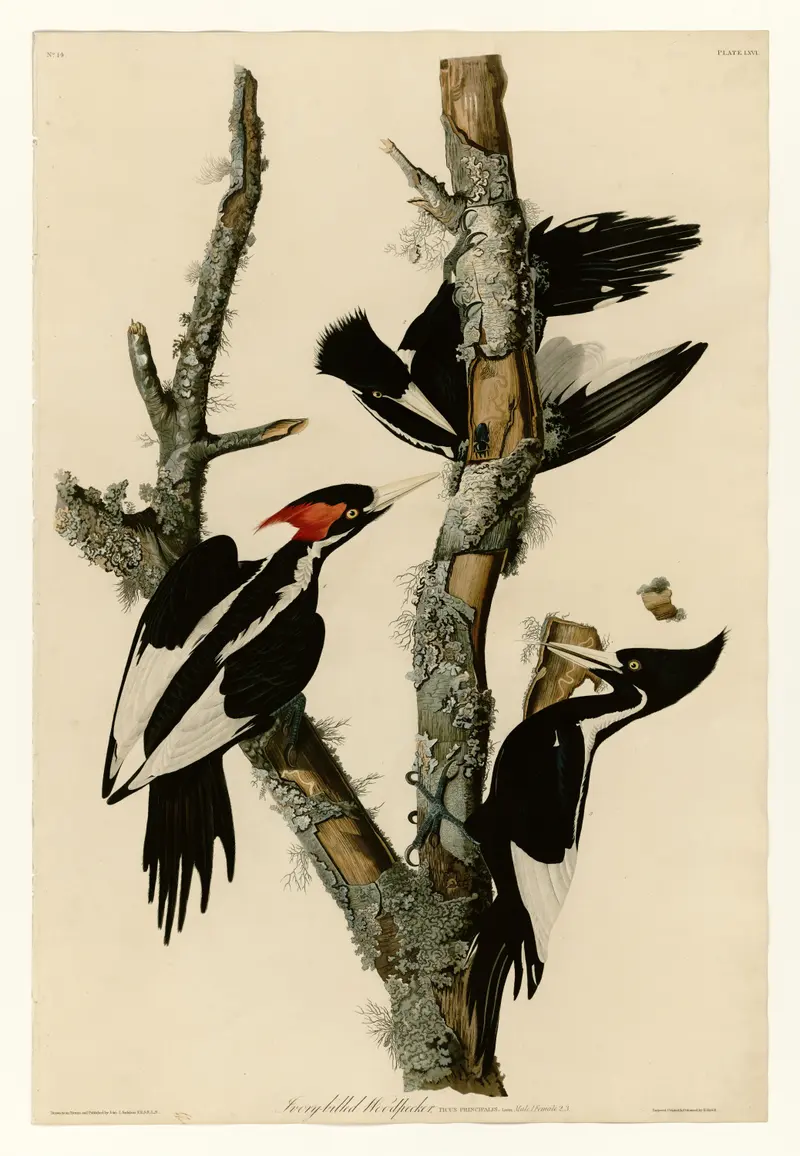
Ivory-billed Woodpecker
John James Audubon
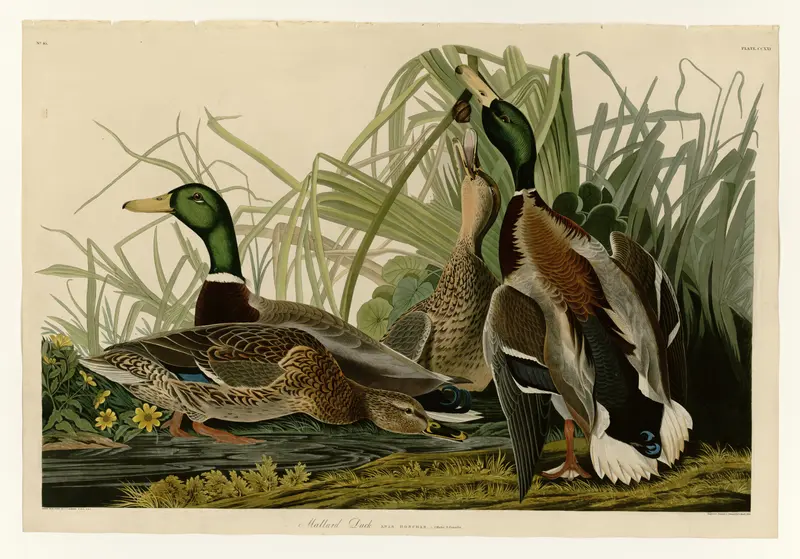
Mallard
John James Audubon
Ruby-throated Hummingbird
John James Audubon





