
Caprice — History & Facts
In a world where chaos reigns, the delicate balance of fragility speaks to the heart. Look to the center of the canvas, where a scene unfolds rich with the textures of life and light. The soft hues of blue and gold intertwine, conjuring an atmosphere brimming with fleeting moments. Notice how the brushstrokes create a sense of movement, as if the very air is alive with whispers of intrigue.
The play of shadow and light invites you deeper into the composition, guiding your gaze toward the shimmering reflections on the water's surface, where reality and imagination coalesce. At a closer look, the juxtaposition of serene landscapes against the tumultuous skies evokes a tension that resonates with the human experience. Each element holds a story—the weathered architecture, the delicate figures caught in a moment of leisure— illuminating the fragility inherent in existence. The light, which seems both ephemeral and eternal, serves as a reminder of the beauty found in transience, while the distant mountains hint at a world beyond the immediate, echoing the uncertainties of life itself. In this undefined moment, Francesco Guardi captured Caprice during a period marked by shifts in artistic direction, likely around the late 18th century.
As the Venetian artist explored the interplay of fantasy and reality, he found himself surrounded by the rising tides of Romanticism and the allure of the sublime. This period influenced not only his techniques but also the themes he engaged with, reflecting the broader cultural transformations in Europe, as artists sought to convey deeper emotional truths through their work.
More Artworks by Francesco Guardi
Browse all →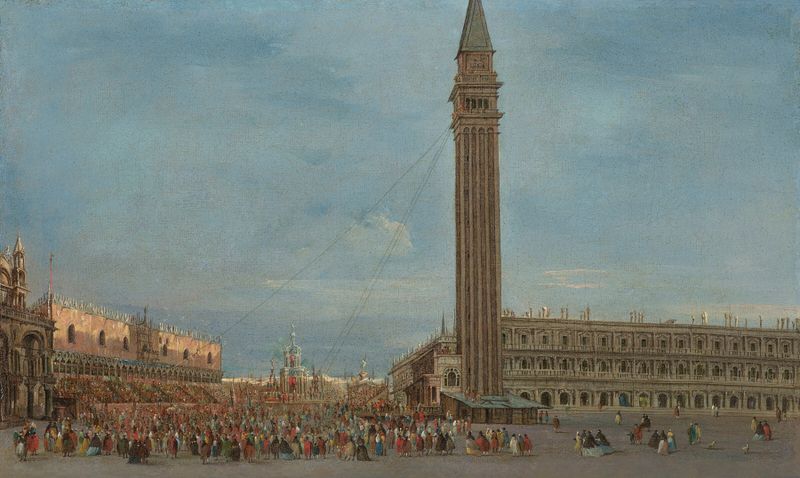
Venice, the Piazzetta San Marco with the Festival of Giovedì Grasso
Francesco Guardi
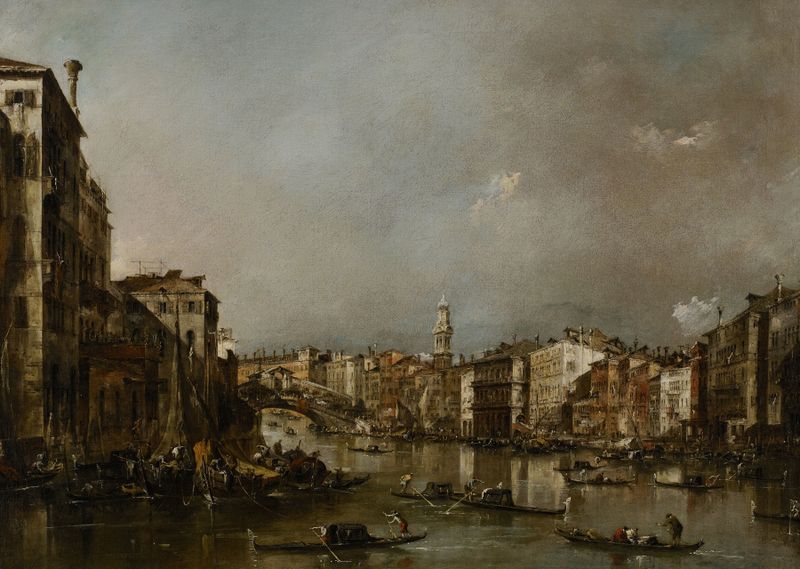
View up the Grand Canal toward the Rialto
Francesco Guardi
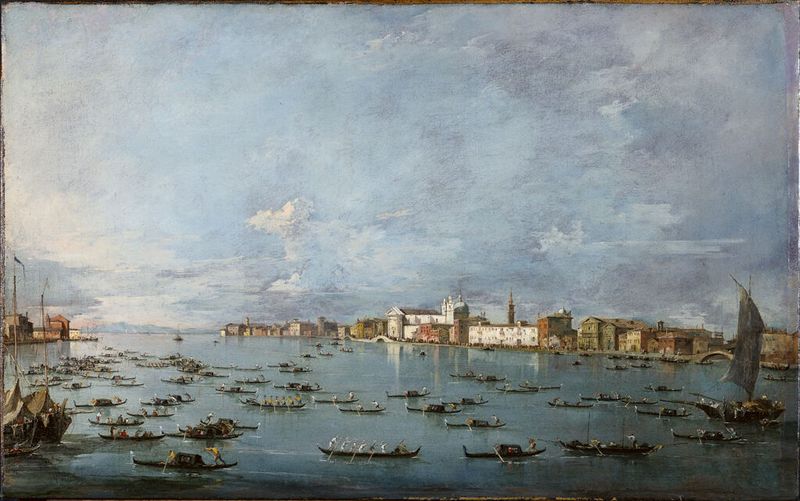
The Fondamenta della Zattere, Venice
Francesco Guardi
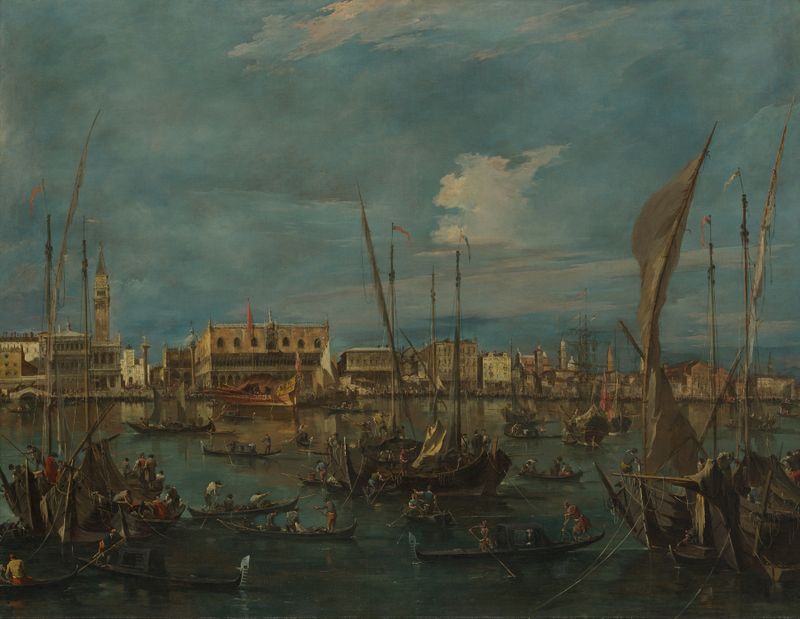
Venice from the Bacino di San Marco
Francesco Guardi

Venice, the Piazzetta looking south, with a view of the Doge’s Palace and the Biblioteca Marciana, the island of San Giorgio Maggiore beyond
Francesco Guardi

Venice, The Rialto
Francesco Guardi
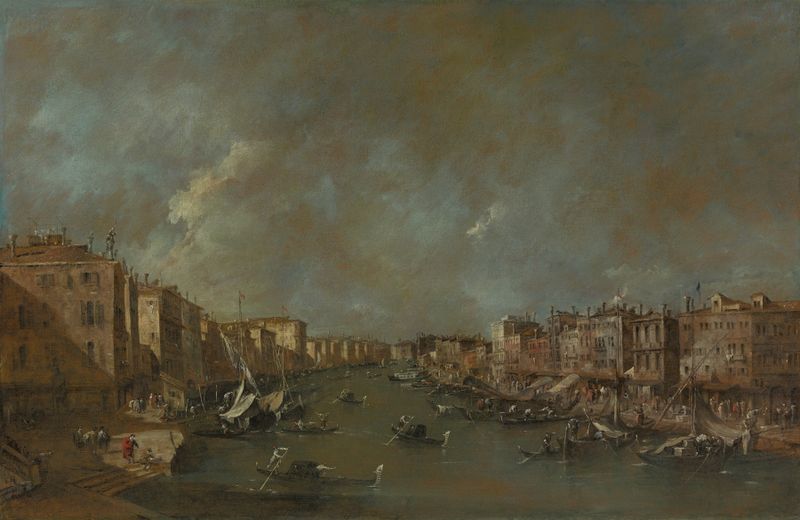
View of the Grand Canal from the Ponte di Rialto
Francesco Guardi
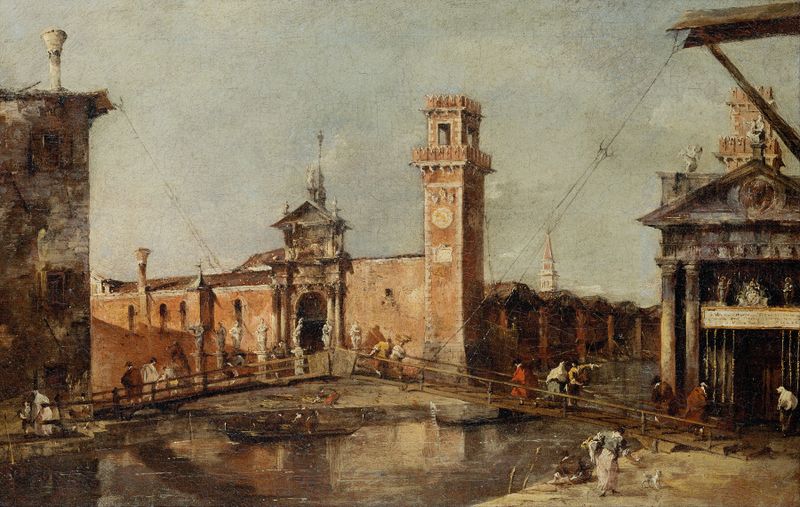
The Entrance to the Arsenal in Venice
Francesco Guardi
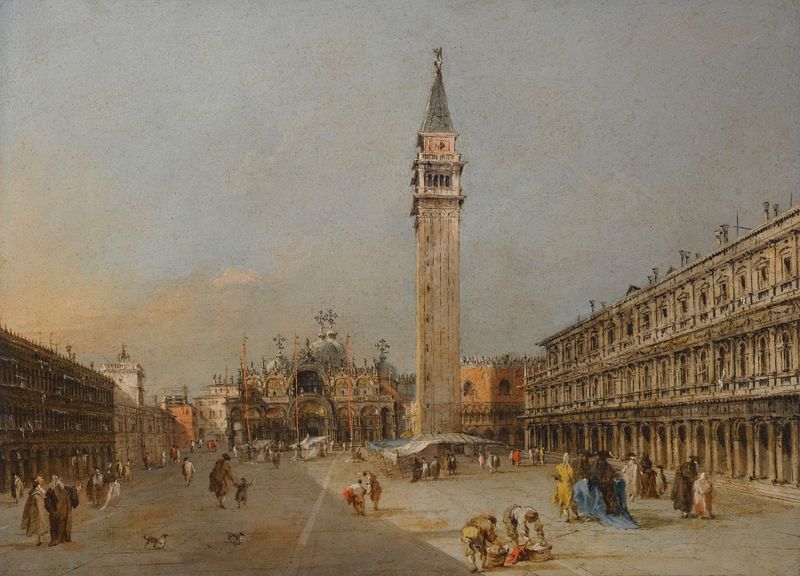
The Piazza San Marco With The Basilica And Campanile
Francesco Guardi
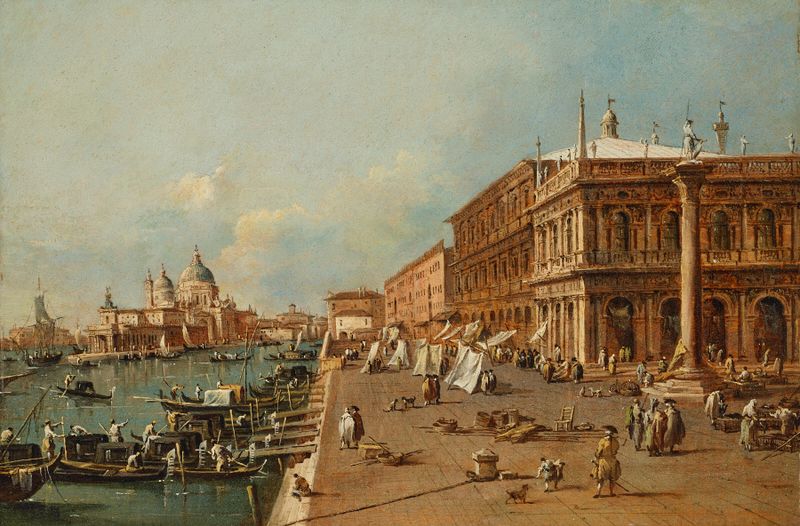
Venice; The Molo with the Libreria, the Punta della Dogana and Santa Maria della Salute
Francesco Guardi





