
Cardinal Granvelle's Dwarf — History & Facts
What first seizes the viewer in this portrait is the air of quiet command radiating from its unlikely subject. Dressed in a suit of rich, gold-trimmed fabric, the figure stands with one hand resting on the great hound’s neck, the other gripping a staff with practiced ease. The light pools around his face and the elaborate textures of his costume, drawing the eye to the subtle interplay between youth and authority, between the world of courtly splendor and the individual who inhabits it.
The dog’s steady gaze and the ornate collar hint at status and loyalty, while the sword at the sitter’s side signals a role that is more than ceremonial. Painted in 1560 by Antonis Mor, this work belongs to a tradition of sixteenth-century court portraiture, where every detail was chosen to communicate rank, allegiance, and the sitter’s place within a carefully structured world. Such portraits were often commissioned to assert the dignity of those who served in noble households, including court dwarfs, whose unique positions made them both companions and symbols of their patrons’ wealth and taste. The meticulous rendering of fabrics and the measured, frontal pose recall the Spanish and Flemish schools of the era, where painters like Mor excelled at capturing not just likeness, but the gravity of court ritual.
History has kept few traces of the sitter’s own voice, but the painting’s silent dialogue between man and animal invites us to look again, and to wonder at the stories woven into the gold threads and steady eyes.
More Artworks by Antonis Mor

Portrait of a Man
Antonis Mor
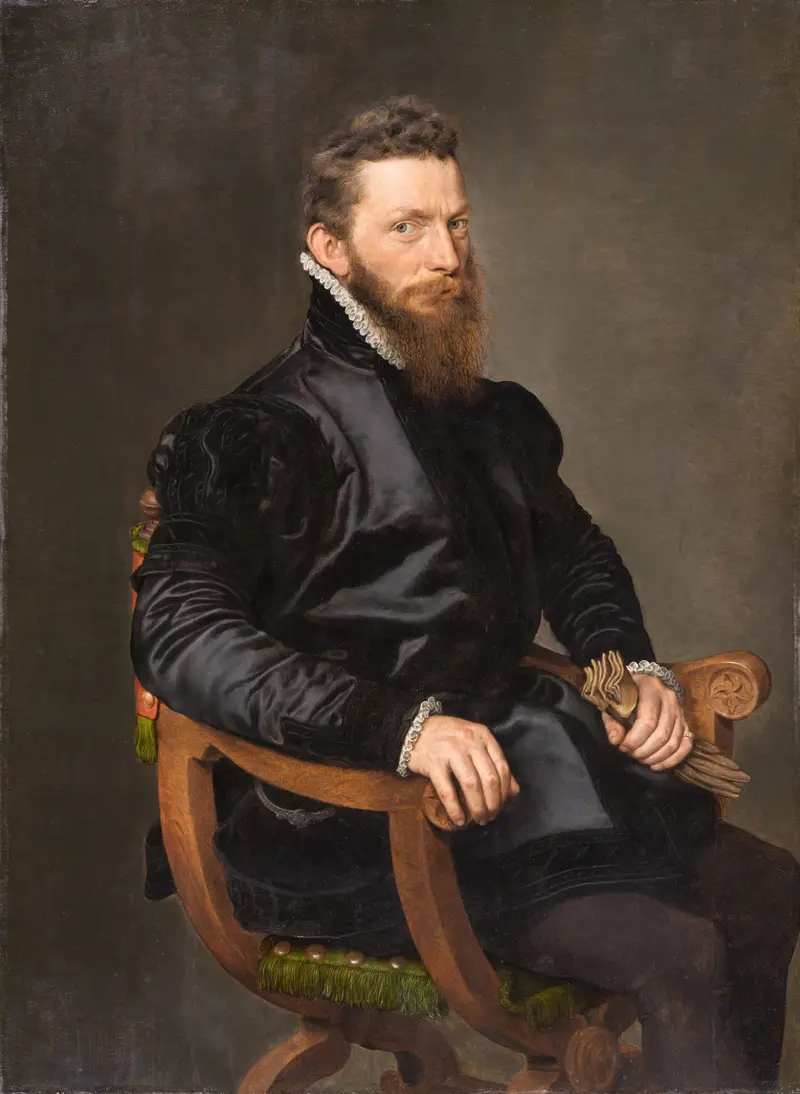
Portrait of a Gentleman
Antonis Mor
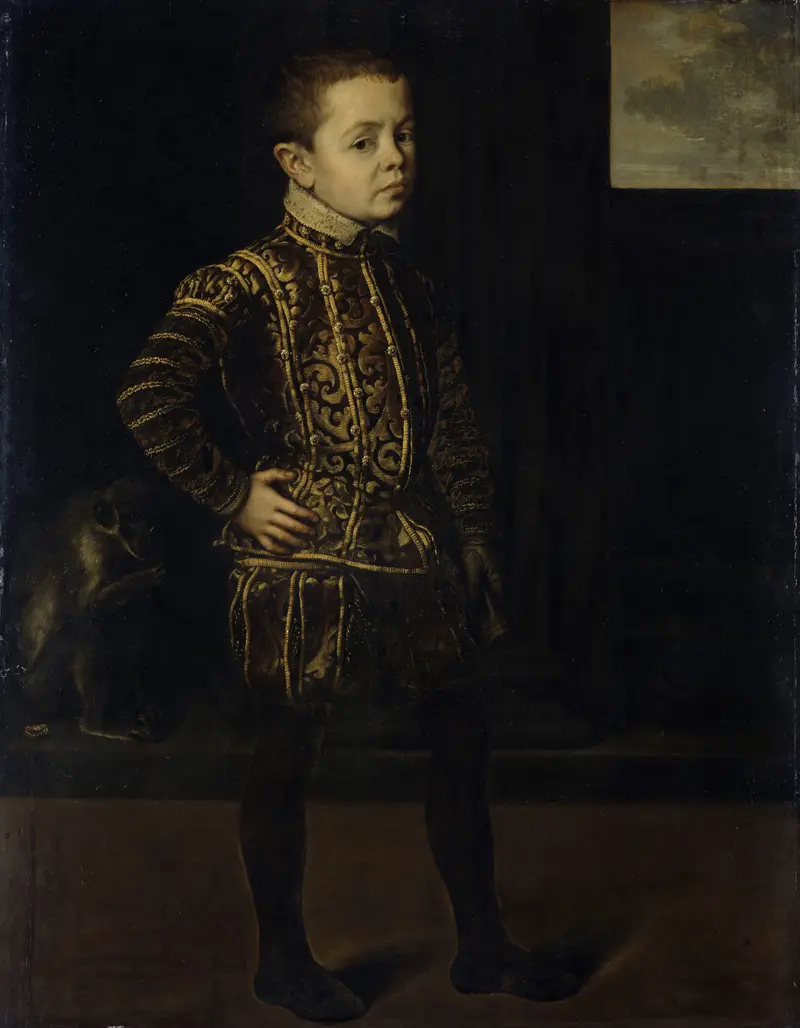
Portrait of a young prince
Antonis Mor
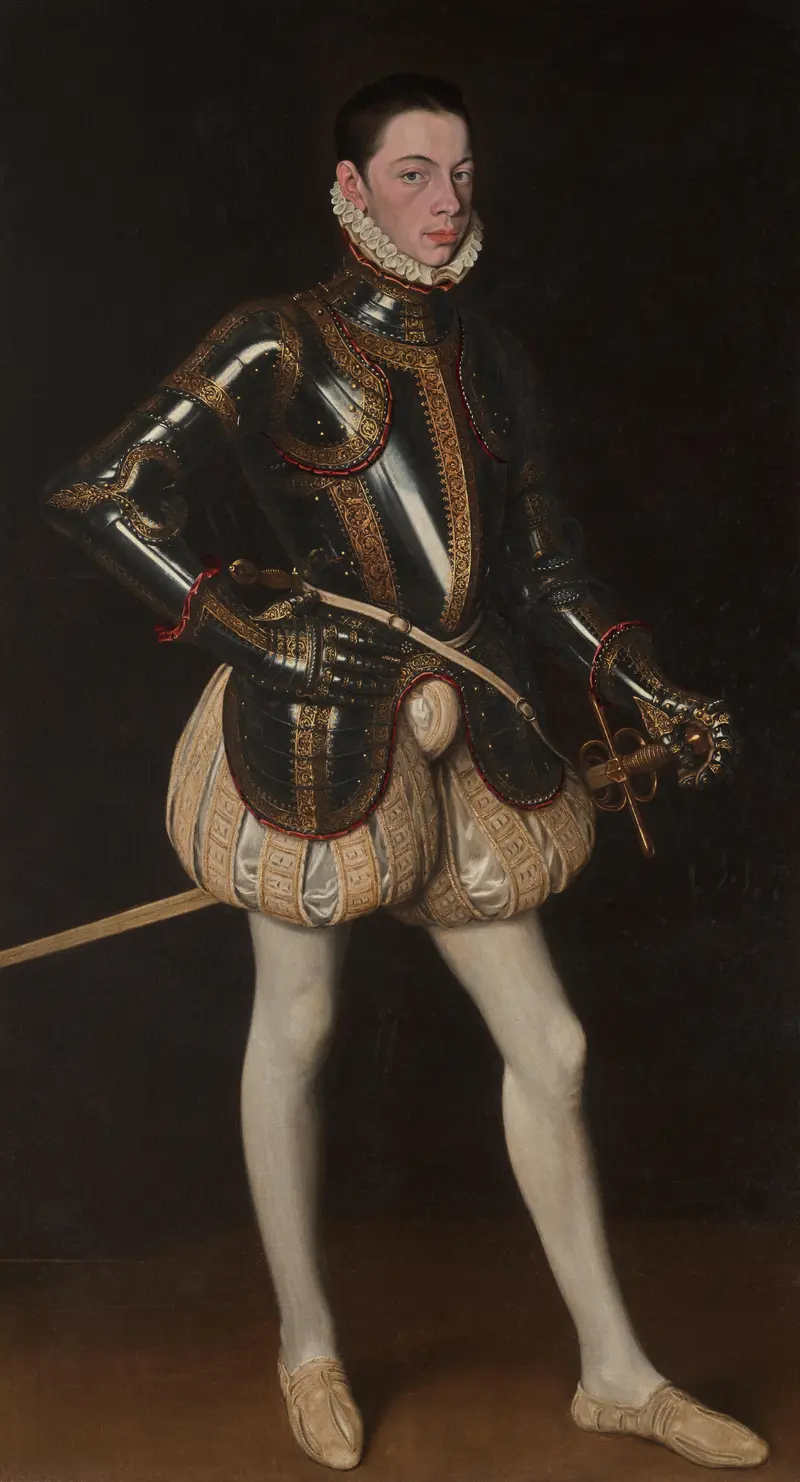
Alessandro Farnese in Armor
Antonis Mor
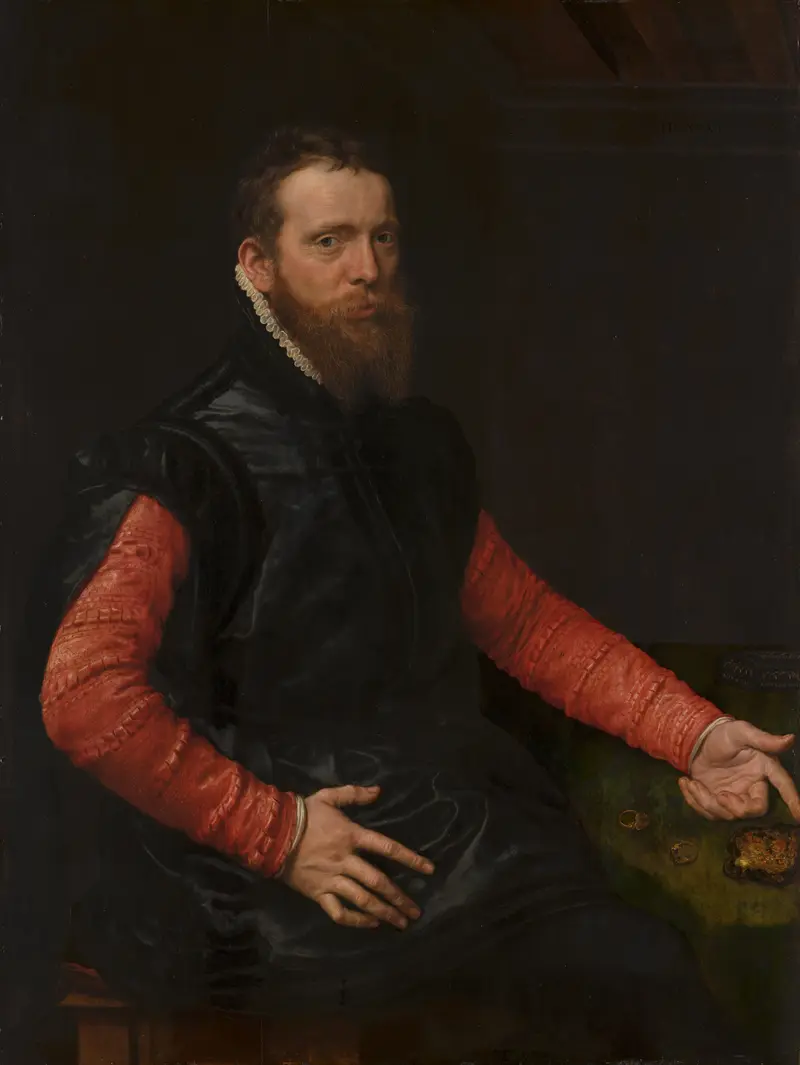
Steven van Herwijck
Antonis Mor
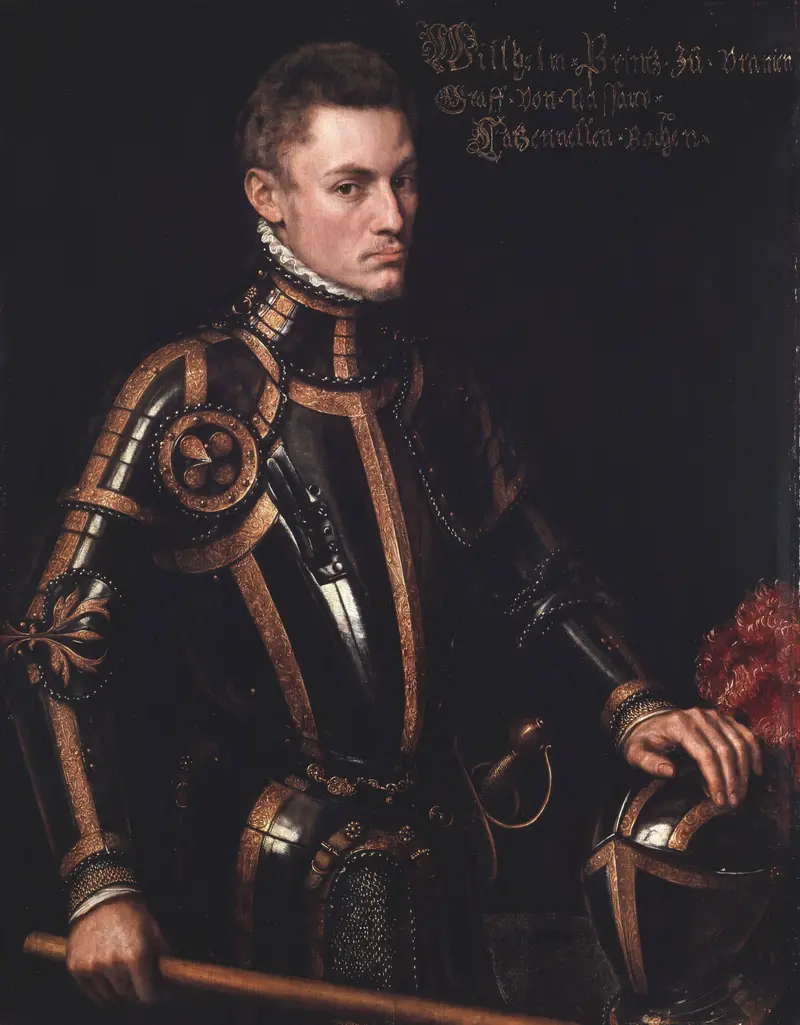
Portrait of William I of Nassau
Antonis Mor
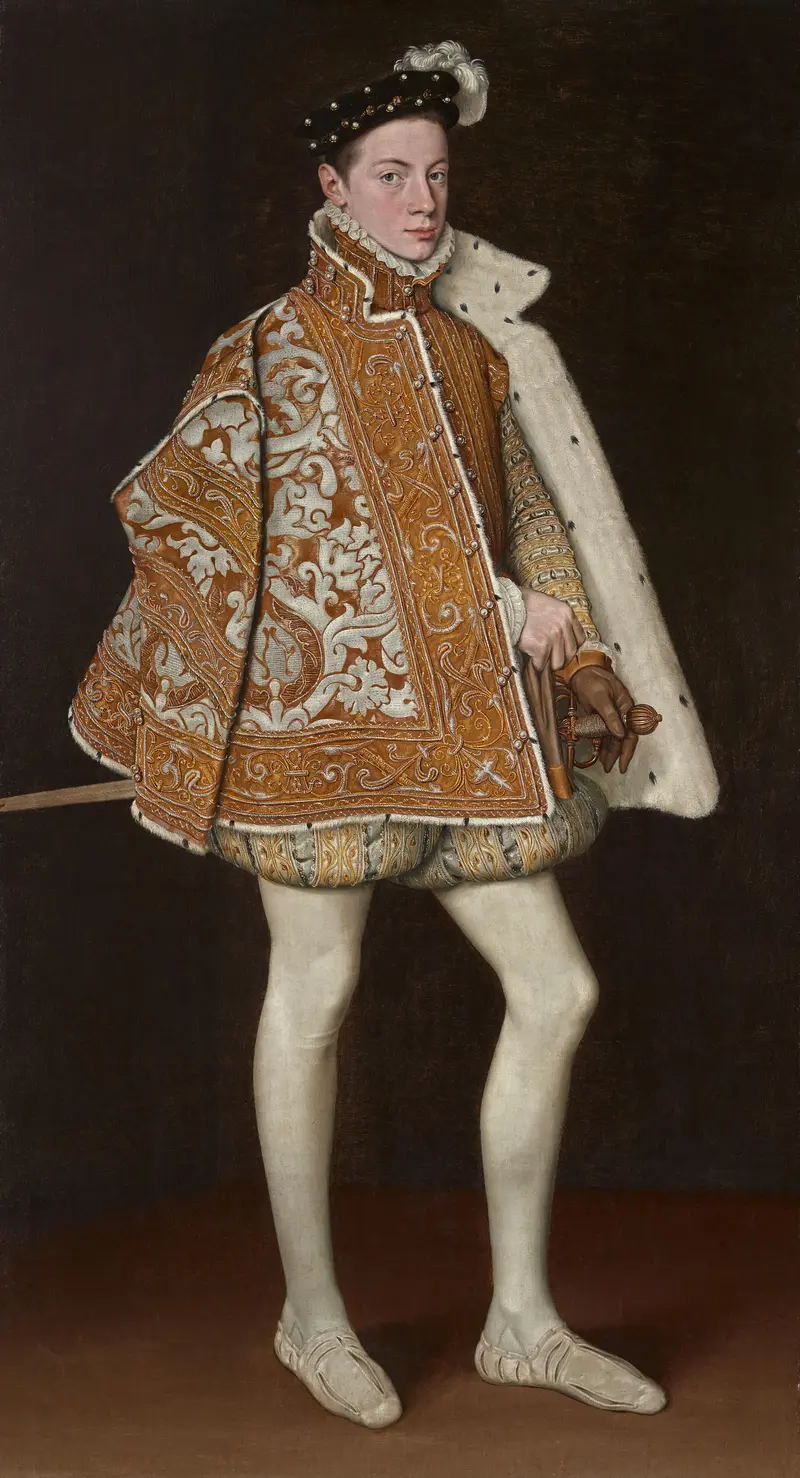
Portrait of Alessandro Farnese in Cape and Black Cap
Antonis Mor
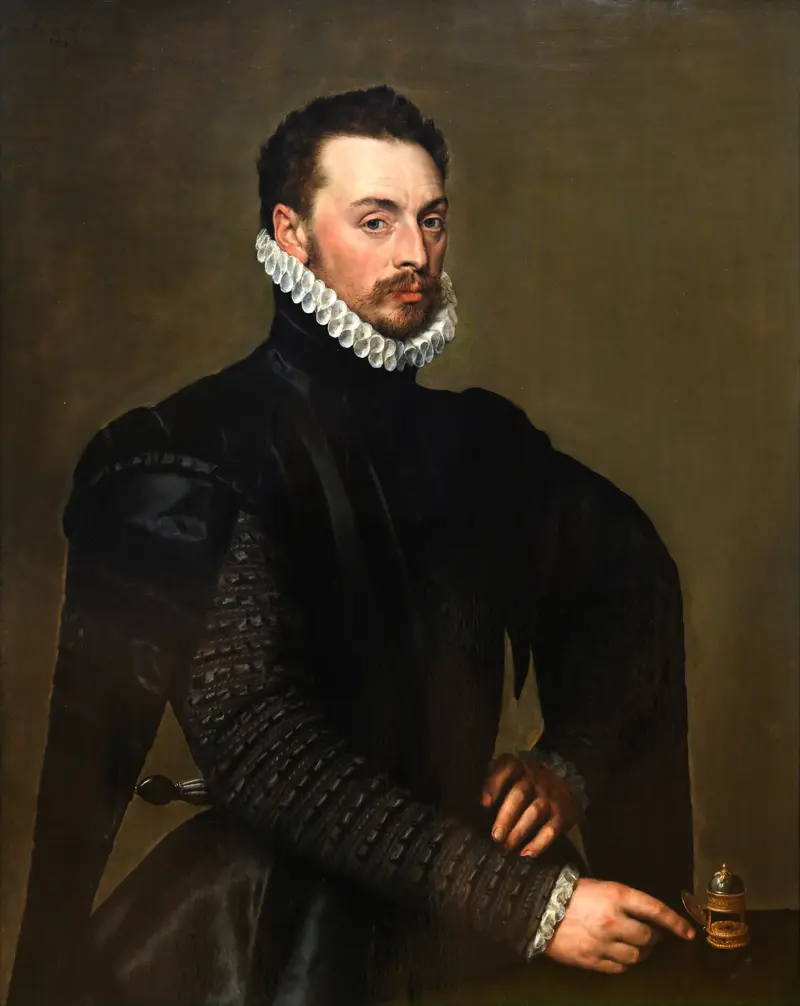
Portrait d'homme désignant une pendule Antonio Moro Musée du Louvre Peintures INV 1582 ; MR 880
Antonis Mor
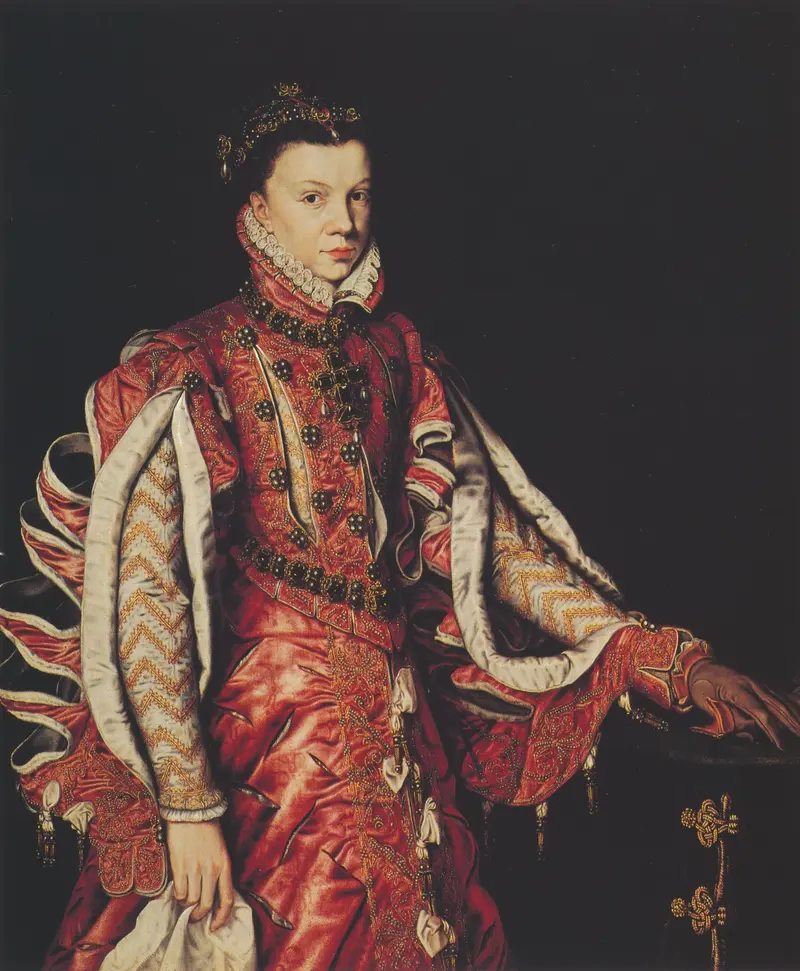
Portrait of Elisabeth of Valois, third wife of King Philip II of Spain
Antonis Mor
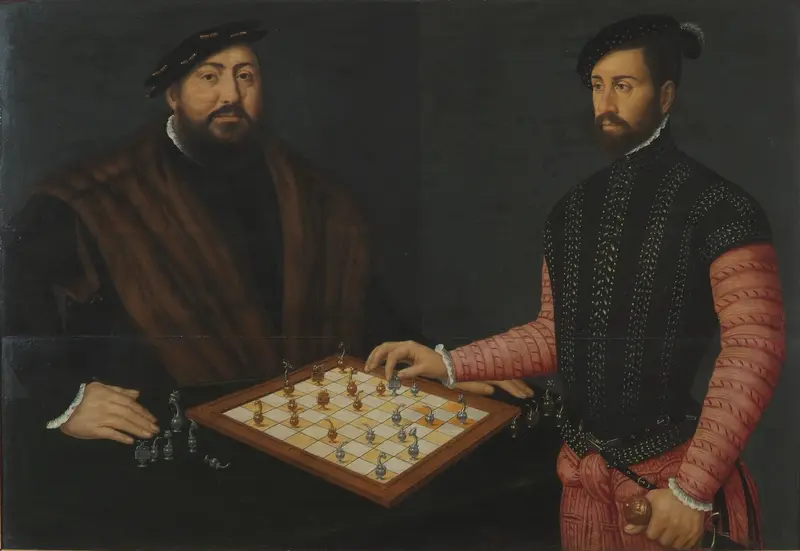
Von Sachsen vs. a Spaniard
Antonis Mor





