
Carousing Peasants — History & Facts
Laughter spills out from the shadows of this rustic interior, where the warmth of low, golden light falls on flushed faces and rough homespun. At the center, a pair of peasants tumble together in a moment of raucous play, their gestures broad and unguarded, while a third figure, jug in hand, grins knowingly at the viewer. The entire composition feels alive with the noise and movement of celebration—hands raised in greeting or jest, a child peeking out from behind a barrel, a woman caught mid-toast.
The diagonal timber looming above frames the action, drawing our eye to the heart of the revelry, while the subdued, earthy palette grounds the scene in the everyday world of 17th-century village life. Painted circa 1636, Carousing Peasants belongs to the tradition of Dutch and Flemish genre painting that flourished in the early Baroque era, when artists like Adriaen van Ostade found their subjects not in courts or churches, but in the taverns and cottages of ordinary people. Such works were prized by a new class of urban collectors who delighted in scenes of humor, folly, and the pleasures—and pitfalls—of drink. While history has kept few traces of this specific canvas beyond its current collection, its lively brushwork and affection for its subjects speak to the enduring appeal of van Ostade’s vision.
Look closely, and you may find yourself drawn into the laughter, the mischief, and the fleeting joy of a night among friends.
More Artworks by Adriaen van Ostade

Dans in de herberg
Adriaen van Ostade
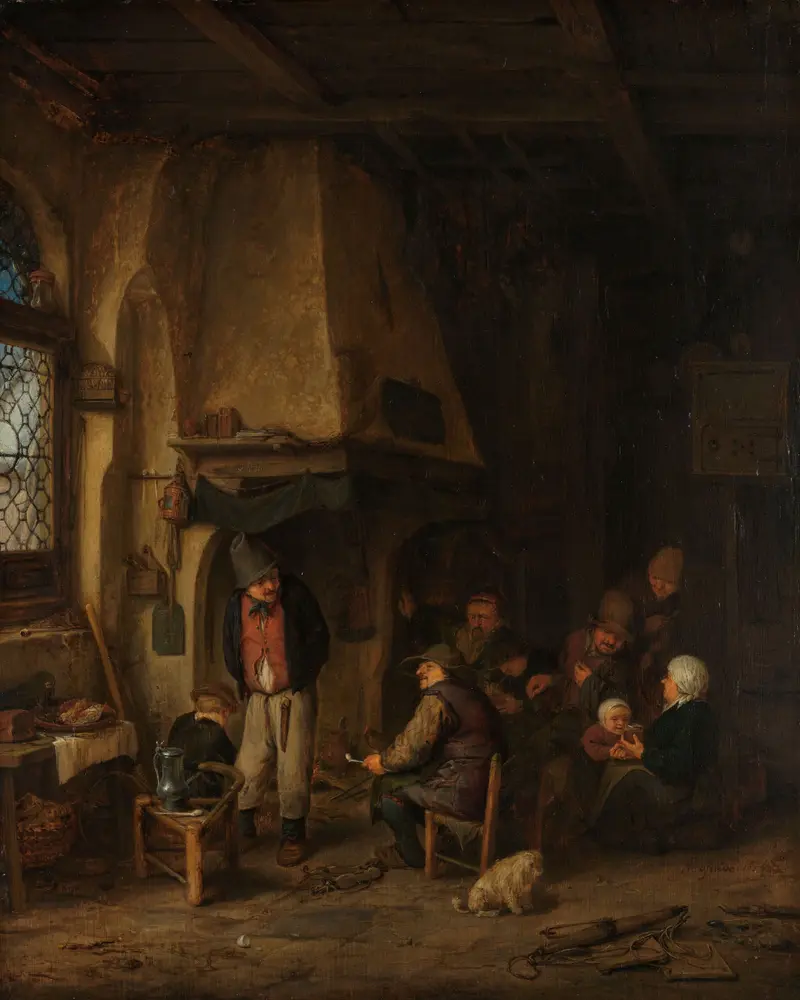
‘The Skaters’: Peasants in an Interior
Adriaen van Ostade
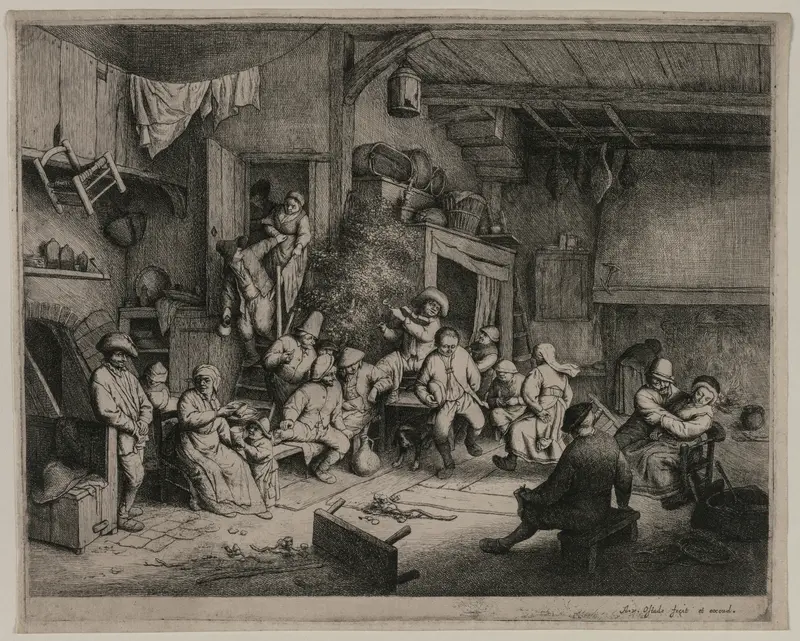
Dance at the Inn
Adriaen van Ostade
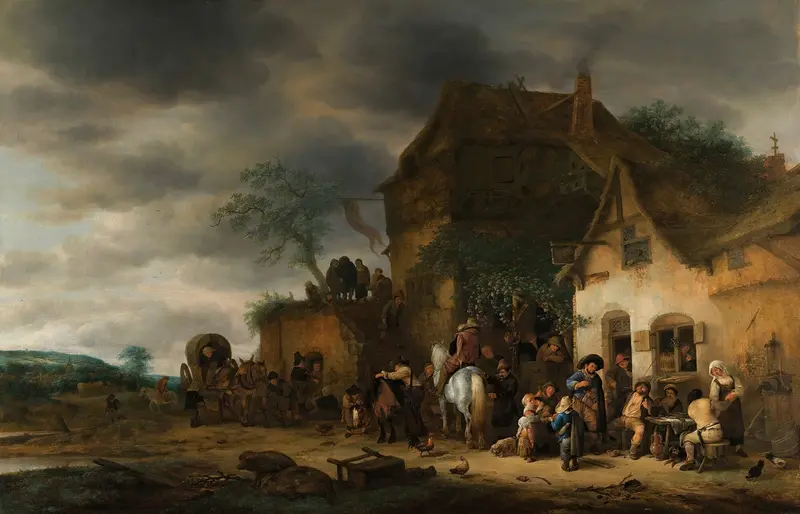
Travellers Halted At A Country Inn
Adriaen van Ostade
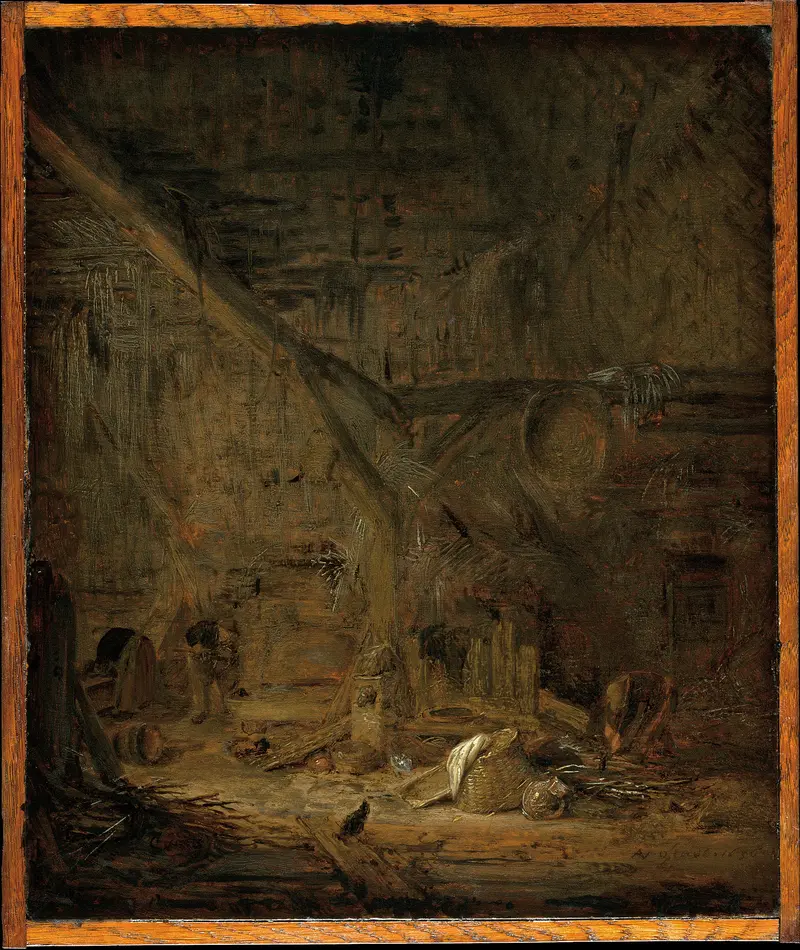
Interior of a Barn
Adriaen van Ostade
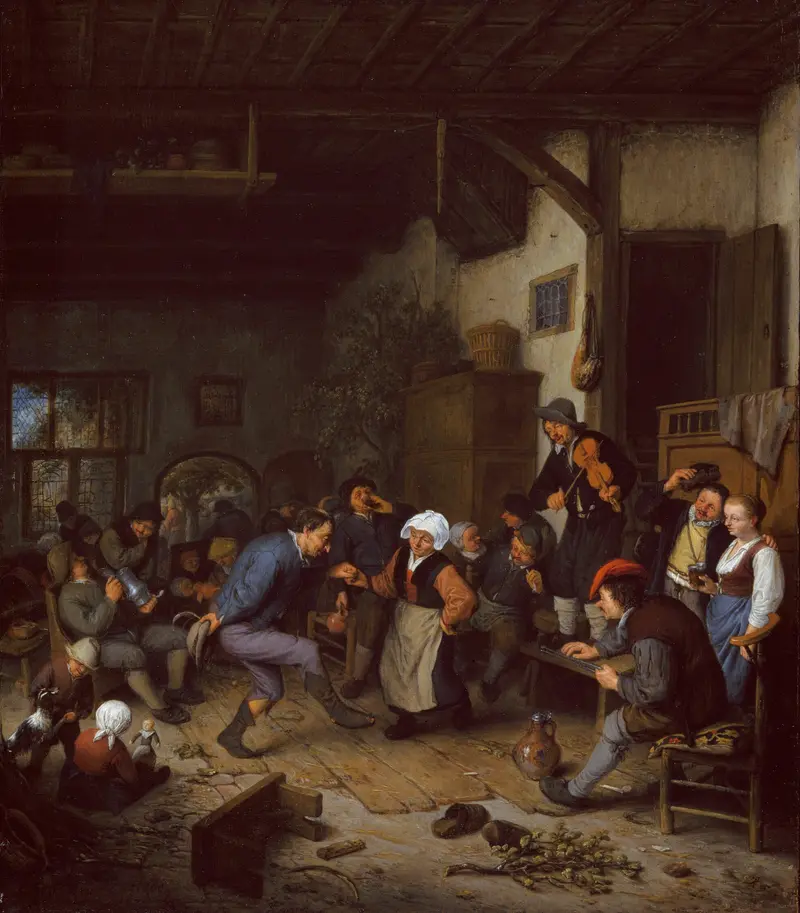
Merrymakers in an Inn
Adriaen van Ostade
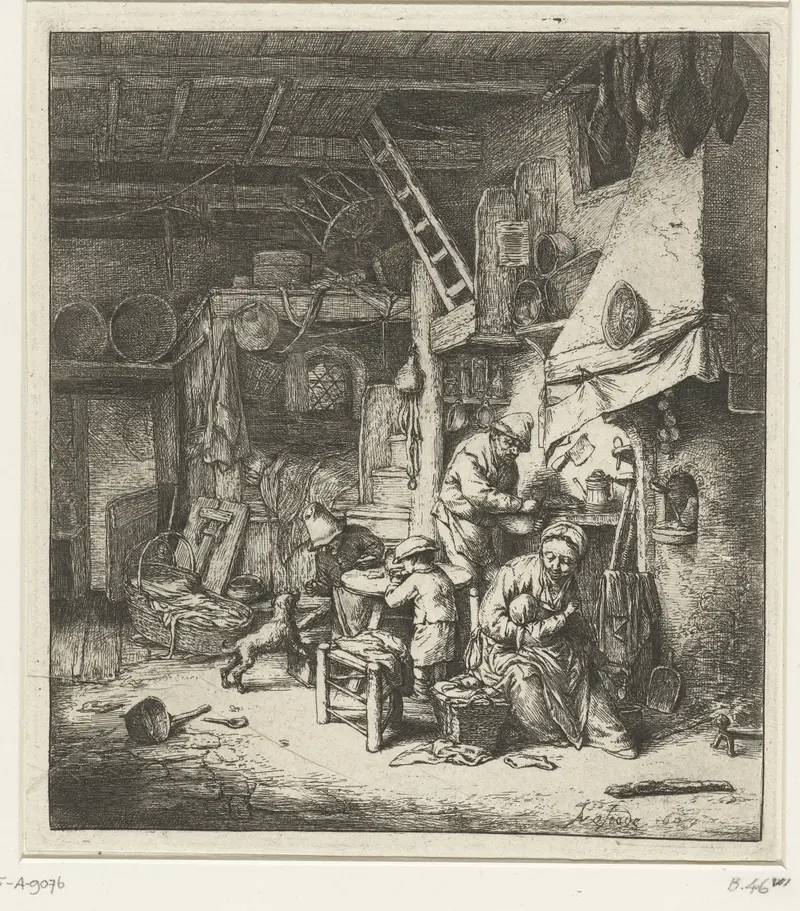
Boerengezin in interieur
Adriaen van Ostade
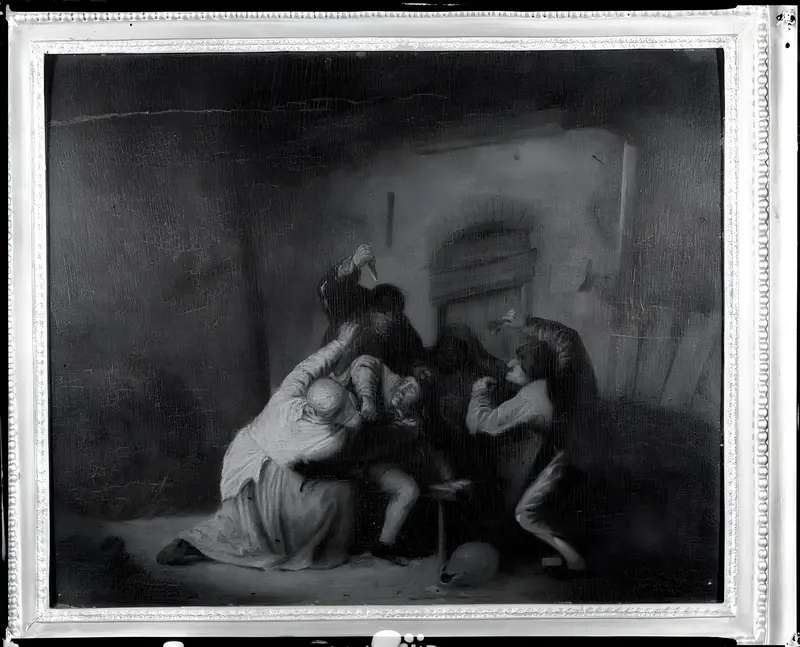
Peasants Brawling in a Tavern
Adriaen van Ostade
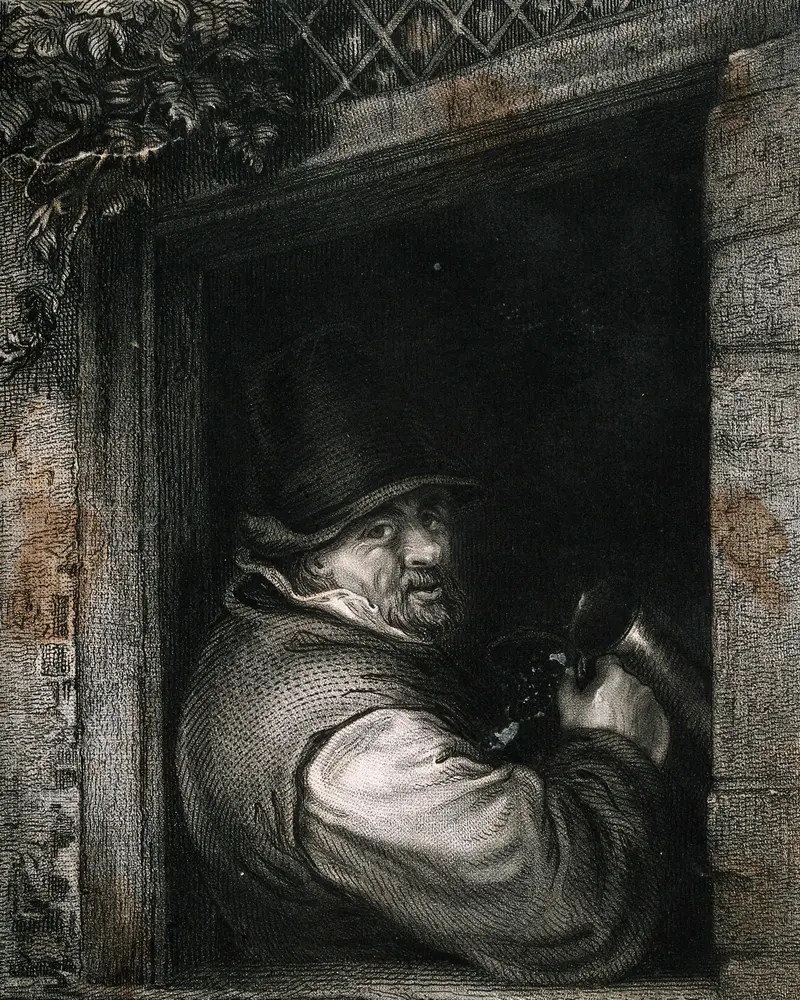
Man with a Tankard at a Window
Adriaen van Ostade
Dans in de herberg
Adriaen van Ostade
More Genre Scene Art

Banquet of the Officers of the St George Civic Guard
Frans Hals

Rembrandt and Saskia in the Scene of the Prodigal Son
Rembrandt van Rijn

Bal du moulin de la Galette
Pierre-Auguste Renoir

Quadrille at the Moulin Rouge
Henri de Toulouse-Lautrec

A Burial at Ornans
Gustave Courbet

When Will You Marry?
Paul Gauguin