
Caryatid — History & Facts
In Caryatid, Raphael presents a graceful female figure, elegantly draped in flowing garments. The figure stands in a poised manner, supporting an architectural element above her head. The color palette is rich, with soft earth tones and subtle highlights that enhance the figure's form.
The background is minimal, allowing the viewer to focus on the caryatid's serene expression and strong posture. The painting showcases Raphael's skill in rendering the human figure with anatomical precision and fluidity. The use of oil on panel allows for a smooth application of color and detail, creating a lifelike representation. The caryatid's facial features are delicately painted, conveying a sense of calm strength.
Additionally, the drapery of her garments is meticulously detailed, demonstrating Raphael's mastery of texture. Raphael, a leading figure of the High Renaissance, created Caryatid during a period of artistic exploration and innovation. This work reflects the classical influence of ancient Greek architecture, as caryatids were originally sculpted to support structures in temples. An interesting fact about this painting is that it exemplifies Raphael's ability to blend classical themes with Renaissance ideals, showcasing both beauty and functionality in art.
More Artworks by Raphael

Madonna of the Goldfinch
Raphael

Madonna with the Fish
Raphael
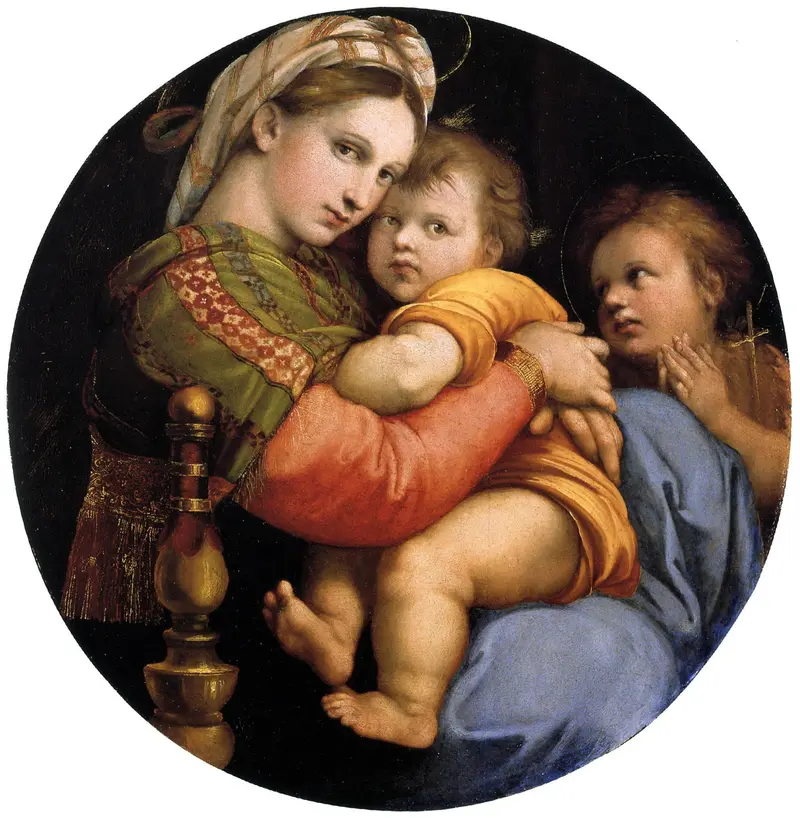
Madonna and Child (Madonna della Seggiola)
Raphael
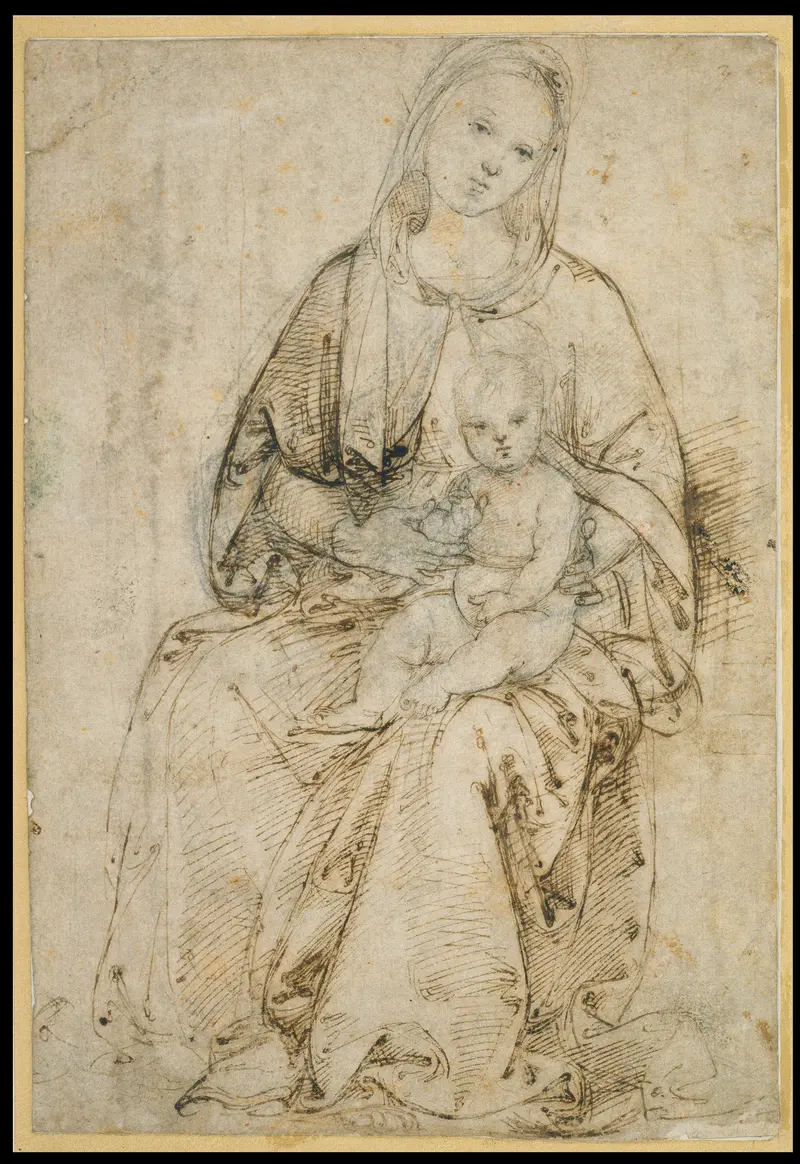
Seated Madonna and Child
Raphael
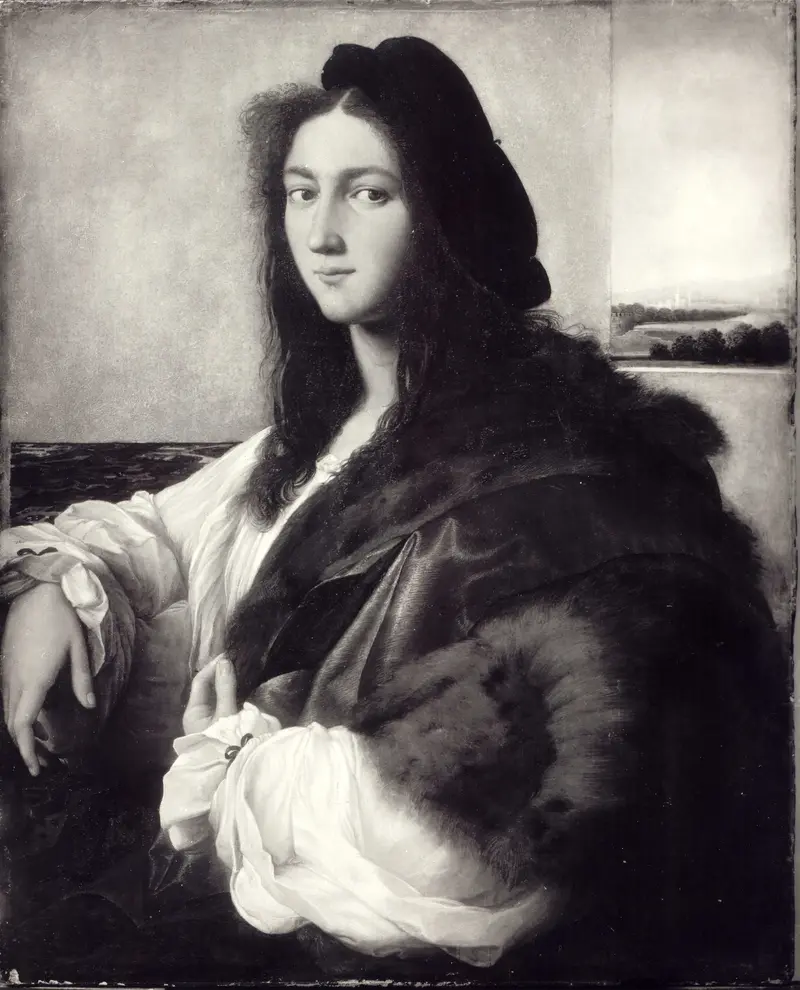
Portrait of a Young Man
Raphael
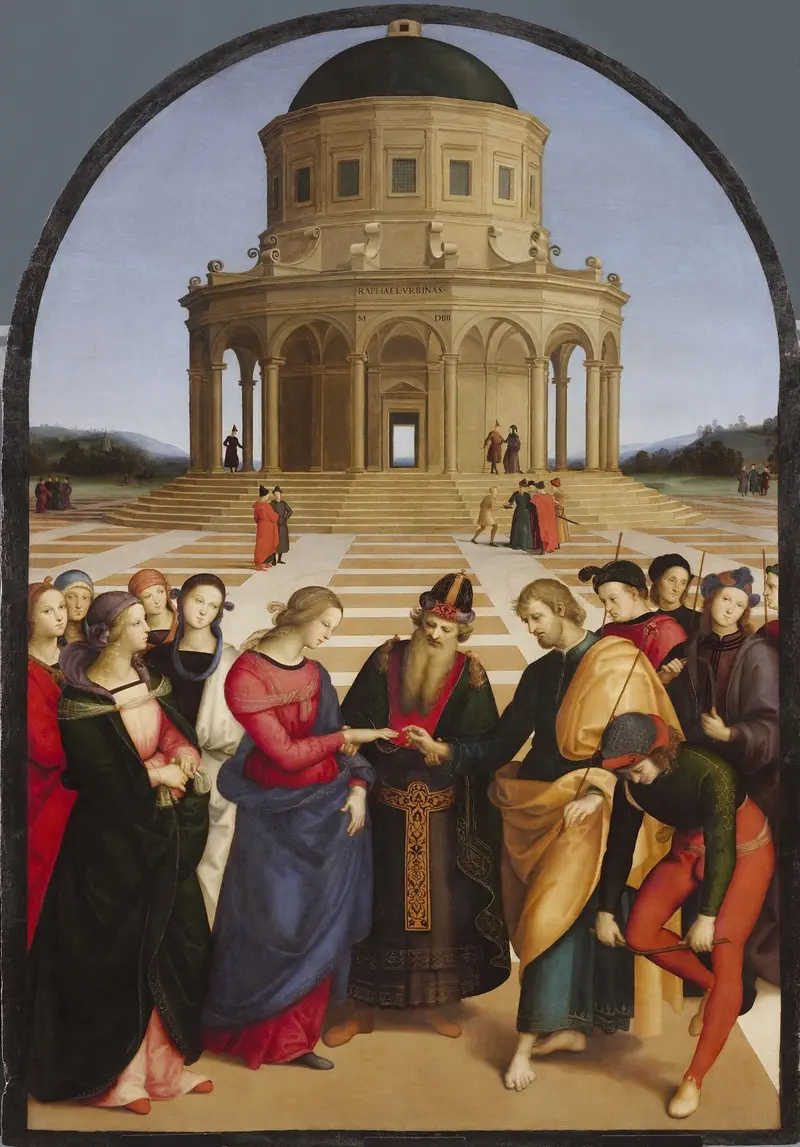
The Marriage of the Virgin
Raphael
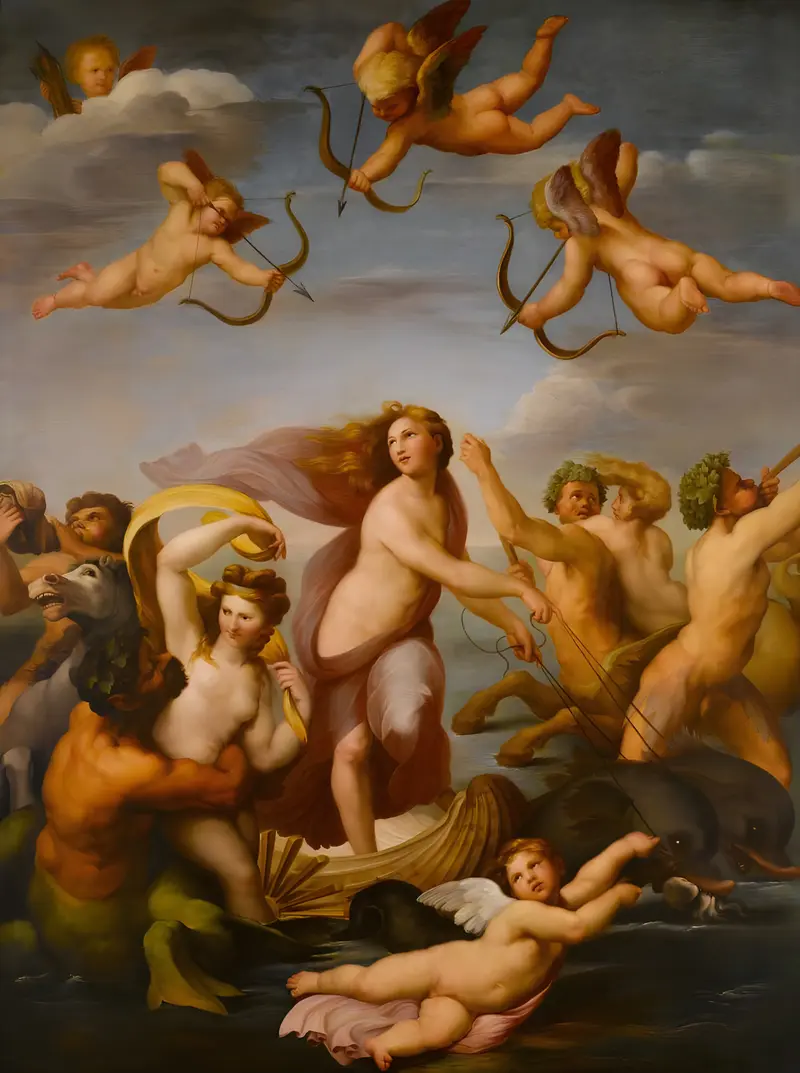
The Triumph of Galatea (copy after Raphael)
Raphael
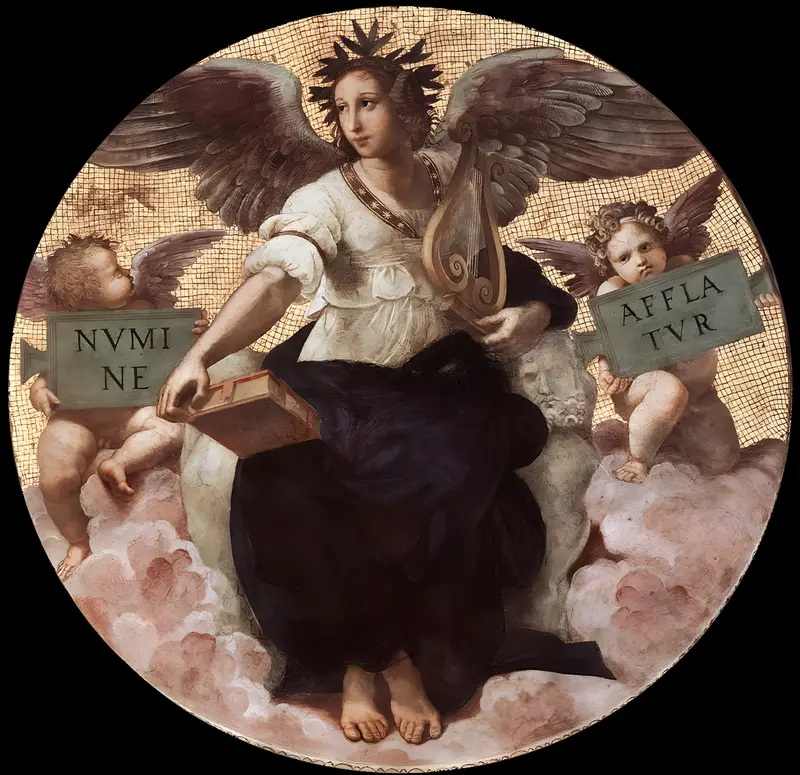
Poetry
Raphael
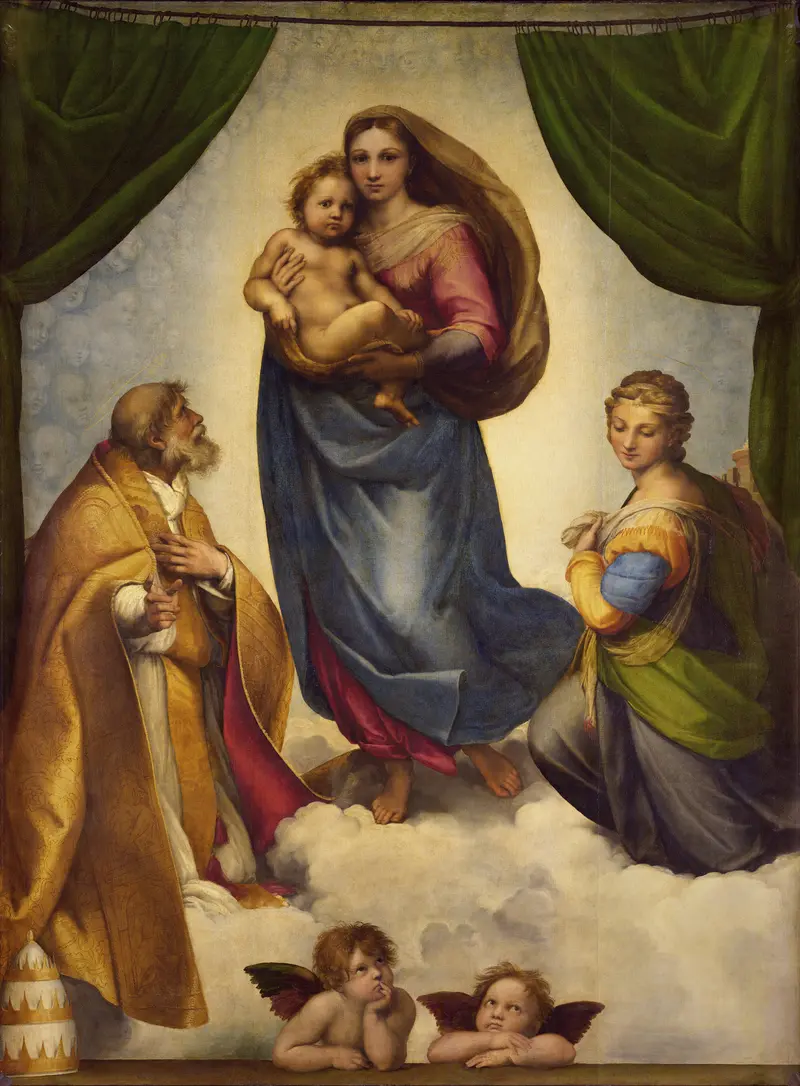
Sistine Madonna
Raphael
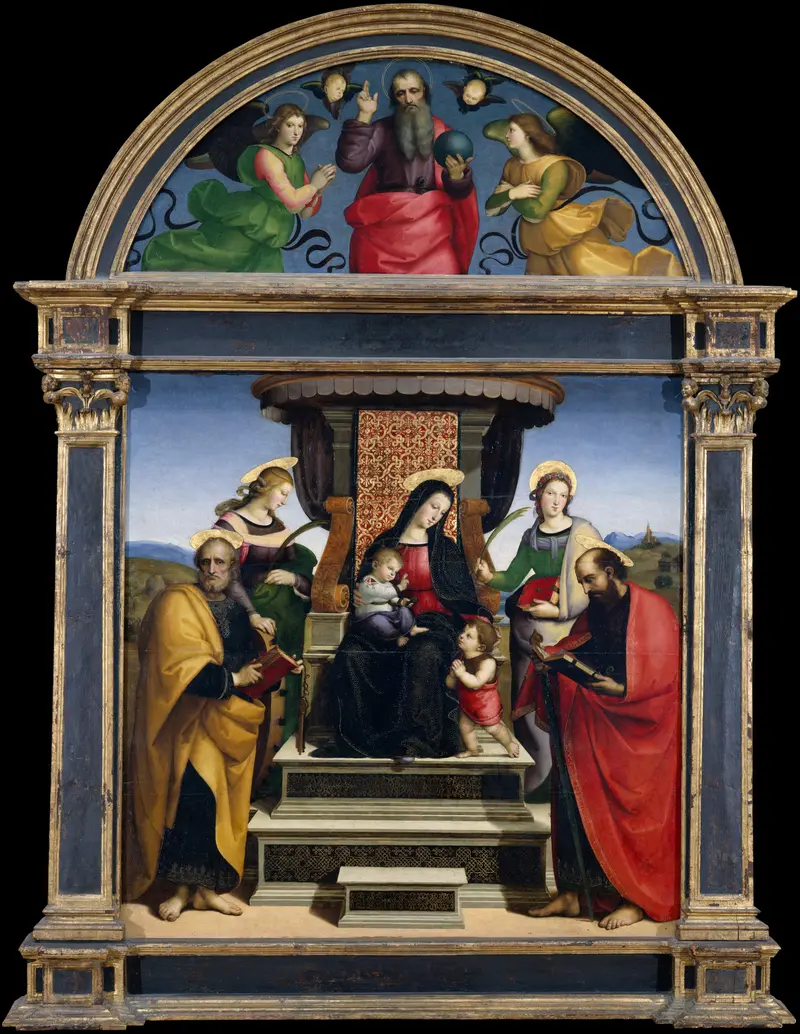
Madonna and Child Enthroned with Saints
Raphael



