
Catallus gered na een schipbreuk — History & Facts
Did the painter know this moment would outlive them? In Catallus gered na een schipbreuk, beauty intertwines with tragedy, capturing the fragile resilience of the human spirit. This poignant scene invites us to contemplate the delicate balance between despair and hope, as if frozen in time, echoing the struggles faced across generations. Look to the center where the figure of Catullus emerges from tumultuous seas, his expression a mix of relief and reflection. The chiaroscuro technique draws your eye, enhancing the contrast between the dark, swirling waters and the luminous light surrounding him.
Hollar's delicate lines and meticulous attention to detail bring a remarkable clarity to the waves, creating a sense of movement that seems poised to engulf the weary poet at any moment. The juxtaposition of Catullus’s serene demeanor against the chaos of the sea speaks volumes about the human condition. While the storm rages around him, the figure's vulnerability and strength evoke a poignant tension, revealing the beauty that can be found even in turmoil. The serene sky above hints at the possibility of calm after the storm, underscoring the artist’s mastery of translating complex emotions into visual narratives. Created in 1660, this work emerged during a period of transition for Wenceslaus Hollar, a Czech artist living in the Netherlands.
Having fled the Thirty Years' War, Hollar was deeply engrossed in the flourishing realm of printmaking and etching. During this time, he was exploring themes of nature and human experience, and Catallus gered na een schipbreuk reflects his ability to convey profound narratives through delicate lines and masterful composition.
More Artworks by Wenceslaus Hollar
Browse all →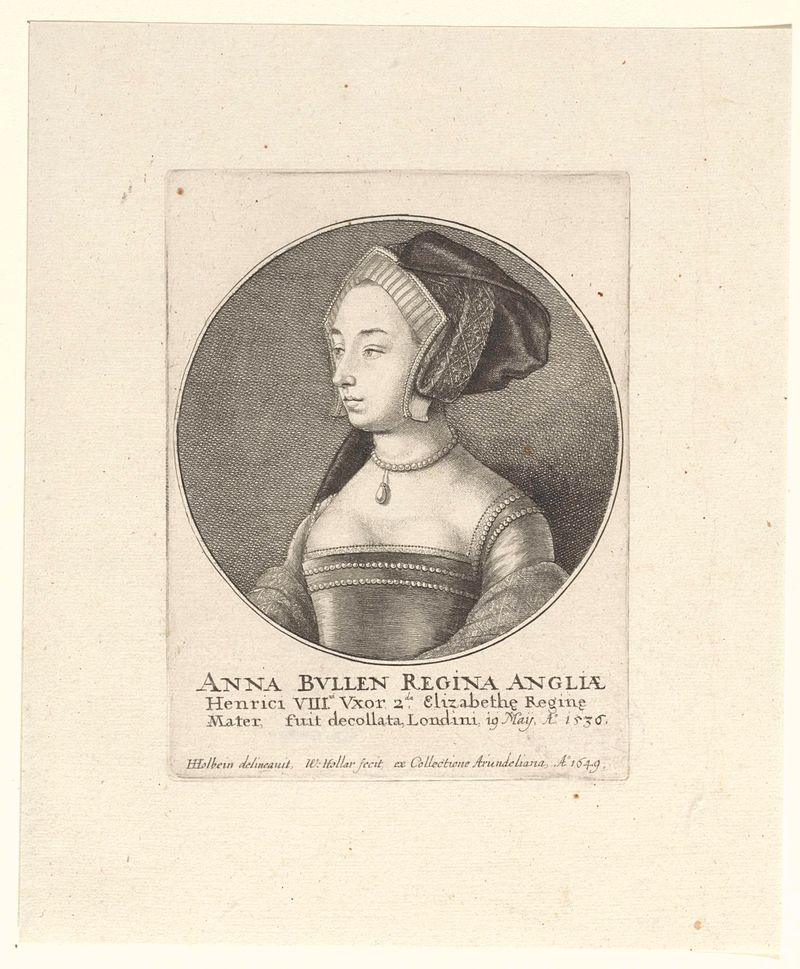
Portret van Anna Boleyn, koningin van Engeland
Wenceslaus Hollar
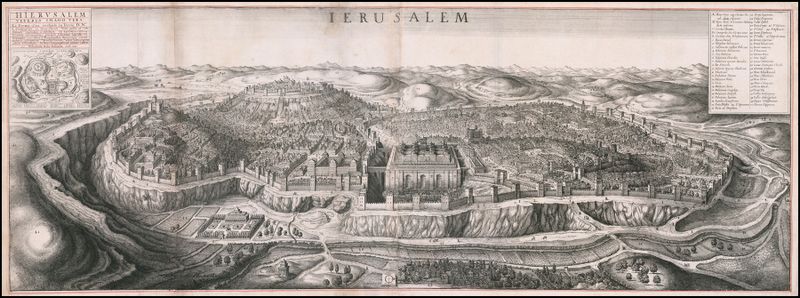
Bird’s eye view of Jerusalem
Wenceslaus Hollar
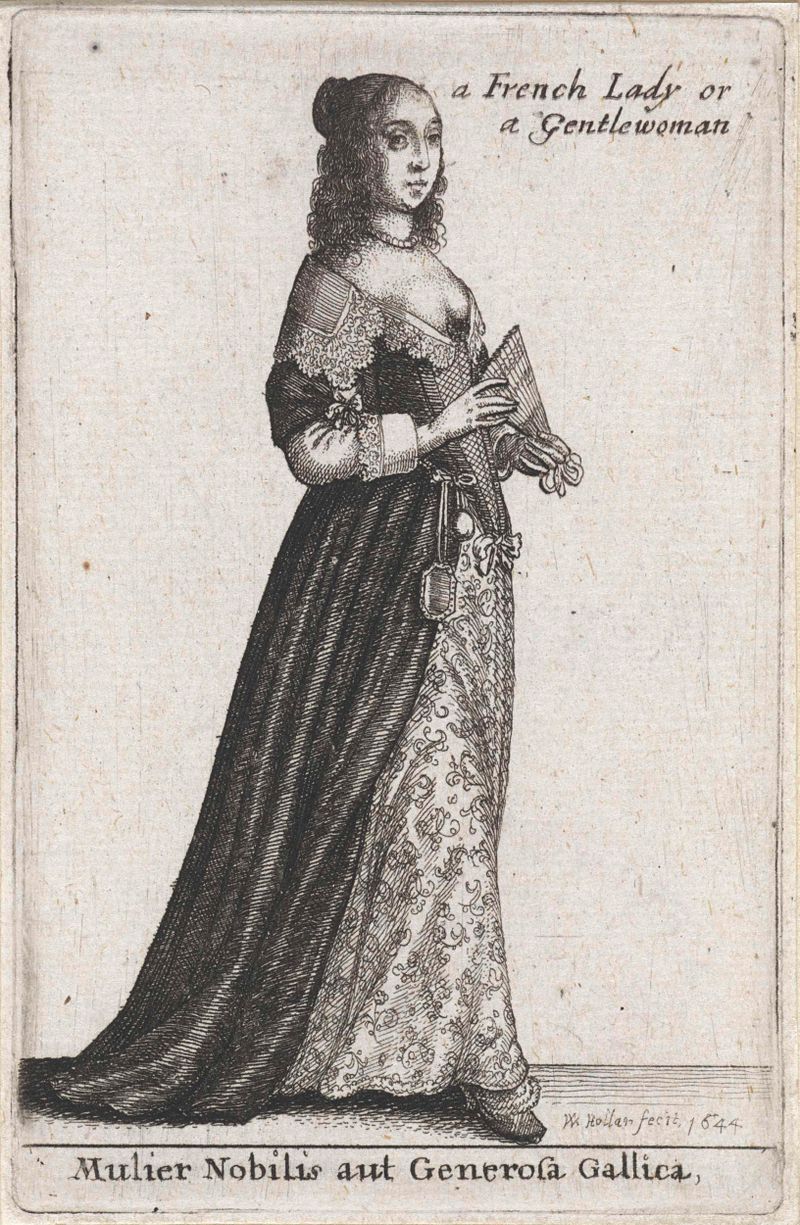
Mulier Nobilis aut Generosa Gallica / a French Lady or Gentlewoman
Wenceslaus Hollar
Titelprent voor: Ornatus Muliebris Anglicanus
Wenceslaus Hollar
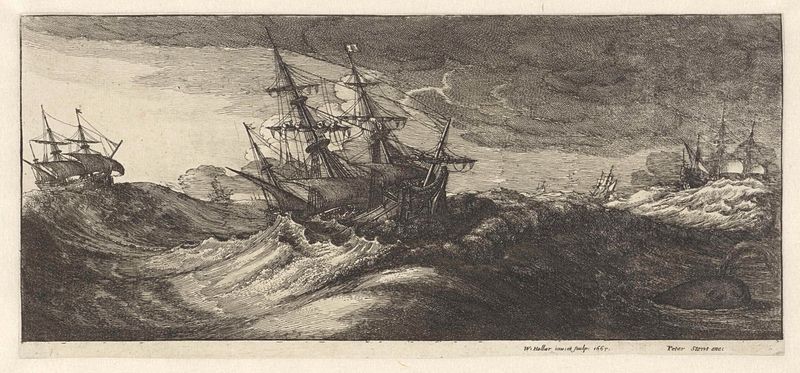
Oorlogsschepen en een walvis in een zeestorm
Wenceslaus Hollar
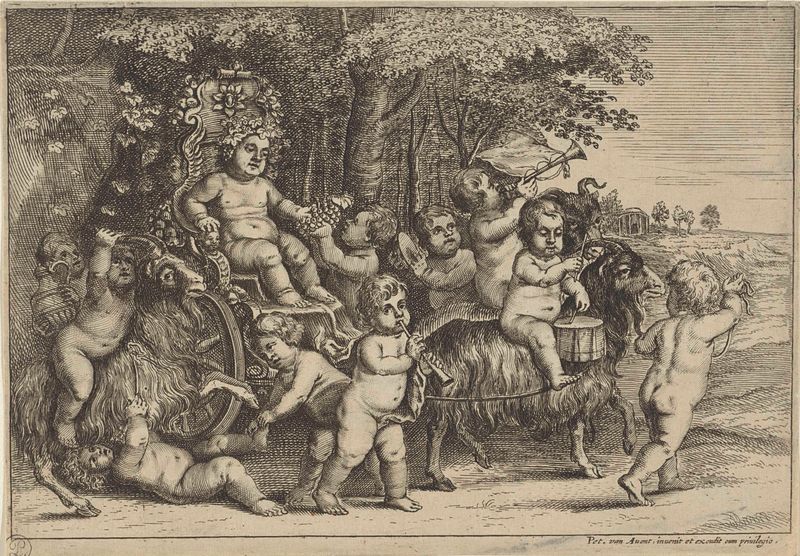
Optocht van bacchant en jongetjes op geiten
Wenceslaus Hollar
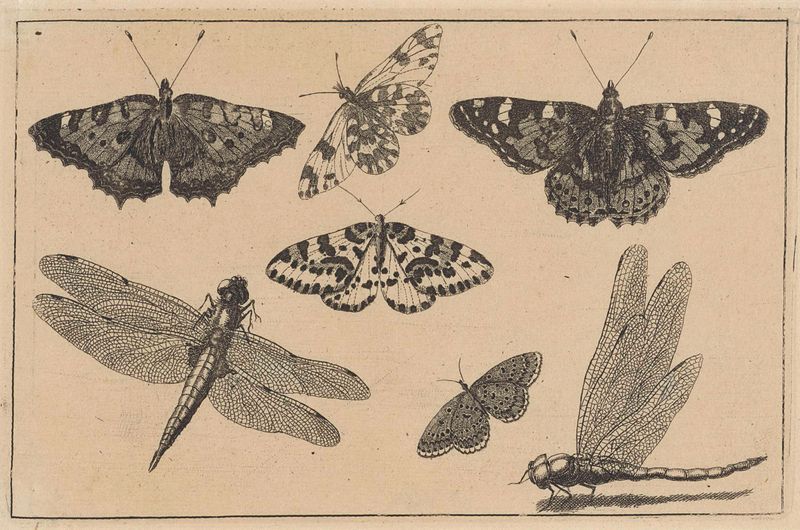
Twee libellen en vijf vlinders
Wenceslaus Hollar
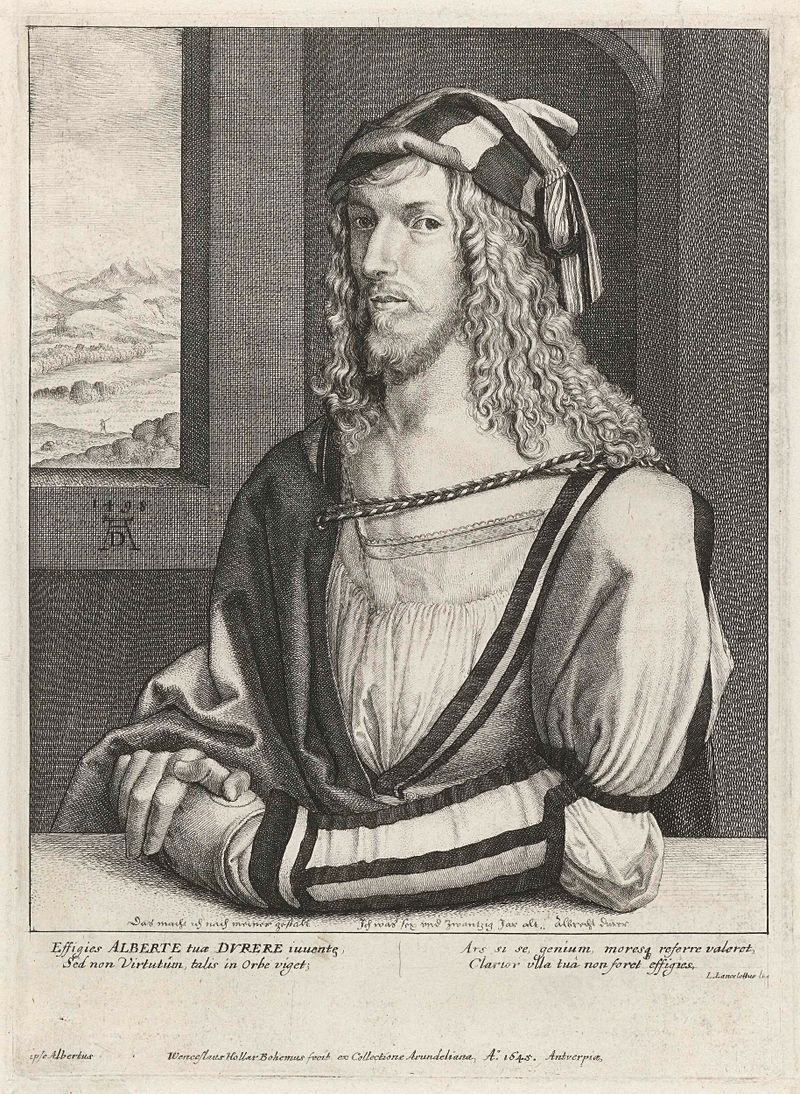
Portret van Albrecht Dürer
Wenceslaus Hollar
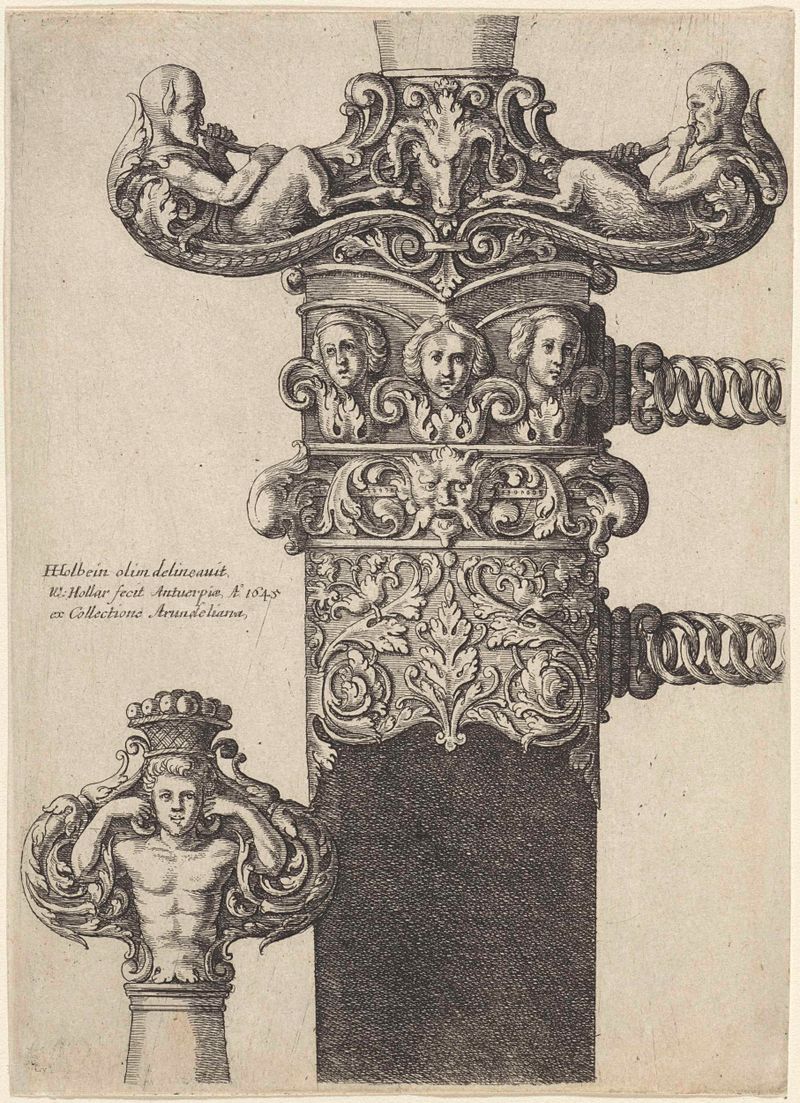
Ornamenteel ontwerp voor een dolk
Wenceslaus Hollar
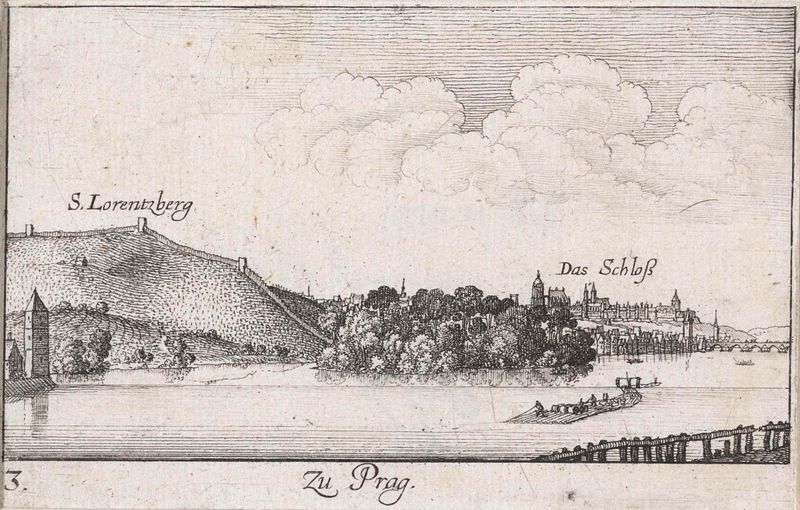
Gezicht op Praag vanaf de Moldau
Wenceslaus Hollar
More Historical Art
Browse all →
The Night Watch Militia Company of District II under the Command of Captain Frans Banninck Cocq
Rembrandt van Rijn

Lincoln Memorial
Henry Bacon

The Third of May 1808
Francisco de Goya

Isaac and Rebecca, Known as ‘The Jewish Bride’
Rembrandt van Rijn

The Charge of the Mamelukes (1814)
Francisco de Goya

De vier ruiters van de apocalyps
Albrecht Dürer