
Cathedral in Peel Castle — History & Facts
Can beauty exist without sorrow? In Cathedral in Peel Castle, a haunting landscape invites such contemplation, beckoning viewers to explore the intertwining of light and shadow amidst its majestic architecture. Look to the left and focus on the silhouette of the cathedral, its towering spires reaching skyward, beckoning the heavens. Notice how the artist employs a delicate palette of muted grays and soft blues, contrasting with the vibrant greens of the surrounding landscape. The light spills across the foreground, illuminating patches of grass and stone, creating a pathway that guides the eye toward the monumental structure.
This interplay of light and dark not only enhances the visual drama but also evokes a profound sense of tranquility and reverence. The painting encapsulates the tension between the enduring beauty of the cathedral and the ruins of the castle, evoking a bittersweet nostalgia. The starkness of the abandoned fortress speaks of history and loss, while the steadfast cathedral stands as a symbol of hope and faith amid decay. This duality resonates deeply, suggesting that in moments of despair, the brilliance of beauty can emerge, illuminating a path forward, even if shadowed by past sorrows. Created in 1825, this work reflects Fielding’s fascination with Gothic architecture, amidst the Romantic movement's exploration of nature and the sublime.
Living in England during a time of industrial change and cultural reflection, Fielding sought tranquility in the remnants of history, capturing both the grandeur and the melancholy of the past, firmly positioning his work within an evolving artistic narrative.
More Artworks by Theodore Henry Adolphus Fielding
Browse all →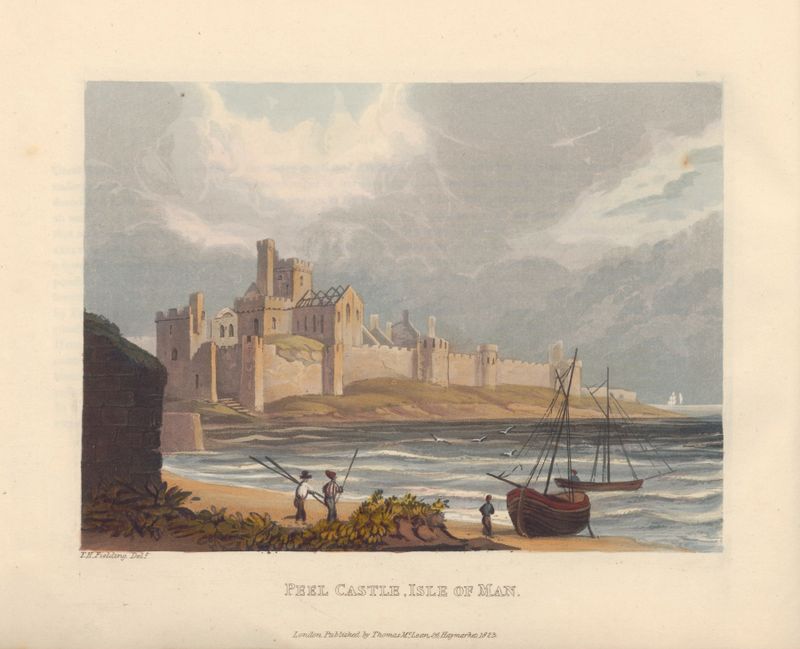
Peel Castle, Isle of Man
Theodore Henry Adolphus Fielding
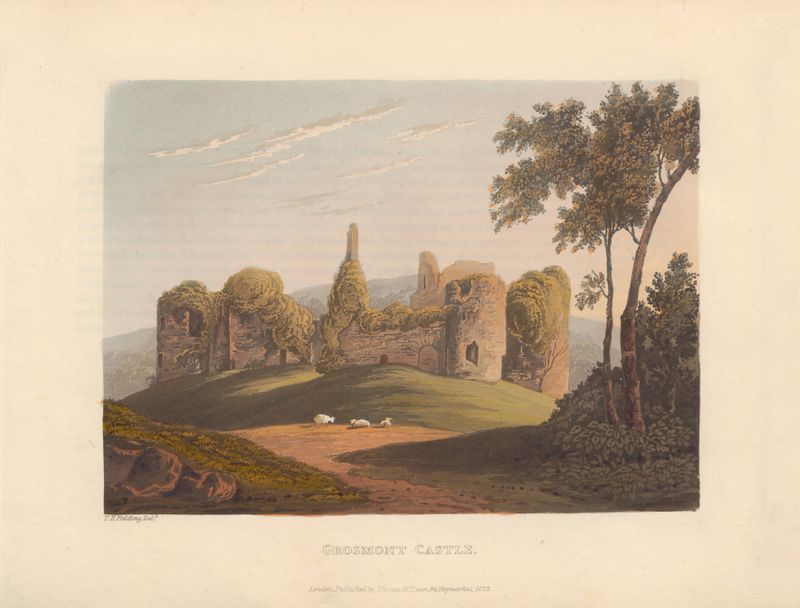
Grosmont Castle
Theodore Henry Adolphus Fielding
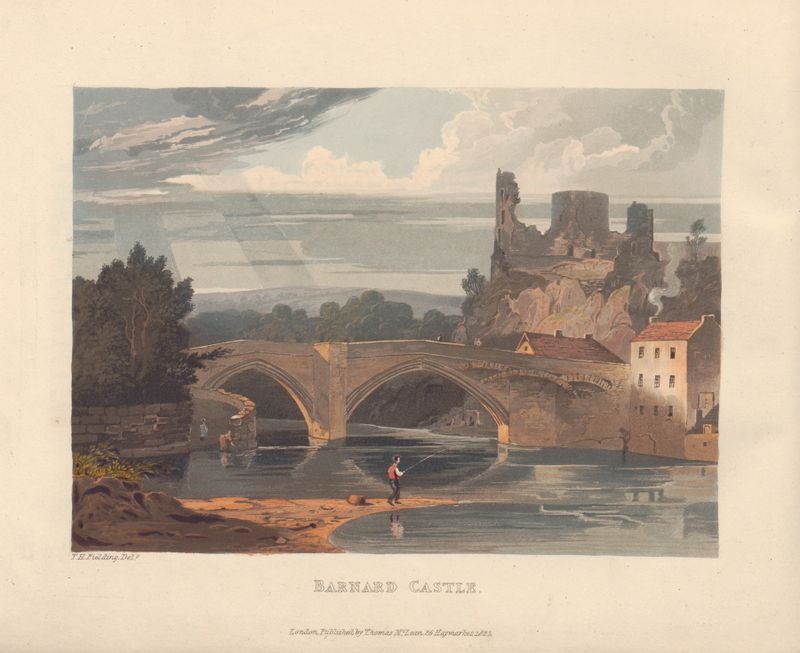
Barnard Castle
Theodore Henry Adolphus Fielding
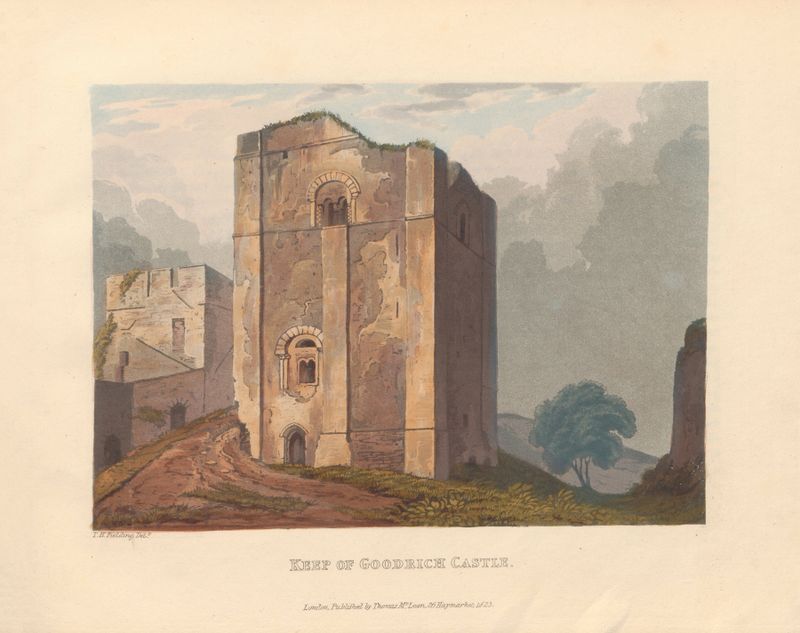
Keep of Goodrich Castle
Theodore Henry Adolphus Fielding
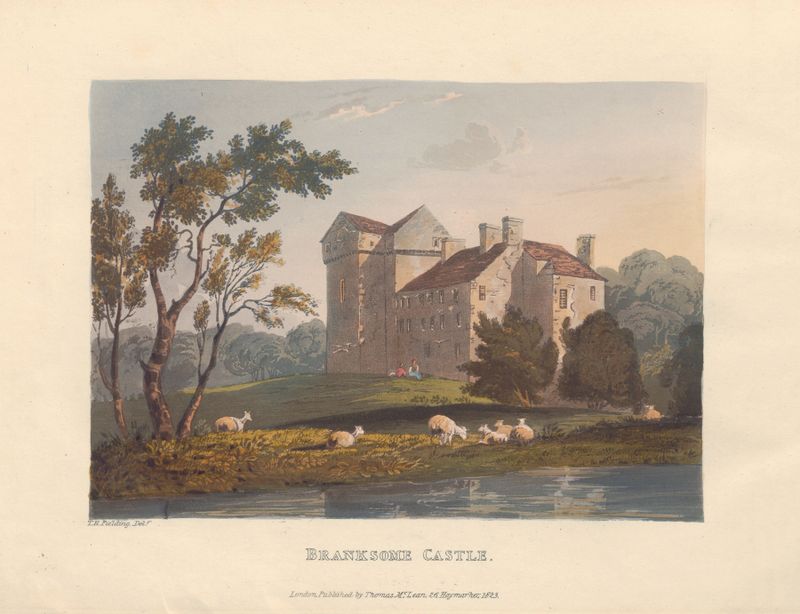
Branksome Castle
Theodore Henry Adolphus Fielding
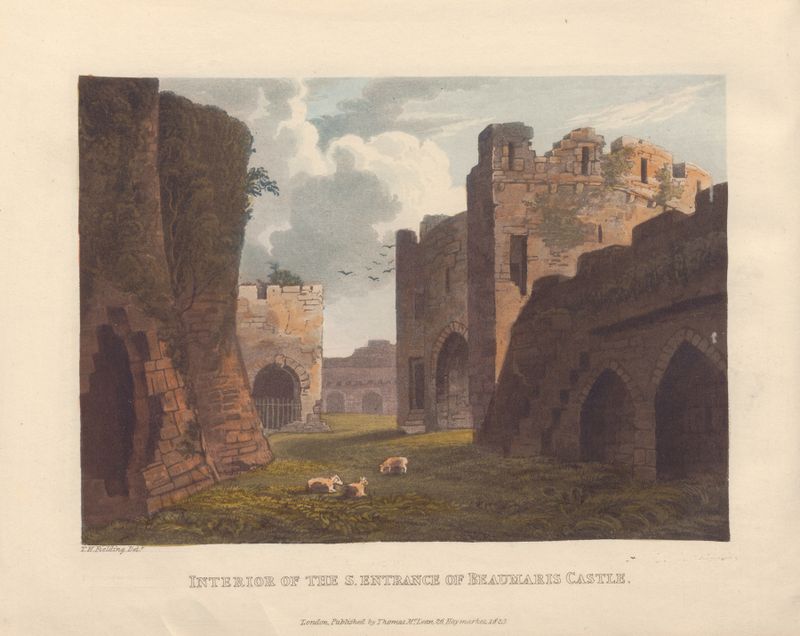
Interior of the south entrancce of Beaumaris Castle
Theodore Henry Adolphus Fielding
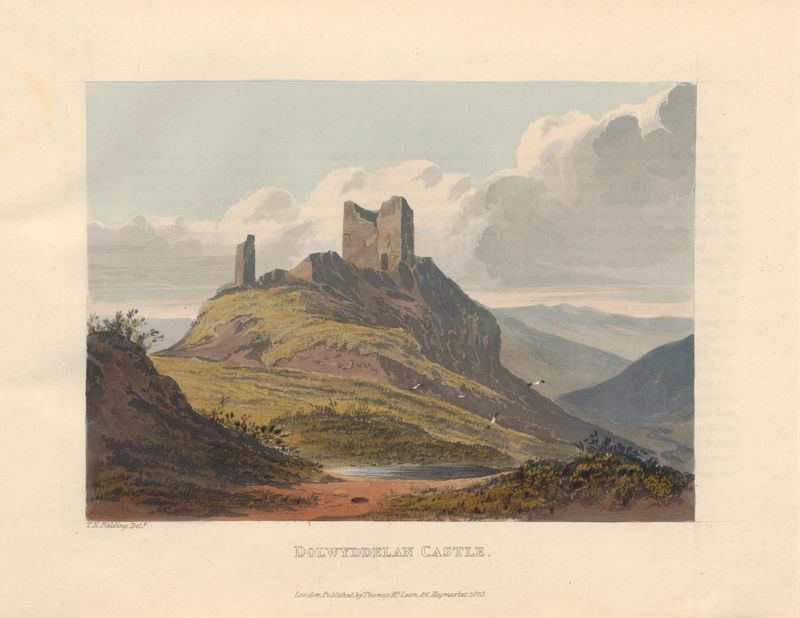
Dolwyddelan Castle
Theodore Henry Adolphus Fielding
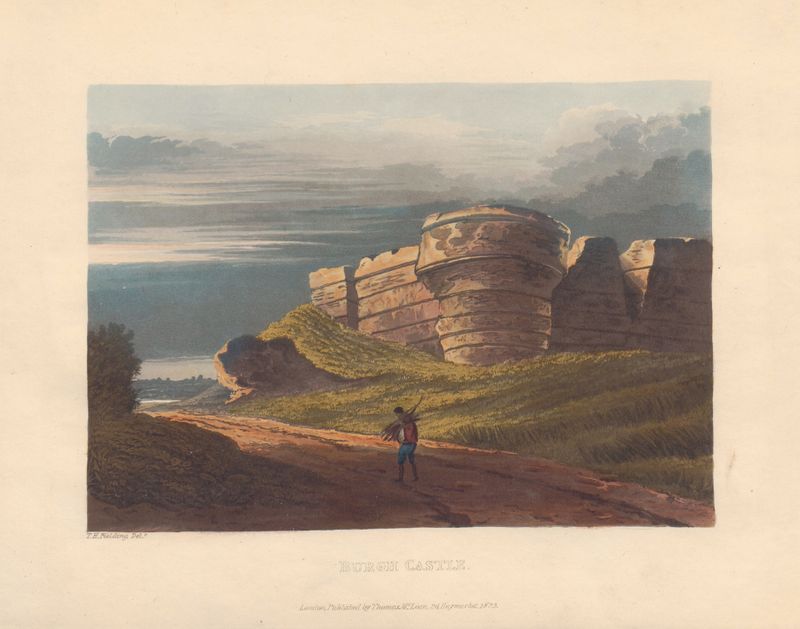
Burgh Castle
Theodore Henry Adolphus Fielding
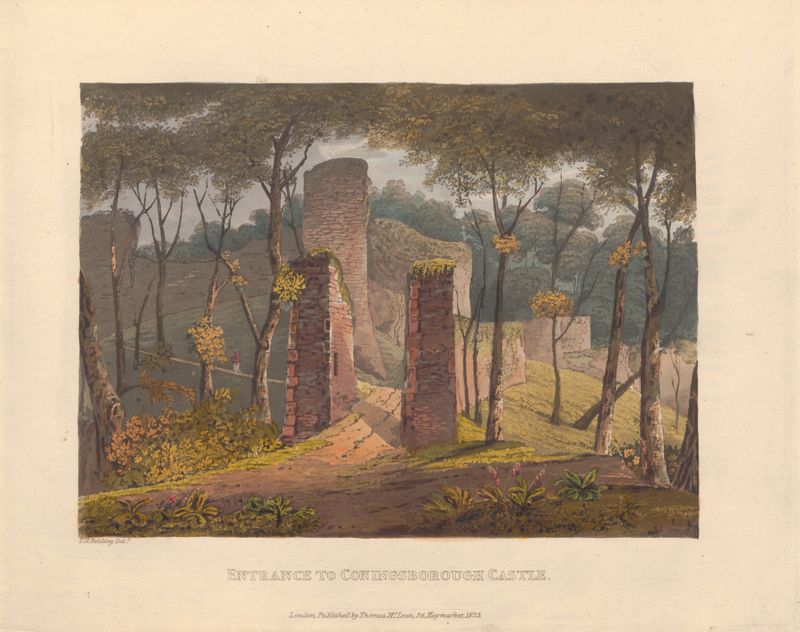
Entrance to Coningsborough Castle
Theodore Henry Adolphus Fielding
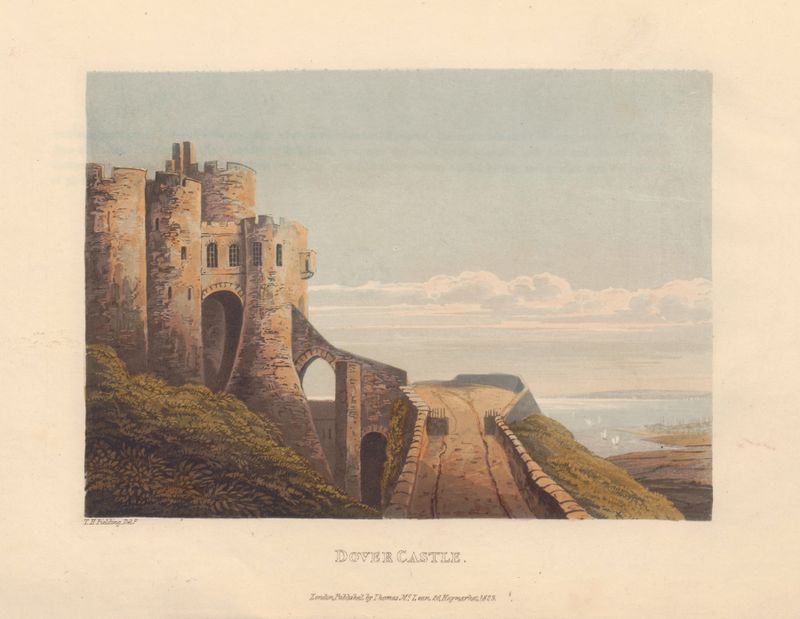
Dover Castle
Theodore Henry Adolphus Fielding
More Architecture Art
Browse all →
The statue of Liberty
Frédéric Auguste Bartholdi

View of Houses in Delft, Known as ‘The Little Street’
Johannes Vermeer

View of Houses in Delft, Known as ‘The Little Street’
Johannes Vermeer

The Cathedral in Rouen. The portal, Grey Weather
Claude Monet

The yellow house
Vincent van Gogh

The Church in Auvers-sur-Oise, View from the Chevet
Vincent van Gogh