
Catherine of Hapsburg, the Wife of King John III of Portugal — History & Facts
The first thing to catch the eye in Catherine of Hapsburg, the Wife of King John III of Portugal is the formidable presence of the sitter herself. The painter, Antonis Mor, has chosen a moment of absolute stillness, where every element—down to the crisp fold of the handkerchief and the glint of jewels—serves to announce the gravity of royal blood. The dark velvet of her gown, embroidered with gold, absorbs the light, focusing all attention on her pale, composed face.
Her right hand, adorned with rings, rests on a black fan, while the left clutches a handkerchief and a small purse, hinting at both the ceremonial and the personal. The closed book on the table beside her suggests a life of duty and learning, but her gaze, direct and unwavering, is what holds the viewer fast. This portrait belongs to the world of sixteenth-century dynastic Europe, where great families commissioned likenesses not only to record their features but to project power, lineage, and alliances. Painted between 1552 and 1553, as documented, Catherine of Austria was the daughter of King Felipe I of Spain and Juana la Loca, and the wife of King João III of Portugal.
Such portraits by Antonis Mor were prized for their psychological presence and meticulous detail, reflecting the ambitions of both sitter and patron. In an age when royal marriages shaped the fate of nations, these images were more than mere likenesses—they were instruments of diplomacy and memory. Look again at Catherine’s face: it is not just a record of appearance, but a statement of identity, position, and the burdens of her station.
More Artworks by Antonis Mor

Portrait of a Man
Antonis Mor
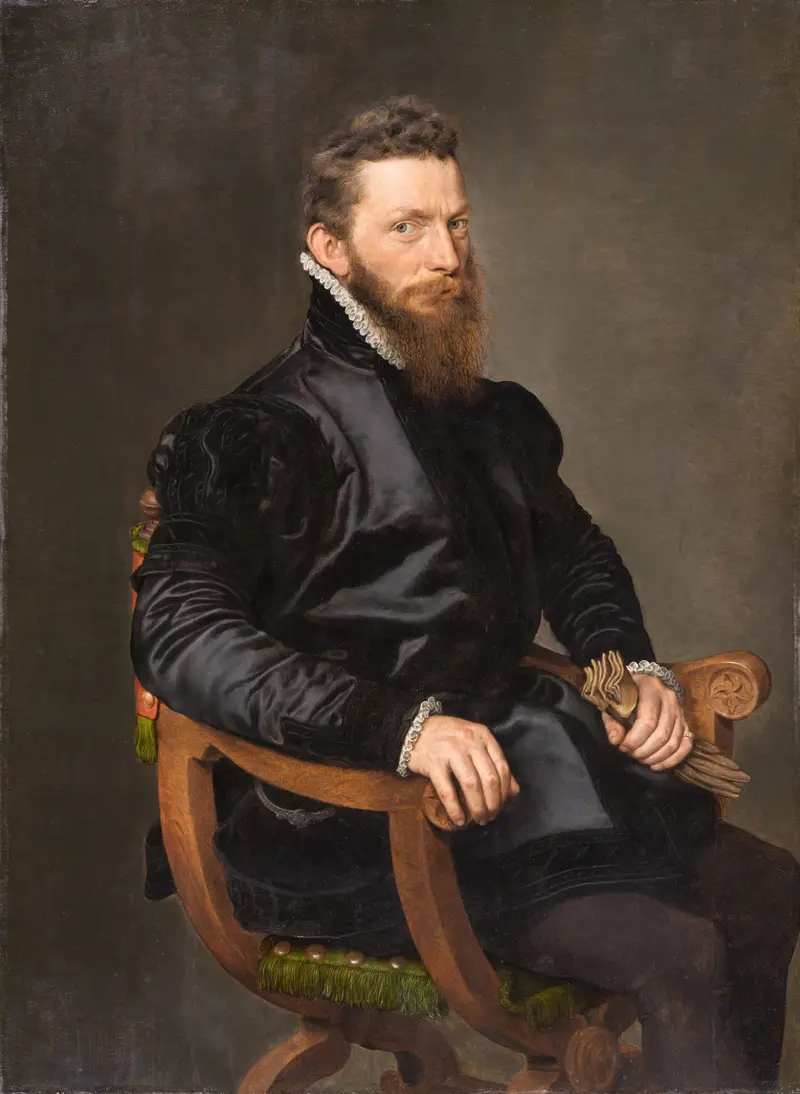
Portrait of a Gentleman
Antonis Mor
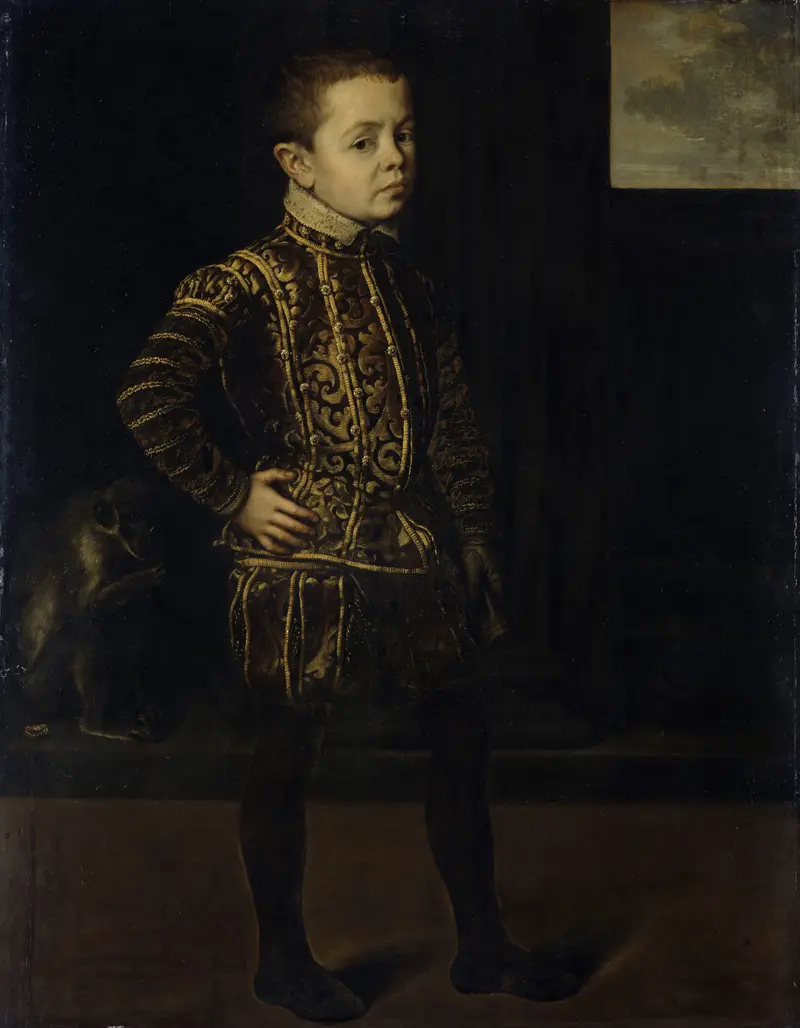
Portrait of a young prince
Antonis Mor
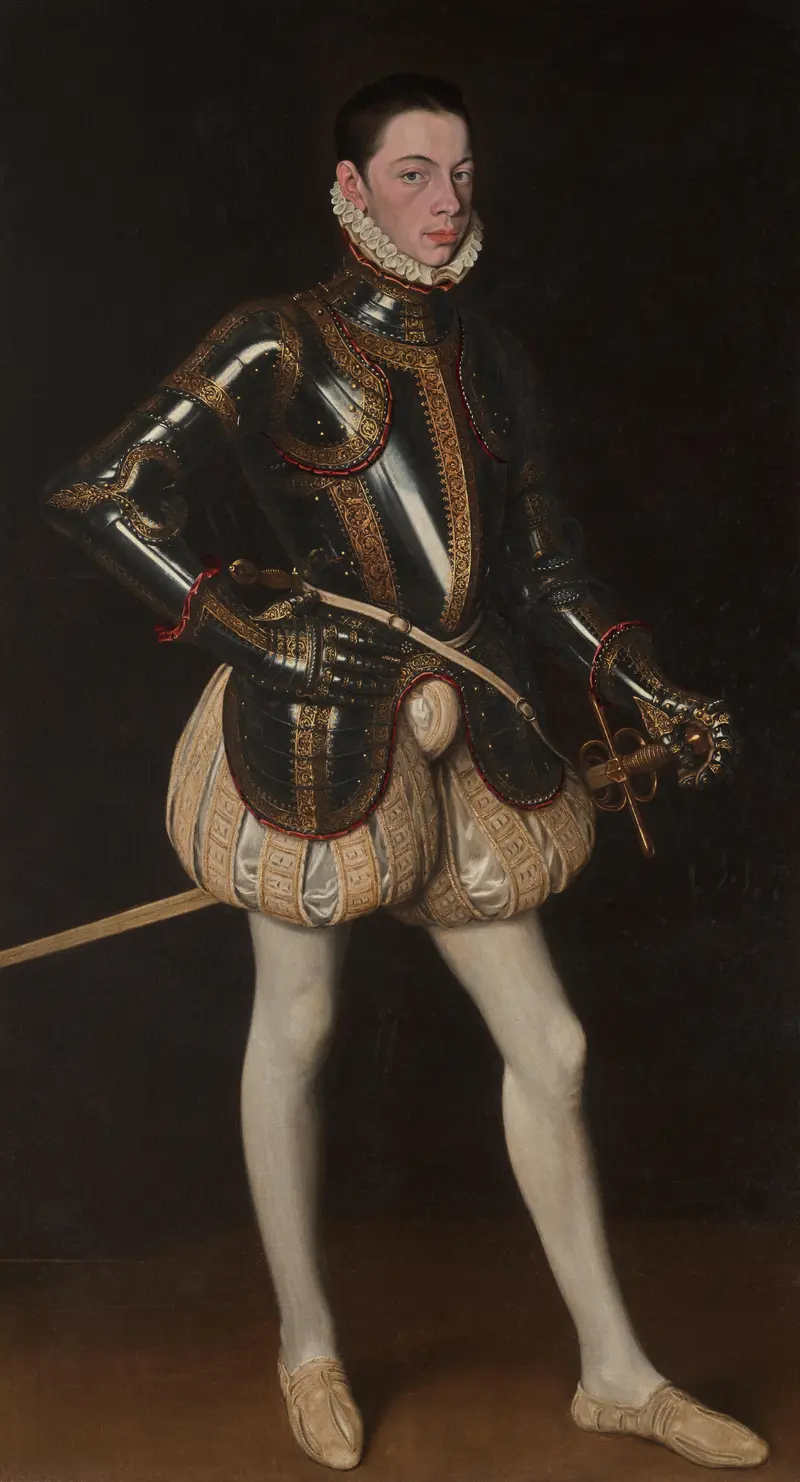
Alessandro Farnese in Armor
Antonis Mor
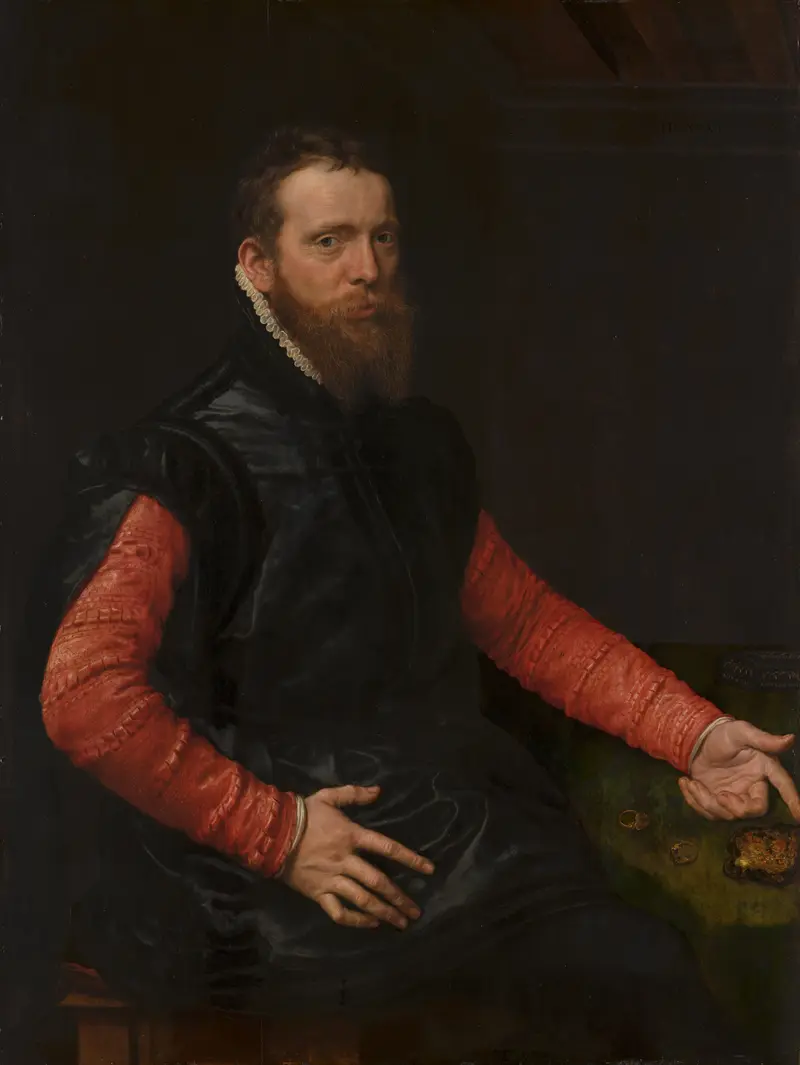
Steven van Herwijck
Antonis Mor
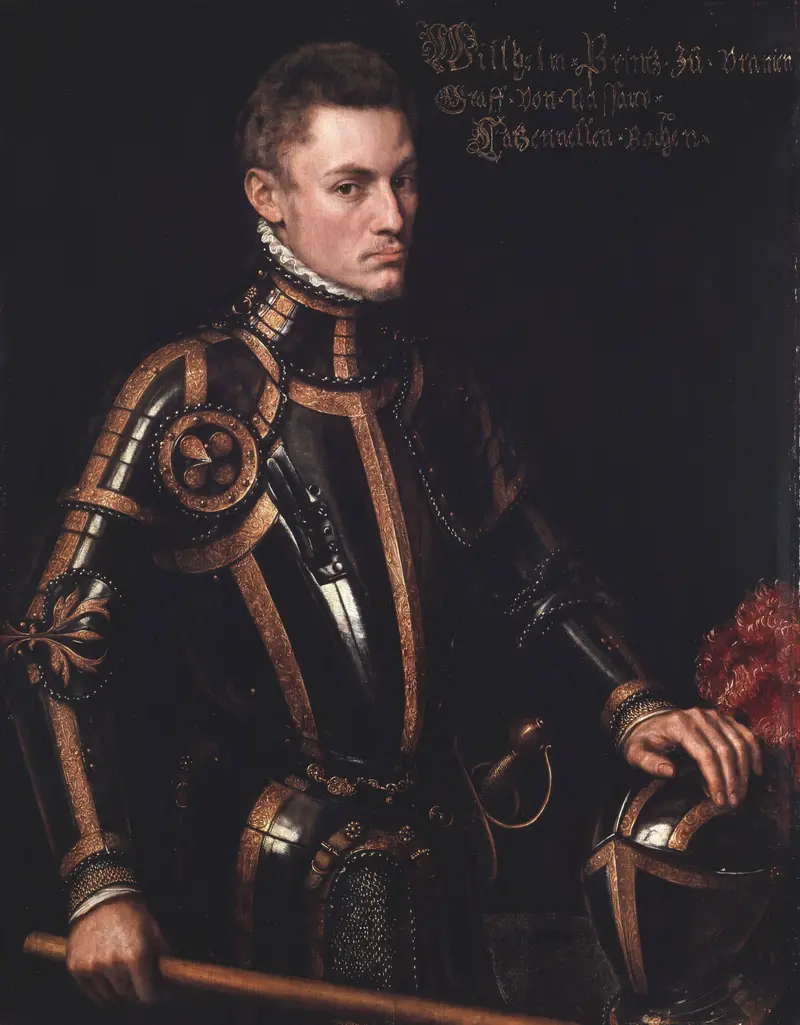
Portrait of William I of Nassau
Antonis Mor
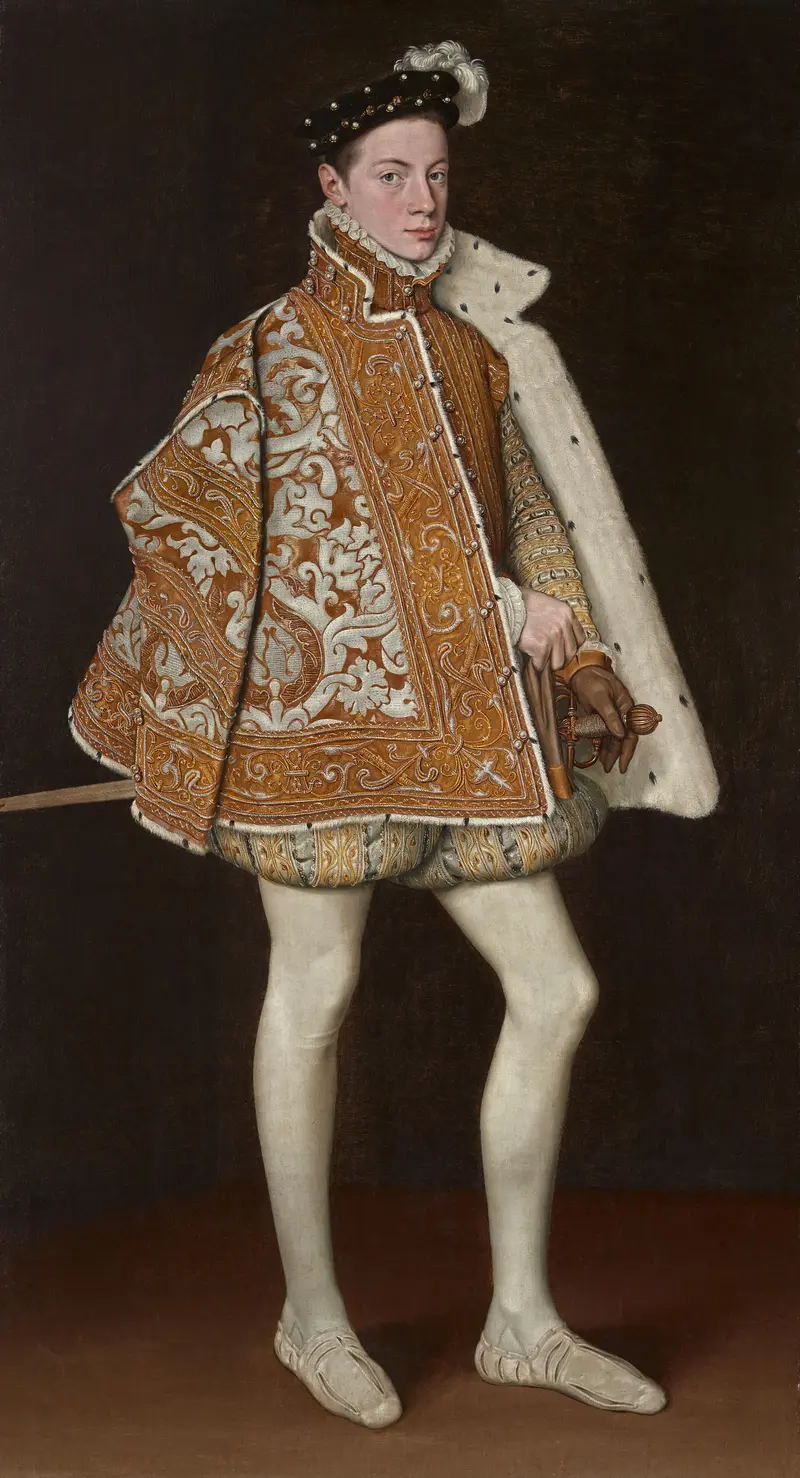
Portrait of Alessandro Farnese in Cape and Black Cap
Antonis Mor
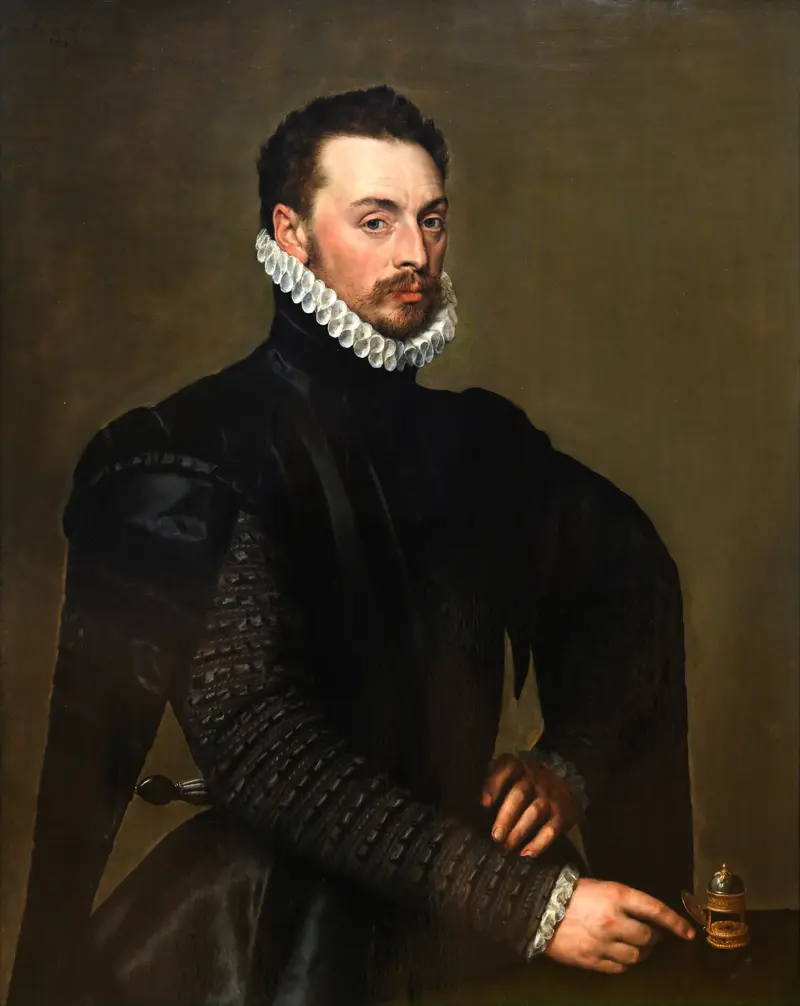
Portrait d'homme désignant une pendule Antonio Moro Musée du Louvre Peintures INV 1582 ; MR 880
Antonis Mor
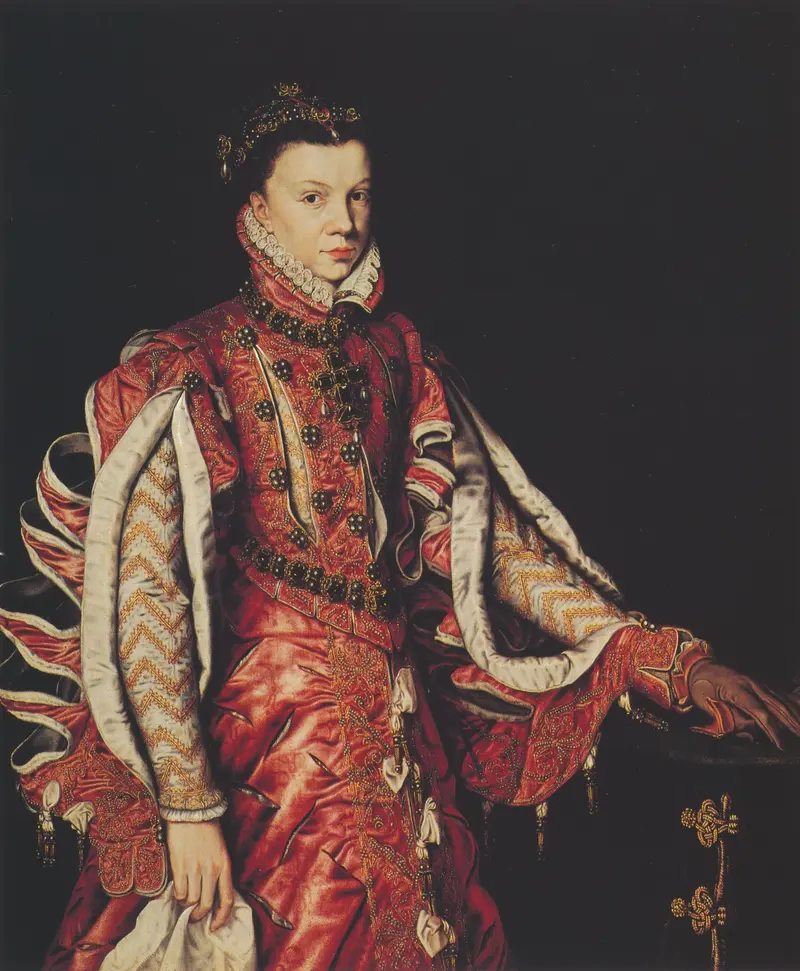
Portrait of Elisabeth of Valois, third wife of King Philip II of Spain
Antonis Mor
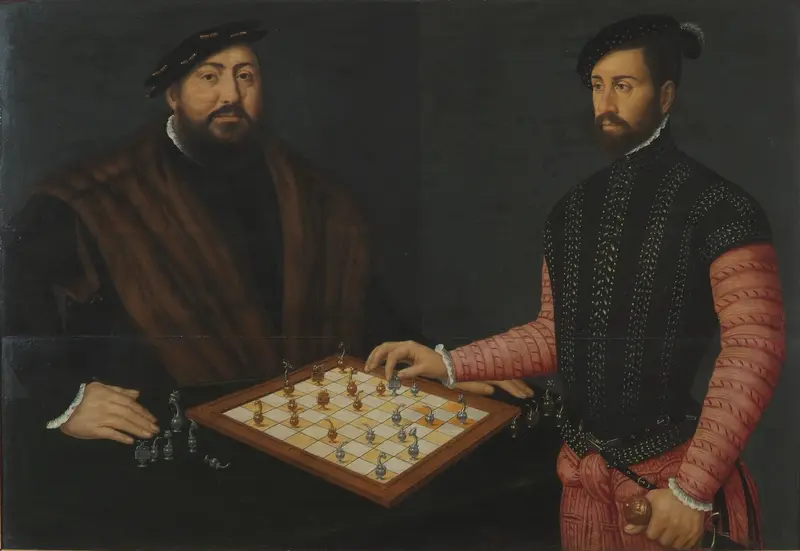
Von Sachsen vs. a Spaniard
Antonis Mor





