
Cephalus and Procris — History & Facts
When Cephalus and Procris by Godfried Schalcken first entered the public eye, it was noted for its daring use of candlelight—a hallmark of the artist’s style—applied to a tragic myth rarely depicted by Dutch painters. The story of Cephalus and Procris, lovers doomed by jealousy and fate, was familiar to learned audiences, but Schalcken’s intimate, nocturnal interpretation set his work apart from the grander, more public treatments by Italian and French contemporaries. The exact date and circumstances of the painting’s creation remain uncertain, adding a layer of mystery to its origins.
What is clear is that Schalcken’s choice to paint this subject at all was unusual in the context of the Dutch Golden Age, when mythological scenes were less common than portraits or genre scenes. At the heart of the painting, Schalcken captures the fatal misunderstanding: Cephalus, hidden in the shadows, looses his spear at a rustle in the thicket, only to discover he has mortally wounded his beloved Procris. The soft, flickering light—possibly from a concealed lamp—illuminates Procris’s pale form as she collapses, her hand outstretched in a silent plea. Cephalus’s face, twisted in horror, emerges from the darkness, his gesture frozen between disbelief and grief.
The careful rendering of the spear, the parted foliage, and the glinting tears all serve to heighten the intimacy of the moment. Unlike Piero di Cosimo’s more theatrical Cephalus and Procris, Schalcken’s version is a study in quiet tragedy, focusing on the emotional aftermath rather than the myth’s heroic origins. The painting’s early history is obscure; no records survive of its first owner or commission. Like many works by Schalcken, it has traveled through private collections and auction houses, sometimes attributed to other candlelight specialists before scholarly consensus restored it to him.
Today, Cephalus and Procris stands as a testament to Schalcken’s fascination with light and narrative, bridging the Dutch tradition of intimate interior scenes with the broader European taste for classical myth. Its presence in modern collections offers a rare glimpse of how Dutch artists engaged with ancient stories, and how Schalcken, in particular, could turn even a mythic tragedy into a scene of personal, almost domestic, sorrow.
More Artworks by Godfried Schalcken

Young Man and Woman Studying a Statue of Venus, by Lamplight
Godfried Schalcken

Portrait of an Artist in His Studio
Godfried Schalcken
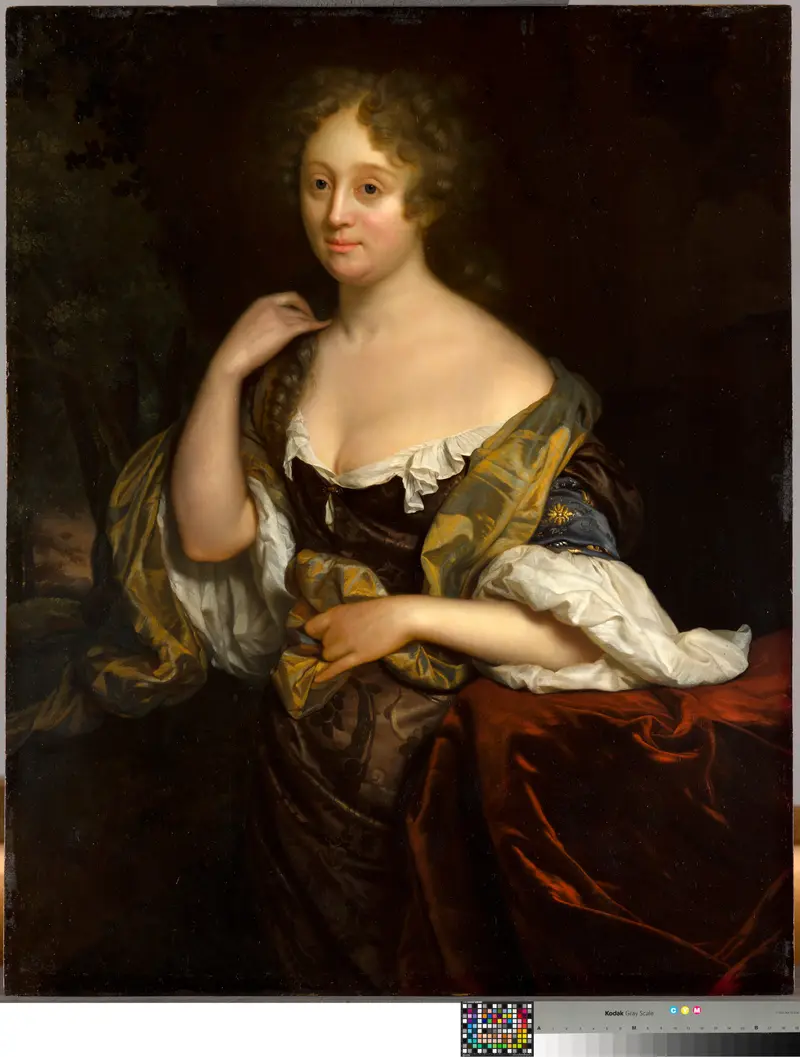
Portrait of Isabella Agneta Deutz
Godfried Schalcken
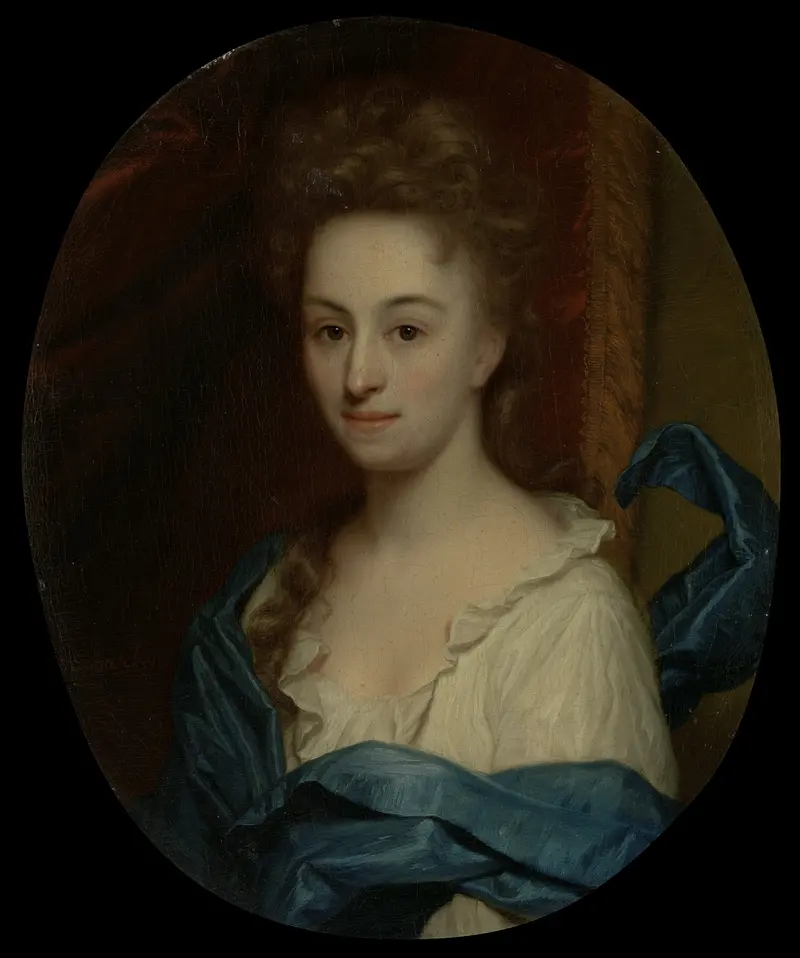
Portrait of Josina Clara van Citters (1671-1753), daughter of Josina Parduyn
Godfried Schalcken
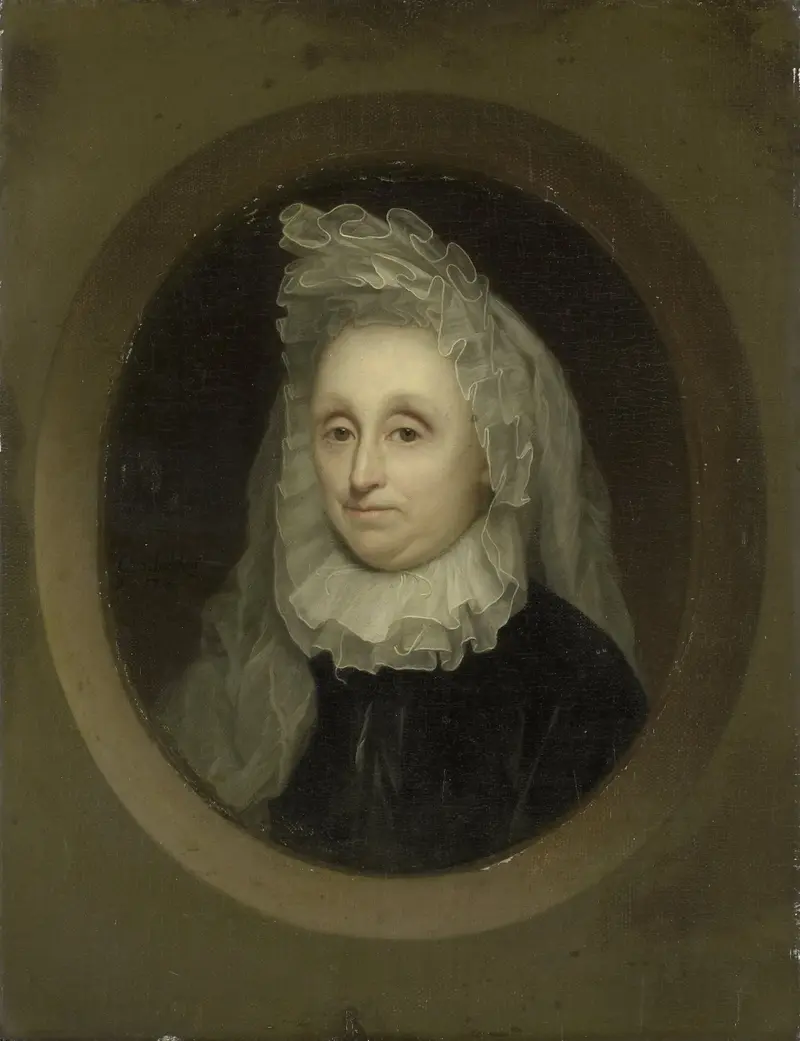
Portrait of Josnia Parduyn (1642-1718), second wife of Aernout van Citters
Godfried Schalcken
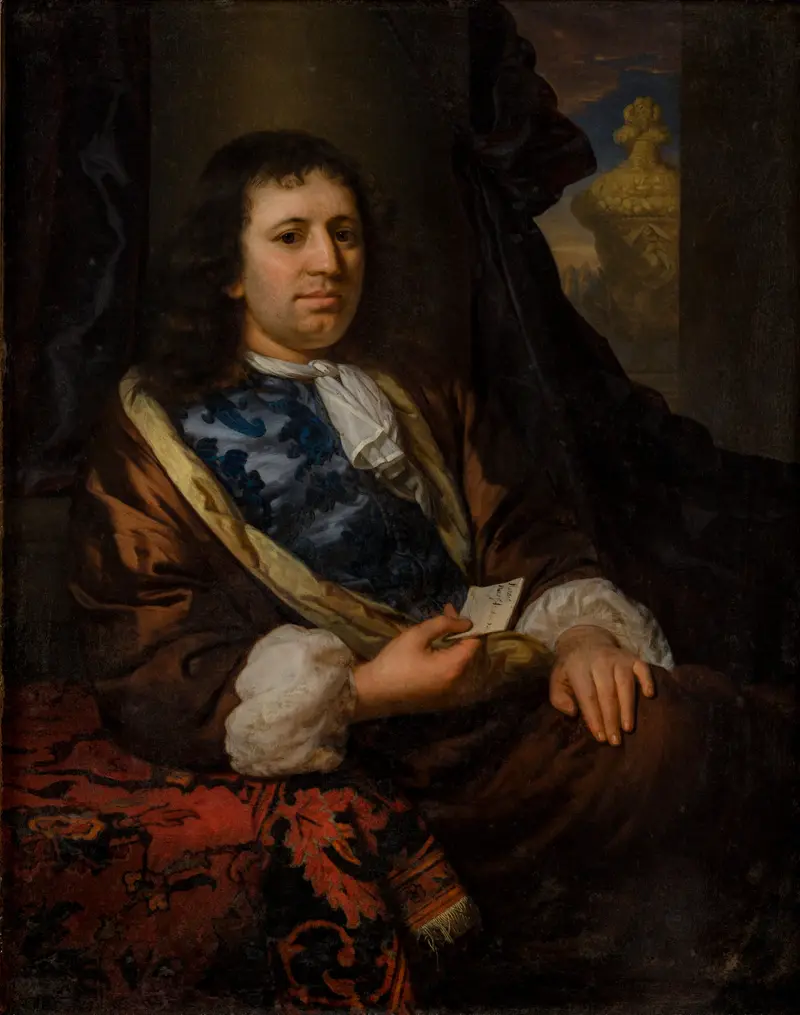
Portret van Johan de Bruin (1678-
Godfried Schalcken
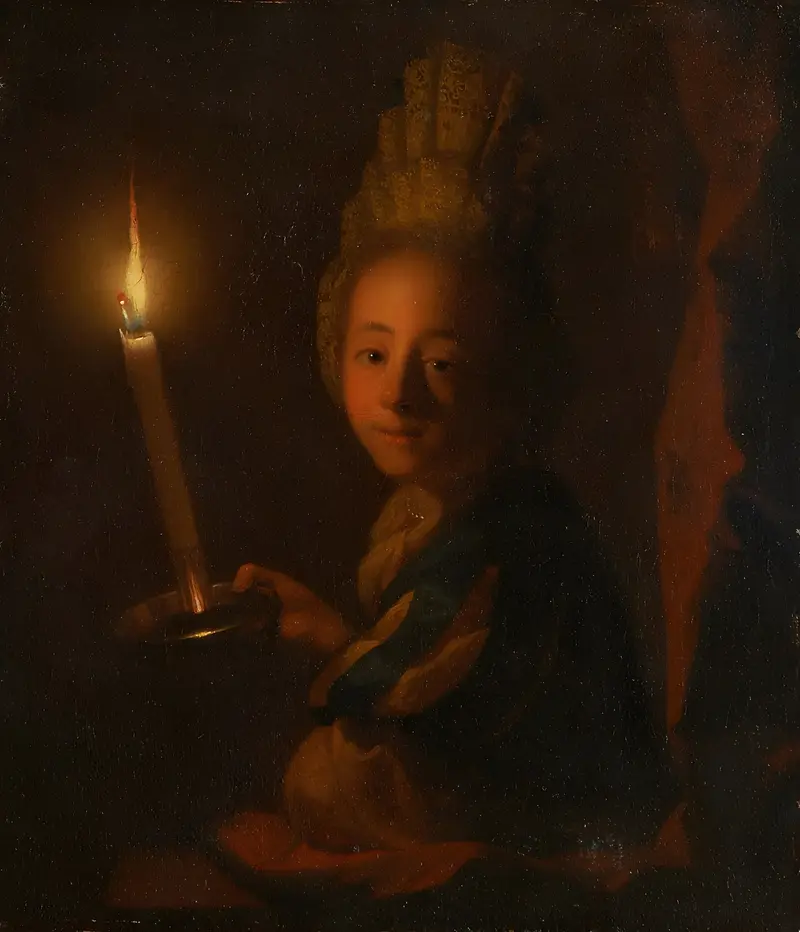
Girl with Burning Candle
Godfried Schalcken
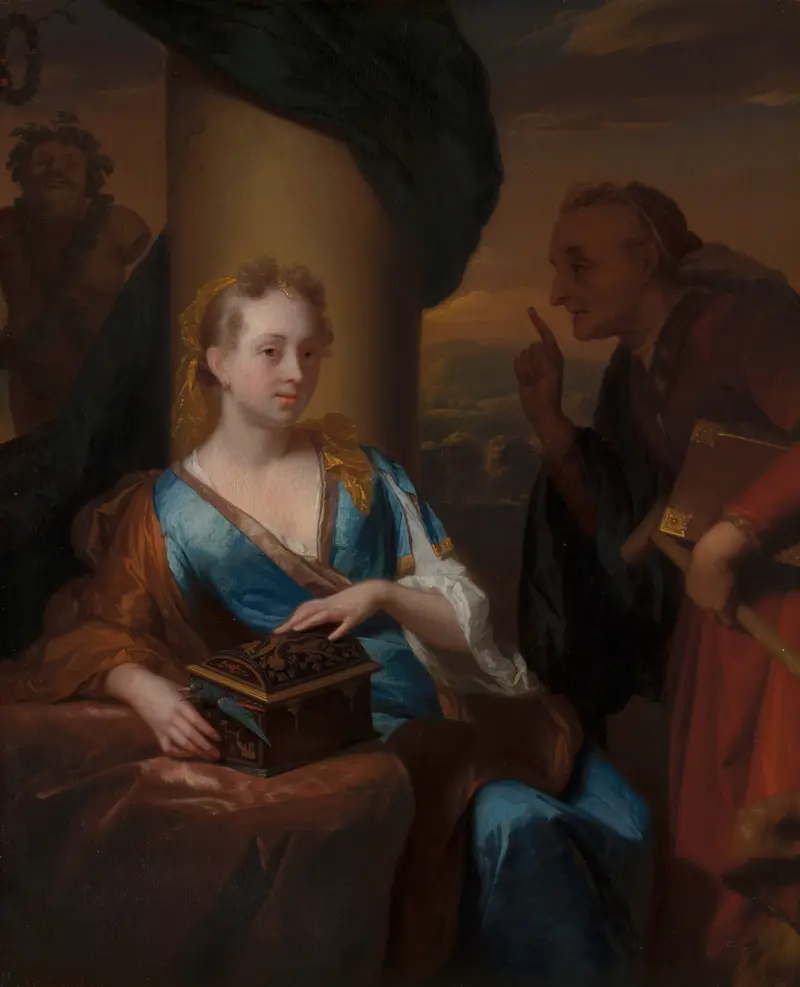
A Useless Moral Lesson
Godfried Schalcken
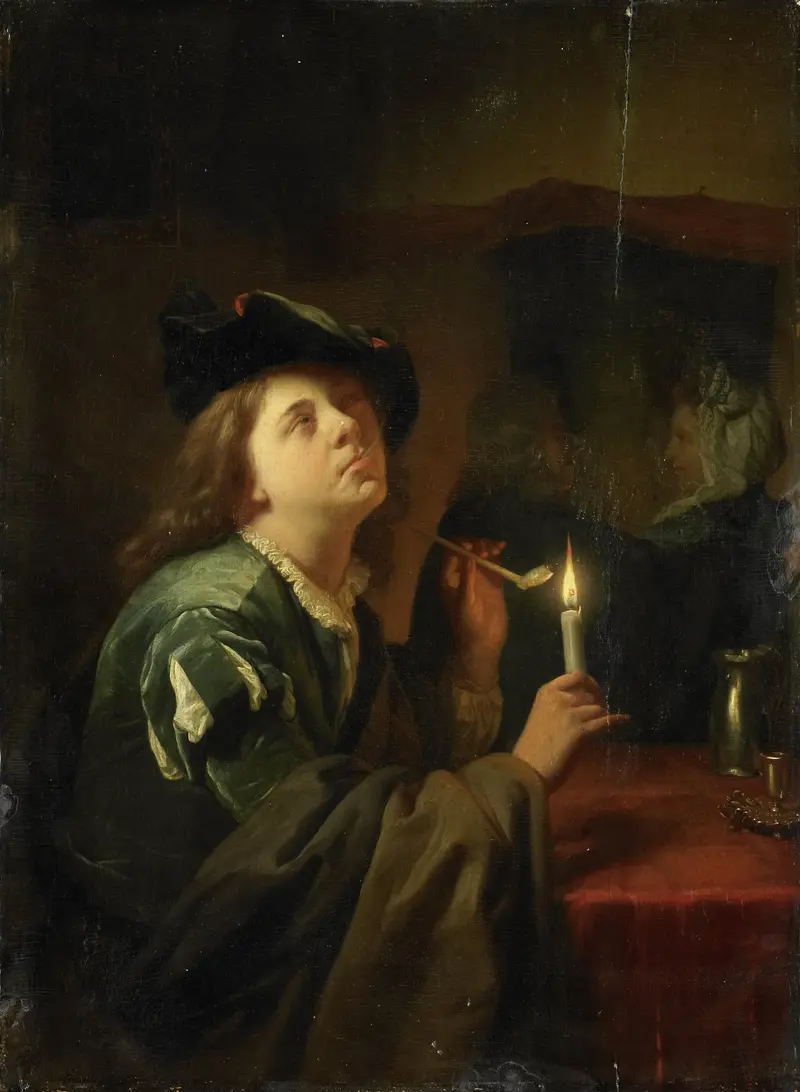
‘Differing tastes’
Godfried Schalcken
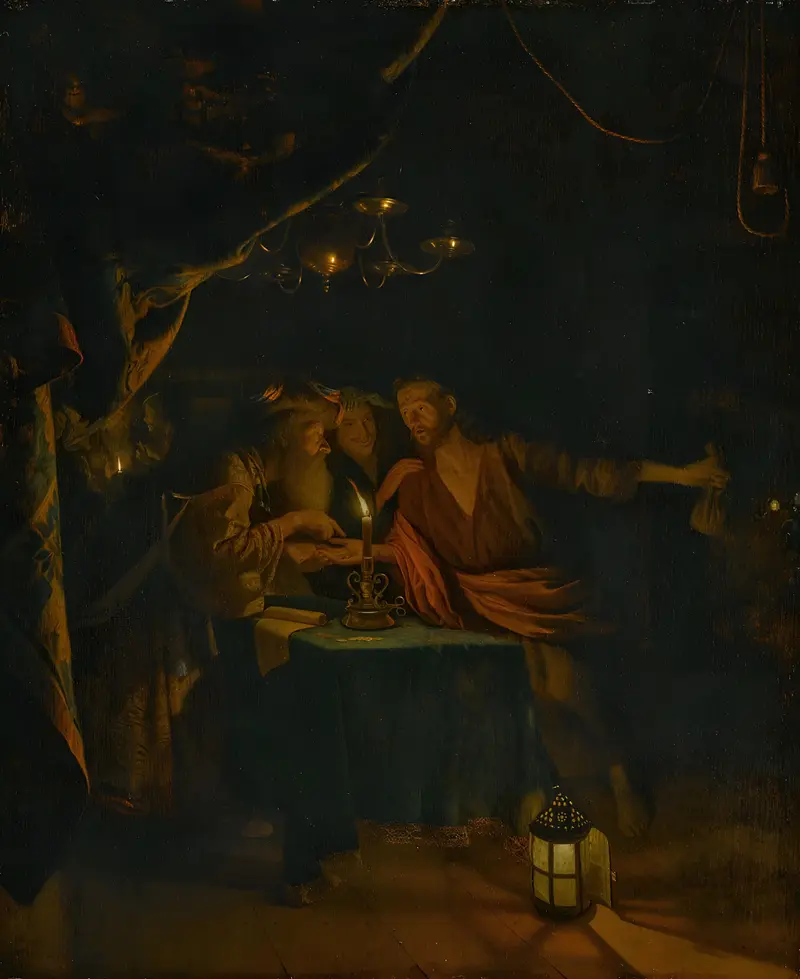
The betrayal of Judas
Godfried Schalcken





