Colombier — History & Facts
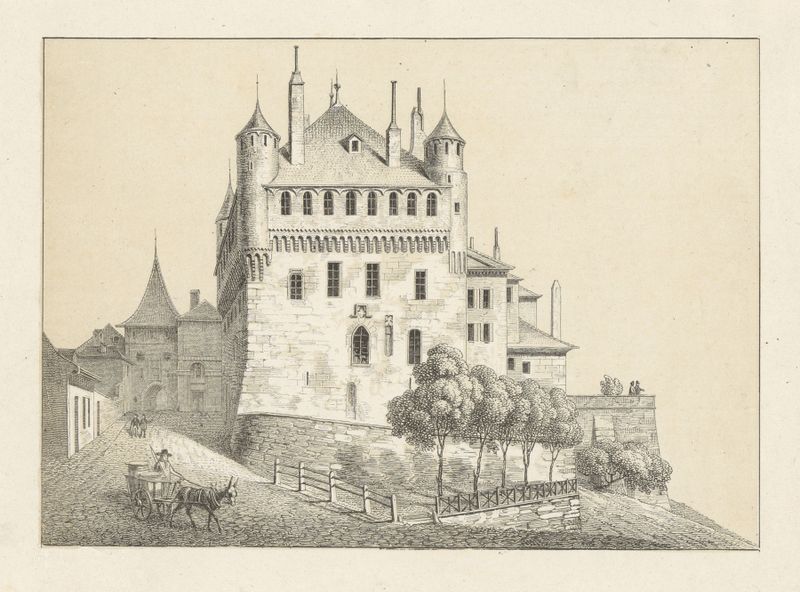
This quiet transformation resonates through every brushstroke, unveiling layers of emotion within a still moment. It compels the viewer to reflect on the subtle interplay between vibrancy and the void. Look to the center, where a serene dove perches, embodying both peace and promise. The soft hues of blue and white envelop it, contrasting sharply with the muted background.
Notice how the light caresses the feathered form, lending an almost ethereal quality, while the deep shadows suggest the weight of the unknown. This deliberate use of color and composition elevates the dove from mere representation to a symbol of hope. The juxtaposition of light and dark in the painting elicits a sense of duality; it speaks to the tension between liberation and confinement. The dove, a traditional emblem of transformation, suggests an emerging freedom amidst the surrounding shadows.
Yet, beneath its tranquil surface lies an undercurrent of anticipation, hinting that true metamorphosis often requires navigating through darkness before reaching the light. Johann Friedrich Wagner created Colombier between 1840 and 1844, a period marked by significant artistic developments in Europe. At the time, Wagner was exploring themes of nature and symbolism, integrating Romantic ideals with personal reflection. This work emerged as he was deeply engaged in the evolving dialogue of the art world, capturing the complex emotions that accompany transformation and the quest for understanding in an ever-changing landscape.
More Artworks by Johann Friedrich Wagner
Browse all →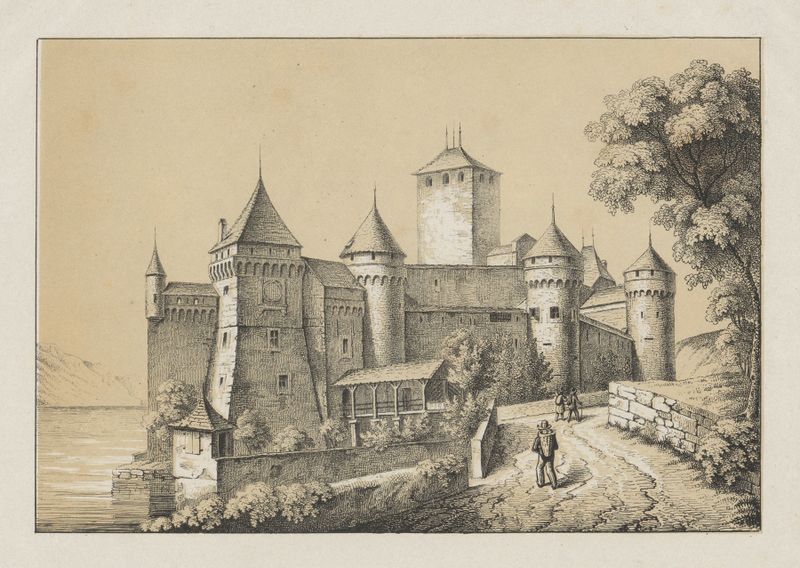
Chillon
Johann Friedrich Wagner

Valangin
Johann Friedrich Wagner
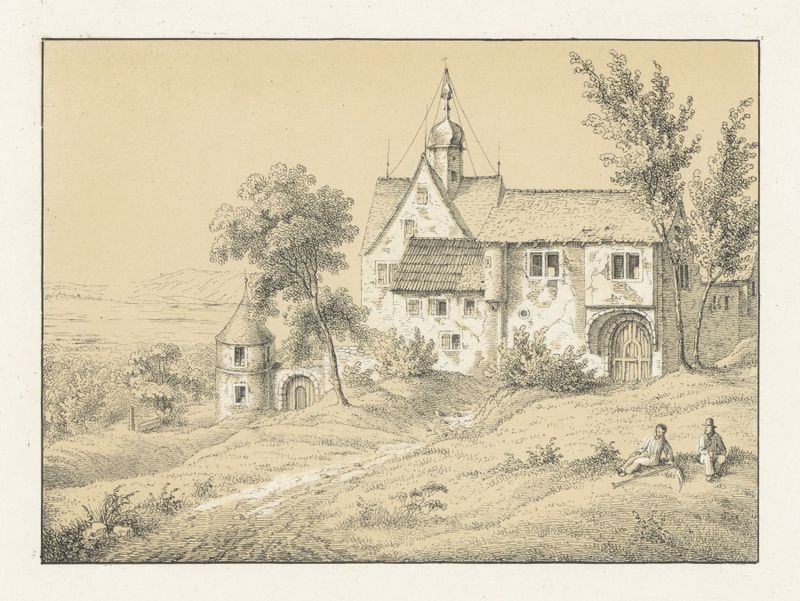
Greifenstein
Johann Friedrich Wagner

Vorburg
Johann Friedrich Wagner
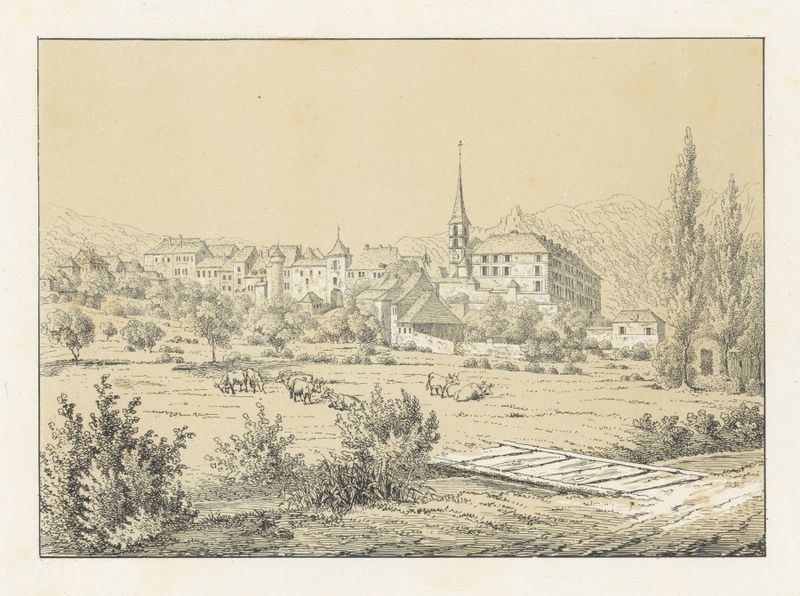
Delémont
Johann Friedrich Wagner

Pleujouse
Johann Friedrich Wagner

Challay
Johann Friedrich Wagner
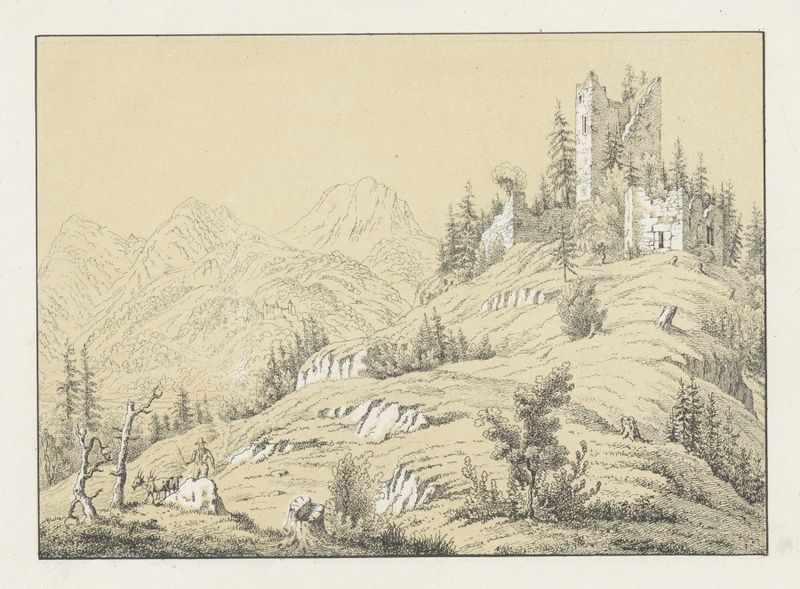
Mont Salvant
Johann Friedrich Wagner
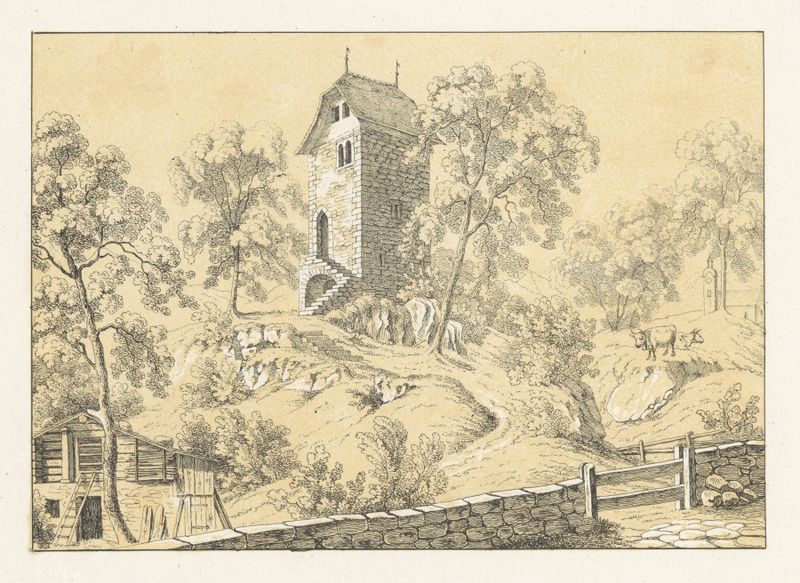
Aha. Od. Untere Burg von Sarnen
Johann Friedrich Wagner
Lausanne
Johann Friedrich Wagner