
Champvent — History & Facts
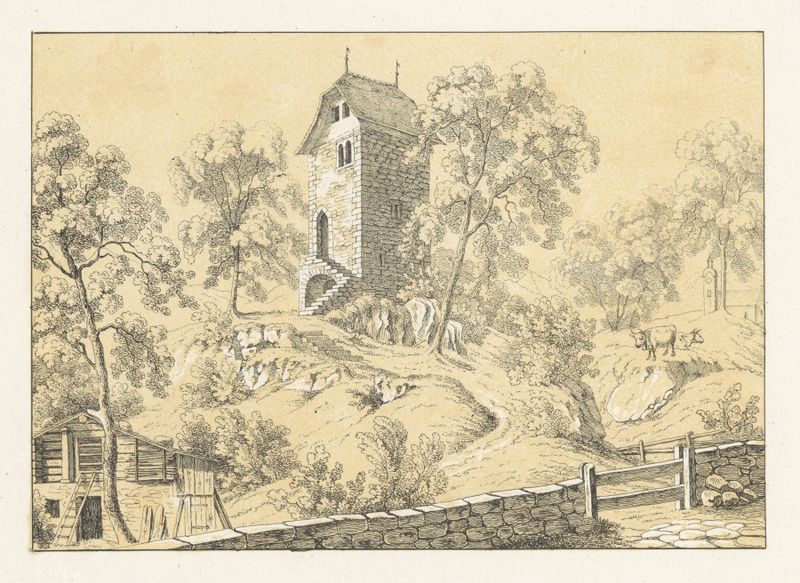
Can beauty exist without sorrow? In the heart of Champvent, a world steeped in nostalgia unfolds, where whispers of the past are carved into the landscape. Look to the foreground, where the delicate interplay of light and shadow dances over the verdant hills. The gentle sweep of the fields beckons, leading the eye toward the distant ruins that loom like silent sentinels. Notice the subtle gradations of green and gold, masterfully blended to evoke a sense of warmth tempered by the chill of time, while soft brushstrokes create texture that breathes life into the scene. Yet, amidst this pastoral beauty lies a poignant contrast.
The ruins, draped in a veil of decay, speak of lost civilizations and forgotten joys, evoking melancholic reflections on the passage of time. Each element in the composition—the flourishing landscape cradled by the stark remnants of architecture—contrasts the vibrancy of existence with the inevitability of decline, revealing a delicate balance between hope and despair. During the period between 1840 and 1844, Johann Friedrich Wagner was deeply engaged in the Romantic movement, painting Champvent while residing in Switzerland. The era was characterized by an exploration of nature's beauty, yet it was also marked by a growing awareness of the transient nature of human endeavors.
This tension between idealism and realism permeates his work, echoing the broader artistic conversations of a time grappling with both history and identity.
More Artworks by Johann Friedrich Wagner
Browse all →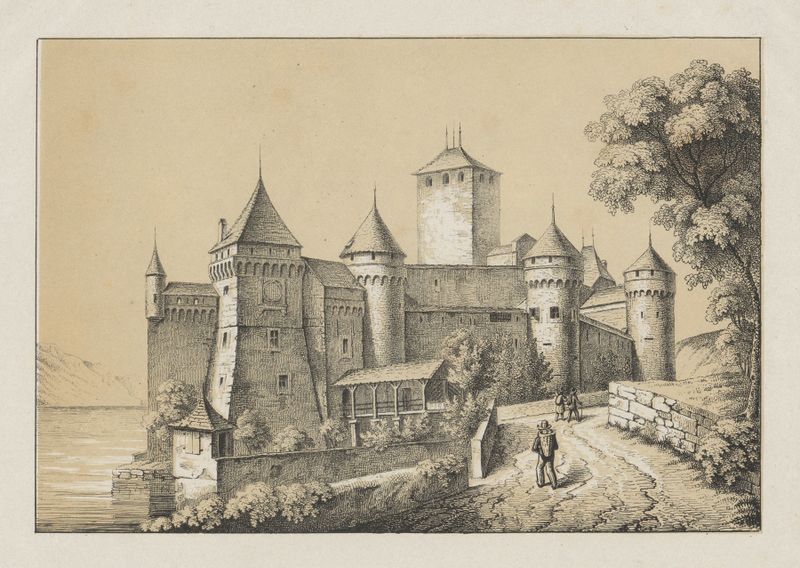
Chillon
Johann Friedrich Wagner

Valangin
Johann Friedrich Wagner
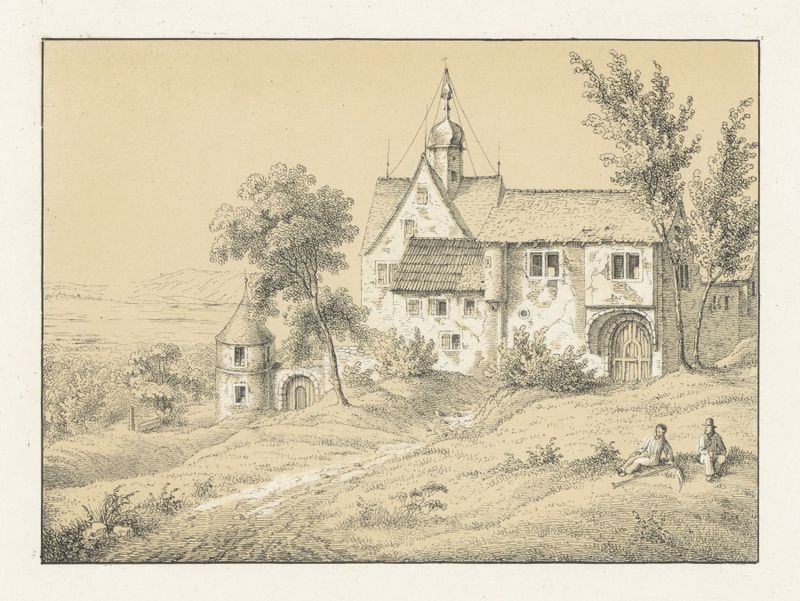
Greifenstein
Johann Friedrich Wagner

Vorburg
Johann Friedrich Wagner
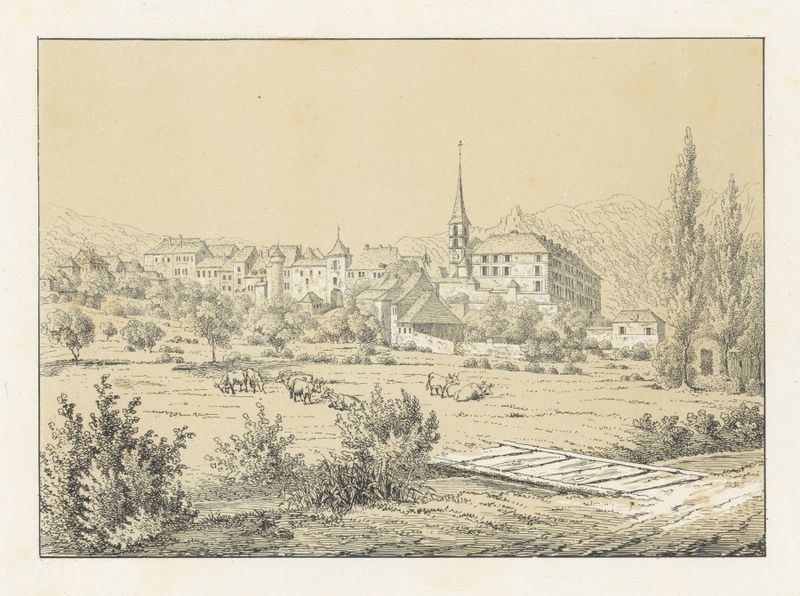
Delémont
Johann Friedrich Wagner

Pleujouse
Johann Friedrich Wagner

Challay
Johann Friedrich Wagner
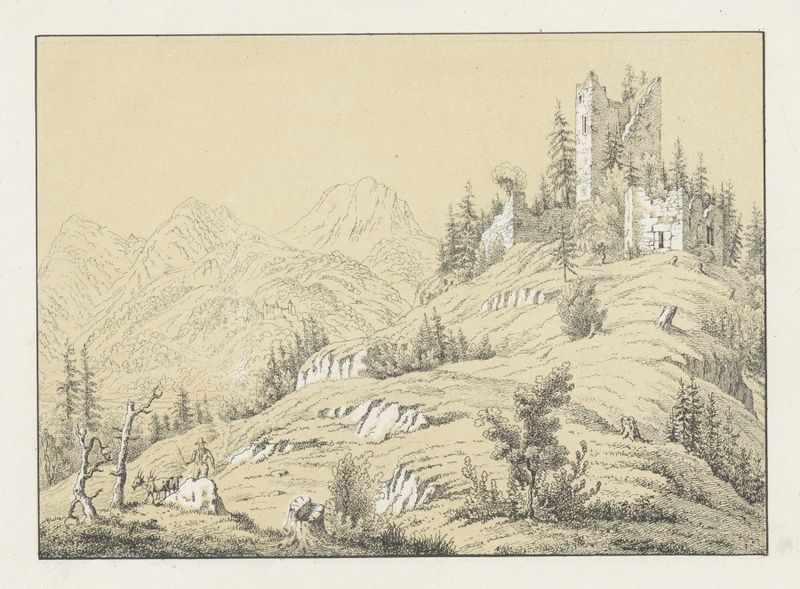
Mont Salvant
Johann Friedrich Wagner
Aha. Od. Untere Burg von Sarnen
Johann Friedrich Wagner
Lausanne
Johann Friedrich Wagner





