
Chapelle — History & Facts
Can beauty exist without sorrow? In Chapelle, the interplay of light and shadow evokes an emotional depth that suggests the answer lies in the balance between the two. The serene chapel, nestled among the verdant trees, becomes a vessel for deeper truths, merging nature's tranquility with the weight of human experience. Look to the left at the way the sunlight spills through the canopy, illuminating the chapel's weathered stones. The artist’s brush captures the delicate textures of bark and leaf, guiding your gaze upward to where a gentle breeze sways the branches.
Notice how the warm hues of the chapel contrast with the cool greens surrounding it, creating a harmonious yet poignant dialogue between sacred architecture and the wild beauty of the landscape. Hidden within this serene setting are emotional tensions that speak volumes. The juxtaposition of the sturdy chapel, a symbol of hope and faith, against the encroaching wilderness hints at nature's relentless march, suggesting that human constructs are ultimately fleeting. The scattered autumn leaves at the foreground whisper of time's passage, evoking a sense of nostalgia and reflection on life's transient nature—a reminder that beauty often carries the weight of loss. In 1862, Harpignies was immersed in the picturesque landscape movement, painting from his studio in France.
This period marked a significant exploration of light and color, as artists began to capture the subtleties of nature with increasing finesse. The artist sought to reconcile the beauty of the natural world with the human experience, making Chapelle a testament to his skill and the era's artistic aspirations.
More Artworks by Henri-Joseph Harpignies
Browse all →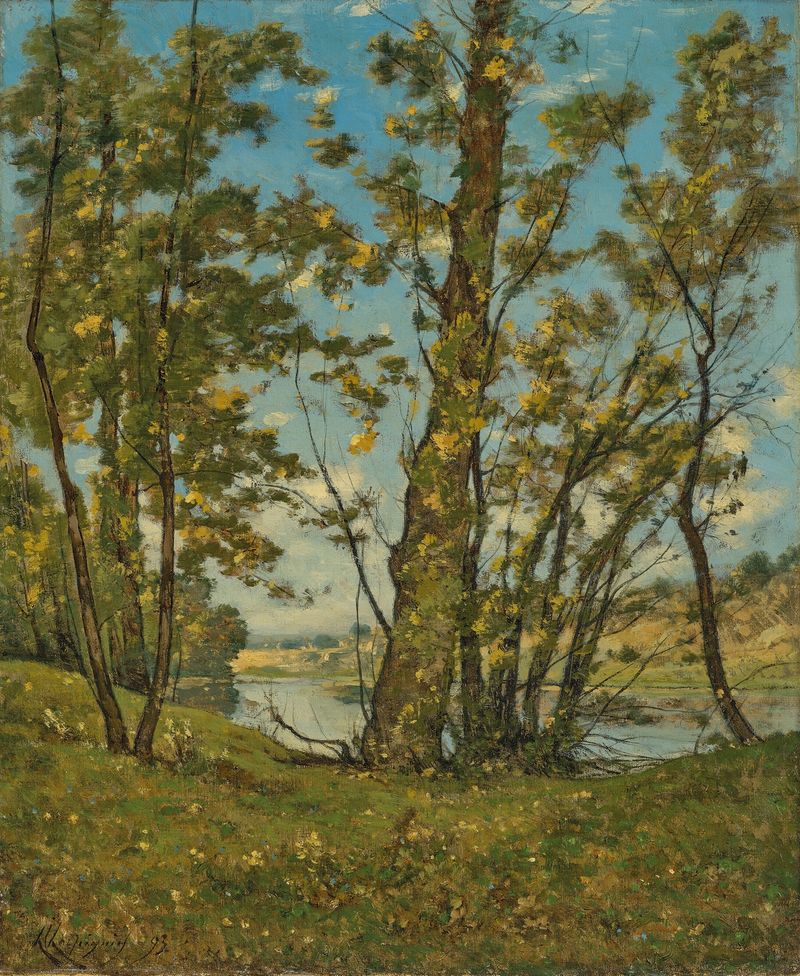
La Loire à Bonny
Henri-Joseph Harpignies
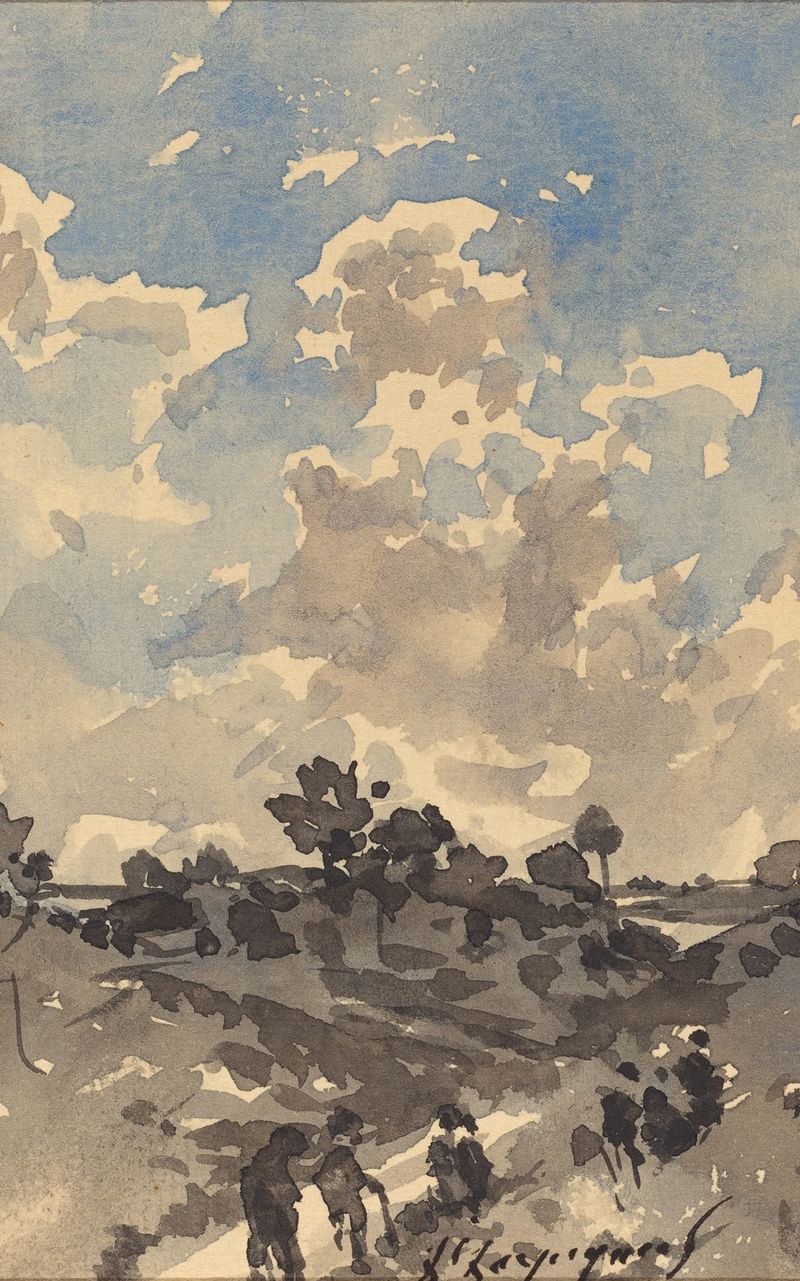
A Landscape with Figures Walking along a Path
Henri-Joseph Harpignies
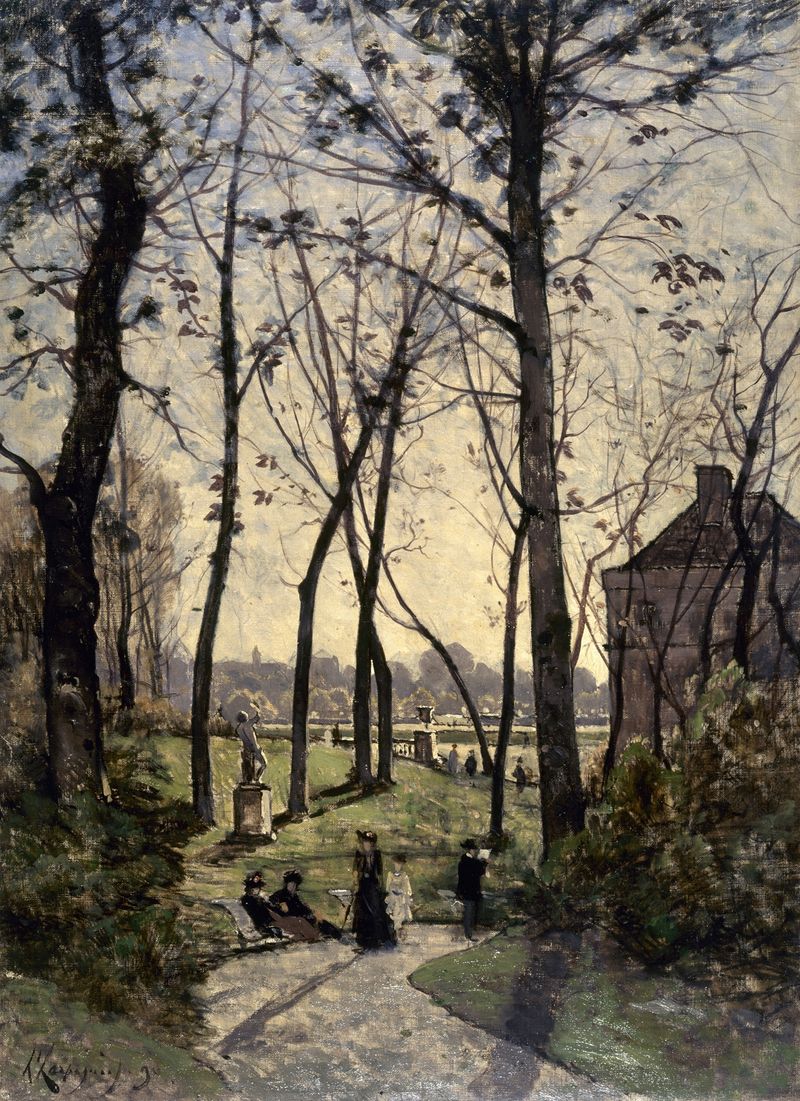
Le jardin du Luxembourg
Henri-Joseph Harpignies
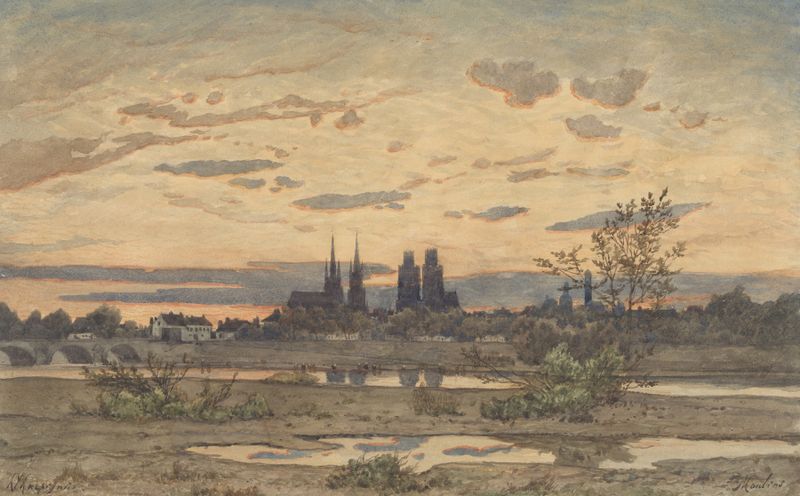
A View of Moulins
Henri-Joseph Harpignies
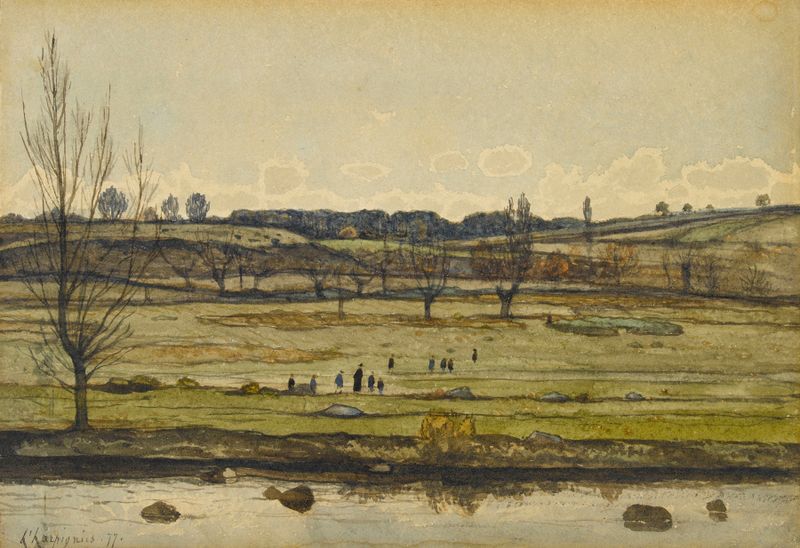
Paysage
Henri-Joseph Harpignies
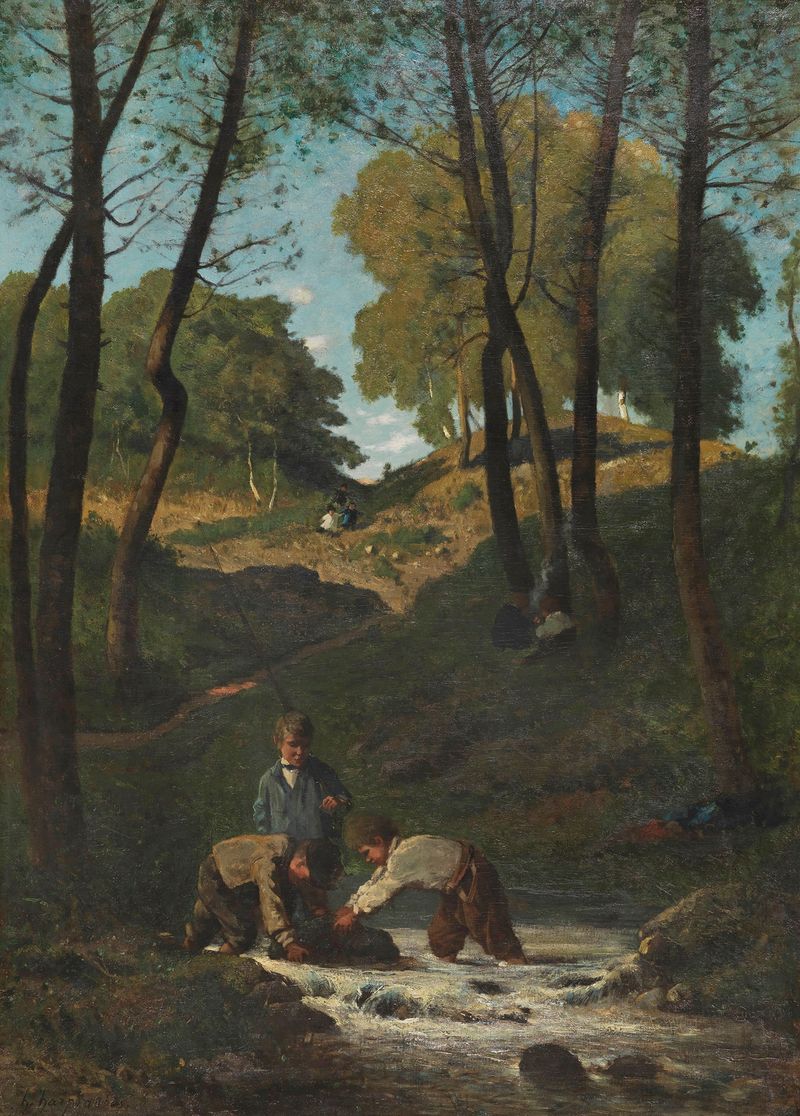
Chercheurs d’écrevisses
Henri-Joseph Harpignies
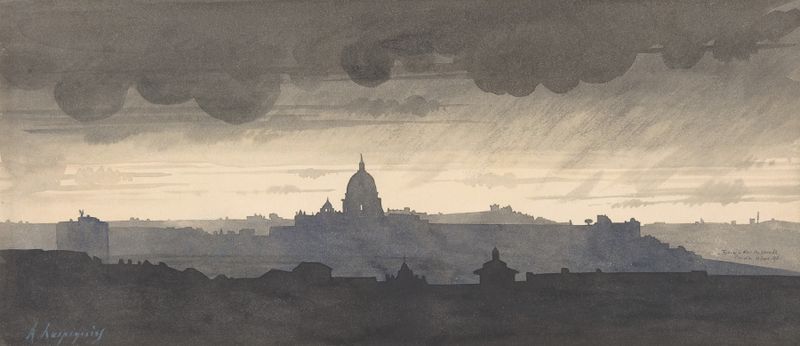
Saint Peter’s Seen From the Pincio, Rome
Henri-Joseph Harpignies
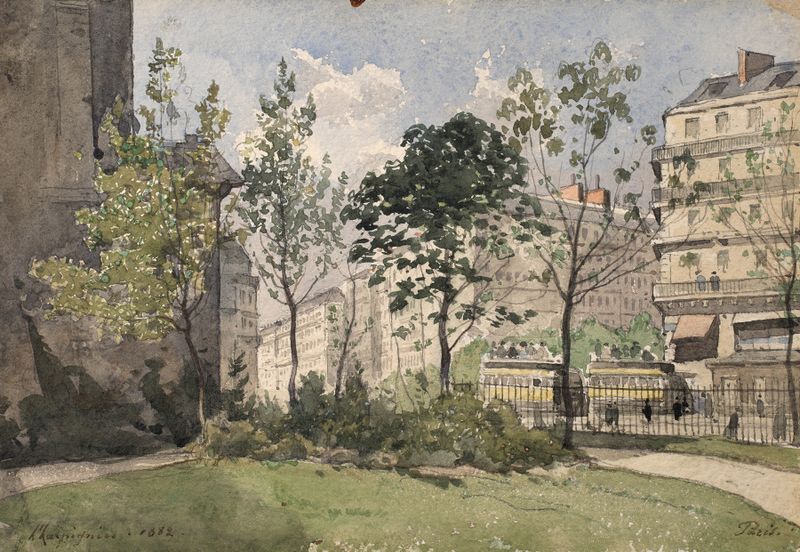
View of the forecourt of the Saint-Germain-des-Prés church
Henri-Joseph Harpignies
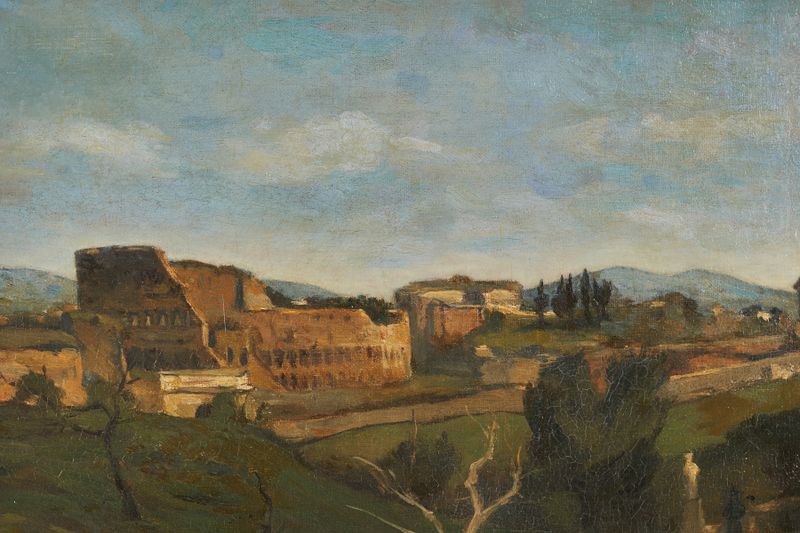
Le Colisée à Rome
Henri-Joseph Harpignies

Villefranche
Henri-Joseph Harpignies





