
Char du Hainaut ou de Boudouin-de-Constantinople — History & Facts
Who listens when art speaks of silence? In a world thrumming with noise, the stillness of a moment captured can resonate with profound destiny. Begin by studying the intricate details that populate the canvas. Look to the left, where the regal figures are almost frozen in time, their elaborate garments rich with texture. Notice how the muted earth tones contrast with the vivid hues of the banners that flutter in imagined breezes.
The careful composition draws your gaze across the scene, inviting you to explore the interplay between light and shadow that breathes life into the figures, suggesting an impending moment that teeters on the edge of revelation. Each element within the artwork whispers a narrative of tension and expectation. The solemnity of the characters hints at significant choices and fateful encounters, while the vivid banners symbolize aspirations and the weight of history. The juxtaposition of stillness and movement in this portrayal reflects the duality of human experience—the push and pull of destiny.
This painting encapsulates a pivotal moment, evoking the complexity of emotions that arise when individuals face the unfolding of their paths. In 1856, Jules Helbig painted this piece during a time of artistic transformation in France. With the rise of Romanticism, artists began to seek deeper emotional connections in their work. Helbig, influenced by the currents of his era, produced this painting in the bustling art scene of Paris, a city on the brink of modernity, yearning to capture both the grand tales of history and the intimate stories of personal destiny.
More Artworks by Jules Helbig
Browse all →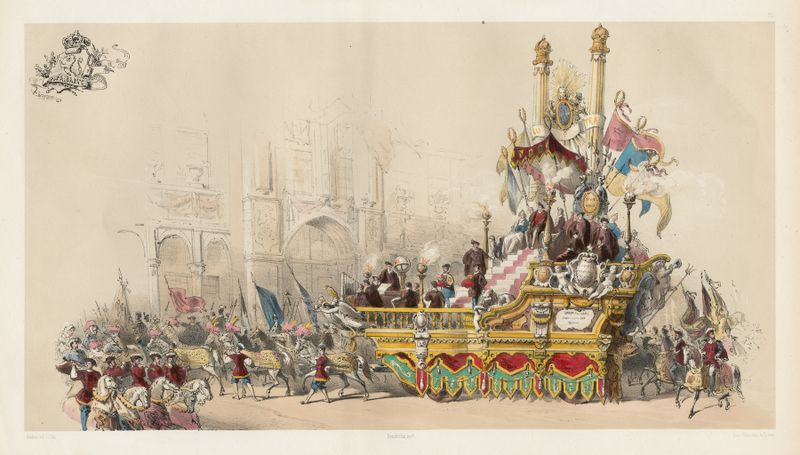
Char du Brabant ou de Charles Quint
Jules Helbig
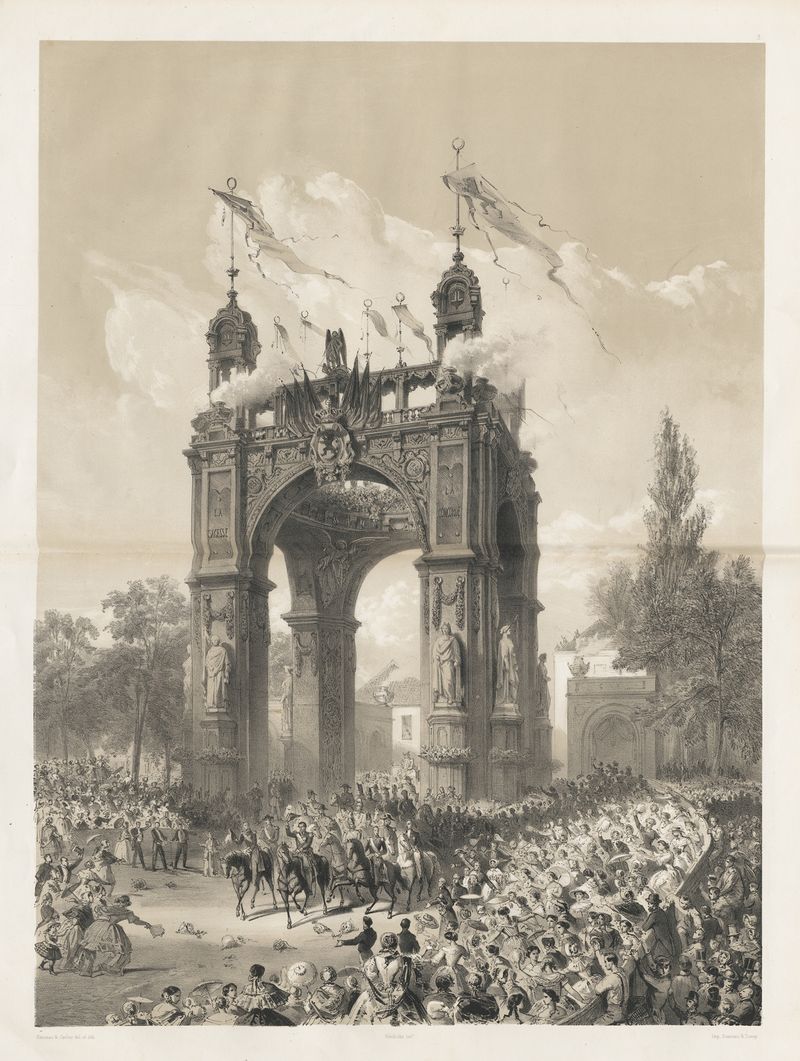
Réception du roi a la Porte de Laeken
Jules Helbig
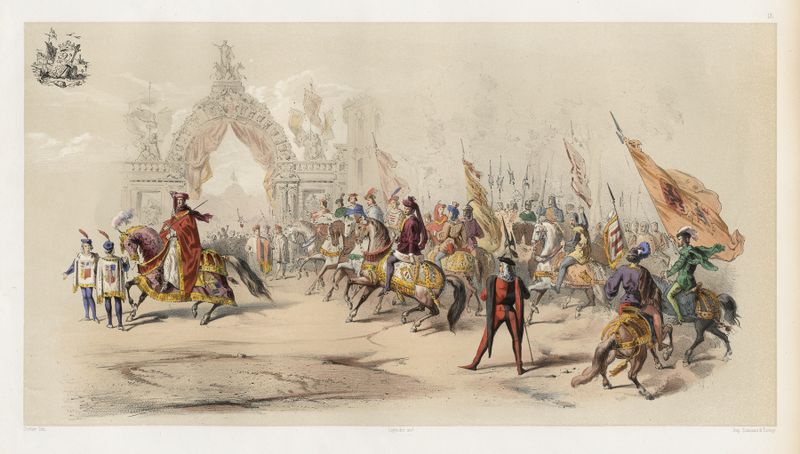
Cortége de la Toison d’or envoyé par la ville de Bruges
Jules Helbig

Char de l’Agriculture envoyé par la ville de Nivelles
Jules Helbig

Cortége de la Toison d’or envoyé par la ville de Bruges
Jules Helbig

Décoration de la Place des Palais
Jules Helbig

Char de l’Armurerie Liégeoise
Jules Helbig

Cortége de la Toison d’or envoyé par la ville de Bruges
Jules Helbig
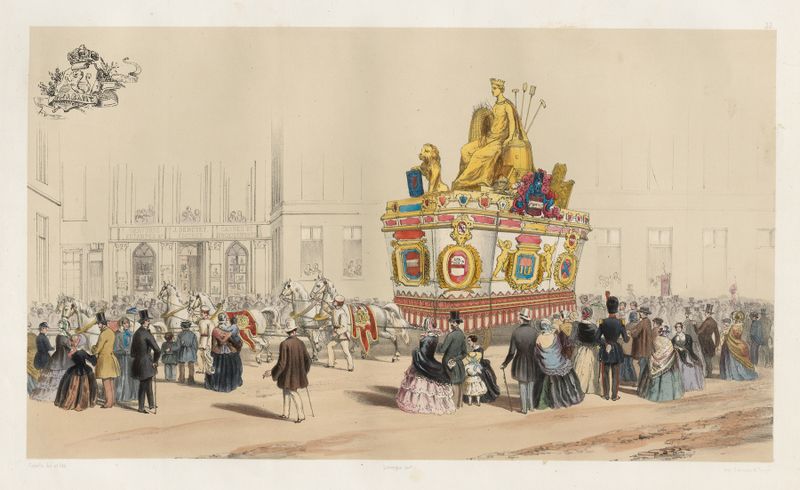
Char des Brasseurs de Louvain
Jules Helbig

Char du Luxembourg ou de Godfroid-de-Bouillon
Jules Helbig
More Historical Art
Browse all →
The Night Watch Militia Company of District II under the Command of Captain Frans Banninck Cocq
Rembrandt van Rijn

Lincoln Memorial
Henry Bacon

The Third of May 1808
Francisco de Goya

Isaac and Rebecca, Known as ‘The Jewish Bride’
Rembrandt van Rijn

The Charge of the Mamelukes (1814)
Francisco de Goya

De vier ruiters van de apocalyps
Albrecht Dürer