
Charing Cross Railway Bridge — History & Facts
In Charing Cross Railway Bridge, James Abbott McNeill Whistler captures the essence of the iconic bridge with a blend of soft colors and dynamic brushstrokes. The painting features a muted palette dominated by shades of gray, blue, and hints of warm tones. The bridge itself is depicted with a sense of movement, as if it is alive with the hustle of trains and people.
The surrounding atmosphere conveys a moody, atmospheric quality typical of Whistler's work. The painting is executed in oil on canvas, showcasing Whistler's skill in blending colors and creating depth. The brushwork is loose yet deliberate, allowing the viewer to appreciate the interplay of light and shadow. The composition is balanced, drawing the eye towards the bridge while still incorporating elements of the surrounding environment.
This technique is characteristic of the Impressionism style, which emphasizes the effects of light and atmosphere. James Abbott McNeill Whistler was an American artist known for his contributions to the Impressionism movement. This painting, created in the 1860s, reflects his fascination with urban landscapes and the interplay of architecture and nature. An interesting fact about this work is that it exemplifies Whistler's belief in
More Artworks by James Abbott McNeill Whistler
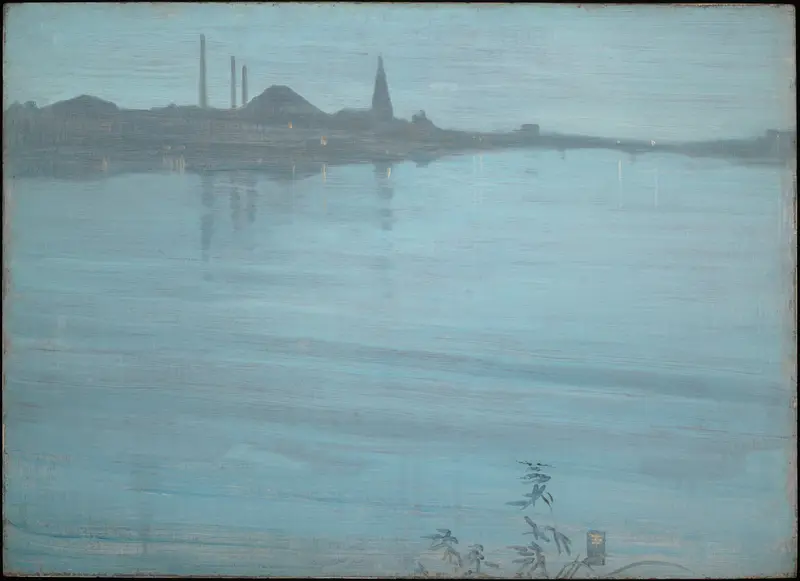
Nocturne in Blue and Silver
James Abbott McNeill Whistler

Nocturne
James Abbott McNeill Whistler
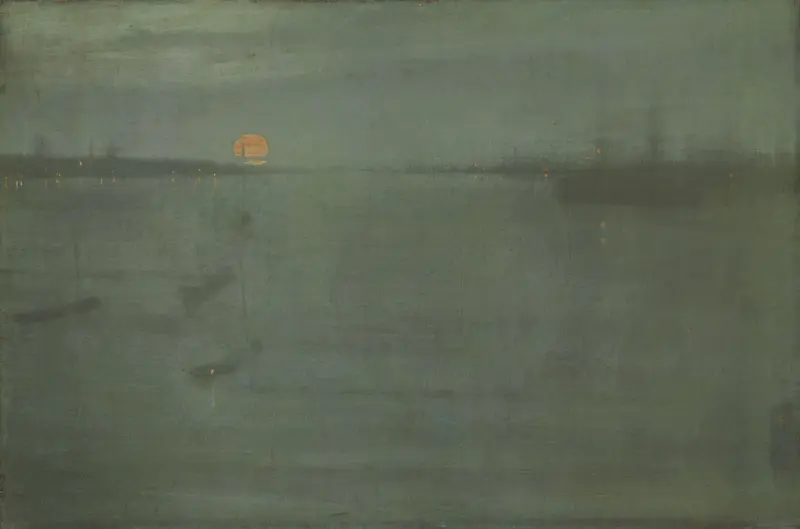
Nocturne: Blue and Gold–Southampton Water
James Abbott McNeill Whistler
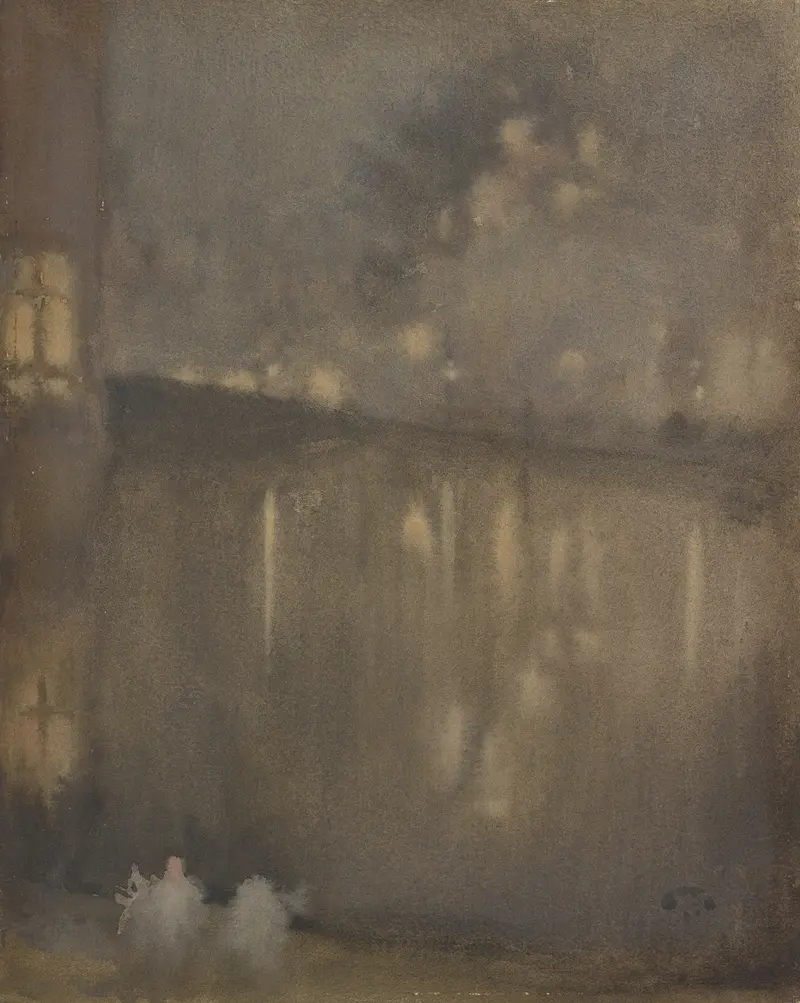
Nocturne: Grey and Gold–Canal, Holland
James Abbott McNeill Whistler
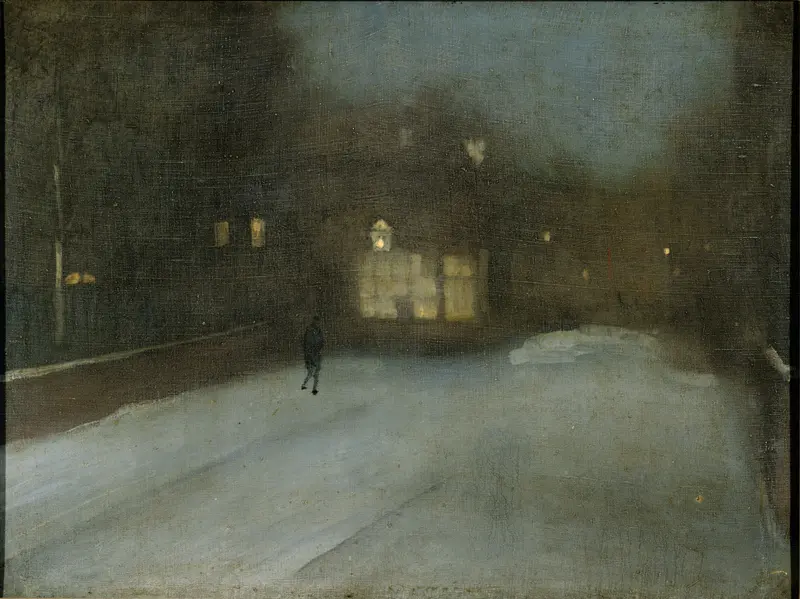
Nocturne in Grey and Gold: Chelsea Snow
James Abbott McNeill Whistler
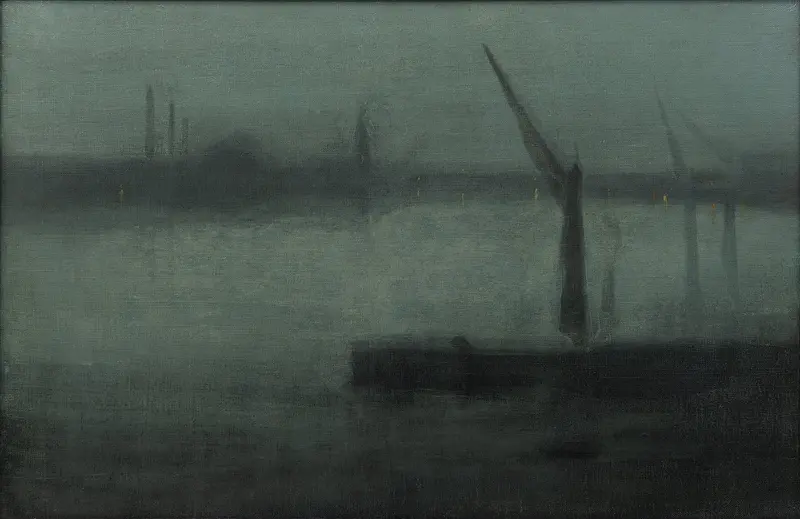
Nocturne: Blue and Silver–Battersea Reach
James Abbott McNeill Whistler
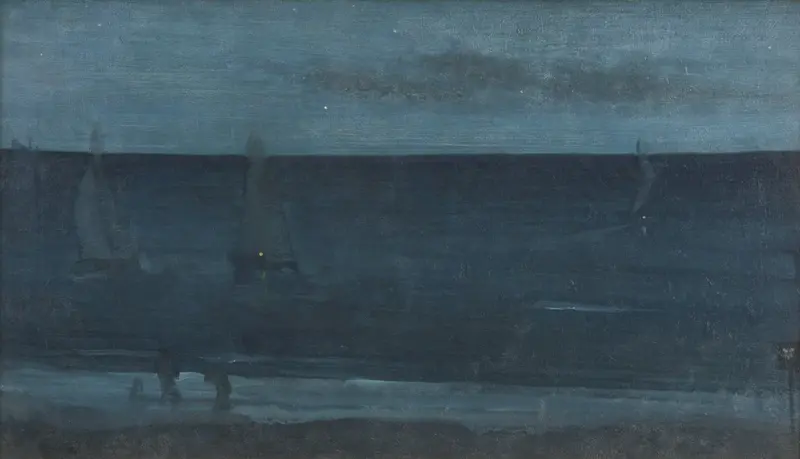
Nocturne: Blue and Silver–Bognor
James Abbott McNeill Whistler

Old Battersea Bridge
James Abbott McNeill Whistler
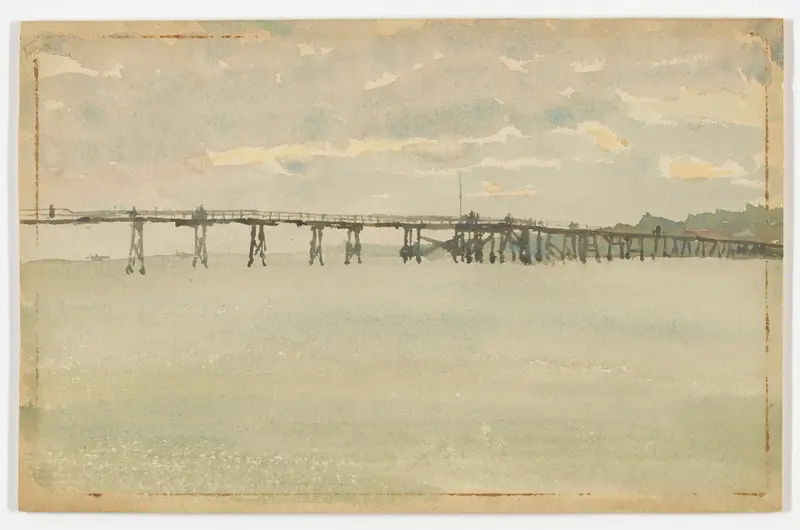
Grey and Silver–Pier, Southend
James Abbott McNeill Whistler
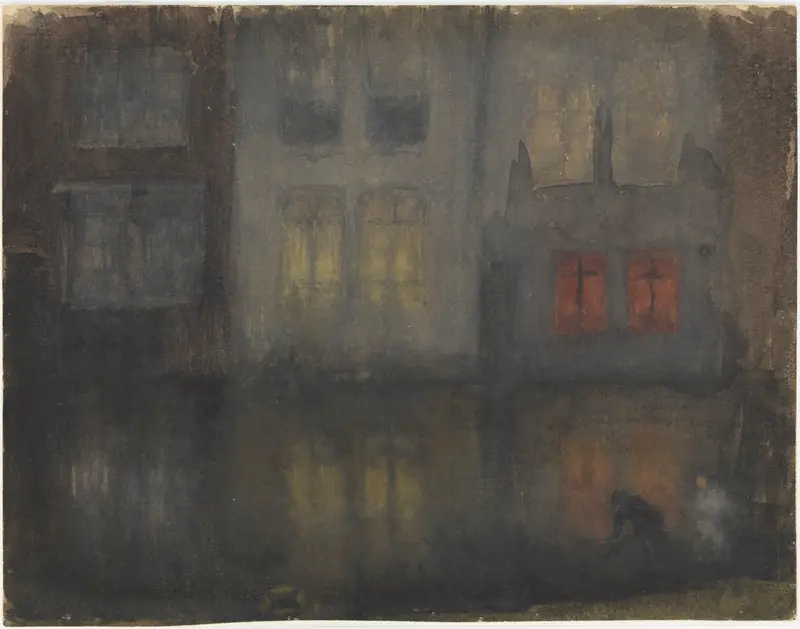
Nocturne: Black and Red—Back Canal, Holland
James Abbott McNeill Whistler





