
Charles Cordier — History & Facts
When Jean Auguste Dominique Ingres painted Charles Cordier in 1811, he was just beginning to make his mark in Rome, having won the Prix de Rome a year earlier. The sitter, Charles Cordier, was not yet the renowned sculptor he would become, but a fellow Frenchman in the city’s lively artistic circles. What makes this portrait remarkable is that it captures two young talents at the threshold of their careers, their futures uncertain but their ambitions unmistakable.
The painting is also notable for its rarity: few likenesses of Cordier from this period exist, making Ingres’s work a precious document of friendship and artistic exchange. Ingres chooses a moment of quiet introspection rather than the formality typical of early 19th-century portraiture. Cordier’s gaze is direct yet reserved, his posture relaxed, a hand resting lightly on the back of a chair—suggesting both ease and alertness. The crisp rendering of Cordier’s features, the subtle play of light across his brow, and the careful attention to the folds of his clothing all point to Ingres’s early fascination with precision and clarity.
Unlike the more theatrical portraits by David, Ingres’s approach here is intimate, almost conversational, inviting the viewer to meet Cordier as a peer rather than an icon. The painting’s later history is less documented than its creation. It is not clear whether Ingres painted it as a commission or as a gift, but it likely remained in private hands for much of the 19th century. Over time, as both men’s reputations grew, the portrait gained significance as a record of their youthful friendship.
Today, Charles Cordier stands as an early testament to Ingres’s developing style, a bridge between the strict classicism of his training and the more personal, searching portraits he would later create. Its current whereabouts are uncertain, but it remains an important piece in understanding the networks and ambitions of young French artists in Napoleonic Rome.
More Artworks by Jean Auguste Dominique Ingres
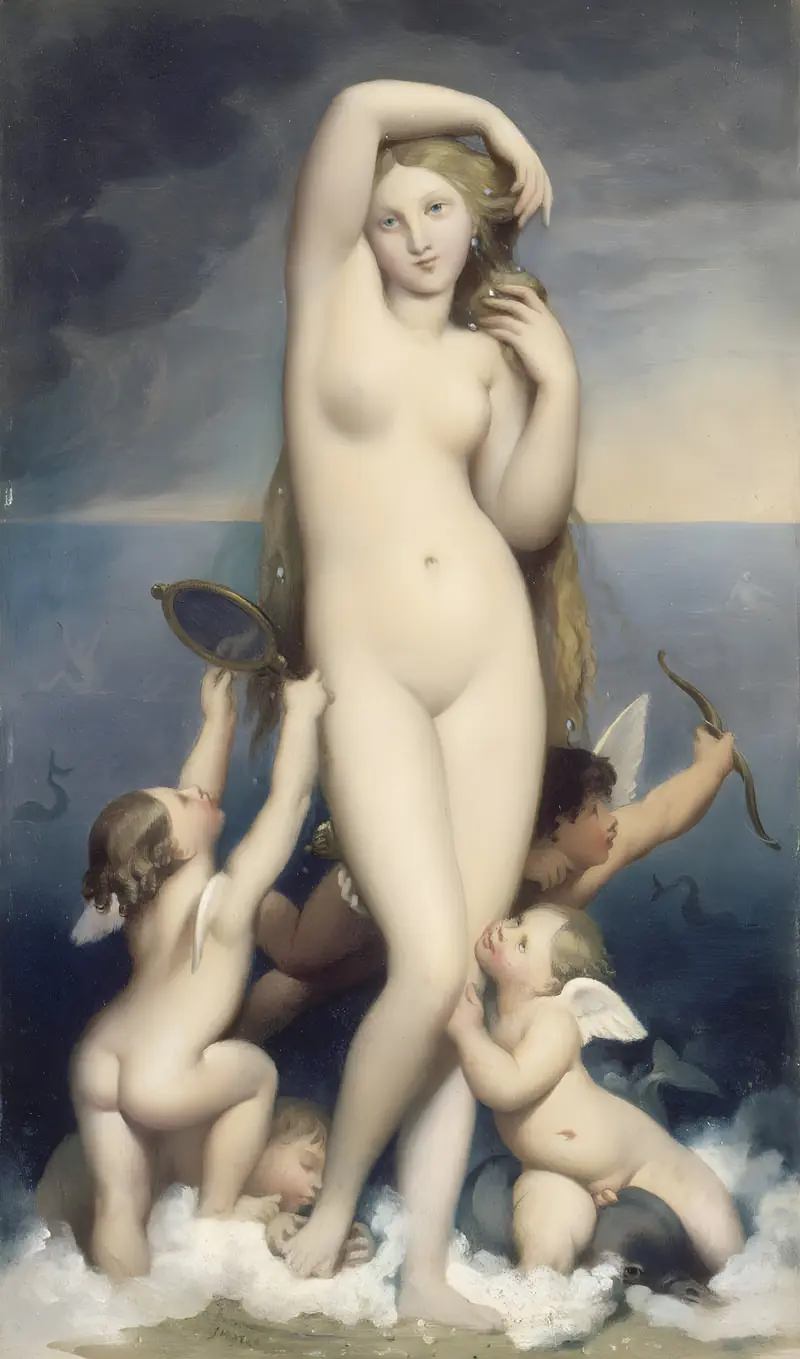
Vénus anadyomène
Jean Auguste Dominique Ingres
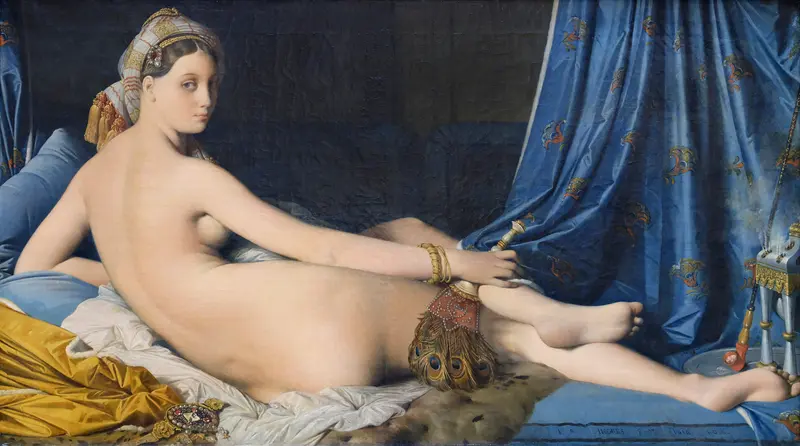
Grande Odalisque
Jean Auguste Dominique Ingres
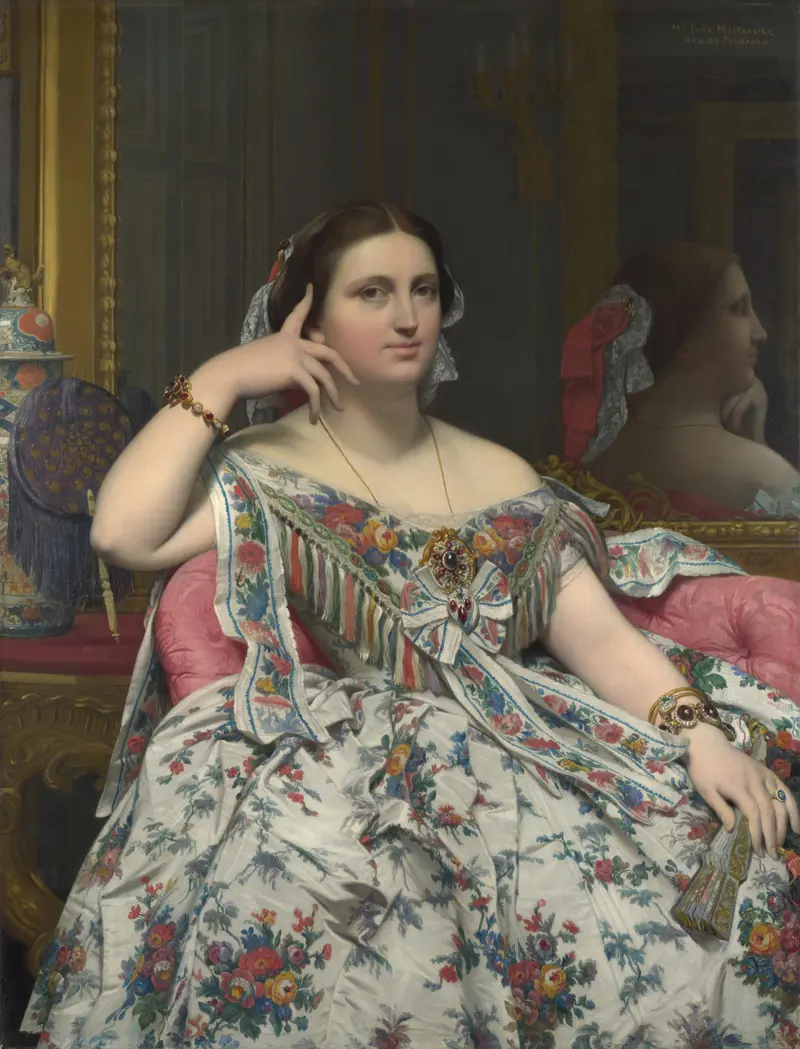
Madame Moitessier (seated)
Jean Auguste Dominique Ingres
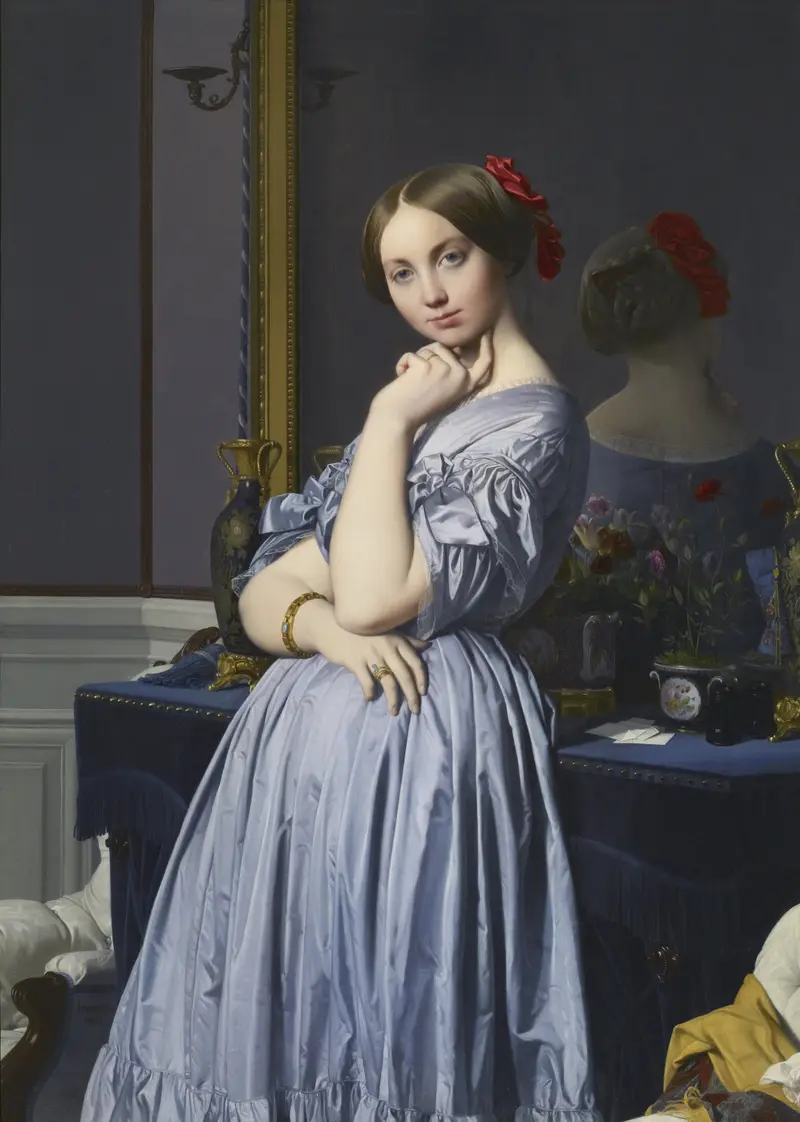
Portrait of Comtesse d’Haussonville
Jean Auguste Dominique Ingres
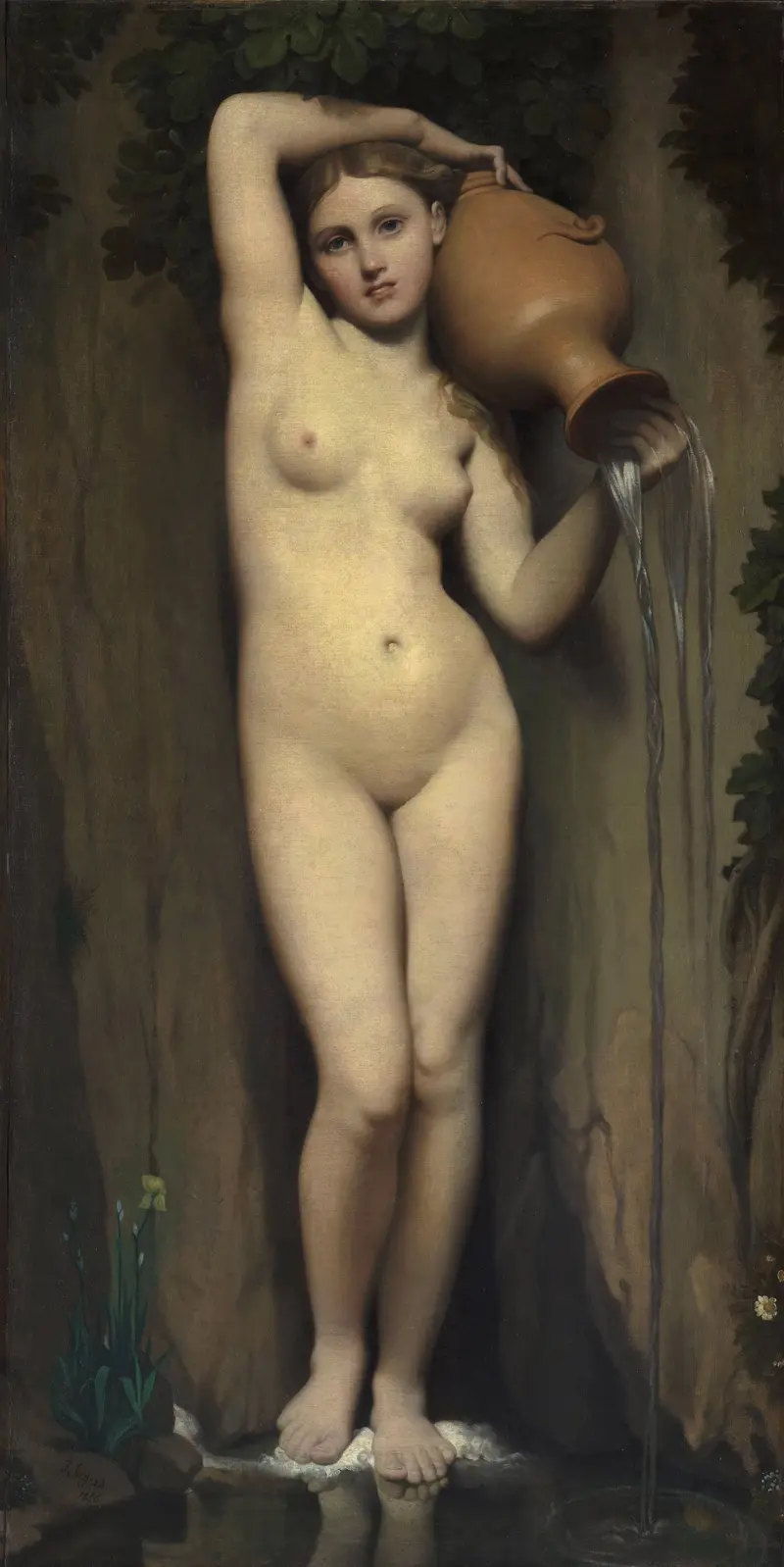
The Source
Jean Auguste Dominique Ingres
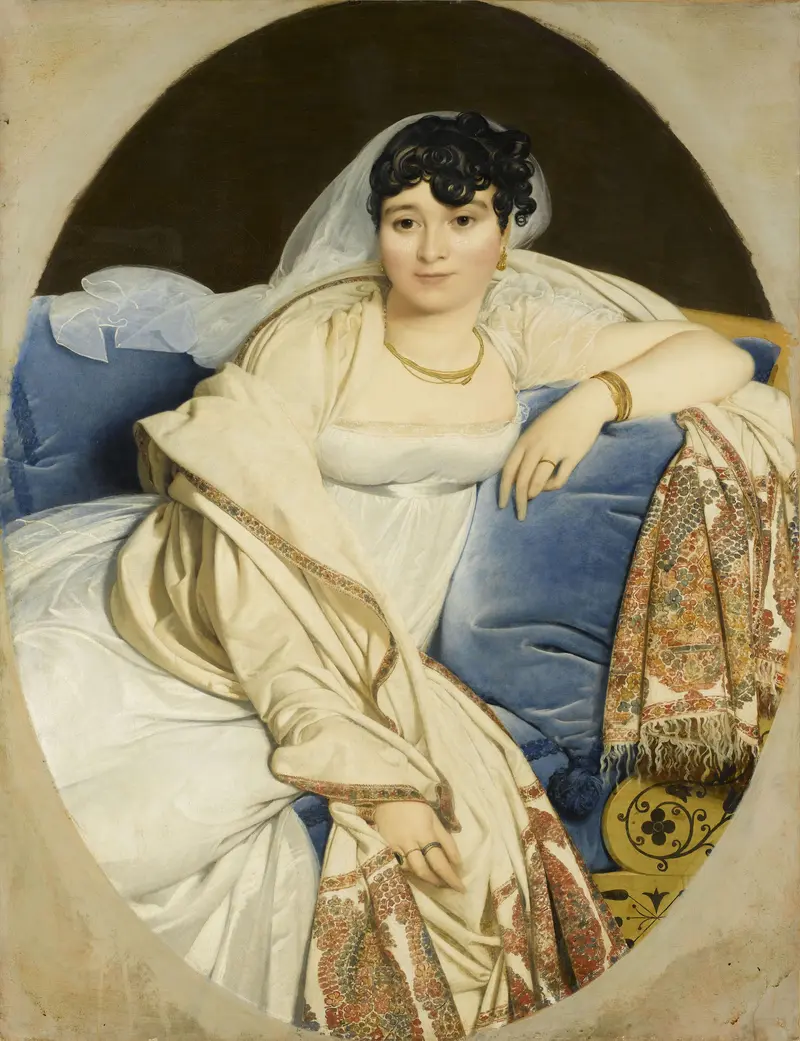
Madame Rivière
Jean Auguste Dominique Ingres

Madame Jean-Auguste-Dominique Ingres, née Madeleine Chapelle
Jean Auguste Dominique Ingres

Portrait of a Lady
Jean Auguste Dominique Ingres
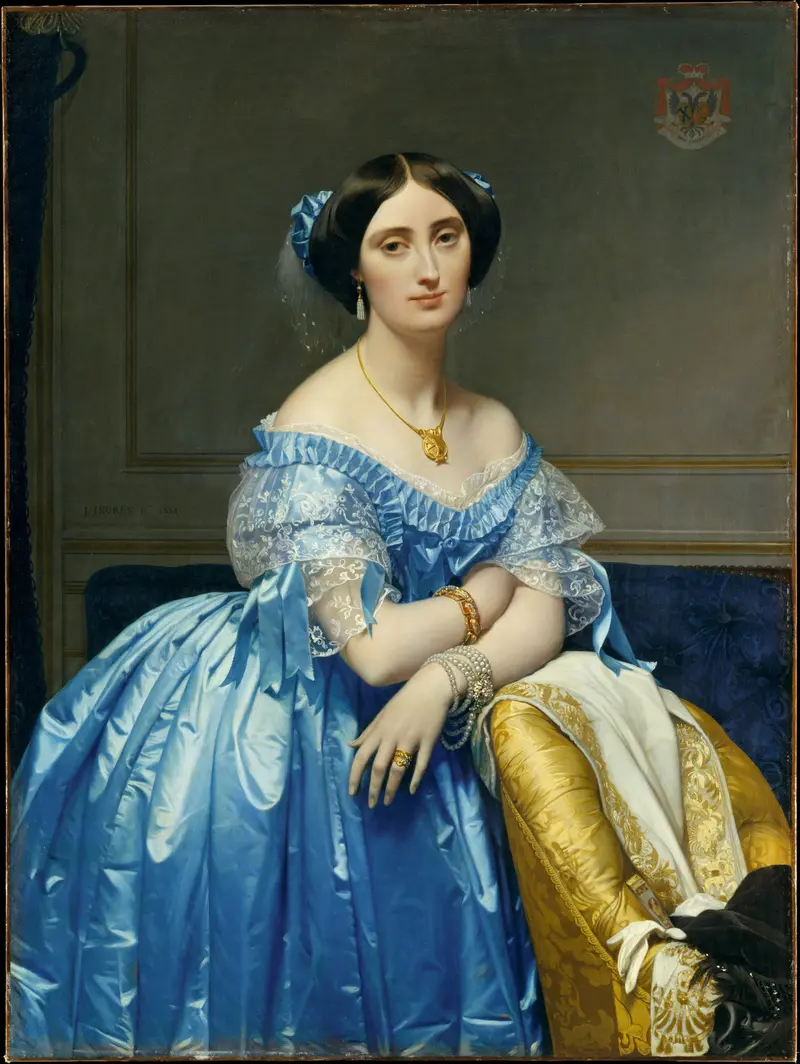
Joséphine-Éléonore-Marie-Pauline de Galard de Brassac de Béarn (1825–1860), Princesse de Broglie
Jean Auguste Dominique Ingres
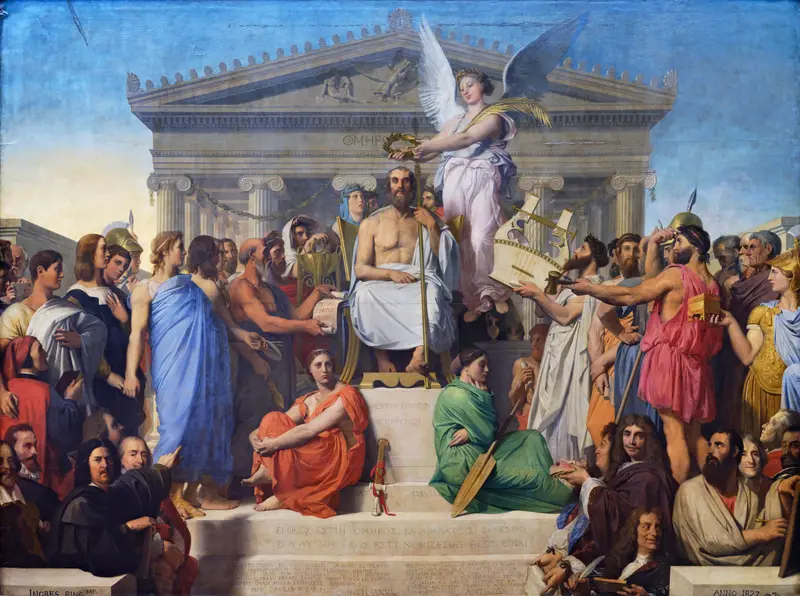
The Apotheosis of Homer
Jean Auguste Dominique Ingres





